
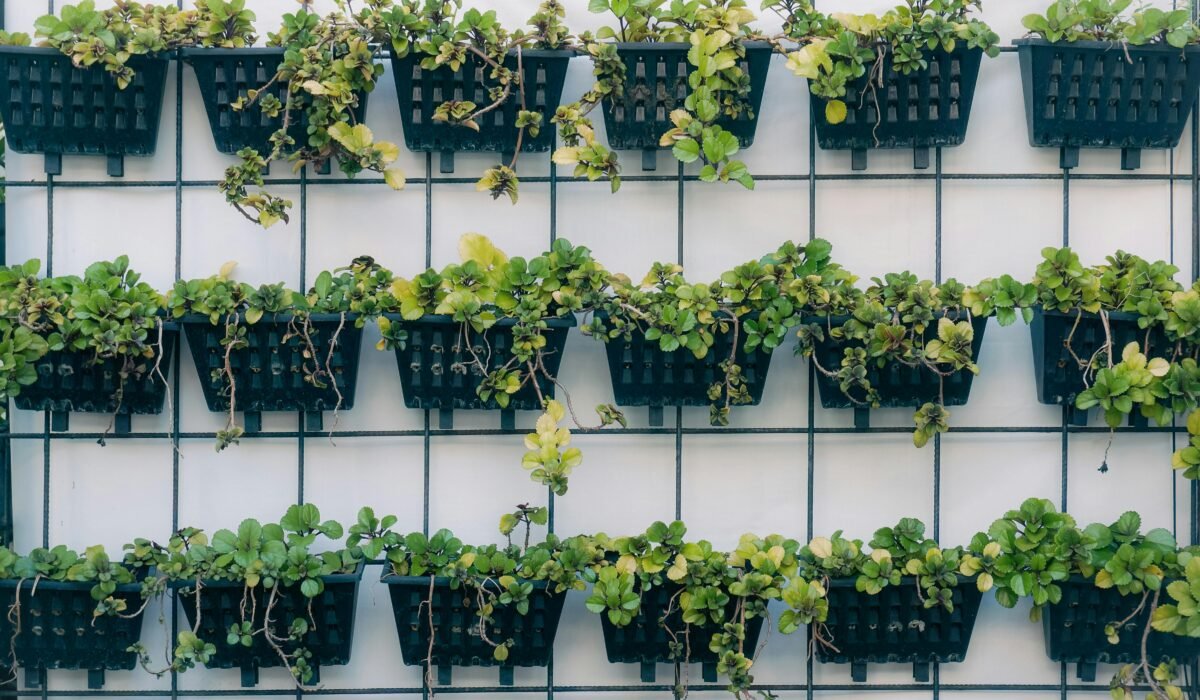
Dreaming of a lush, vibrant garden but only have a tiny balcony or a compact patio? You’re not alone! Many urban dwellers face the challenge of limited space, yet still yearn for the joy of homegrown produce and beautiful greenery. The good news is, with the right Space-Saving Urban Plants and smart design, you can transform even the smallest urban terrace into a thriving oasis.
Why Urban Terrace Gardens Are Thriving
The allure of fresh, homegrown food and the calming presence of nature has driven a significant boom in urban gardening. More and more city residents are discovering the immense satisfaction of cultivating their own green spaces, even when space is at a premium. It’s truly inspiring to see how creative people are getting!
This movement isn’t just a trend; it’s a rapidly expanding sector of urban agriculture. Since 2020, we’ve seen a remarkable 340% growth in urban farming, with over 15 million Americans now actively involved in metropolitan food production. This surge is fueled by a desire for sustainable practices, better access to fresh produce, and a deeper connection to the environment.
The statistics are truly eye-opening. The global urban farming market, valued at $173.18 billion in 2025, is projected to grow even further to $185.7 billion in 2026, boasting a compound annual growth rate (CAGR) of 6.9% by 2030. This growth highlights the increasing importance and economic impact of urban agriculture worldwide.
Beyond the numbers, the benefits for individuals and communities are substantial. Around 23% of urban households are now growing food, and urban farms are incredibly efficient, producing 15-20 times more food per acre than traditional agriculture. Plus, participating in urban gardening can slash your household carbon footprint by an estimated 12-18% annually, while also saving you an average of $600-$900 per year on groceries!
It’s clear that gardening, in general, is thriving, with 55% of American households engaged in some form of gardening. Tomatoes remain the undisputed champion, found in a whopping 86% of food gardens. What surprised me is that a relatively small food garden, just 100-200 square feet, can actually feed one person year-round. This makes a terrace garden a powerful tool for self-sufficiency and well-being.
Top 10 Space-Saving Plants for Your Terrace
Ready to get your hands dirty? Choosing the right small space plants is key to a successful urban garden. You want varieties that are compact, productive, and well-suited for container gardening ideas. Here are my top picks for your balcony or terrace:
- Bush Beans: Unlike pole beans, bush varieties don’t need a trellis, making them perfect for pots. They produce a generous harvest in a compact form.
- Radishes: These quick-growing root vegetables mature in as little as three weeks, allowing for successive plantings in the same container. They’re incredibly satisfying to grow.
- Lettuce & Leafy Greens (Spinach, Arugula, Kale): These are fantastic for continuous harvesting. Pick the outer leaves as needed, and the plant will keep producing. They thrive in partial shade, which is often a plus on urban terraces.
- Cherry Tomatoes: Opt for determinate or “bush” varieties like ‘Tiny Tim’ or ‘Patio’. They stay small, produce abundant fruit, and can even be grown in hanging baskets.
- Compact Peppers (Bell, Chili): Many pepper varieties are naturally bushy and do well in containers. Look for smaller types that don’t sprawl too much.
- Strawberries: These delightful fruits are perfect for hanging baskets or stacked planters, keeping them off the ground and maximizing vertical space.
- Herbs (Basil, Mint, Thyme, Rosemary, Cilantro): Most herbs are naturally compact and thrive in pots. Grow your favorites for fresh culinary additions. You can even check out our guide on how to grow coriander at home for fresh cilantro.
- Dwarf Citrus Trees (Lemon, Lime): While they require a larger pot, dwarf citrus varieties can bring a touch of the Mediterranean to your terrace and provide fresh fruit. They appreciate plenty of sunlight.
- Nasturtiums: These aren’t just pretty; their leaves and flowers are edible, adding a peppery kick to salads. They can trail beautifully from containers or be trained up a small support.
- Scallions/Green Onions: You can regrow these from kitchen scraps! Just plant the white ends in a pot, and they’ll sprout new green shoots repeatedly.
When selecting your plants, always check the plant tags for mature size and light requirements. This little habit, which you can learn more about in our Beginner’s Guide to Decoding Labels, will save you a lot of guesswork and ensure your plants thrive.
Maximizing Space with Vertical Gardening
If you’re serious about creating a productive urban garden, you simply can’t ignore the power of vertical gardening. This technique, which involves growing plants upwards rather than outwards, is experiencing “explosive growth” and is expected to dominate in 2026. It’s a game-changer for anyone with limited square footage.
Think about it: your walls and railings are often unused real estate. By going vertical, you can dramatically increase your planting area. My personal favorite is a tiered planter, allowing you to grow multiple types of herbs or strawberries in one compact tower.
Living Walls and Wall-Mounted Planters
Living walls are stunning and functional, transforming a bare wall into a vibrant display of greenery. You can purchase ready-made modular systems or create your own with wall-mounted planters. These are perfect for herbs, leafy greens, and even some flowering plants.
Trellises and Supports
For vining plants like cucumbers, peas, or even some small squash varieties, trellises are essential. They allow plants to climb, keeping fruit off the ground and improving air circulation. Make sure your trellis is sturdy enough to support the mature plant and its harvest.
Hanging Baskets and Railing Planters
Don’t forget about your railings and overhead space! Hanging baskets are ideal for strawberries, trailing herbs, and colorful annuals. Railing planters securely attach to your balcony railing, adding another layer of planting area without taking up precious floor space.
Smart Watering and Hydroponic Solutions
Efficient watering is crucial for any garden, but especially for balcony garden plants in containers, which can dry out quickly. Luckily, recent advancements offer some incredibly smart solutions. I’ve found that a good self-watering system can truly be a lifesaver on hot summer days!
Self-Watering Planters
The latest generation of self-watering planters is a key development for 2025-2026. These planters feature a reservoir that supplies water to the plants’ roots as needed, reducing the frequency of manual watering and ensuring consistent moisture. Brands like Lechuza and EarthBox offer excellent options, often with water level indicators and removable liners for easy maintenance. This makes them a fantastic choice for a truly self-watering garden.
Hydroponics and Aeroponics on Your Terrace
For the ultimate in space efficiency and water conservation, consider exploring hydroponics. Compact and vertical hydroponic designs are increasingly popular for a hydroponic terrace. These systems grow plants without soil, using nutrient-rich water solutions. Even more advanced is aeroponics, where plant roots are misted with nutrients, using up to 95% less water than traditional soil farming.
A newer evolution, fogponics, developed by NASA, is even more water-efficient, consuming 30-50% less water than hydroponics and 10% less than aeroponics. These technologies are making high-tech urban farming accessible to everyone, even in the smallest spaces.
Smart Technology & AI Integration
The future of urban gardening is smart. Integrating sensors and AI can optimize irrigation, fertilization, and pest control. AI-powered systems can analyze data like light, temperature, and humidity to predict issues and fine-tune growing conditions. Imagine a system like the Click & Grow Smart Garden 9 PRO, which you can control via Alexa or Google Home, ensuring your plants get exactly what they need, exactly when they need it.
Climate-Smart Plants for Resilient Gardens
With unpredictable weather patterns becoming more common, choosing “climate-smart growing” strategies is a prominent trend for 2026. This means selecting plants that can withstand heat, drought, and other environmental stressors, ensuring a more resilient and sustainable urban farming effort. It’s all about setting your plants up for success no matter what the weather throws at them.
Heat and Drought-Tolerant Varieties
Look for plant varieties specifically bred for resilience. Many herbs like rosemary, thyme, and lavender are naturally drought-tolerant once established. For vegetables, consider varieties of peppers, eggplants, and some types of beans that can handle warmer conditions. Succulents and cacti are also excellent choices for very sunny, dry spots, adding unique texture to your garden.
Moisture-Efficient Watering Methods
Beyond self-watering planters, consider using mulch in your containers to help retain soil moisture. Mulch can be anything from straw to wood chips or even a layer of pebbles. Drip irrigation systems, even small ones for containers, can also deliver water directly to the roots, minimizing evaporation.
Root-Strengthening Planters
Innovation in container design also plays a role. Planters like Vigoroot or Hemp Fiber Pots are designed to promote a healthier, stronger root system. These often feature breathable fabric or specialized designs that prevent roots from circling, encouraging them to branch out and absorb water and nutrients more efficiently. Stronger roots mean more resilient plants, better able to cope with environmental stress.
Essential Tips for Small Urban Gardens
Starting a Space-Saving Urban Plants garden is exciting, but a few key tips can help ensure your success. Even in a small space, attention to detail makes a big difference.
Understand Your Sunlight
This is perhaps the most critical factor. Observe your terrace throughout the day to understand how much direct sunlight it receives. Most vegetables need at least 6-8 hours of direct sun. If your spot is shadier, focus on leafy greens, herbs, and root vegetables. Our Essential Guide for Beginner Gardeners on Sunlight can help you map out your light conditions.
Choose the Right Containers
Containers come in all shapes and sizes, and the material matters. Terracotta pots look lovely but dry out quickly. Plastic or glazed ceramic pots retain moisture better. Ensure all containers have drainage holes to prevent waterlogging, which can kill your plants. Don’t be afraid to mix and match for visual interest!
Quality Soil is Non-Negotiable
Since your plants are confined to pots, the soil quality is paramount. Don’t use garden soil; it compacts too easily in containers. Opt for a high-quality potting mix that is lightweight, well-draining, and rich in nutrients. Adding some compost can also boost fertility and microbial life.
Feed Your Plants Regularly
Potted plants deplete nutrients faster than in-ground gardens. Regular feeding with a balanced liquid fertilizer or slow-release granules is essential. Follow the product instructions carefully to avoid over-fertilizing. You can find more specific advice in our guide on Balcony Garden Fertilizers.
Pest and Disease Management
Even in a small space, pests can be an issue. Regularly inspect your plants for signs of trouble. Early detection is key. Often, a strong spray of water or an insecticidal soap can manage minor infestations. Healthy, well-fed plants are also naturally more resistant to pests and diseases.
Frequently Asked Questions
What are the best space-saving plants that thrive in urban terrace conditions, considering light and temperature variations?
For sunny terraces (6+ hours of sun), cherry tomatoes, peppers, bush beans, and strawberries are excellent. For shadier spots (3-5 hours of sun), focus on leafy greens like lettuce and spinach, and most herbs such as mint, cilantro, and parsley. Radishes and scallions also tolerate partial shade well. Always choose heat-tolerant varieties if your terrace gets intense afternoon sun.
How can I effectively water my terrace garden, and what are the most efficient self-watering systems available for small spaces?
The most effective watering involves checking soil moisture daily and watering deeply when the top inch or two feels dry. For efficiency, consider self-watering planters with reservoirs, which provide consistent moisture. Drip irrigation kits designed for containers are also highly efficient, delivering water directly to the roots and minimizing waste. Smart irrigation systems with sensors can automate this process even further.
What are the most effective vertical gardening techniques for maximizing yield in a small urban space?
Vertical gardening dramatically boosts your yield. Effective techniques include using tiered planters for herbs and strawberries, wall-mounted pocket planters for leafy greens, and trellises or cages for vining vegetables like cucumbers and peas. Hanging baskets also utilize overhead space for plants like cherry tomatoes or trailing flowers. The key is to think upwards and utilize every available surface.
Can I grow vegetables year-round on a terrace, and what plants are best for continuous harvesting?
Year-round growing depends on your climate. In milder climates, you can grow cool-season crops like lettuce, spinach, kale, and radishes through winter. In colder regions, you might need cold frames, mini-greenhouses, or to move plants indoors. For continuous harvesting, focus on “cut-and-come-again” crops like lettuce, kale, and Swiss chard, or herbs like basil and parsley, where you pick outer leaves, and the plant regrows.
Embracing urban gardening on your terrace is a journey of discovery and reward. With the right Space-Saving Urban Plants, clever design, and smart growing techniques, you can enjoy fresh produce, beautiful blooms, and a little slice of nature right outside your door. So, pick your favorite plants, grab some containers, and start cultivating your very own urban oasis today!







