
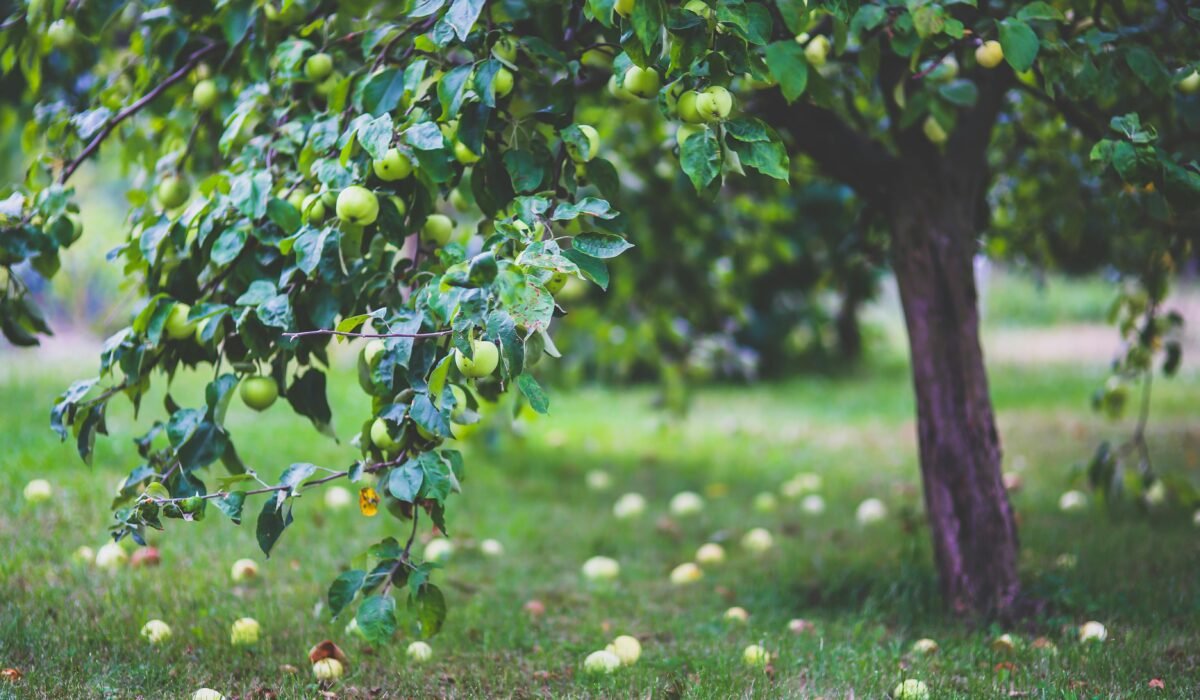
Imagine biting into a perfectly ripe, juicy fruit, plucked straight from your own backyard. This dream of abundant, high-quality harvests isn’t just luck; it’s the result of thoughtful care, and at its heart lies effective fertilizing fruit trees. Providing your trees with the right nutrients at the right time is paramount for their health, vigor, and prolific fruit production.
Just like any living organism, fruit trees need a balanced diet to thrive. Understanding what your trees need, when they need it, and how to deliver it can transform your orchard from simply surviving to truly flourishing. Let’s delve into the science and art of feeding your fruit trees for maximum yield and robust health.
Why Fertilization is Crucial for Fruit Trees
Fruit trees are heavy feeders, especially when they are actively growing and producing fruit. Each year, they draw significant amounts of nutrients from the soil to support new leaf growth, develop strong branches, produce blossoms, and ripen their harvest. Without replenishment, the soil can become depleted, leading to a decline in tree health and fruit quality.
Proper fertilization ensures a steady supply of essential elements, fueling every critical stage of your tree’s life cycle. It promotes vigorous vegetative growth, which forms the framework for future fruit production. Adequate nutrients also enhance flowering and fruit set, leading to a more bountiful harvest.
Beyond yield, a well-nourished tree is a resilient tree. Optimal nutrient levels boost the tree’s immune system, making it more resistant to diseases and pests. It also improves the overall quality of the fruit, impacting its size, flavor, color, and even its storage life. In essence, fertilizing fruit trees is an investment in their long-term health and your continued enjoyment of delicious homegrown fruit.
The Role of Soil Testing in Fruit Tree Nutrition
The single most important step before you even think about applying fertilizer is to conduct a comprehensive soil test. Guessing your tree’s nutritional needs can lead to over-fertilization, which is often more detrimental than under-fertilization, causing issues like leaf burn, excessive vegetative growth at the expense of fruit, or environmental runoff. A soil test removes the guesswork.
Soil testing provides a detailed snapshot of your soil’s current nutrient levels, including macronutrients like Nitrogen (N), Phosphorus (P), and Potassium (K), as well as secondary nutrients (Calcium, Magnesium, Sulfur) and vital micronutrients. Crucially, it also reveals your soil’s pH level, which dictates how available these nutrients are to your tree’s roots. Most fruit trees thrive in a slightly acidic to neutral pH range of 6.0-7.0, though some, like blueberries, prefer more acidic conditions.
By understanding your soil’s specific composition, you can tailor your fertilization plan precisely, applying only what’s needed. This approach saves you money on unnecessary fertilizers, prevents nutrient imbalances, and minimizes environmental impact. It’s a foundational practice for any serious fruit grower.
How to Conduct a Soil Test
- Collect Samples: Using a clean trowel or soil probe, take 10-15 random samples from different spots around the tree’s drip line (the area directly under the outer canopy). Dig down 6-8 inches.
- Mix Thoroughly: Combine all samples in a clean bucket and mix them well to create a representative composite sample.
- Prepare for Submission: Follow the instructions provided by your local extension office or a reputable soil testing lab. Typically, you’ll need about 1-2 cups of dried soil.
- Interpret Results: Once you receive your report, it will usually include specific recommendations for fertilizer types and amounts based on your desired crop. Don’t hesitate to contact your extension office for help interpreting complex results.
For more insights into creating the best conditions for your trees, consider how soil health ties into overall plant success, much like selecting the right fruit varieties for your climate.
Understanding NPK Ratios and Micronutrients
Fertilizers are labeled with three numbers, representing the percentage by weight of Nitrogen (N), Phosphorus (P), and Potassium (K), in that order. These are the primary macronutrients, essential in larger quantities for plant growth.
The Big Three: NPK
- Nitrogen (N): Crucial for vigorous leafy growth and chlorophyll production, giving leaves their vibrant green color. Too much nitrogen can lead to excessive vegetative growth at the expense of fruit production, and make trees more susceptible to disease.
- Phosphorus (P): Essential for strong root development, flowering, and fruit production. It plays a key role in energy transfer within the plant.
- Potassium (K): Promotes overall tree vigor, disease resistance, and cold hardiness. It’s vital for fruit quality, influencing size, flavor, and sugar content.
The ideal NPK ratio for fertilizing fruit trees depends heavily on the tree’s age, species, and your soil test results. Young trees often benefit from higher nitrogen ratios (e.g., 20-10-10 or 12-6-6) to support rapid vegetative growth. Mature, fruiting trees typically require a more balanced fertilizer or one higher in phosphorus and potassium (e.g., 5-10-10, 10-10-20, or specialized formulas like 4-18-38 + CaMg for fruit set and sweetness). Citrus trees, for instance, often need more potassium than nitrogen, with ratios like 8-3-9.
Micronutrients: The Essential Trace Elements
While needed in smaller amounts, micronutrients are just as critical. Deficiencies can severely impact tree health and fruit yield. Key micronutrients for fruit trees include:
- Boron (B): Absolutely vital for successful pollination and early fruit set. A common deficiency can lead to poor fruit development.
- Calcium (Ca) & Magnesium (Mg): Important secondary nutrients that contribute to fruit quality, cell wall strength, and storage potential.
- Iron (Fe), Zinc (Zn), Manganese (Mn): Especially important for citrus and other fruit trees, deficiencies often manifest as interveinal chlorosis (yellowing between leaf veins).
Your soil test will indicate if any of these micronutrients are lacking. They can often be applied as foliar sprays for quick absorption, particularly boron during bloom time.
When and How to Fertilize Your Fruit Trees
Timing and application method are as important as the type of fertilizer you choose when fertilizing fruit trees. Incorrect timing can waste nutrients or even harm your trees.
When to Fertilize
The most crucial application window is typically in early spring, just before bud break or when new growth begins. This provides a vital nutrient boost as the tree emerges from dormancy and embarks on its most active growth phase. For heavy-bearing trees, a second, lighter application may be beneficial in early summer, after fruit set, to support the developing crop.
It’s generally advised to avoid late-season nitrogen fertilization. Applying nitrogen too late in the growing season can stimulate tender new growth that won’t have time to harden off before winter, making it highly susceptible to frost damage. Always aim to complete nitrogen applications by mid-summer at the latest, depending on your climate.
How Much to Apply
The exact amount of fertilizer depends on your soil test results, the tree’s age, and its species. A common guideline for deciduous fruit trees is to apply approximately 0.1 pound of actual nitrogen per year of the tree’s age, or per inch of trunk diameter, measured 1 foot above the ground. This should not exceed a maximum of 1.0 pound of actual nitrogen for a mature tree. For pears, this rate is often halved. Young trees (1-3 years old) typically need less, around 0.1 to 0.2 pounds of actual nitrogen. Observe your tree’s annual growth rate: healthy mature trees should show 6-8 inches of new shoot growth annually, while young trees should grow 12-18 inches. Less indicates a deficiency, more suggests over-fertilization.
How to Apply Fertilizer
The goal is to get the nutrients to the active root zone, which is generally located from about 1 foot away from the trunk out to the tree’s drip line. Avoid applying fertilizer directly against the trunk, as this can cause bark burn and isn’t where the feeder roots are concentrated.
- Broadcast Method: Evenly spread granular fertilizer over the soil surface within the drip line.
- Incorporation for Slow-Moving Nutrients: For phosphorus and potassium, which don’t move easily through soil, you can dig several small holes (6-12 inches deep) around the drip line with a soil auger or crowbar, then pour the fertilizer into these holes.
- Water In: Always water thoroughly after applying granular fertilizers to help dissolve the nutrients and carry them down to the roots.
- Foliar Feeding: For micronutrient deficiencies, especially boron, or for a quick boost, foliar sprays can be effective. Apply these directly to the leaves, ensuring good coverage.
For more detailed application guidance specific to different fruit tree types and regions, resources like the University of New Hampshire Extension offer excellent advice.
Choosing Between Organic and Synthetic Fertilizers
The choice between organic and synthetic fertilizers for fruit trees often depends on your gardening philosophy, immediate needs, and long-term soil goals. Both have distinct advantages.
Organic Fertilizers
Organic options, derived from natural sources, are celebrated for their ability to improve long-term soil health. They release nutrients slowly as they break down, providing a steady supply over time and reducing the risk of nutrient leaching. They also feed beneficial soil microbes, enhancing soil structure, water retention, and overall ecosystem health. Examples include:
- Compost: A rich source of diverse nutrients and organic matter, improving soil structure and microbial life.
- Well-rotted Manure: Provides NPK and micronutrients, but ensure it’s well-aged to avoid burning plants.
- Blood Meal (approx. 13-0-0): High in nitrogen, promoting leafy growth.
- Feather Meal (approx. 12-0-0): Another slow-release nitrogen source.
- Bone Meal (approx. 3-15-0): Excellent for phosphorus, supporting root and fruit development.
- Organic Cottonseed Meal (approx. 5-2-1): A balanced, slow-release option.
The main drawback is that nutrient ratios can be less precise, and their impact is slower, making them less ideal for correcting immediate, severe deficiencies.
Synthetic Fertilizers
Synthetic fertilizers are manufactured and typically offer precise NPK ratios, allowing for targeted nutrient delivery. They are often fast-acting, providing a quick boost to trees, which can be beneficial for correcting acute deficiencies. They come in various formulations:
- Granular: Common, easy to spread, often slow-release or quick-release.
- Liquid: Provides immediate nutrient availability, often used for foliar feeding or direct root application.
- Controlled-release: Designed to release nutrients over an extended period, reducing the need for frequent applications.
However, synthetic fertilizers can pose risks if misused. Over-application can lead to leaf burn, environmental runoff, and can potentially harm beneficial soil microbes. They generally do not contribute to improving soil structure in the same way organic matter does.
Many growers adopt a hybrid approach, using organic amendments for long-term soil building and health, supplemented by targeted synthetic applications when specific deficiencies are identified by soil tests, or during critical growth stages.
Identifying and Correcting Nutrient Deficiencies
Your fruit trees often communicate their nutritional needs through visual cues. Learning to read these signs is crucial for timely intervention and maintaining tree health. However, remember that symptoms can sometimes overlap with pest damage or diseases, so always consider a soil test for confirmation.
Common Deficiency Symptoms
- Stunted Growth: A general indicator of insufficient nutrients, especially nitrogen. Young trees should grow 12-18 inches annually, mature trees 6-8 inches. Less than this suggests a problem.
- Yellowing Leaves (Chlorosis):
- Overall Pale Green/Yellow: Often a sign of nitrogen deficiency, starting with older leaves.
- Interveinal Chlorosis (Yellowing between green veins): Common for iron, zinc, or manganese deficiency, often seen in younger leaves first.
- Purplish or Bronzed Leaves: Can indicate phosphorus deficiency, especially on older leaves.
- Scorched Leaf Edges: A classic symptom of potassium deficiency. Leaves may also appear dull or droopy.
- Poor Flowering or Fruit Set: Can point to deficiencies in phosphorus, potassium, or boron.
- Small, Malformed, or Poorly Colored Fruit: Often linked to insufficient potassium, calcium, or micronutrients.
- Early Fruit Drop: Can be caused by various factors, including nutrient imbalance.
If you observe these symptoms, the first step is always to re-test your soil to confirm the specific deficiency. Once confirmed, you can take targeted action:
- Nitrogen Deficiency: Apply a nitrogen-rich fertilizer like blood meal, feather meal, or a synthetic fertilizer with a high first number (e.g., 20-10-10).
- Phosphorus Deficiency: Use bone meal or a fertilizer with a higher middle number (e.g., 3-15-0, 5-10-10).
- Potassium Deficiency: Apply a high-potassium fertilizer such as greensand, kelp meal, or a synthetic formula with a high third number (e.g., 0-0-60, 10-10-20).
- Micronutrient Deficiencies (Iron, Zinc, Manganese): Often best corrected with specific chelated micronutrient sprays applied to the foliage, as soil applications can be less effective due to soil pH.
- Boron Deficiency: A foliar spray of borax or a specialized boron product during bloom can be highly effective for fruit set.
Remember that over-fertilization can also mimic deficiency symptoms or cause its own set of problems, such as fertilizer burn or excessive vegetative growth at the expense of fruit. Always follow application rates carefully. For more comprehensive guidance on maintaining healthy trees, refer to resources on troubleshooting fruit tree diseases & pests, as healthy, well-fed trees are more resistant.
Advanced Tips for Maximum Fruit Yield
Once you’ve mastered the basics of fertilizing fruit trees, consider these advanced strategies to push your yields and fruit quality to their peak.
Precision Fertilization
Modern horticulture emphasizes precision fertilization, tailoring nutrient applications to the exact needs of the tree at different growth stages. This goes beyond general guidelines and considers tree age, species, variety, and even specific annual growth rates. For example, young trees require more nitrogen for vegetative growth, while mature, fruiting trees need balanced or higher potassium ratios to support fruit development and quality. Technologies like China’s ‘5416’ precision fertilization scheme for grapes illustrate this trend, optimizing fertilizer amounts and ratios across growth stages for targeted yields and quality.
Foliar Feeding for Quick Boosts
While most nutrients are absorbed through the roots, foliar feeding—applying liquid nutrients directly to the leaves—offers a rapid way to correct micronutrient deficiencies or provide a quick boost during critical periods, such as bloom or fruit set. Boron, for instance, is often most effectively applied as a foliar spray to ensure good pollination and fruit development.
The Power of Mulching
Applying a layer of organic mulch (such as wood chips, straw, or compost) around the base of your fruit trees offers multiple benefits. Mulch helps to:
- Conserve soil moisture, reducing the need for frequent watering.
- Suppress weeds, which compete for nutrients and water.
- Regulate soil temperature, protecting roots from extreme heat and cold.
- Slowly release nutrients into the soil as it decomposes, enhancing soil fertility and structure over time.
Ensure the mulch layer is 2-4 inches deep and kept a few inches away from the tree trunk to prevent moisture buildup and disease.
Integrated Nutrient Management
Achieving maximum yield isn’t just about fertilizer; it’s about an integrated approach to tree care. This includes:
- Proper Watering: Essential for nutrient uptake and overall tree health. Consistent moisture helps dissolve soil nutrients, making them available to roots.
- Effective Pruning: Directs the tree’s energy towards fruit production and maintains an open canopy for better light penetration and air circulation.
- Pest and Disease Management: Healthy, well-nourished trees are more resilient, but timely intervention for pests and diseases is still crucial.
- Variety Selection: Choosing fruit varieties suited to your climate and local conditions will naturally lead to better performance.
Leading agricultural companies like Nutrien Ltd., Yara International ASA, and The Mosaic Company are continuously innovating with advanced product formulations, including controlled-release and water-soluble solutions, often integrated with digital agronomy tools for optimized nutrient delivery. For comprehensive guidance on managing your fruit trees, resources like the University of Arizona Cooperative Extension offer valuable, research-backed insights. Moreover, understanding specific soil needs for different crops can be found through university resources, such as the Penn State College of Agricultural Sciences soil test recommendations for tree fruits.
By combining these advanced techniques with a solid understanding of basic fertilization principles, you can cultivate an orchard that consistently delivers abundant, high-quality fruit year after year.
Conclusion
The journey to maximizing fruit yield and ensuring the long-term health of your fruit trees is a rewarding one, rooted in thoughtful and precise nutrition. Mastering the art of fertilizing fruit trees means moving beyond guesswork and embracing a scientific approach tailored to your specific environment and tree needs.
Remember, the cornerstone of any successful fertilization program is a thorough soil test, which illuminates the unique nutritional landscape of your garden. Armed with this knowledge, you can strategically apply the right balance of NPK and micronutrients, at the optimal times, using methods that benefit both your trees and the environment. Whether you choose the slow-release benefits of organic amendments or the targeted precision of synthetic fertilizers, consistency and observation are key.
By implementing these strategies, you’re not just feeding your trees; you’re investing in their vitality, resilience, and the promise of future bountiful harvests. So, roll up your sleeves, get that soil test done, and embark on a path to healthier trees and the sweetest, most abundant fruit you’ve ever imagined!







