
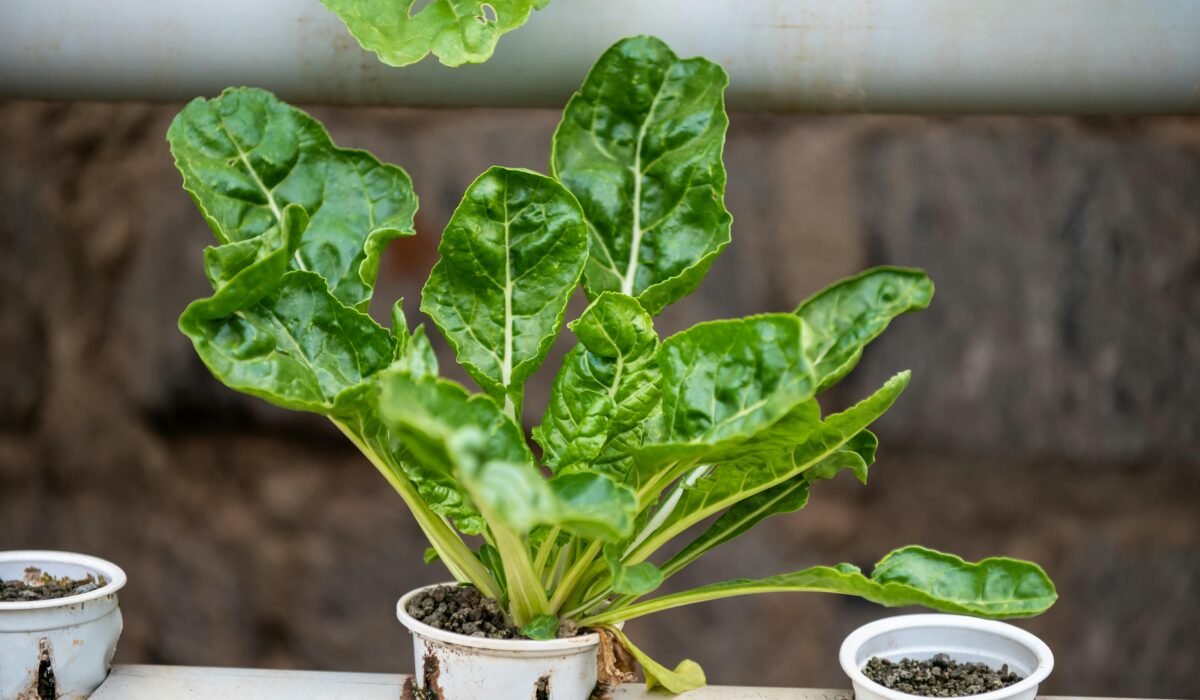
Embarking on the journey of hydroponics opens up a world of gardening possibilities, allowing you to grow lush plants without a single speck of soil. But the secret to this soilless success lies not in dirt, but in perfectly balanced hydroponic nutrient solutions – the lifeblood of your plants.
For beginners, the idea of mixing these solutions can seem daunting, akin to a complex chemistry experiment. However, with the right knowledge and a step-by-step approach, you’ll discover that preparing your plant’s perfect meal is both straightforward and incredibly rewarding. This guide will demystify the process, ensuring your hydroponic garden thrives from the start.
What Are Hydroponic Nutrient Solutions?
Hydroponic nutrient solutions are precisely formulated water-based mixtures containing all the essential mineral elements plants need to grow. Unlike traditional soil gardening, where plants extract nutrients from the soil, hydroponics delivers these vital minerals directly to the roots. This direct delivery system allows for unparalleled control over plant nutrition, leading to faster growth, higher yields, and healthier produce.
The global hydroponics nutrients market is a testament to the effectiveness and growing popularity of this cultivation method. Projected to reach approximately USD 2.3 billion in 2025 and an estimated USD 4.3 billion by 2035, the industry is booming, driven by advancements and a growing demand for fresh, locally grown food. This growth underscores the critical role that specialized nutrient solutions play in modern agriculture.
Essentially, a hydroponic nutrient solution is your plant’s complete diet, dissolved in water. It’s a carefully balanced cocktail designed to support every stage of a plant’s life cycle, from vigorous vegetative growth to abundant flowering and fruiting. Without the right solution, your hydroponic system, no matter how advanced, simply won’t perform.
Essential Nutrients: Macronutrients & Micronutrients
Just like humans, plants require a balanced diet of both major and minor nutrients to flourish. These are broadly categorized into macronutrients and micronutrients, each playing a distinct yet crucial role in plant physiology. Understanding these components is the first step toward mastering your hydroponic nutrient solutions.
Macronutrients: The Big Eaters
Macronutrients are those elements plants need in relatively large quantities. There are six primary macronutrients:
- Nitrogen (N): Essential for vegetative growth, leaf development, and chlorophyll production (the green pigment responsible for photosynthesis).
- Phosphorus (P): Crucial for root development, flowering, fruiting, and energy transfer within the plant.
- Potassium (K): Supports overall plant vigor, regulates water uptake, enhances disease resistance, and plays a role in fruit quality.
- Calcium (Ca): Vital for cell wall formation, strengthening plant tissues, and regulating nutrient transport.
- Magnesium (Mg): A central component of chlorophyll, essential for photosynthesis and enzyme activation.
- Sulfur (S): Involved in protein synthesis, enzyme activity, and the formation of vitamins.
A deficiency in any of these macronutrients can severely stunt growth and impact plant health. For instance, yellowing leaves often indicate a nitrogen deficiency, while poor flowering might point to insufficient phosphorus.
Micronutrients: Small but Mighty
Micronutrients, though required in smaller amounts, are no less critical. They act as catalysts for various enzymatic reactions and cellular processes. The key micronutrients include:
- Iron (Fe): Essential for chlorophyll formation and enzyme function.
- Manganese (Mn): Involved in photosynthesis, respiration, and nitrogen assimilation.
- Zinc (Zn): Plays a role in enzyme activity and growth hormone production.
- Copper (Cu): Important for photosynthesis, respiration, and carbohydrate metabolism.
- Boron (B): Crucial for cell wall formation, cell division, and pollen development.
- Molybdenum (Mo): Necessary for nitrogen fixation and nitrate reduction.
Even a slight deficiency in a micronutrient can lead to significant problems, manifesting as stunted growth, discolored leaves, or poor fruit development. Therefore, a complete and balanced nutrient solution is paramount for hydroponic success.
Understanding pH and EC for Hydroponic Success
Beyond simply having the right nutrients, ensuring they are available for your plants to absorb is equally vital. This is where pH and EC levels come into play. These two measurements are the bedrock of successful hydroponic cultivation, directly influencing nutrient uptake and plant health.
What is pH and Why Does it Matter?
pH stands for “potential hydrogen” and measures the acidity or alkalinity of your nutrient solution. It’s measured on a scale from 0 to 14, with 7 being neutral. Below 7 is acidic, and above 7 is alkaline (or basic).
For most hydroponic plants, an optimal pH range is between 5.5 and 6.5. This slightly acidic range ensures that all essential macronutrients and micronutrients remain soluble and bioavailable for plant roots to absorb. If the pH drifts too high or too low, certain nutrients can become “locked out,” meaning they are present in the solution but inaccessible to the plant, leading to deficiencies even when the nutrients are physically there.
What is EC and Why Does it Matter?
EC stands for “Electrical Conductivity” and measures the total concentration of dissolved salts (nutrients) in your solution. Essentially, it tells you how strong your nutrient solution is. A higher EC indicates a higher concentration of nutrients, while a lower EC means a weaker solution.
The ideal EC level varies depending on the plant type and its growth stage. Generally, most hydroponic plants thrive with an EC between 0.8 and 2.5 mS/cm (milliSiemens per centimeter). For example, lettuce typically prefers an EC between 1.2 and 1.8 mS/cm, while fruiting plants like tomatoes might require a higher EC during their flowering and fruiting stages.
Monitoring EC is crucial to prevent nutrient burn (too high EC) or nutrient deficiencies (too low EC). Regularly checking these levels allows you to adjust your solution to meet your plants’ specific needs, ensuring they receive the perfect amount of food without stress.
Step-by-Step: Mixing Your Hydroponic Nutrient Solution
Now that you understand the “what” and “why,” let’s get to the “how.” Mixing your hydroponic nutrient solution correctly is a precise process that, once learned, becomes second nature. Always remember to read the specific instructions provided by your nutrient manufacturer, as concentrations can vary.
Gather Your Tools
Before you begin, ensure you have the following essential tools:
- Clean Reservoir: A properly sized container for your nutrient solution.
- Fresh Water: Preferably filtered or reverse osmosis (RO) water to start with a clean slate.
- Hydroponic Nutrients: Typically a two-part or multi-part system (e.g., “Grow” and “Bloom” formulas, plus a Cal-Mag supplement).
- Measuring Cups/Syringes: For accurate dosing of liquid nutrients.
- pH Meter and EC Meter: Digital meters are highly recommended for accuracy.
- pH Up and pH Down Solutions: To adjust your pH levels.
- Stirring Utensil: A clean stick or paddle to mix the solution thoroughly.
Prepare Your Water
Start by filling your reservoir with the appropriate amount of water. Water quality is paramount in hydroponics. If you’re using tap water, it’s wise to test it for pH, alkalinity, and any dissolved solids (which will contribute to your starting EC). Many growers prefer using filtered or RO water to eliminate variables and have complete control over the solution’s composition.
Allow your water to sit for a few hours, or even overnight, if using tap water. This allows chlorine to dissipate, which can be harmful to beneficial microbes and plant roots. Always check your water’s baseline pH and EC before adding any nutrients.
Add Nutrients in the Correct Order
This is perhaps the most critical step. Most multi-part nutrient systems require specific mixing orders to prevent nutrient lockout or precipitation, where elements combine to form solids that are unavailable to plants. A common recommendation is to add each part separately and mix thoroughly before adding the next.
- Add Part A (e.g., “Grow” formula or Calcium Nitrate): Measure the recommended amount based on your plant’s growth stage and reservoir volume. Pour it into the water and stir vigorously until fully dissolved.
- Add Part B (e.g., “Bloom” formula or Magnesium Sulfate/Epsom Salt): Measure and add Part B, stirring well after. This staggered approach is crucial for two-part systems, as it prevents calcium from reacting prematurely with sulfates and phosphates, which can cause them to precipitate out of the solution.
- Add Supplements (e.g., Cal-Mag, Bloom Boosters): If you’re using any additional supplements, add them now, one at a time, mixing thoroughly after each addition. Always prioritize your base nutrients before adding boosters.
Important Safety Note: Never mix concentrated nutrient solutions directly together outside of the reservoir water. This can cause chemical reactions that lead to precipitation, rendering the nutrients unusable. Always dilute each part in water individually.
Adjust pH and EC
After all your nutrients are thoroughly mixed, it’s time to measure and adjust your pH and EC levels. This step ensures your plants can actually access the food you’ve provided.
- Measure EC: Use your EC meter to check the solution’s concentration. If it’s too high, add fresh water to dilute it. If it’s too low, add a small amount of your base nutrients (maintaining the correct ratio) until the desired EC is reached. Remember that different plants have different needs; for instance, lettuce typically thrives with an EC between 1.2 and 1.8 mS/cm.
- Measure pH: Once your EC is dialed in, use your pH meter to check the solution’s pH. If it’s too high, add a tiny amount of “pH Down” solution, stir, and re-measure. If it’s too low, add “pH Up.” Make small adjustments, as these solutions are potent. Aim for the optimal range of 5.5 to 6.5.
Mix Thoroughly and Monitor
Give the entire solution a final, thorough stir to ensure everything is evenly distributed. Your hydroponic nutrient solution is now ready for your plants! Remember that pH and EC can drift over time due to plant uptake and water evaporation. Regular monitoring (daily or every other day) is key to maintaining optimal conditions. You’ll thank yourself for this diligence when you see your plants flourishing.
Common Mistakes & Troubleshooting Nutrient Issues
Even with a perfect mixing guide, beginners can encounter challenges. Identifying and addressing common mistakes quickly is crucial for the health of your hydroponic garden. Understanding these issues will help you troubleshoot hydroponic deficiencies and other problems before they become severe.
Incorrect pH or EC
This is by far the most frequent issue. An out-of-range pH can lock out essential nutrients, leading to deficiencies despite their presence in the solution. Similarly, an EC that’s too high can cause nutrient burn, while an EC that’s too low will starve your plants.
- Troubleshooting: Regularly monitor both pH and EC. If levels are off, adjust immediately using pH Up/Down or by diluting with fresh water (for high EC) or adding more nutrients (for low EC). Recalibrate your meters periodically to ensure accuracy.
Overfeeding or Underfeeding
Nutrient burn occurs when plants receive too high a concentration of nutrients (high EC), causing leaves to brown or “burn” at the tips and edges. Underfeeding, conversely, leads to nutrient deficiencies, where plants lack specific elements.
- Troubleshooting: Start with conservative nutrient doses, especially as a beginner. Observe your plants closely. If you see signs of burn, dilute your solution. If you see signs of deficiency (e.g., yellowing leaves, stunted growth), check your EC first. Consult a nutrient deficiency chart to identify specific issues and adjust your mix accordingly.
Poor Water Quality
Using tap water without understanding its composition can introduce unwanted minerals, high alkalinity, or chlorine, all of which can throw off your carefully balanced nutrient solution. High alkalinity, for instance, can make it very difficult to stabilize pH.
- Troubleshooting: If possible, use filtered or reverse osmosis (RO) water. If using tap water, test it initially for alkalinity, pH, and dissolved solids. Let tap water sit for 24 hours to off-gas chlorine. You may need to use more pH Down to counteract high alkalinity.
Not Changing Solution Regularly
Over time, nutrient solutions degrade, pH drifts, and unused mineral salts can build up, becoming toxic. “Topping off” with fresh water and nutrients without a full change can exacerbate these problems.
- Troubleshooting: Commit to a regular solution change schedule, typically every 7 to 14 days. This ensures your plants always have access to a fresh, balanced, and clean nutrient supply.
By being vigilant and understanding these common pitfalls, you can quickly troubleshoot issues and keep your hydroponic garden flourishing.
When to Change Your Hydroponic Nutrient Reservoir
Maintaining a fresh and balanced nutrient solution is as important as mixing it correctly in the first place. While you’ll regularly “top off” your reservoir with fresh water (as plants absorb water but leave nutrients behind), a complete solution change is crucial for sustained plant health. The general recommendation is to completely change your hydroponic nutrient reservoir every 7 to 14 days.
There are several compelling reasons for this regular refresh:
- Nutrient Depletion and Imbalance: Plants don’t absorb all nutrients at the same rate. Over time, certain elements will be depleted faster than others, leading to an imbalance. A complete change resets this balance.
- pH Drift: As plants take up nutrients, they release ions that can cause the pH of the solution to gradually drift. While you can adjust pH between changes, a complete refresh stabilizes it.
- Salt Buildup: Even with careful monitoring, unused mineral salts can accumulate in the reservoir and on plant roots. This buildup can become toxic, hinder nutrient uptake, and even clog your system components.
- Pathogen Prevention: Stagnant or old nutrient solutions are more susceptible to developing algae, bacteria, and other pathogens that can harm your plants. A fresh solution reduces this risk.
- Oxygen Levels: Over time, dissolved oxygen levels in the solution can decrease, especially if aeration is insufficient. A fresh solution, combined with proper aeration, ensures roots receive adequate oxygen.
Between full changes, you’ll need to monitor your reservoir and top it off with fresh, pH-adjusted water. This accounts for the water plants transpire. Only add more nutrients if your EC meter indicates the concentration has dropped below the desired range after topping off, and even then, only in very small, balanced amounts.
For high-demand plants or during peak flowering/fruiting stages, you might opt for more frequent changes (e.g., weekly). Conversely, for very young plants or slow-growing herbs, you might stretch it closer to 10-14 days. Always observe your plants; they are the best indicators of whether your solution needs attention.
Choosing the Right Nutrient System: Pre-mixed vs. DIY
As a beginner, navigating the array of hydroponic nutrient systems can feel overwhelming. The choice generally boils down to convenience versus control and cost-effectiveness: pre-mixed solutions or mixing your own from raw salts. Understanding the pros and cons of each will help you select the best fit for your growing journey.
Pre-mixed (Commercial) Nutrient Systems
Commercial hydroponic nutrient solutions are the most popular choice, especially for beginners. These come in various forms:
- One-Part Solutions: All nutrients are in a single bottle. While simple, they often have limitations in specific plant stages due to potential precipitation of certain elements if highly concentrated.
- Two-Part Solutions: This is the most common and recommended starting point. Nutrients are divided into two bottles (e.g., “Grow” and “Bloom” or “Part A” and “Part B”) to prevent antagonistic reactions and precipitation. You mix them sequentially into your water. Brands like FoxFarm and General Hydroponics offer user-friendly two-part systems.
- Multi-Part Solutions: Some advanced systems, like General Hydroponics Flora Series (FloraGro, FloraBloom, FloraMicro), offer three or more parts, allowing for highly precise customization of nutrient ratios for different growth stages.
Pros of Pre-mixed Systems:
- Simplicity: Easy to use with clear instructions, minimizing mixing errors.
- Consistency: Formulated by experts to provide balanced nutrition.
- Availability: Widely available from reputable brands like Advanced Nutrients, Canna, and Botanicare.
- Specialization: Many brands offer specialized formulas for specific crops (e.g., leafy greens, tomatoes) or growth stages.
Cons of Pre-mixed Systems:
- Cost: Can be more expensive per gallon compared to DIY options.
- Less Control: While excellent, they offer less fine-tuned control over individual elemental ratios than raw salts.
The market for commercial nutrients is robust, with synthetic nutrients still holding a dominant share (69.1% in 2025) due to their precise elemental ratios. However, the demand for organic hydroponic nutrients is rapidly growing at approximately 12% annually, driven by consumer preference for chemical-free produce. These use natural, bioavailable sources like compost teas and seaweed extracts.
DIY (Do-It-Yourself) Nutrient Solutions
Mixing your own nutrient solution from raw mineral salts is an option for more experienced growers seeking maximum control and cost savings. This involves purchasing individual salts (e.g., Calcium Nitrate, Magnesium Sulfate/Epsom Salt, Monopotassium Phosphate) and combining them according to precise recipes, such as the well-known Hoagland solution.
Pros of DIY Systems:
- Cost-Effective: Raw salts are generally much cheaper per unit of nutrient.
- Ultimate Control: Allows for highly customized formulations tailored exactly to your plants’ needs at any stage.
- Educational: Provides a deeper understanding of plant nutrition.
Cons of DIY Systems:
- Complexity: Requires precise measurements, understanding of chemical interactions, and careful calculations.
- Risk of Error: Mistakes in formulation can easily lead to nutrient lockout or toxicity.
- Sourcing: Requires sourcing multiple specific chemical salts.
For beginners, starting with a high-quality two-part commercial nutrient system is highly recommended. It offers a balance of ease of use and effective results, allowing you to focus on learning other aspects of hydroponics without the added complexity of nutrient chemistry. As you gain experience, you might explore multi-part systems or even venture into DIY mixing for greater customization.
Ultimately, the right choice depends on your comfort level, budget, and desired level of control. Both approaches can lead to a thriving hydroponic garden when executed correctly.
Conclusion
Mastering hydroponic nutrient solutions is the cornerstone of successful soilless gardening. From understanding the essential macronutrients and micronutrients to precisely managing pH and EC levels, every step plays a vital role in providing your plants with the perfect diet. While the process may seem complex initially, with this guide, you now have the knowledge to confidently mix, monitor, and maintain your nutrient solutions.
Remember, consistency and observation are your best tools. Regularly check your pH and EC, follow a diligent reservoir change schedule, and always pay attention to what your plants are telling you. Whether you choose a convenient pre-mixed system or venture into DIY formulations, the rewards of a vibrant, productive hydroponic garden are well within your reach.
Ready to put your knowledge into practice? Start with a simple two-part nutrient system, monitor your progress, and watch your hydroponic plants flourish. Happy growing!







