
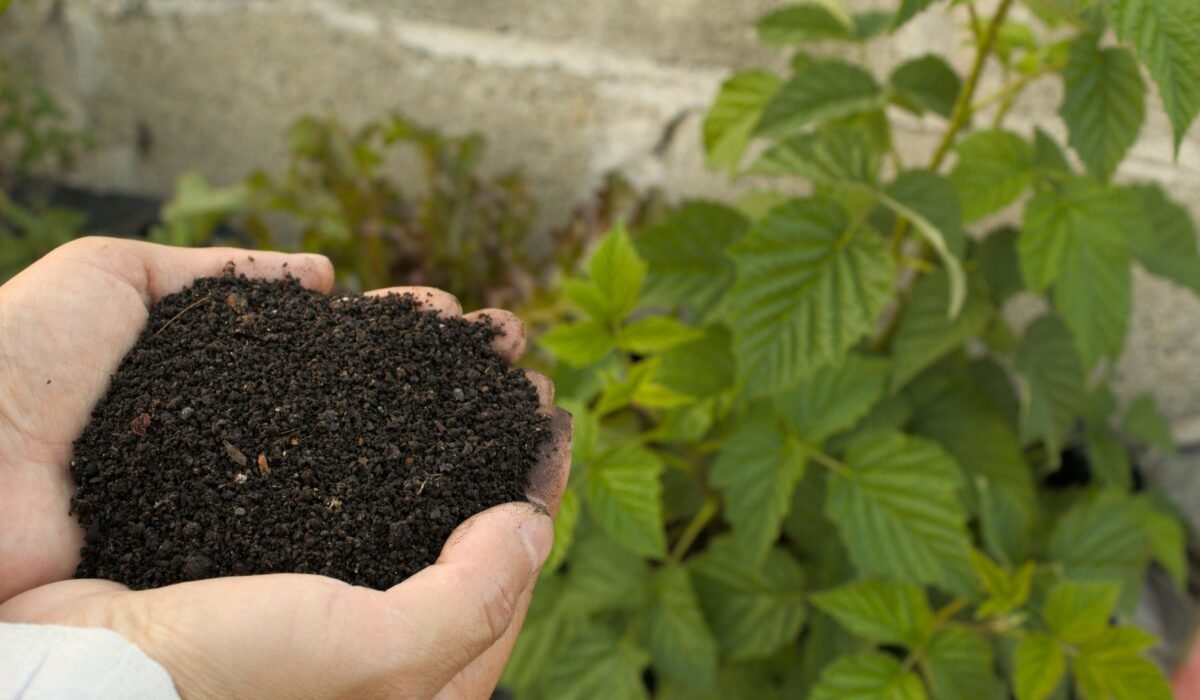
Are you searching for a natural, powerful way to rejuvenate your garden soil and supercharge your plants? Look no further than compost tea, an increasingly popular liquid gold for any Compost Tea Organic Garden enthusiast. This natural soil amendment harnesses the incredible power of beneficial microorganisms to transform your garden from the ground up.
Compost tea is more than just a fertilizer; it’s a living elixir that nurtures a thriving ecosystem beneath your plants. By introducing a diverse community of microbes and soluble nutrients, you can significantly enhance plant health, boost growth, and even help deter common garden diseases, all while staying true to organic principles.
What is Compost Tea and How Does it Work?
Compost tea is a liquid extract made by steeping finished compost in water, a process that transfers a concentrated dose of beneficial microorganisms and soluble nutrients into the liquid. Think of it as a nutrient-rich brew designed to deliver the goodness of compost directly to your plants and soil.
This organic solution is teeming with a diverse community of microscopic life, including bacteria, fungi, protozoa, and nematodes. These soil microbes play a crucial role in breaking down organic matter, making nutrients available to plants, and improving soil structure. When applied to your garden, compost tea essentially inoculates your soil and plants with these helpful organisms.
The primary way compost tea works is by enhancing the soil food web. Beneficial microbes colonize plant roots and soil particles, improving nutrient cycling and water retention. It can be applied as a soil drench to enrich the root zone or as a foliar spray to coat plant leaves, providing a protective barrier and direct nutrient uptake.
The efficacy and safety of compost tea largely depend on its preparation. Actively Aerated Compost Tea (AACT), which is continuously oxygenated during brewing, is the preferred method. This aeration ensures the proliferation of beneficial aerobic microbes, minimizing the risk of harmful anaerobic bacteria and potential human pathogens.
DIY Compost Tea: A Step-by-Step Brewing Guide
Brewing your own compost tea is a rewarding and relatively simple process, perfect for any gardener committed to natural soil amendment. Creating your own batch of this powerful plant growth booster gives you control over the ingredients and ensures a fresh, potent product for your Compost Tea Organic Garden.
Gather Your Essential Ingredients and Equipment
Before you begin, make sure you have the right components. Quality ingredients are paramount for a successful brew brimming with beneficial soil microbes.
- High-Quality Compost: This is the heart of your tea. Use well-aged, finished compost that is rich in organic matter and diverse microbial life. Avoid compost made with diseased plants or fresh manure, as these can introduce pathogens.
- Dechlorinated Water: Chlorine can kill beneficial microbes. Use rainwater, well water, or let tap water sit out for 24-48 hours to allow the chlorine to dissipate.
- Microbial Food Sources: These “activators” feed the microbes and encourage their reproduction during brewing. Common choices include unsulfured molasses (for bacteria), liquid kelp (for fungi and trace minerals), and fish hydrolysate (a broad-spectrum nutrient source).
- Brewing Vessel: A 5-gallon bucket or larger is ideal.
- Air Pump and Air Stone: Essential for actively aerated compost tea (AACT). An aquarium air pump with an air stone will provide the continuous oxygen needed.
- Compost Tea Bag (or old pillowcase/burlap): To hold the compost while steeping, making straining easier.
- Stirring Stick: For occasional mixing.
The Brewing Process: Your Step-by-Step Guide
Once you have everything ready, follow these steps to brew your own potent compost tea:
- Prepare Your Water: Fill your brewing vessel with dechlorinated water. Ensure the water temperature is between 60-70°F (15-21°C) for optimal microbial activity.
- Add Compost to the Tea Bag: Place 1-2 cups of quality compost into your mesh tea bag. This will allow the microbes and soluble nutrients to leach into the water while keeping solids contained.
- Submerge and Aerate: Submerge the tea bag in the water. Place the air stone into the bottom of the bucket, ensuring it creates a vigorous bubbling action. Turn on your air pump immediately.
- Introduce Microbial Food Sources: Add 1-2 tablespoons of unsulfured molasses, a splash of liquid kelp, and/or fish hydrolysate to the brewing water. These provide the necessary energy for the microbes to multiply rapidly.
- Brew for 24-36 Hours: Allow the tea to brew continuously with aeration for 24 to 36 hours. Brewing for too long (over 48 hours) can deplete oxygen and lead to anaerobic conditions, which are undesirable.
- Strain and Apply: Once brewing is complete, remove the tea bag and compost solids. You can add the spent compost back to your compost pile or directly to your garden beds. The resulting liquid is your concentrated compost tea, ready for use!
Use your freshly brewed compost tea within 4-6 hours. The microbial populations are most active and beneficial immediately after brewing.
Unleash the Power: Benefits for Your Organic Garden
Integrating compost tea into your gardening routine offers a wealth of advantages, making it a cornerstone of sustainable and productive organic gardening tips. This natural soil amendment acts as a powerful plant growth booster, promoting overall plant vitality and resilience.
One of the most significant benefits is the improvement of soil structure and water retention. The diverse soil microbes in compost tea help aggregate soil particles, creating a healthier, more porous environment. This allows roots to penetrate deeper and improves the soil’s capacity to hold moisture, reducing the need for frequent watering. University trials have even shown a 15-30% reduction in irrigation needs with early spring compost tea applications.
Compost tea also dramatically enhances soil fertility. The microbes convert complex nutrients into forms that plants can readily absorb, essentially acting as an organic plant food delivery system. This reduces your reliance on synthetic fertilizers, aligning perfectly with organic gardening principles and fostering a truly self-sustaining ecosystem.
Beyond nutrient delivery, compost tea stimulates robust plant root growth. Early season applications are particularly effective for encouraging explosive root development, which sets the stage for stronger, healthier plants throughout the growing season. A well-made actively aerated compost tea can contain up to four times as many microbes as regular compost, directly supercharging your soil’s biological activity.
While often touted for disease suppression, research, such as a two-year study by the Rodale Institute and Pennsylvania State University, indicated that compost tea offered more measurable benefits in stimulating crop growth, yield, and quality than in suppressing disease. However, the study did observe a notable 50% suppression of powdery mildew in treated grape plots in one year, demonstrating its potential for garden disease prevention. Some university trials have even shown a 40-60% reduction in disease pressure with consistent use.
“Compost tea offered more measurable benefits in stimulating crop growth, yield, and quality than in suppressing disease… 50% suppression of powdery mildew was observed in treated grape plots in one year.” – Rodale Institute Study
Applying Compost Tea: Best Practices & Dilution Rates
Once you’ve brewed your nutrient-rich compost tea, knowing how and when to apply it is key to maximizing its benefits for your Compost Tea Organic Garden. Proper application ensures the microbes and nutrients reach their target effectively, whether it’s the soil or plant foliage.
Application Methods: Soil Drench vs. Foliar Spray
You have two primary methods for applying compost tea, each with distinct advantages:
- Soil Drench: This is the most common method. Pour the diluted tea directly onto the soil around the base of your plants, ensuring it reaches the root zone. A soil drench directly inoculates the soil with beneficial microbes, improving soil structure, fertility, and nutrient availability. It’s particularly effective for enhancing overall soil health and stimulating root growth. This method is excellent for general garden maintenance and for newly planted seedlings or transplants.
- Foliar Spray: Spraying diluted compost tea directly onto plant leaves allows for direct nutrient absorption and provides a microbial barrier against foliar diseases. The microbes on the leaf surface can outcompete and inhibit the growth of pathogenic organisms. Ensure your sprayer creates a fine mist to cover the leaves thoroughly, both top and bottom. Foliar sprays are best applied in the early morning or late afternoon when temperatures are cooler and the tea won’t evaporate too quickly.
Recommended Dilution Rates and Timing
Compost tea is potent, so dilution is usually recommended, especially for young plants or frequent applications. The exact dilution depends on the concentration of your brew and your specific garden needs.
- General Soil Drench: Dilute your compost tea with 1 to 10 parts dechlorinated water (e.g., 1 part tea to 1-10 parts water). For established plants and robust soil, a 1:1 to 1:5 dilution is often used. For more sensitive plants or frequent applications, a 1:10 dilution is safer. Apply liberally around the root zone until the soil is moist.
- Foliar Spray: A more diluted solution is typically used for foliar applications, often 1 part tea to 5-10 parts dechlorinated water. Test on a small area first if you’re unsure.
- Seedlings and Young Plants: Use a highly diluted tea, around 1 part tea to 10-20 parts water, to avoid overwhelming delicate new growth.
Apply compost tea regularly throughout the growing season for best results. Early spring applications are highly beneficial for kickstarting root development and preparing the soil for vigorous growth. You can reapply every 2-4 weeks, or as needed, especially after heavy rains or periods of plant stress. For specific guidance on fertilizing, consider our advice on Fertilizing Fruit Trees: Maximize Yield & Health or Balcony Garden Fertilizers: Best Nutrients for Potted Plants, as compost tea can complement these strategies.
Safety First: Avoiding Pathogens in Homemade Compost Tea
While compost tea offers incredible benefits, especially for a natural Compost Tea Organic Garden, safety is paramount. The primary concern with homemade compost tea, particularly if not brewed correctly, is the potential for harmful pathogens like E. coli and Salmonella. These can be present in compost if it contains fresh animal manure or has not reached proper temperatures during composting.
The key to safe compost tea lies in creating an environment that favors beneficial aerobic microorganisms over potentially harmful anaerobic ones. This is why Actively Aerated Compost Tea (AACT) is strongly recommended. Continuous oxygenation during the brewing process prevents anaerobic conditions, which are ideal for the proliferation of human pathogens.
Best Practices for Pathogen Prevention
To ensure your compost tea is safe and effective, adhere to these critical guidelines:
- Use Only High-Quality, Finished Compost: Your compost should be fully decomposed, dark, crumbly, and have an earthy smell. Avoid using compost that contains any fresh manure, pet waste, or diseased plant material. The compost should have gone through a proper hot composting process to kill pathogens.
- Insist on Aeration: Always use an air pump and air stone to continuously oxygenate your brew. This ensures an aerobic environment where beneficial microbes thrive, outcompeting potential pathogens. Non-aerated methods (often called “compost leachate”) carry a higher risk.
- Maintain Optimal pH: The ideal pH range for brewing compost tea is typically between 6.5 and 7.5. This range supports the growth of most beneficial microbes and can inhibit some pathogens.
- Use Dechlorinated Water: Chlorine in tap water can kill beneficial microbes. Always use rainwater, well water, or let tap water sit out for at least 24 hours to allow chlorine to off-gas.
- Brew for the Correct Duration: Brew your tea for 24-36 hours. Brewing for too long can deplete oxygen in the water, leading to anaerobic conditions even with aeration, especially if the air pump is insufficient.
- Apply Immediately: Use your compost tea within 4-6 hours of brewing. The beneficial microbial populations are at their peak then. Storing tea, especially without aeration, can quickly lead to anaerobic conditions and pathogen growth.
- Practice Good Hygiene: Clean your brewing equipment thoroughly after each use. Wash your hands before and after handling compost tea.
By following these safety measures, you can confidently use homemade compost tea to boost your garden’s health naturally, without compromising the safety of your edible crops or your family.
Choosing Your Brew: Aerated vs. Non-Aerated Methods
When it comes to brewing compost tea for your Compost Tea Organic Garden, you’ll encounter two main approaches: actively aerated and non-aerated methods. Understanding the differences is crucial for creating a safe and beneficial product.
Actively Aerated Compost Tea (AACT)
AACT is the gold standard for compost tea brewing. This method involves continuously bubbling air through the water during the entire brewing process, typically for 24-36 hours. The constant oxygen supply creates an ideal environment for beneficial aerobic bacteria, fungi, protozoa, and nematodes to multiply rapidly.
The advantages of AACT are significant:
- Increased Microbial Diversity and Population: Aeration promotes the growth of a wide array of beneficial microorganisms, leading to a more potent and effective tea.
- Reduced Pathogen Risk: The aerobic environment actively suppresses the growth of harmful anaerobic bacteria, including human pathogens like E. coli and Salmonella. This makes AACT the safer choice, especially for edible crops.
- Consistent Quality: With proper aeration and ingredients, AACT tends to produce a more consistent and predictable microbial profile.
- Enhanced Benefits: The high concentration of active, beneficial microbes translates to greater improvements in soil health, plant growth, and disease suppression.
Non-Aerated Methods (Compost Leachate or Extracts)
Non-aerated methods, sometimes referred to as “compost leachate” or “compost watery extracts,” simply involve steeping compost in water without any added oxygen. This can be done by submerging a bag of compost in a bucket of water for several days or by collecting runoff from a compost pile.
While seemingly simpler, non-aerated methods carry notable drawbacks:
- Risk of Anaerobic Conditions: Without oxygen, the water quickly becomes anaerobic, favoring the growth of anaerobic bacteria. Many of these are not beneficial for plants, and some can be harmful pathogens.
- Unpredictable Microbial Profile: The microbial community in non-aerated extracts is often less diverse and less abundant in beneficial organisms compared to AACT.
- Potential for Pathogen Buildup: The lack of oxygen creates an environment where human pathogens, if present in the original compost, can multiply to dangerous levels. This makes non-aerated teas risky, particularly for use on edible plants.
- Offensive Odor: Anaerobic decomposition often produces foul smells, indicating the presence of undesirable organisms.
For these reasons, most organic gardening experts and researchers strongly recommend using the actively aerated method for brewing compost tea. While it requires a small initial investment in an air pump, the enhanced benefits and significantly reduced safety risks make it the superior choice for a healthy and thriving organic garden.
Embracing AACT ensures you’re providing your plants with the safest, most beneficial microbial boost possible, aligning perfectly with the goals of sustainable and productive organic gardening.
Compost tea is a powerful, natural tool for any dedicated organic gardener. By understanding its benefits, mastering the brewing process, and applying it correctly and safely, you can unlock the full potential of your soil and plants. This living elixir offers a sustainable path to vibrant growth, enhanced fertility, and natural disease resistance, making your Compost Tea Organic Garden truly flourish.
Ready to transform your garden naturally? Start brewing your own Actively Aerated Compost Tea today and witness the incredible difference it makes. Your soil, and your plants, will thank you!







