Are you struggling to get the most out of your hydroponic garden, wondering how to give your plants the space they truly need to thrive? Mastering proper hydroponic plant spacing guide is the single most impactful adjustment you can make to boost both growth and yield, ensuring every plant gets optimal access to light, air, and nutrients.
Why is Hydroponic Plant Spacing Crucial for Optimal Growth?
Proper hydroponic plant spacing isn’t just about aesthetics; it’s the foundation for a healthy, productive garden. When plants are too close, they compete fiercely for essential resources like light, air, and nutrients, leading to stunted growth and reduced yields. Conversely, too much space can be inefficient, wasting valuable grow area and resources.
Optimizing plant density directly impacts your garden’s overall health and productivity. Adequate spacing ensures each plant receives sufficient light penetration, which is vital for photosynthesis and strong growth. It also promotes robust airflow around the foliage, a critical factor in preventing fungal diseases and pest infestations that thrive in stagnant, humid environments.
Beyond the immediate benefits, strategic spacing also supports healthier root growth. In hydroponic systems, roots can intertwine and compete for nutrient solution access if plant density is too high, hindering their ability to absorb water and nutrients efficiently. This balance is especially important given that hydroponic systems already offer significant advantages in space and water efficiency, using approximately 90% less land and up to 10 times less water than traditional farming, as highlighted by the UNDP’s 2025 report on Controlled Environment Agriculture.
How to Determine Hydroponic Plant Spacing for Different Crops?
Determining the ideal spacing for your hydroponic plants involves considering several factors specific to each crop’s growth habits. The key is to anticipate the mature size of the plant, both above and below the surface, to prevent overcrowding. This proactive approach ensures each plant has ample room to develop without competing with its neighbors.
Understanding Plant Growth Habits
Different plants have distinct growth patterns that dictate their spacing requirements. Leafy greens like lettuce and spinach tend to spread horizontally, while fruiting plants like tomatoes and peppers grow larger and require more vertical space and support. Root vegetables, though less common in pure hydroponics, would also need specific considerations for their underground development.
Consider the anticipated canopy management needs for each crop. For instance, a small herb like basil will need less room than a large, bushy kale plant. The ultimate goal is to provide enough individual space for each plant to reach its full genetic potential without negatively impacting its neighbors or the system’s overall efficiency. This careful consideration is what leads to the best hydroponic spacing for your specific setup.
Hydroponic Plant Spacing Chart: Quick Reference for Popular Crops
This quick reference chart provides general guidelines for common hydroponic crops. Remember that these are starting points, and adjustments might be necessary based on your specific system, grow lights, and desired yield.
- Leafy Greens (e.g., Hydroponic Lettuce Spacing, Spinach, Arugula):
- Seedlings: 4-6 inches (10-15 cm) apart.
- Mature: 6-8 inches (15-20 cm) apart.
- Insight: A 2023 study on green butterhead lettuce found optimal spacing of 25 x 25 cm (approx. 10×10 inches) resulted in robust plant height, width, and wet weight. For romaine lettuce, research from McGill University in 2025 showed increasing planting distance from 6.3 cm to 8.8 cm increased fresh mass by 46% to 62.4% depending on cultivar and pattern.
- Herbs (e.g., Basil, Mint, Cilantro):
- Small Herbs: 4-6 inches (10-15 cm) apart.
- Bushier Herbs (e.g., Rosemary, Thyme): 8-10 inches (20-25 cm) apart.
- Observation: Many annual herbs can be grown closer together if you plan for frequent harvesting and pruning to manage their size.
- Fruiting Vegetables (e.g., Hydroponic Tomato Spacing, Peppers, Cucumbers):
- Small Varieties (e.g., Cherry Tomatoes, Bell Peppers): 12-18 inches (30-45 cm) apart.
- Large Varieties (e.g., Beefsteak Tomatoes, Large Cucumbers): 18-24 inches (45-60 cm) apart.
- Expert Tip: While some sources suggest 18 inches for larger plants like tomatoes, my experience with proper pruning techniques shows that 12 inches (30 cm) can be sufficient for many varieties, as noted by Proponics’ guide.
- Strawberries:
- 6-8 inches (15-20 cm) apart.
- Note: Strawberries tend to send out runners, which can quickly fill space if not managed.
Dynamic Spacing Strategies: Adjusting as Hydroponic Plants Mature
One of the most overlooked aspects of a truly effective hydroponic plant spacing guide is the concept of dynamic spacing. Plants don’t stay the same size from seedling to harvest, so why should their spacing remain static? Implementing dynamic spacing involves adjusting plant density as your crops progress through different growth stages.
From Seedling to Mature Plant
You can start seedlings closer together in a propagation tray or initial growth system to maximize space efficiency during their early, compact phase. As plants grow and their root systems and foliage expand, you’ll need to thin them out or transplant them into wider spacings. This prevents early competition and ensures each plant has the room it needs for robust development.
For example, you might start lettuce at 4-inch centers and then thin every other plant to achieve an 8-inch final spacing. This not only maximizes your initial grow area but also allows you to select the strongest plants for continued growth, contributing to overall yield optimization. Think of it as a staged approach to plant density, always anticipating the next growth spurt. This proactive management is a hallmark of truly maximizing hydroponic yield.
Optimizing Spacing for Specific Hydroponic Systems (DWC, NFT, Vertical)
The type of hydroponic systems you employ significantly influences optimal plant spacing. Each system has unique characteristics that affect how roots grow and how plants access nutrients, directly impacting your spacing decisions. Understanding these nuances is crucial for success.
Deep Water Culture (DWC) Spacing
In Deep Water Culture (DWC) systems, plants sit with their roots submerged in a nutrient-rich, aerated solution. The primary spacing consideration here is the size of the net pots and the potential for root intertwining. For smaller plants like lettuce or herbs, you might use 2-inch net pots spaced 6-8 inches apart. Larger plants such as tomatoes or peppers require 3- to 5-inch net pots and greater distances, typically 12-24 inches, to accommodate their extensive root masses and prevent them from tangling excessively. Overcrowding in DWC can lead to root rot due to reduced oxygen availability and increased competition.
Nutrient Film Technique (NFT) Spacing
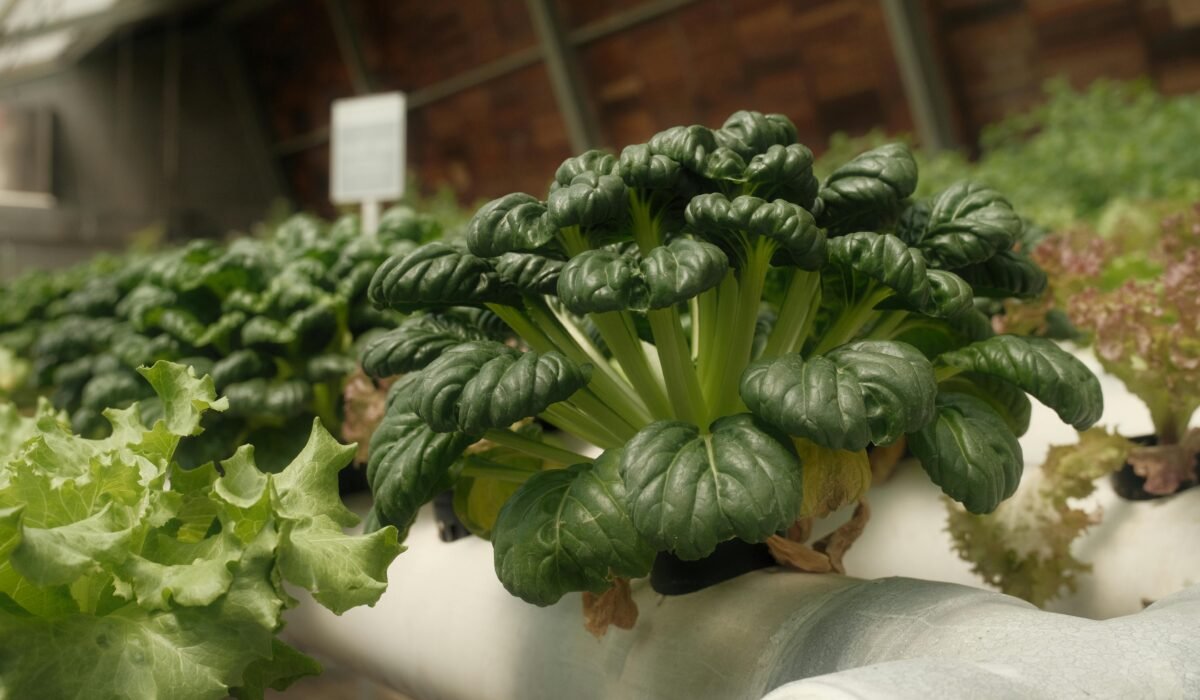
Nutrient Film Technique (NFT) systems typically use channels where a thin film of nutrient solution flows over the roots. Spacing in NFT is largely determined by the channel width and the size of the holes for net pots. For leafy greens, channels often have holes spaced 6-8 inches apart. The linear nature of NFT allows for efficient use of space, but root mats can still block channels if plants are too close or roots become overly dense. Strategic pruning of roots can sometimes extend the viable density.
Vertical Farming Spacing
Vertical farming systems, including popular options like the plant spacing for tower garden setups, are designed to maximize space efficiency by growing plants upwards. Spacing here refers to the distance between planting pockets on the vertical structure. For leafy greens and herbs, pockets are often 6-10 inches apart vertically and horizontally, depending on the tower design. For larger plants, you might skip pockets to provide more room, effectively creating wider spacing for fewer, larger plants. Managing light distribution is paramount in vertical systems, especially with denser plantings, often requiring careful placement of grow lights. You can find more specific advice on managing issues in these systems in our guide to Troubleshooting Vertical Garden Problems.
Advanced Airflow & Light Management for Dense Hydroponic Gardens
Achieving maximum yields in a densely spaced hydroponic garden goes beyond just arranging plants; it demands sophisticated airflow and light management. Overlooking these environmental factors can quickly negate the benefits of optimized plant spacing. The goal is to replicate nature’s best conditions, even in a compact setup.
Optimizing Airflow
Proper airflow is critical for preventing humidity buildup, which can lead to fungal diseases like powdery mildew, and for facilitating CO2 exchange. In dense gardens, you need more than just a single fan. Consider using oscillating fans placed strategically at different heights to ensure air circulates both above and within the plant canopy. Inter-canopy fans, though less common for hobbyists, can be revolutionary for commercial-scale dense setups, pushing air through the lower foliage where it often stagnates. Good air movement also strengthens plant stems, making them more robust.
Maximizing Light Penetration
With high plant density, lower leaves often get shaded, becoming less productive or even dying off. To combat this, strategic placement of grow lights is paramount. Consider using supplemental side lighting or inter-canopy lighting solutions, especially for taller, bushier plants. Different LED spectrums can also be employed to encourage specific growth patterns; for instance, a higher red light spectrum can encourage flowering, which might influence the need for more vertical space. Reflective materials on walls can also help bounce light back into the canopy, improving overall light distribution. For an even deeper dive into environmental controls, explore our article on CO2 Enrichment in Hydroponics.
Expert Tips for Maximizing Yields with Proper Hydroponic Spacing
Beyond the basic guidelines, several expert strategies can further enhance your hydroponic garden’s productivity when combined with intelligent spacing. These tips focus on proactive management and leveraging plant biology to your advantage.
Strategic Pruning and Training
Even with perfect spacing, plants can become unruly. Implementing consistent pruning techniques is essential, especially for fruiting plants like tomatoes and peppers. Removing suckers, lower leaves, and yellowing foliage directs energy to the most productive parts of the plant, improves airflow, and allows better light penetration to inner branches. For vine crops, trellising and training them vertically can save horizontal space and boost yields. Our guide on Trellising Vegetables offers more insights into maximizing harvests this way.
Consider Companion Planting (Hydroponic Style)
While traditional companion planting often involves soil benefits, the concept can be adapted for hydroponics. Pairing plants with different growth habits – for example, tall, slender plants next to shorter, spreading ones – can optimize vertical and horizontal space utilization without direct competition. Always ensure their nutrient and pH requirements are compatible within your hydroponic systems.
Monitor and Adjust
The most crucial expert tip is continuous observation. Your specific environmental conditions, nutrient regimen, and plant varieties will always have unique interactions. Regularly assess your plants for signs of stress, such as yellowing leaves from insufficient light or mildew from poor airflow. Be prepared to make small adjustments to spacing, pruning, or environmental controls based on what your plants are telling you. This iterative process is how you truly achieve yield optimization and the highest possible productivity. The global hydroponics market, projected to grow to USD 30.79 billion by 2034, underscores the increasing importance of these efficient cultivation practices. Source: Grand View Research
Frequently Asked Questions
How far apart should tomatoes be in a hydroponic system?
For hydroponic tomatoes, smaller varieties like cherry tomatoes can be spaced 12-18 inches (30-45 cm) apart, while larger varieties such as beefsteak tomatoes typically require 18-24 inches (45-60 cm) of spacing. This allows ample room for their extensive root systems, significant foliage, and fruit development, especially when combined with proper pruning and trellising.
What’s the best spacing for lettuce in hydroponics?
The best spacing for hydroponic lettuce is generally 6-8 inches (15-20 cm) apart for mature plants, though you can start seedlings closer and thin them. Research from 2025 on romaine lettuce showed that increasing planting distance from 6.3 cm to 8.8 cm significantly improved fresh mass, indicating that sufficient room for canopy and root development is key for maximizing yield.
Do all plants need the same amount of space to grow hydroponically?
No, all plants do not need the same amount of space to grow hydroponically; spacing requirements vary significantly based on the plant’s mature size, growth habit, and the type of hydroponic system used. Leafy greens need less space than bushy herbs, and fruiting plants like tomatoes or peppers demand considerably more room for their larger canopies and root systems.
What is the minimum area required to set up a basic hydroponics garden?
A basic hydroponics garden can be set up in a surprisingly small area, often just a few square feet for a compact system like a single DWC bucket or a small NFT channel system. The minimum area depends on the number and type of plants you intend to grow, with vertical farming solutions offering the most efficient use of limited space.
Mastering the art of hydroponic plant spacing is a game-changer for any grower looking to maximize their harvest and maintain vibrant, healthy plants. By applying these dynamic strategies, understanding system-specific needs, and diligently managing environmental factors, you’re not just growing plants – you’re cultivating an optimized ecosystem. Start experimenting with these techniques in your own garden today to unlock its full potential and enjoy unparalleled yields.