Key Takeaways
- The global beneficial insects market was valued at USD 1,051.90 million in 2025, according to market data.
- North America held the largest share of the beneficial insects market in 2025, accounting for 35.96%.
- Predatory mites were the largest segment by type in the beneficial insects market in 2025, generating USD 388.27 million.
- Fruits and vegetables dominate the crop type segment in the beneficial insects market with a 45.8% share in 2025.
- Beneficial insects help control pests, recycle nutrients, and improve soil quality, according to the Xerces Society.
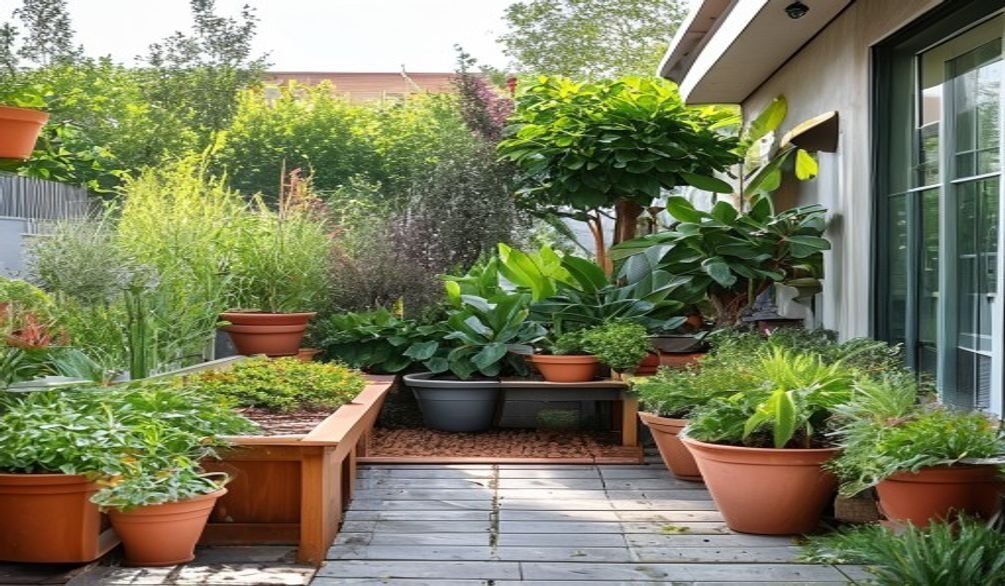
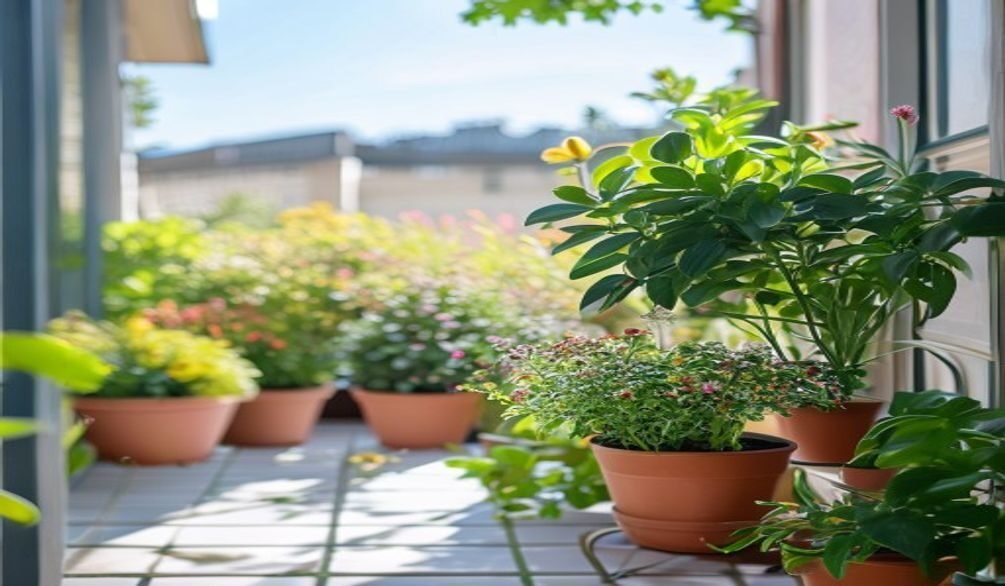
When monsoon season hits Mumbai, many balcony gardeners watch their plants struggle with humidity and sudden pest flare-ups. You want to protect your precious bhindi and pudina without resorting to harsh chemicals, right? That’s exactly why you need to learn how to **attract beneficial insects organic garden** style – it’s a natural, sustainable way to keep your plants thriving. This article will show you 12 simple, expert-backed ways to invite these garden heroes into your space, turning your terrace into a buzzing hub of natural pest control.
Quick Answer: To attract beneficial insects to your organic garden, provide diverse habitats with a variety of flowering plants, especially those with small, clustered blooms, offer water sources, and avoid chemical pesticides to create a healthy ecosystem.
Why are beneficial insects important for your organic garden?
Beneficial insects are absolutely crucial for maintaining a healthy, balanced organic garden ecosystem. They act as nature’s pest control, pollinate your plants, and even improve your soil. The global beneficial insects market was valued at USD 1,051.90 million in 2025 and is projected to grow to USD 1,183.12 million in 2026, showing just how much impact these tiny creatures have on agriculture, according to market projections.
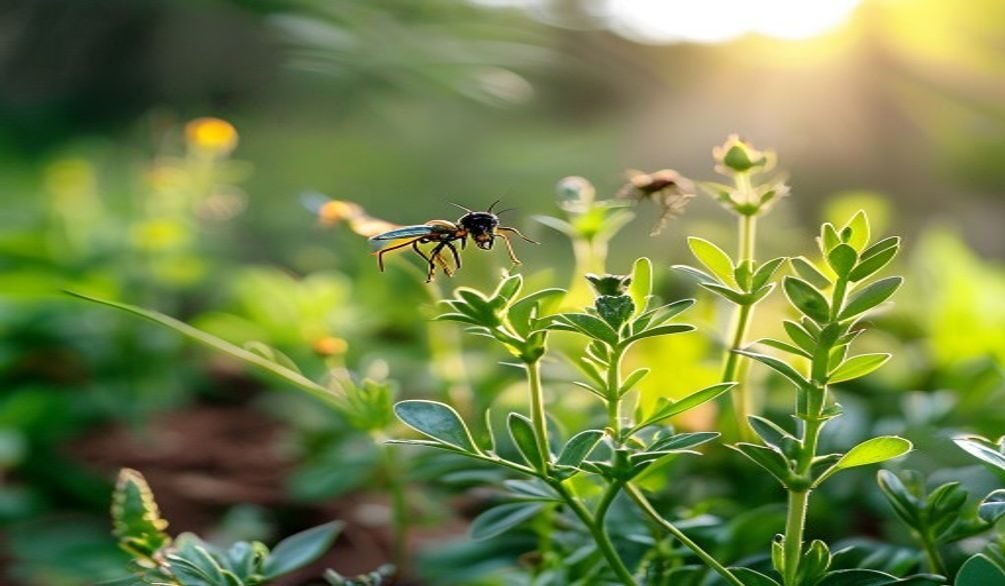
Honestly, relying on nature to do the heavy lifting is a game-changer for urban gardeners like us. These insects prey upon and parasitize crop pests, recycle nutrients, help decompose plant and animal waste, aerate and improve soil quality, and support other wildlife in vast food chains, according to the Xerces Society. This means less work for you and healthier plants without toxic chemicals. It’s all about creating garden biodiversity.
What attracts beneficial insects to your garden?
To truly attract beneficial insects to your organic garden, you need to provide three key things: food, water, and shelter. Think of your garden as a mini-ecosystem you’re building, and these elements are its foundation.
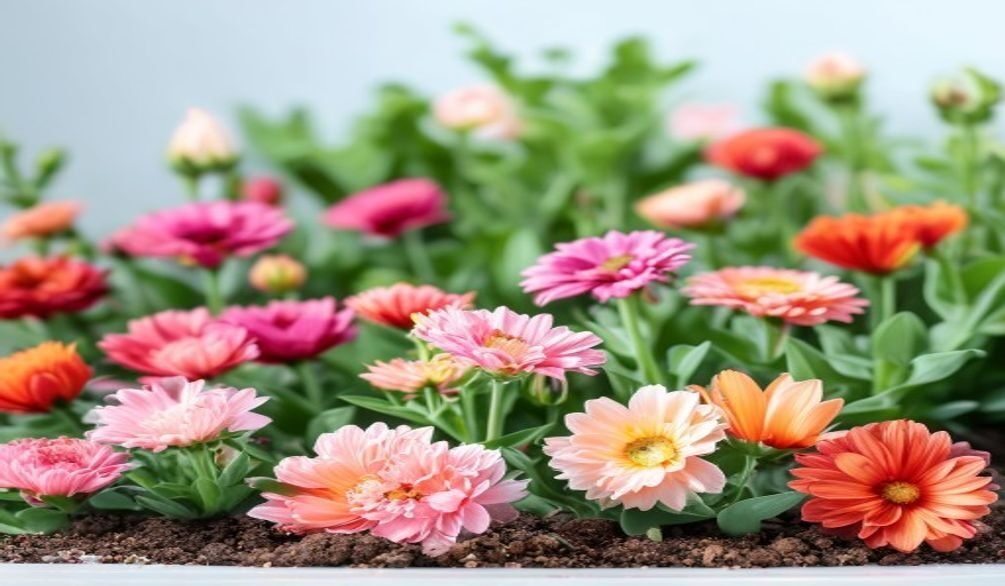
* **Diverse Flowering Plants:** This is the big one. Many beneficial insects, especially parasitic wasps and hoverflies, feed on nectar and pollen from specific types of flowers. They love small, clustered blooms.
* **Water Sources:** Even tiny insects need a drink! A shallow dish with pebbles or a moist patch of soil can make a huge difference.
* **Shelter and Overwintering Sites:** They need places to hide from predators, lay eggs, and survive harsh weather. This can be anything from leaf litter to native grasses.
You might have heard that buying and releasing beneficials is the best way to start, but in practice, a better approach in the home garden is to attract and encourage existing populations of beneficials, according to Penn State Extension (2023). It’s more sustainable and often more effective in the long run.
What are the best plants to attract beneficial insects?
The best plants to attract beneficial insects are those that offer a consistent supply of nectar and pollen, particularly varieties with small, accessible flowers. When you want to attract beneficial insects organic garden style, focusing on “insectary plants” is key.
Here are some top picks that work great in Indian conditions:
* **Sweet Alyssum (Lobularia maritima):** This is a fantastic choice for any balcony or terrace garden. It’s easy to grow, blooms profusely, and attracts a wide variety of beneficial insects, especially tiny parasitic wasps and hoverflies.
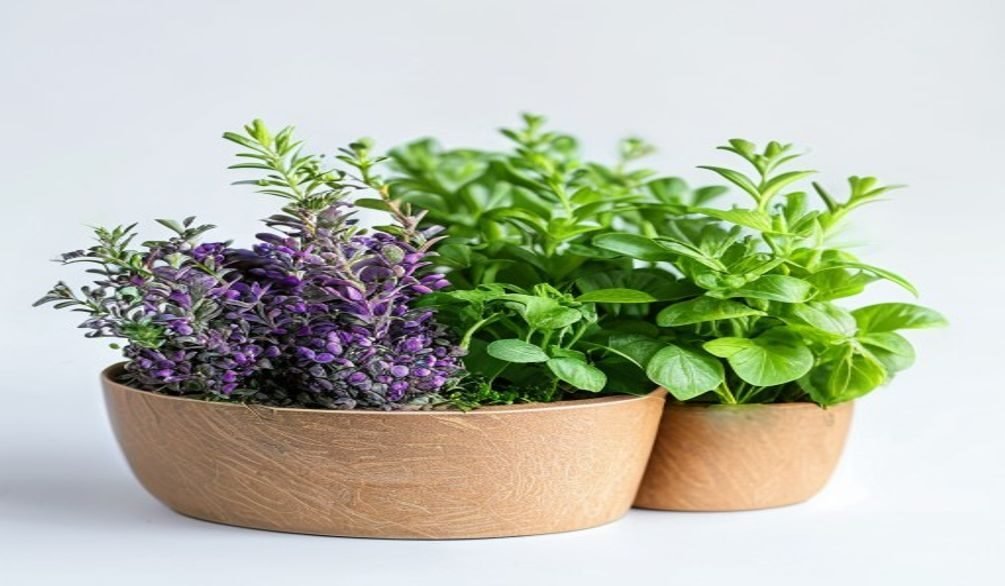
* **Dill, Coriander (Dhania), and Fennel:** These herbs, when allowed to flower, are magnets for many beneficial species. I’ve personally seen a huge increase in hoverflies around my flowering dhania plants in Pune.
* **Carrot Family (Apiaceae):** This includes plants like caraway, cilantro, and Queen Anne’s Lace. Their flat, umbrella-like flower clusters are perfect for small predatory insects.
* **Yarrow (Achillea millefolium):** Both common and fern-leaf varieties attract a great diversity of beneficial insects due to their wide, flat blooms.
* **Marigolds (Genda):** These common Indian garden flowers, especially the French marigolds, are known to deter some pests while attracting others like hoverflies.
* **Sunflower (Surajmukhi):** While larger, even dwarf varieties can provide nectar and pollen for pollinators and act as a tall perch for predatory insects.
* **Nasturtiums:** These can act as “trap plants,” attracting aphids away from your main crops, which then draws in ladybugs and hoverflies to feed on them. It’s a smart companion planting strategy to attract beneficial insects organic garden style.
| Plant Type | Key Beneficial Insects Attracted | Benefit to Garden |
|---|---|---|
| Sweet Alyssum | Parasitic Wasps, Hoverflies, Lacewings | Aphid control, general pest suppression |
| Dill, Coriander | Parasitic Wasps, Ladybugs, Hoverflies | Aphid, caterpillar control |
| Yarrow | Ladybugs, Lacewings, Predatory Beetles | Broad-spectrum pest control |
| Marigolds | Hoverflies, Ladybugs | Nematode suppression (roots), aphid control |
How do you create a habitat for beneficial insects?
Creating a welcoming habitat for beneficial insects goes beyond just planting flowers; it involves providing shelter, water, and diverse plant structures. You’re essentially building a mini-sanctuary to attract beneficial insects organic garden wide.
* **Provide Water:** A shallow dish with small stones or marbles offers a safe landing spot for insects to drink without drowning. Change the water regularly to prevent mosquito breeding.
* **Leave Some “Wild” Areas:** A small patch of native grasses or even a corner with undisturbed leaf litter can provide crucial overwintering sites for predatory insects. Don’t be too tidy!
* **Offer Shelter:** Consider adding a small “insect hotel” or simply leaving hollow stems from spent plants over winter. These provide nesting and resting spots.
* **Layered Planting:** Mix plants of different heights and densities. This creates microclimates and hiding spots, much like a natural forest floor.
* **Avoid Bare Soil:** Mulch with organic material like cocopeat or dried leaves. This helps retain moisture and provides shelter for ground-dwelling beneficials like ground beetles.
In my 10 years of experience with Indian terrace gardens, I’ve seen that even a small, neglected corner with some old plant debris can become a thriving home for lacewings and ladybugs. It’s about letting nature do its thing a little, rather than trying to control everything.
What are common beneficial insects and their roles?
Understanding the specific roles of different beneficial insects helps you tailor your garden to attract the ones you need most. These tiny allies are the backbone of natural pest control.
Here are some of the stars you want to attract beneficial insects organic garden style:
* **Ladybugs (Ladybird Beetles):** Both adults and their larvae are voracious predators of aphids, mealybugs, and other soft-bodied pests. One ladybug larva can eat hundreds of aphids before pupating.
* **Lacewings (Green and Brown):** Their larvae, often called “aphid lions,” are fierce predators of aphids, thrips, mites, and small caterpillars. Adults feed on nectar and pollen.
* **Hoverflies (Syrphid Flies):** These bee-mimicking flies have larvae that are excellent aphid predators. Adults are important pollinators, too.
* **Parasitic Wasps:** Often tiny, these wasps lay their eggs inside or on other insects (like caterpillars or aphids), eventually killing the host. They are incredibly effective natural pest control agents.
* **Ground Beetles:** Nocturnal predators that feast on slugs, snails, cutworms, and other soil-dwelling pests. They love sheltered, moist environments.
* **Spiders:** While technically not insects, spiders are generalist predators that will eat almost any pest they can catch. Don’t remove them!
The beneficial insects market is projected to grow at a 5.89% CAGR from 2025 to 2035, indicating a growing global recognition of their economic and ecological value.
How can you avoid harming beneficial insects?
Avoiding harm to beneficial insects is paramount if you want them to thrive and provide natural pest control in your organic garden. The simplest rule is to stay away from synthetic pesticides entirely.
* **Eliminate Chemical Pesticides:** This is non-negotiable. Even “organic” or “natural” sprays can harm beneficials. Penn State Extension advises that choosing insecticides carefully is crucial, as many beneficials are more sensitive than pests.
* **Use Targeted Pest Control:** If you must intervene, try physical removal (hand-picking caterpillars), strong water sprays for aphids, or neem oil as a last resort, applied carefully and only to affected plants.
* **Read Labels Carefully:** If you do use any product, check if it’s safe for beneficials. Many broad-spectrum organic sprays can still kill them.
* **Timing is Everything:** If you use a biological spray, apply it in the evening when beneficials are less active.
* **Provide a Clean Environment:** Avoid leaving standing water that can attract mosquitoes, which might then lead to mosquito control efforts that harm other insects.
You might have heard that organic fertilizers are always better. In practice, for small container gardens, the soil volume in a 12-inch pot is too small for slow-release organic nutrients to work the way they do in ground soil. Liquid fertilizers like diluted jeevamrit or seaweed extract work faster and are easier to control in pots, and they don’t leave residues that might deter beneficials. This is my contrarian view, but it’s based on years of trying both methods on my own terrace garden.
What are common misconceptions about beneficial insects?
There are a few common misunderstandings about beneficial insects that can prevent gardeners from fully embracing their role in an organic garden. Let’s clear these up so you can confidently attract beneficial insects organic garden wide.
One big misconception is that *all* insects are pests. This simply isn’t true. Many insects are neutral, and a significant number are actively helpful. Another common thought is that you need a huge garden for beneficials to make a difference. Even a small balcony with a few pots of flowering plants can become a haven.
Here are some other myths:
* **Myth: You need to buy beneficial insects every season.**
* **Reality:** While buying can help with severe infestations, the goal is to create a self-sustaining ecosystem where beneficials live and reproduce naturally. Penn State Extension emphasizes attracting existing populations.
* **Myth: All “bugs” are bad for your plants.**
* **Reality:** Only a small percentage of insect species are actually pests. Many are pollinators, decomposers, or predators of pests.
* **Myth: Organic gardening means no pests.**
* **Reality:** Organic gardening means managing pests naturally, often with the help of beneficial insects, rather than aiming for zero pests. A balanced ecosystem will always have some pests, which serve as food for your beneficials.
I once knew a gardener in Bangalore who pulled out all her “weeds” indiscriminately, thinking they were harming her main plants. She didn’t realize that some of those weeds, like wild dhania, were actually hosting beneficial insects that were keeping her tomato plants pest-free. The fix was simply allowing a small patch of these “weeds” to grow in a less visible corner.
How do beneficial insects compare to pesticides?
Beneficial insects offer a superior, sustainable, and safer alternative to chemical pesticides for managing pests in your organic garden. When you choose to attract beneficial insects organic garden methods involve a fundamental shift in perspective from eradication to ecological balance.
* **Sustainability:** Beneficial insects provide continuous, self-replicating pest control. Pesticides, especially synthetic ones, are a one-time fix that often requires repeated applications, leading to environmental contamination and pest resistance.
* **Safety:** Beneficial insects are completely safe for your plants, pets, family, and the environment. Pesticides, even “organic” ones, can have unintended side effects, harming non-target organisms and potentially leaving residues.
* **Cost-Effectiveness:** Once established, a beneficial insect population works for free! While there might be an initial investment in plants, it’s far cheaper than continuously buying pesticides. The global beneficial insects market, despite its growth, is still a niche compared to the massive chemical pesticide market.
* **Ecosystem Health:** Beneficial insects contribute to overall garden biodiversity, improving soil health, pollination, and nutrient cycling. Pesticides disrupt these natural processes, often killing the good bugs along with the bad.
The Piedmont Master Gardeners put it well: “If you’d like to keep destructive insects off of your garden plants, there is a way to do it without using toxic sprays, and, indeed, without spraying at all. Simply attract beneficial insects to your garden and let them do all the work.” It’s about letting your garden thrive naturally.
Frequently asked questions
What attracts beneficial insects?
Beneficial insects are primarily attracted to gardens that provide a consistent supply of nectar and pollen from diverse flowering plants, water sources, and sheltered habitats. These elements create a welcoming environment for them to feed, reproduce, and hide, according to the Xerces Society. Providing these basic needs helps them thrive.
What flowers attract beneficial insects?
Flowers with small, clustered blooms like sweet alyssum, dill, coriander, and yarrow are particularly effective at attracting beneficial insects. These types of flowers provide easy access to nectar and pollen for a wide range of beneficial species, including tiny parasitic wasps and hoverflies. Many of these can be found for ₹50-₹150 at your local nursery.
How do i attract beneficial insects naturally?
To attract beneficial insects naturally, focus on planting a variety of native flowering plants, ensuring a continuous bloom cycle throughout the growing season, and providing shallow water sources. Avoiding all chemical pesticides is crucial, as beneficials are often more sensitive than pests, according to Penn State Extension (2023). Creating garden biodiversity is your best bet.
What are the best companion plants for beneficial insects?
The best companion plants for beneficial insects are often those that act as “insectary plants,” such as sweet alyssum, dill, coriander, and nasturtiums. Nasturtiums, for example, can draw aphids away from other plants, thus attracting ladybugs and hoverflies to feed on them, providing natural pest control. This strategy helps you attract beneficial insects organic garden wide.
What are common beneficial insects and their roles?
Common beneficial insects include ladybugs, lacewings, hoverflies, and parasitic wasps, each playing a vital role in natural pest control. Ladybugs and lacewing larvae are voracious predators of aphids, while parasitic wasps target caterpillars and other pests by laying eggs inside them. These insects help maintain a healthy balance in your garden.
Learning how to attract beneficial insects organic garden style is one of the smartest moves you can make as a gardener, especially if you’re battling pests on your urban balcony or terrace. By providing diverse flowering plants, water, and shelter, you’re not just growing plants; you’re cultivating a thriving ecosystem that works for you. Start small, be patient, and watch your garden transform into a vibrant, naturally protected space. It’s a rewarding journey towards truly sustainable gardening.