Do you dream of a bountiful harvest, overflowing with fresh, organic produce right from your backyard? Learning to Maximize Organic Garden Yields is a goal shared by many passionate gardeners, and it’s entirely achievable with a strategic approach. This guide will provide you with a comprehensive blueprint, transforming your gardening efforts into a highly productive, naturally thriving ecosystem.
How to Strategically Plan Your Organic Garden Layout for Maximum Yields?
Planning your organic garden layout is the foundational step toward achieving an abundant harvest. It’s not just about where things look pretty; it’s about creating an efficient, productive space that works with nature.
Assessing Your Site: Sun, Water, and Space
Before you even think about seeds, observe your prospective garden area. Most fruiting vegetables require at least 6-8 hours of direct sunlight daily, so identifying the sunniest spots is critical for a high yield organic vegetable garden. Consider water access too; proximity to a water source simplifies irrigation, which is essential for consistent growth.
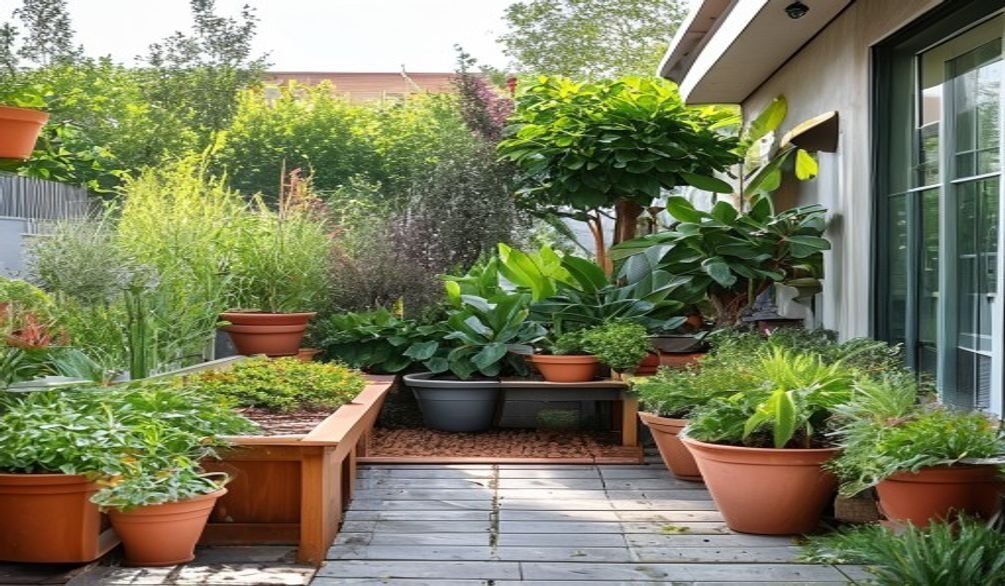
Space is often seen as a limitation, but it’s more about smart utilization. Raised beds, as showcased by Gardenary’s “Rooted Garden” installations, can transform even narrow side yards into highly productive kitchen gardens. This approach helps you define planting areas, manage soil quality, and often extends the growing season.
Maximizing Density with Biointensive & Vertical Strategies
To truly maximize organic garden yields, you need to think beyond traditional row planting. Biointensive gardening involves planting crops closer together than conventional methods, creating a living mulch that shades the soil, conserves moisture, and suppresses weeds. This intensive spacing requires enriched soil but can dramatically increase output from a small footprint.
Vertical growing solutions are another game-changer for small spaces and even larger gardens. Trellises, cages, and arbors provide support for vining plants like tomatoes, cucumbers, and squash, lifting them off the ground to improve air circulation and reduce disease. Panel trellises are particularly effective for pole beans and sugar snap peas, allowing you to grow upward rather than outward.
The Power of Companion Planting
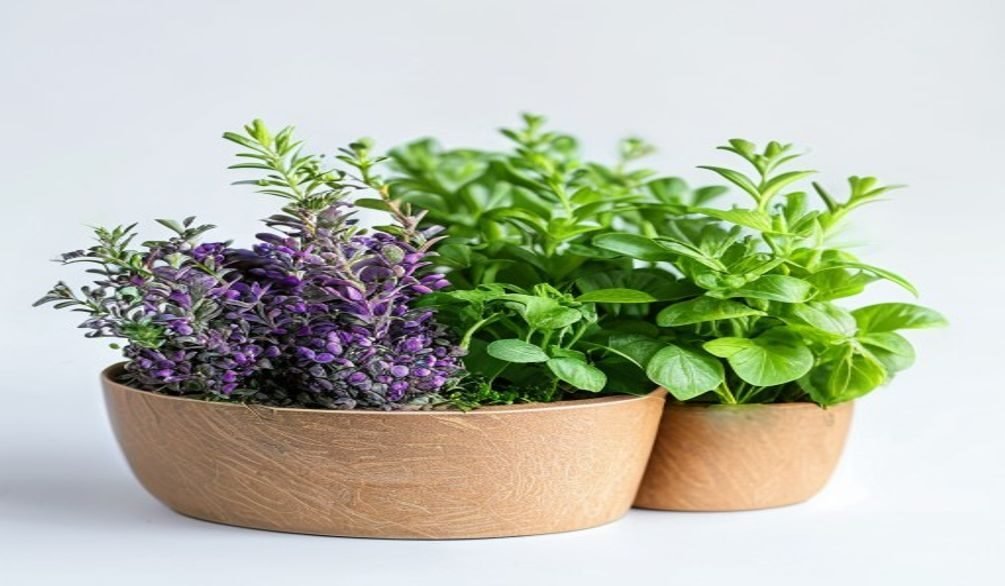
Integrating companion planting benefits into your design boosts productivity and natural pest control organic strategies. Certain plants grown together can deter pests, attract beneficial insects, improve soil nutrients, or even enhance flavor. For instance, Bill Sciarappa, from Rutgers University, recommends basil alongside tomatoes to repel pests, while marigolds planted throughout the garden are known to deter nematodes.
Other successful combinations include dill with cucumbers, and planting catnip, mint, or chamomile among brassicas to discourage common pests. You can even maximize ground space by planting beets under cabbage, utilizing different root depths and growth habits.
Understanding the 7 Core Principles of Organic Gardening
Organic gardening isn’t just a set of techniques; it’s a philosophy rooted in ecological balance. Emma O’Neil of Garden Organic defines it as “working with natural systems, taking into consideration the interdependence of life-forms and using sustainable practices to promote a healthy and productive growing environment with no synthetic chemicals.” Adhering to these core principles is vital for natural garden productivity and achieving high yield organic gardening tips.
- Soil Health: The absolute cornerstone. Mathieu Ngouajio of USDA’s NIFA emphasizes, “a successful garden begins with healthy soil texture and structure.” Focus on nurturing the living soil rather than just feeding the plant.
- Biodiversity: Encourage a variety of plants, insects, and microorganisms. This creates a resilient ecosystem that can naturally regulate pests and diseases.
- Resource Efficiency: Optimize the use of water, sunlight, and nutrients. This includes practices like composting, mulching, and water conservation gardening.
- Preventative Approaches: Emphasize prevention over intervention for pests and diseases. Healthy plants, good air circulation, and beneficial insects are your first line of defense.
- No Synthetic Chemicals: Avoid all synthetic pesticides, herbicides, and fertilizers. These disrupt the natural balance and can harm beneficial organisms.
- Local Adaptation: Choose plants suited to your local climate and conditions. This reduces stress on plants and makes them more resistant to problems.
- Sustainability: Aim for practices that maintain ecological balance and ensure the long-term health of your garden and the environment. This is key for organic farming techniques home growers can implement.
By embracing these principles, you’re not just growing food; you’re cultivating a thriving micro-ecosystem that naturally supports robust growth and maximized yields.
Advanced Organic Techniques to Maximize Garden Yields Naturally
Once you’ve mastered the basics, integrating advanced organic methods can significantly boost your harvests. These techniques are designed to optimize every inch of your growing space and extend your productive season.
Implementing Biointensive and Close Spacing
Taking biointensive gardening further involves specific bed preparation, often referred to as “double-digging,” to create deeply aerated, nutrient-rich soil. This allows roots to penetrate deeper, accessing more moisture and nutrients, and supports the very close planting that defines this method. The idea is to create a living canopy that shades the soil, reducing water evaporation and weed growth, while yielding significantly more per square foot than traditional rows.
Mastering Succession Planting Organic Schedules
Succession planting organic is perhaps one of the most effective strategies for continuous harvest and high yield organic gardening tips. Instead of planting all at once, you plant small batches of crops every few weeks. This ensures a steady supply of fresh vegetables throughout the growing season, preventing gluts and bare patches.
Consider a seasonal organic garden planner: in spring, follow early greens with bush beans; in summer, replace harvested garlic with fall carrots or kohlrabi. The key is knowing your plants’ days to maturity and planning your next planting before the current crop is fully harvested.
Advanced Companion Planting and Polycultures
Beyond basic pest deterrence, advanced companion planting incorporates polycultures, mimicking natural ecosystems where multiple species grow together. This increases overall biodiversity, improving soil health and creating a more resilient garden. For example, the “Three Sisters” method—corn, beans, and squash—is a classic polyculture where corn provides a trellis for beans, beans fix nitrogen for corn and squash, and squash shades the soil, suppressing weeds and retaining moisture. This holistic approach enhances natural garden productivity.
Boosting Productivity: Organic Soil Health and Nutrient Management
The secret to abundant harvests truly lies beneath your feet. As the KwaZulu-Natal grower observed, “Healthy soil is the living capital of a farm.” Focusing on organic soil health is the single most impactful way to maximize organic garden yields.
The Foundation: Composting and Mulching
Compost is black gold for your garden. It’s teeming with beneficial microorganisms that break down organic matter, releasing nutrients in a form plants can readily use. Regular additions of homemade compost improve soil structure, water retention, and aeration. Pairing this with a no-dig organic garden planning approach, where you simply add layers of organic material to the surface, further enhances soil life and reduces disturbance.
Mulching is equally vital. A thick layer of organic mulch (like straw, wood chips, or shredded leaves) conserves soil moisture, regulates soil temperature, and suppresses weeds. As it breaks down, it also contributes to soil organic matter, feeding the soil food web.
Strategic Organic Fertilization
While compost provides a broad spectrum of nutrients, specific plant needs might require targeted fertilization. The best organic fertilizers for maximum yield are those that feed the soil, not just the plant. A Texas A&M University study even “proved that organic fertilizers outperformed others in producing better ‘color and density'” and “do not pollute our groundwater as synthetics do.”
Look for products like Miracle-Gro® Performance Organics® Edibles Plant Nutrition Granules or use natural amendments such as:
- Worm castings: A gentle, nutrient-rich soil amendment.
- Bone meal: Excellent for phosphorus, promoting strong roots and blooms.
- Kelp meal: Provides trace minerals and growth hormones.
- Alfalfa meal: A good source of nitrogen and other nutrients.
These organic options release nutrients slowly, providing a steady supply without the risk of burning plants or polluting waterways.
Implementing Effective Crop Rotation Strategies
Crop rotation strategies are essential for maintaining long-term soil fertility and preventing pest and disease buildup. By rotating plant families through different beds each season, you disrupt pest cycles and ensure different nutrients are drawn from and returned to the soil. For example, follow heavy feeders like corn with nitrogen-fixing legumes like beans, then with root crops or leafy greens. This simple practice is a powerful tool for sustainable garden harvest.
The Financial & Environmental ROI of Maximized Organic Yields
Beyond the satisfaction of fresh produce, maximizing your organic garden yields offers significant tangible benefits, both for your wallet and the planet. This often-overlooked aspect provides compelling reasons to invest in high-yield organic gardening techniques.
Economic Returns: Saving Money and Boosting Value
The financial return on investment (ROI) for home gardening is remarkably high. In 2021, the average U.S. garden of 600 sq. ft. produced an estimated $600 worth of food, boasting an average return on food gardening investment of 757%. Imagine the savings on your grocery bill when you consistently harvest a significant portion of your family’s produce needs.
With U.S. organic sales reaching $76.6 billion in 2025, and produce accounting for 33% of that, the market value of organic goods is clear. Growing your own allows you to bypass these retail costs, directly translating into savings. Furthermore, preserving your maximized organic yields through canning, freezing, or drying extends these savings throughout the year, truly making your garden an asset.
Environmental Impact: Cultivating a Healthier Planet
A high-yield organic garden is a powerful tool for environmental stewardship. By growing your own food, you dramatically reduce your carbon footprint associated with food transportation, packaging, and refrigeration. Organic practices inherently promote sustainable irrigation methods organic garden, such as rainwater harvesting and efficient watering, which are crucial for water conservation gardening.
Moreover, healthy organic soil actively sequesters carbon from the atmosphere, helping to mitigate climate change. The global organic farming market, projected to reach $253.49 billion by 2034 with an 8.02% CAGR, underscores a growing global commitment to these sustainable practices. Your backyard efforts contribute directly to this larger movement, fostering biodiversity and reducing reliance on synthetic chemicals that can harm ecosystems.
Overcoming Challenges: Troubleshooting for High Organic Garden Production
Even the most experienced organic gardeners face hurdles. The key to maintaining high organic garden production is not avoiding problems entirely, but knowing how to identify and naturally resolve them quickly to minimize yield loss.
Identifying and Addressing Nutrient Deficiencies Organically
In organic systems, nutrient deficiencies can subtly reduce yields. Yellowing leaves, stunted growth, or poor fruit set often signal a lack of essential nutrients. Instead of chemical quick fixes, observe your plants carefully. Pale lower leaves might indicate nitrogen deficiency, while purple undersides could point to phosphorus issues. The solution lies in amending your soil with targeted organic fertilizers like blood meal for nitrogen or bone meal for phosphorus, always after a soil test if possible.
Effective Natural Pest Control Organic Strategies
Pests are an inevitable part of gardening, but they don’t have to decimate your harvest. For natural pest control organic, prevention is paramount:
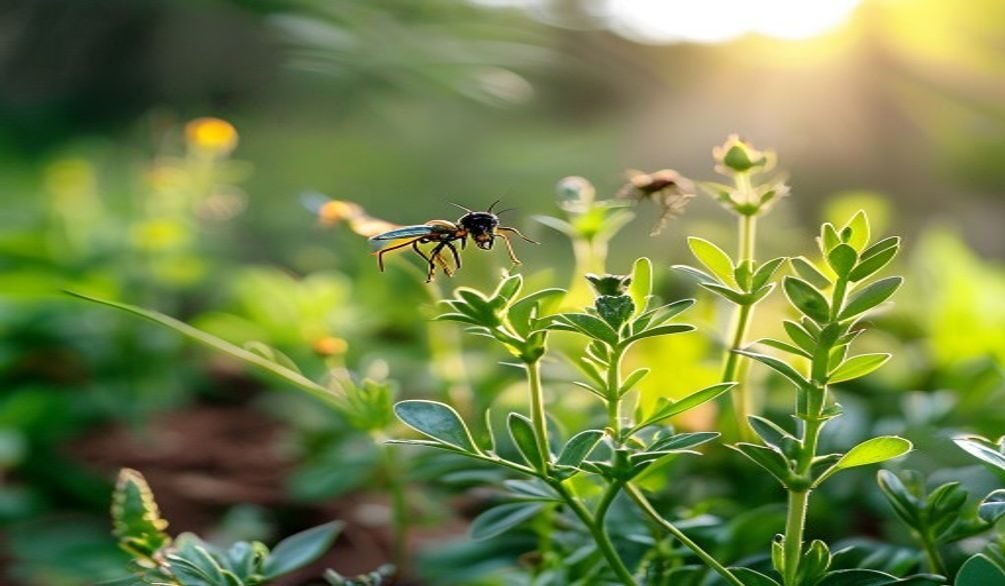
- Beneficial Insects: Attract ladybugs, lacewings, and parasitic wasps by planting flowers like dill, fennel, and cosmos.
- Physical Barriers: Use row covers to protect young plants from flying insects.
- Hand-picking: For larger pests like tomato hornworms, simply remove them by hand.
- Organic Sprays: Neem oil, insecticidal soap, or homemade garlic sprays can deter common pests like aphids.
For specific issues like thrips, early identification and consistent treatment are vital to prevent widespread damage, as detailed in our guide on how to solve thrips infestations.
Managing Diseases Without Synthetics
Organic disease management focuses on creating conditions where diseases struggle to thrive. Choose disease-resistant varieties whenever possible. Ensure proper plant spacing to allow for good air circulation, which helps prevent fungal issues like powdery mildew. Water at the base of plants in the morning to allow foliage to dry quickly. If a disease does appear, promptly remove and discard affected plant parts. For issues like rust fungus, natural remedies and cultural practices are key, as explored in our guide to treating rust fungus on plants.
Water Stress and Conservation
Inconsistent watering is a major yield reducer. Plants under stress produce less. Implementing smart irrigation techniques and robust water conservation gardening practices are crucial. Drip irrigation or soaker hoses deliver water directly to the root zone, minimizing evaporation. A thick layer of mulch significantly reduces water loss from the soil. Understanding your plants’ water needs and adapting to local climate conditions will ensure your plants remain hydrated and productive.
Frequently Asked Questions
How do you plan an organic garden layout?
Planning an organic garden layout involves assessing sunlight, water access, and wind protection for optimal plant growth. Incorporate space-saving techniques like raised beds and vertical growing solutions such as trellises for vining plants. Utilize companion planting to group beneficial plants together, enhancing growth and deterring pests naturally.
What are the 7 principles of organic gardening?
The 7 core principles of organic gardening emphasize soil health, biodiversity, resource efficiency, preventative approaches, avoiding synthetic chemicals, local adaptation, and overall sustainability. These principles guide gardeners to work with natural systems, fostering a healthy and productive environment without artificial inputs.
How do you maximize yields in a garden?
To maximize yields in a garden, focus on advanced techniques like biointensive gardening for dense planting and succession planting for continuous harvests. Enhance soil fertility through consistent composting and strategic organic fertilization. Implement effective crop rotation and integrate companion planting to boost productivity and natural pest control.
What are the secrets to successful organic gardening?
The “secrets” to successful organic gardening lie in nurturing healthy, living soil, observing your garden closely, and working proactively with nature. This includes prioritizing soil health through compost and mulch, choosing appropriate plant varieties, employing smart water conservation, and using natural methods for pest and disease management to create a resilient, high-yielding ecosystem.
Your Strategic Organic Yield Maximization Blueprint: Next Steps
Embarking on a journey to Maximize Organic Garden Yields is a rewarding endeavor that connects you deeply with nature’s processes. By implementing this strategic blueprint, you’re not just growing food; you’re cultivating a thriving, sustainable ecosystem that delivers consistent, abundant harvests.
Start by meticulously planning your organic garden layout, then commit to the core organic principles that underpin long-term success. Integrate advanced techniques like biointensive planting and succession planting, and relentlessly prioritize organic soil health. Your next step is to grab your gardening journal, sketch out your dream garden, and begin transforming your vision into a flourishing reality this season.