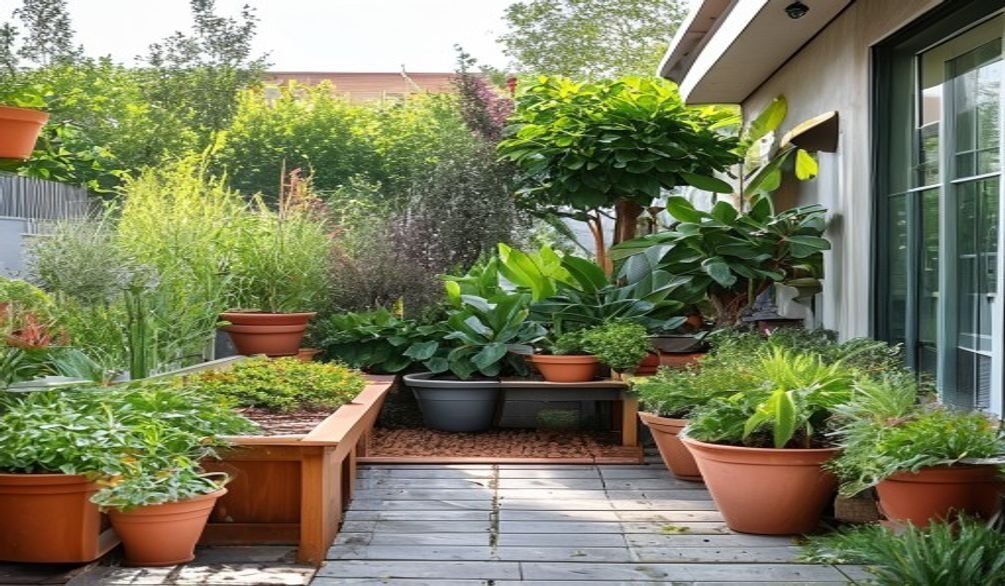
Dreaming of fresh, homegrown produce but only have a small urban balcony? You absolutely can learn how to grow root vegetables balcony, transforming your limited outdoor space into a thriving edible garden. This comprehensive guide will equip you with practical strategies and expert tips to cultivate a bountiful harvest of carrots, potatoes, radishes, and more, right from your patio.
What Root Vegetables Can You Grow on Your Balcony?
Many popular root crop varieties thrive in containers, making them perfect for your balcony vegetable garden. The key is selecting varieties that are naturally smaller or adaptable to shallower depths, or providing ample space for their subterranean growth.
Top Root Vegetables for Container Gardening
You might be surprised by the range of root vegetables that flourish in pots. Horticulturist and biologist Albert Mondor confirms, “You can grow almost anything in a pot! … Most vegetable plants can be grown in containers, even carrots and potatoes.”
- Carrots: Opt for shorter, round, or “half-long” varieties like ‘Thumbelina’, ‘Parisian’, ‘Nantes’, ‘Chantaney’, or ‘Little Finger’. These are ideal for how to grow carrots in pots on balcony, preventing stunted growth.
- Radishes: Quick-maturing and compact, radishes are excellent for beginner container gardeners. Varieties like ‘Cherry Belle’, ‘French Breakfast’, and ‘White Icicle’ mature rapidly.
- Beets: Smaller beet varieties such as ‘Chioggia’, ‘Touchstone Gold’, or ‘Moulin Rouge’ perform well. Beets offer a dual harvest, providing both tasty roots and edible greens.
- Potatoes: ‘Winter potatoes’ and early varieties are well-suited for grow bags for potatoes or large buckets. They require significant depth but offer a rewarding yield.
- Onions & Garlic: Grow these from sets or individual cloves. While they don’t demand extreme depth, consistent moisture is beneficial for bulb development.
What most people miss is that successful container growing starts with choosing the right seeds or sets. Look for descriptions that mention “container-friendly” or “compact” for the best results in your small space farming efforts.
Choosing the Right Containers for Balcony Root Vegetables
Selecting appropriate deep containers for root vegetables is crucial for their development. The size, depth, and material of your pots directly impact root formation and overall plant health.
Container Size and Depth Requirements
The golden rule for root vegetables is depth over width. Root vegetables need ample vertical space to grow downwards without hitting the bottom of the pot. For carrots, radishes, and beets, a minimum depth of 8-12 inches is generally recommended, with 15 inches being ideal for longer varieties. Potatoes, however, demand even more: “Potatoes thrive in pots as well, but make sure you plant them in a container that’s at least 45-cm deep,” advises Albert Mondor. This translates to about 18 inches.
- Carrots, Radishes, Beets: Minimum 8-12 inches deep; 15 inches for larger varieties.
- Potatoes: At least 18 inches deep.
- Onions, Garlic: 6-8 inches deep.
Material Matters: Pros and Cons
When considering best vegetables for balcony containers, the material of your pot plays a significant role in moisture retention and temperature regulation.
- Fabric Grow Bags: Highly recommended for root vegetables. They offer excellent drainage and aeration, preventing waterlogging and promoting healthy root growth. Their porous nature helps regulate soil temperature, keeping roots cooler in summer.
- Terracotta Pots: Breathable and aesthetically pleasing, but they dry out quickly, requiring more frequent watering.
- Plastic Containers: Retain moisture well but can overheat in direct sun. Ensure they have adequate drainage holes. Large storage totes can be repurposed for carrots, but drilling plenty of drainage holes is critical.
- Self-Watering Pots: Excellent for consistent moisture, reducing the risk of both over and under-watering, and preventing leakage onto lower balconies.
Always ensure your chosen containers have sufficient drainage holes to prevent waterlogged soil, which can quickly lead to root rot. If a container doesn’t have them, you’ll need to drill your own.
Before loading up your balcony, remember to check its structural capacity. Master Gardeners of Northern Virginia advise, “Most building safety codes require balconies to support 60 pounds per square foot.” A large pot of wet soil can be surprisingly heavy.
The Best Soil Mix for Thriving Root Vegetables in Pots
The secret to successful container gardening tips for root crops lies beneath the surface: the soil. Root vegetables need a specific potting mix for vegetables that is loose, well-draining, and nutrient-rich to allow their roots to expand and develop without obstruction.
Creating the Ideal Potting Environment
Forget garden soil for your pots; it’s too dense and can compact, suffocating root development. Instead, opt for a high-quality, lightweight potting mix for vegetables. The University of Wisconsin Horticulture notes that “Smaller vegetables such as beets, carrots, radishes and turnips also grow well in containers because the loose, well-drained potting mixes used for container gardening allow roots to grow easily.”
Here’s the thing: a good potting mix isn’t just dirt. It’s a blend designed for container life, offering both structure and nutrition. A typical mix often includes:
- Peat Moss or Coco Coir: For moisture retention and aeration.
- Perlite or Vermiculite: To improve drainage and prevent compaction.
- Compost or Aged Manure: To provide essential nutrients and organic matter.
Albert Mondor emphasizes that “Rich, healthy soil produces strong, productive plants that are less susceptible to insects and disease.” Master Gardeners of Northern Virginia recommend using fresh commercial potting soil, which typically provides 8-10 weeks of nutrients. If you’re mixing your own, aim for a blend that feels light and crumbly, not heavy or sticky.
Nutrient Needs for Root Development
Root vegetables are heavy feeders, especially for phosphorus and potassium, which support root growth. While a good potting mix starts with nutrients, these will deplete over time. What most people miss is that consistent, but not excessive, feeding is vital.
Consider incorporating slow-release organic fertilizers into your soil mix at planting time, or feeding with a balanced liquid organic fertilizer every 2-4 weeks. Look for fertilizers with a slightly higher middle and last number (e.g., 2-4-4 or 3-5-5 NPK ratio) to encourage robust root formation.
Planting & Care: Step-by-Step for Balcony Success
Once you’ve chosen your root crop varieties and prepared your containers and soil, it’s time for planting. Following precise steps for sowing, watering, and feeding will ensure your balcony vegetable garden flourishes.
Sowing Seeds and Initial Care
Most root vegetables are best sown directly into their final containers, as they dislike root disturbance. Fill your chosen deep containers for root vegetables with your prepared potting mix, leaving about an inch of space from the rim.
- Sow Seeds: Plant seeds according to package directions for depth and spacing. For carrots, radishes, and beets, sow seeds thinly, about 1/2 inch deep.
- Water Gently: After sowing, water very gently to avoid displacing the seeds. A misting bottle or a watering can with a fine rose is ideal. Keep the soil consistently moist but not waterlogged during germination.
- Thin Seedlings: Once seedlings emerge and have a few true leaves, thin them to the recommended spacing. “When growing root vegetables (like carrots, beets, or radishes), be sure to space plants two to four inches apart to allow roots to form properly,” advises the University of Wisconsin Horticulture. This step is critical; overcrowding prevents roots from sizing up.
The short answer for early care is consistent moisture and proper spacing. These two factors are paramount for successful root development.
Sunlight, Watering, and Fertilization
Root vegetables generally require at least 6-8 hours of direct sunlight daily to develop properly. Position your balcony vegetable garden in the sunniest spot available.
- Watering: Container plants dry out much faster than in-ground gardens. Check the soil moisture daily by sticking your finger about an inch deep. If it feels dry, it’s time to water thoroughly until water drains from the bottom. Consistent moisture is vital for root crops to prevent cracking (carrots, radishes) or woody texture (beets).
- Fertilization: Begin feeding with a balanced liquid organic fertilizer (e.g., fish emulsion or kelp meal) every 2-3 weeks after seedlings are established. As mentioned, look for a slightly higher phosphorus and potassium content to support root growth.
In practice, regular monitoring is your best tool. Adjust watering frequency based on weather, container material, and plant size. Healthy plants are always a result of observant gardening.
Mastering Balcony Microclimates & DIY Container Solutions
Balconies often present unique environmental challenges that can impact your urban gardening techniques. Understanding and adapting to these specific microclimates is key to a thriving root vegetable harvest.
Understanding Balcony Microclimates
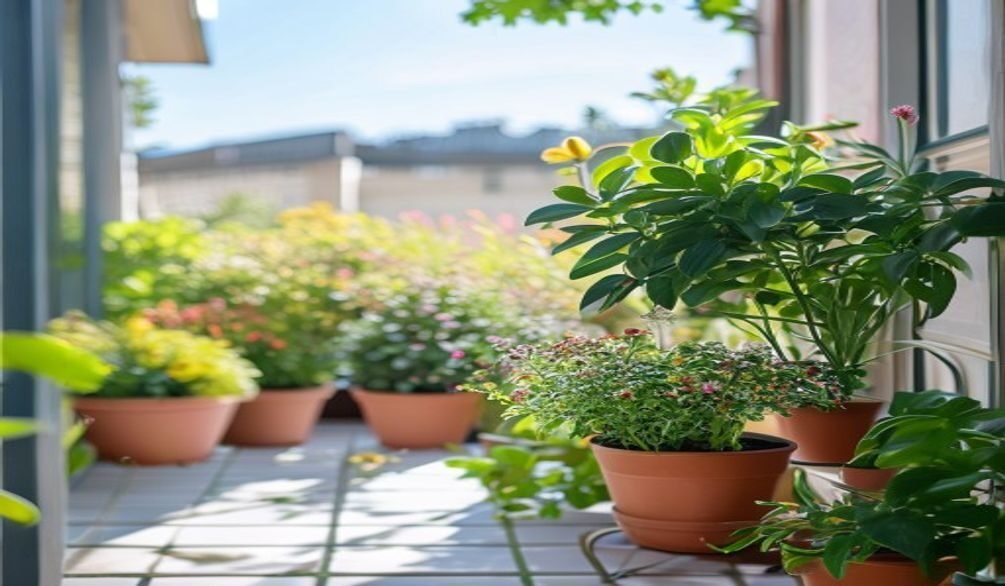
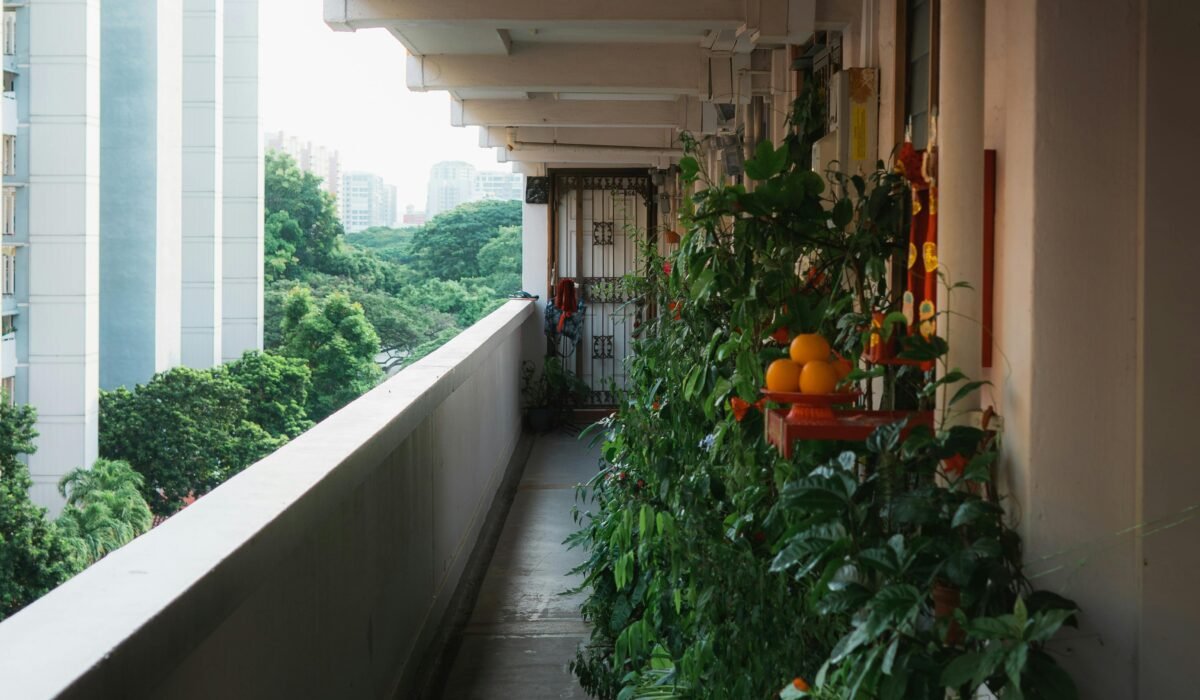
Your balcony isn’t just a flat surface; it’s an ecosystem with its own weather patterns. Factors like extreme heat reflection from concrete, persistent wind tunnels on high-rise balconies, and variable shade patterns can affect how to grow root vegetables balcony.
- Heat Reflection: Concrete and brick walls can absorb and radiate intense heat, potentially cooking your plant roots. Strategically placing taller plants or using lighter-colored containers can help mitigate this.
- Wind Exposure: High winds can stress plants, dry out soil rapidly, and even knock over containers. Consider temporary windbreaks using netting, fabric, or other sturdy plants.
- Sunlight Variations: Map your balcony’s sun exposure throughout the day and across seasons. Some spots might get morning sun, others only afternoon. This dictates where specific plants will thrive.
A genuine insight here is that you become a weather observer when gardening on a balcony. Your keen observation skills will guide your plant placement and care adjustments.
DIY Container Solutions for Optimal Growth
Beyond traditional pots, creative DIY container solutions can enhance your small space farming efforts and address specific balcony challenges. This is where advanced container strategies come into play.
- Repurposed Items: Large, sturdy plastic storage totes can be transformed into excellent deep containers for root vegetables like carrots or potatoes. Ensure you drill ample drainage holes in the bottom and sides (about 1/2 inch in diameter, every 4-6 inches).
- Self-Watering Systems: You can create simple DIY self-watering containers using two buckets or totes, one nested inside the other, with a wicking system. This provides consistent moisture, which is ideal for root crops and reduces watering frequency, a boon for busy urban gardeners.
- Vertical Gardening Structures: For maximizing yields, consider a vertical root vegetable garden balcony. While typically associated with leafy greens, systems with deep pockets can accommodate shorter root crops like radishes or small beets. For deeper roots, a vertical grow bag system can work wonders. You can find inspiration for different setups in our guide on Vertical Garden Plant Combinations: Design Ideas.
Detailed DIY container projects, like building a simple sub-irrigated planter (SIP) from recycled bins, can offer superior moisture management and nutrient delivery compared to standard pots, especially for thirsty root crops.
Organic Pest & Disease Management for Container Root Crops
Even in the confined space of a balcony vegetable garden, pests and diseases can emerge. Implementing organic pest control strategies specifically for containerized root vegetables is essential for maintaining plant health and ensuring a safe, edible harvest.
Common Pests and Diseases in Balcony Gardens
Container root crops can attract common garden pests, though their isolated nature on a balcony sometimes offers a small advantage. The most frequent culprits include:
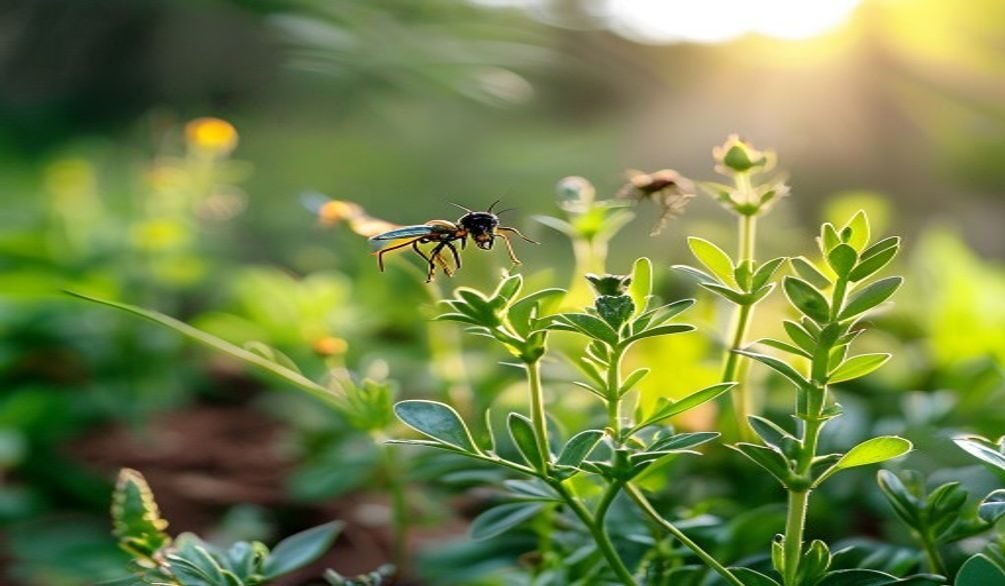
- Aphids: Small, soft-bodied insects that cluster on new growth, sucking plant sap.
- Fungus Gnats: Often a sign of overly moist potting mix, their larvae feed on roots.
- Root Maggots: A particular threat to root vegetables, these larvae tunnel into roots, causing damage and rot.
- Fungal Diseases: Overwatering or poor air circulation can lead to issues like damping-off in seedlings or various root rots.
What most people miss is that a healthy plant is your first line of defense. Strong, productive plants are inherently “less susceptible to insects and disease,” as Albert Mondor wisely points out.
Balcony-Friendly Organic Prevention and Treatment
Integrated pest management on a balcony focuses on prevention and eco-friendly treatments that are safe for your small space.
- Healthy Soil: Start with a high-quality potting mix and ensure excellent drainage to prevent soil-borne diseases and fungus gnats.
- Companion Planting: Strategically place companion plants around your root vegetables. Marigolds deter nematodes and other pests. Nasturtiums can act as a trap crop, drawing aphids away from your main harvest. Chives or onions planted near carrots can help mask their scent, deterring carrot rust flies.
- Manual Removal: For aphids, a strong spray of water can dislodge them. For larger pests, simply pick them off by hand.
- Neem Oil: A broad-spectrum organic insecticide, neem oil can be sprayed on foliage to deter many pests. Always follow label instructions carefully.
- Beneficial Insects: Encourage beneficial insects like ladybugs (which feast on aphids) by providing small flowering plants or herbs.
For more general strategies on boosting your garden’s health and resilience, consider exploring resources on Maximizing Organic Garden Yields: Strategic Blueprint.
In practice, regular inspection is your best tool. Catching pest or disease issues early, before they become widespread, makes treatment far more effective and less invasive.
Maximizing Yields with Succession Planting & Vertical Gardens
With limited balcony space, every square inch counts. Employing smart urban gardening techniques like succession planting and vertical gardening can dramatically increase your harvest, allowing you to enjoy fresh root vegetables continuously.
The Power of Succession Planting
Succession planting is the art of staggered planting to ensure a continuous harvest rather than one large, overwhelming yield. For root vegetables that mature relatively quickly, like radishes and many beet varieties, this is a game-changer for your how to grow root vegetables balcony efforts.
- Staggered Sowing: Instead of planting all your radish seeds at once, sow a small batch every 2-3 weeks. As one batch is harvested, the next is already growing, ready to take its place.
- Crop Rotation in Containers: Even in pots, rotating crops helps. After harvesting a batch of carrots, consider planting radishes or beets in that container. This prevents specific nutrient depletion and reduces the build-up of soil-borne pests or diseases.
- Quick Turnaround: Radishes mature in as little as 3-4 weeks, making them perfect for filling gaps between slower-growing crops.
The average U.S. garden produces $600 worth of food annually, with an average return on food gardening investment of 757% in 2021. By applying succession planting, you can significantly boost your personal yield and value from a small balcony space.
Utilizing Vertical Space for Root Vegetables
A vertical root vegetable garden balcony might sound counterintuitive, but with clever design, it’s entirely possible, especially for shorter root crops. Vertical gardening is a hallmark of urban gardening techniques, making the most of upward space.
- Stackable Planters: Look for stackable garden towers or planters with deep, individual pockets. These can accommodate radishes, small beets, or even specific small carrot varieties like ‘Parisian’ or ‘Thumbelina’.
- Wall-Mounted Grow Bags: Fabric grow bags can be hung vertically on a sturdy wall or railing. Choose bags with ample depth (at least 8-10 inches) for optimal root development. This creates an appealing and productive living wall.
- Ladder Shelves: A simple ladder-style shelf unit can hold multiple pots, allowing you to grow a variety of root vegetables without taking up much floor space.
Projects like OrtiAlti in Milan, which transforms rooftops into productive gardens, demonstrate the immense potential of urban spaces. By embracing vertical solutions, you’re not just growing food; you’re participating in a global movement of urban farming, a market valued at USD 140 billion in 2023 and projected to reach USD 181.76 billion by 2030.
Frequently Asked Questions
What root vegetables can be grown in pots?
Many root vegetables thrive in pots, including carrots (especially shorter varieties like ‘Thumbelina’ or ‘Nantes’), radishes, beets (smaller types like ‘Chioggia’), potatoes (in large grow bags), onions, and garlic. The key is providing adequate depth for their root development.
What size pot do root vegetables need?
The pot size depends on the specific root vegetable. Carrots, radishes, and beets generally need a minimum of 8-12 inches of depth, with 15 inches being ideal for longer varieties. Potatoes require significantly more, ideally at least 18 inches deep, for proper tuber formation.
How deep should a container be for root vegetables?
For most common root vegetables like carrots, beets, and radishes, a container should be at least 8-12 inches deep. To grow longer carrot varieties or potatoes successfully, aim for containers that are 15-18 inches deep or more, ensuring ample space for vertical root growth.
Which vegetables grow well in pots on a balcony?
Beyond root vegetables, many other vegetables excel in balcony containers. Leafy greens like lettuce, spinach, and kale are excellent choices, as are herbs, bush beans, determinate tomato varieties, peppers, and various compact squash plants. The best choices are those with a compact growth habit or those that can be trellised.
Cultivating a thriving root vegetable garden on your balcony is not just possible; it’s a rewarding journey that connects you to your food. By carefully selecting container-friendly varieties, providing the right soil and nutrients, mastering your balcony’s microclimate, and implementing smart growing techniques, you can enjoy fresh, organic produce right outside your door. Start small, observe your plants, and watch your urban oasis flourish. For more guidance on starting your gardening journey, explore our Starting Your First Vegetable Garden: Guide.