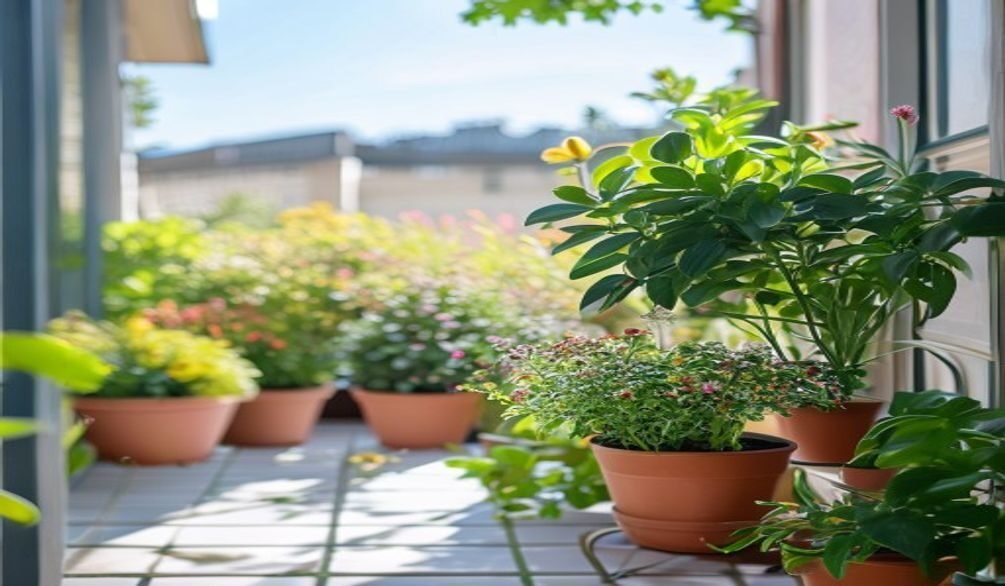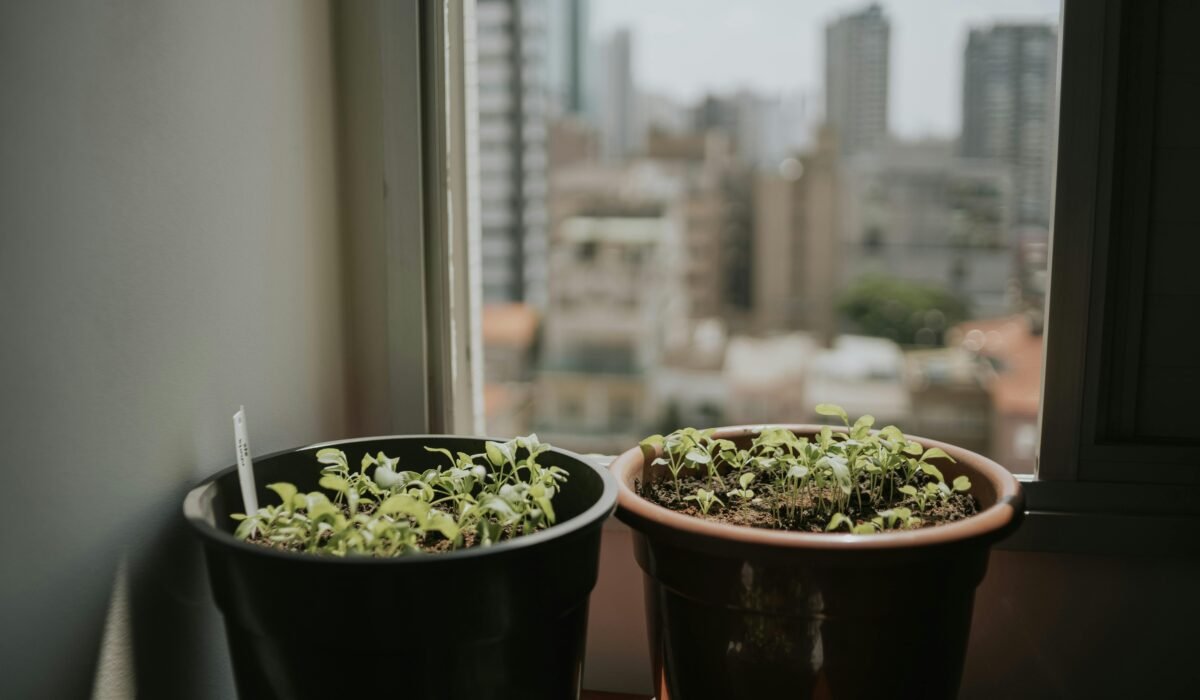
Finding the absolute best indoor plants for small spaces can transform your tiny apartment into a vibrant, breathable oasis, but knowing which ones will actually thrive without taking over is the real challenge. You’re looking for greenery that adds life and style without demanding too much precious square footage or constant attention, and this guide will equip you with all the knowledge to create your dream indoor garden, no matter how compact your home.
Why Choose Indoor Plants for Your Small Apartment?
Living in an apartment often means limited access to a backyard, but that doesn’t mean you have to sacrifice the joy and benefits of gardening. Bringing plants indoors enriches your living space in countless ways, making even the smallest apartment feel more like home.
One primary benefit is improved air quality. Many common houseplants act as natural air purifiers, filtering out toxins and boosting oxygen levels, which is especially valuable in sealed urban environments. Emilie Ngo of Succulents Box highlights Pothos for their “air-purifying properties,” making them excellent choices for small spaces. Beyond the practical, plants significantly contribute to your well-being. Studies consistently show that greenery can reduce stress, improve mood, and even increase productivity, creating a calmer and more inviting atmosphere. The residential consumer base for indoor plants is robust, holding a 71.10% revenue share in the market in 2025, underscoring their widespread appeal for apartment gardening tips and lifestyle enhancement.
What Are the Easiest Indoor Plants for Small Spaces?
When space is tight and schedules are busy, you need plants that are forgiving and don’t demand constant attention. The good news is that many compact indoor plants thrive on neglect, making them perfect easy care indoor plants for apartment living.
Top Picks for Low-Maintenance Greenery
- ZZ Plant (Zamioculcas zamiifolia): This plant is practically indestructible. Christie Pollack, owner of Christie’s Gardens and Greenhouses, praises ZZ plants for their “adaptability to a variety of light conditions, including low light,” minimal care, and pest resistance. They feature glossy, dark green leaves and need watering only when the soil is completely dry, sometimes just once a month.
- Snake Plant (Sansevieria trifasciata): Known for its striking upright leaves, the Snake Plant is another champion of neglect. Kayden from OBSERVED describes them as “resilient plants – able to handle tons of sun or minimal light exposure, regular watering, or intermittent,” making them ideal for beginners. They are fantastic air purifying plants for small spaces and come in many compact varieties.
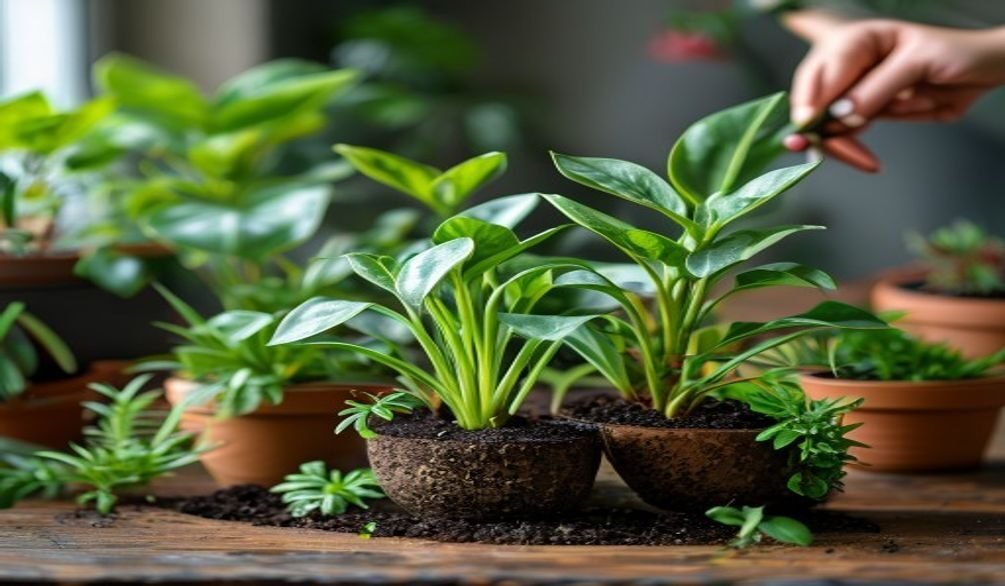
- Pothos (Epipremnum aureum): A classic for a reason, Pothos are incredibly versatile trailing plants. Bree Frasier of Pot Heads Plant Shop recommends Pothos as a resilient, low-maintenance option that “thrives in lower light and requires infrequent watering.” They look great cascading from shelves or hanging baskets and are very easy to propagate.
- Peperomia (Peperomia spp.): This diverse genus offers many small apartment plant decor options with varied leaf shapes and colors, from the watermelon peperomia to the baby rubber plant. Most peperomia varieties stay small, tolerate a range of light, and prefer to dry out between waterings, making them excellent easy care apartment plants.
These selections provide beautiful greenery without the fuss, ensuring your small apartment feels lush and lively.
Which Indoor Plants Thrive in Low Light Apartments?
Many apartments, especially those in urban settings, don’t get abundant direct sunlight. Thankfully, a significant portion of the indoor plant market, 46.05% in 2025, is dedicated to low-light tolerant species, reflecting this common reality. You can still cultivate a thriving indoor garden even with north-facing windows or limited natural light.
Best Low Light Plants for Apartments
- Cast Iron Plant (Aspidistra elatior): True to its name, this plant is incredibly tough and can tolerate very low light conditions, even deep shade. Its dark green, leathery leaves add a classic, elegant touch to any corner.
- Peace Lily (Spathiphyllum): Famous for its elegant white “flowers” (which are actually modified leaves called spathes), the Peace Lily thrives in indirect light and will even tell you when it needs water by slightly drooping. It’s also an excellent air purifier.
- Prayer Plant (Maranta leuconeura): With beautifully patterned leaves that fold up at night, the Prayer Plant adds unique visual interest. It prefers medium to low indirect light and higher humidity, making it a good choice for a small bathroom or kitchen.
- Spider Plant (Chlorophytum comosum): These classic hanging plants for apartments are incredibly adaptable and produce “spiderettes” that are easy to propagate. They tolerate a range of light conditions, including low light, and are known for their air-purifying qualities.
What most people miss is that “low light” doesn’t mean “no light.” Even these plants need some ambient light to survive, so avoid placing them in completely dark corners. A sheer curtain can help diffuse harsh direct light into a softer, indirect glow perfect for these varieties.
Pet-Friendly Indoor Plants for Small Apartments: A Safe Selection
For many apartment dwellers, pets are family. Ensuring your furry friends are safe from curious nibblers is paramount when choosing your best indoor plants for small spaces. While popular plants like Pothos and Peace Lilies are toxic if ingested, there are plenty of beautiful pet friendly houseplants that pose no threat.
Safe & Sound Pet Friendly Indoor Plants Small Spaces
Always double-check plant toxicity with a reliable source like the ASPCA, but these options are generally considered safe for cats and dogs:
- Spider Plant (Chlorophytum comosum): Not only are they easy to care for and adaptable to low light, but Spider Plants are also completely non-toxic. Their playful, arching leaves and “spiderette” babies are a favorite among pet owners.
- Haworthia (Haworthia spp.): Often called Zebra Plant for its distinctive striped patterns, Haworthia is a compact succulent that looks similar to Aloe Vera but is non-toxic. It’s a great choice for a sunny windowsill.
- Prayer Plant (Maranta leuconeura): As mentioned before, its striking foliage and nighttime movement make it a unique addition, and it’s safe for pets.
- Areca Palm (Dypsis lutescens): If you’re looking for a larger, statement plant that is still pet-friendly, the Areca Palm is a beautiful option that can add a tropical feel to your apartment without posing a risk.
- Christmas Cactus (Schlumbergera spp.): These festive bloomers are non-toxic and offer vibrant flowers during the colder months, requiring minimal care.
Choosing plants from this list allows you to enjoy lush greenery without the constant worry about your pet’s safety. It’s a simple step to creating a harmonious home for everyone.
Creative Space-Saving Plant Display Ideas for Apartments
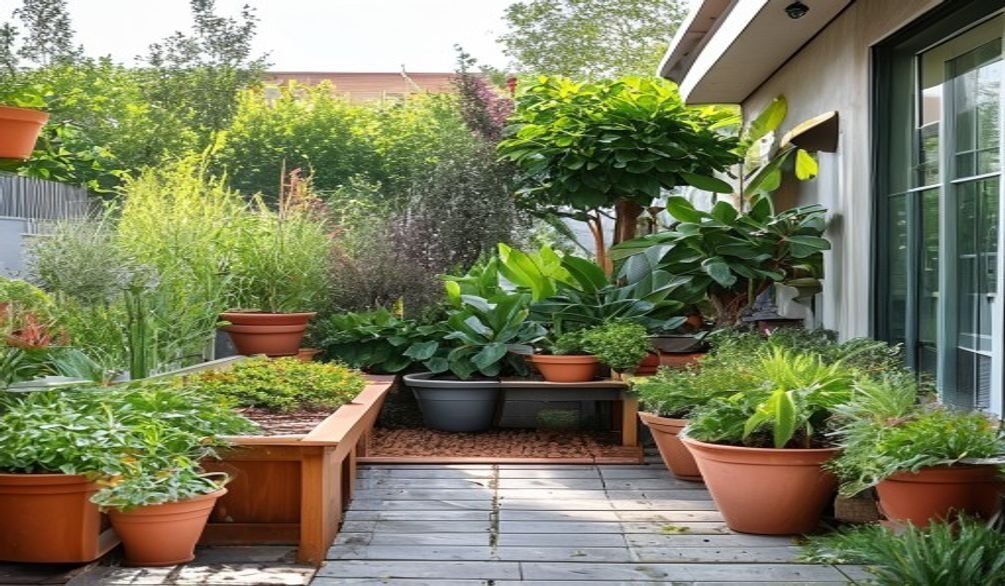
Maximizing greenery in minimal footprint is the core of smart apartment gardening. You don’t need a sprawling garden to enjoy plants; you just need to think vertically and creatively. Here’s how to elevate your small apartment plant decor.
Vertical Garden Ideas Apartments & Beyond
- Hanging Planters and Shelves: Utilize ceilings and walls with stylish hanging baskets or macrame hangers for trailing plants like Pothos, String of Hearts, or Spider Plants. Wall-mounted shelves are perfect for creating a tiered display of smaller plants like Peperomia or Echeveria. Consider narrow wall-mounted planters for a sleek, space-saving look.
- Tiered Plant Stands and Plant Ladders: These furniture pieces are designed to hold multiple plants in a small footprint, ideal for corners or next to a window. They allow you to stack plants vertically, making the most of unused floor space.
- Windowsill Gardens: Make the most of natural light by arranging compact houseplants that stay small, such as miniature orchids, Haworthia, or small succulents, directly on your windowsills. Ensure they don’t block too much light for the room.
- Magnetic Planters: For truly unique vertical garden apartment ideas, magnetic planters can adhere to refrigerators or other metal surfaces, turning overlooked areas into mini green walls. These are perfect for small herbs or air plants.
- Repurposed Furniture and Objects: Get creative! Old teapots, decorative baskets, or vintage step stools can be repurposed as unique planters or plant stands. Training vining houseplants around windows or up small trellises can also add a natural, living curtain effect. For more inspiration, explore options for vertical garden plant combinations to optimize your design.
By thinking outside the traditional pot-on-the-table setup, you can integrate a surprising number of plants into your small living space. Justin Hancock, horticulturist at Costa Farms, notes the significant influence of Instagram on houseplant trends, observing that “many people… say they were never into plant XYZ until it exploded on Instagram.” This highlights how creative displays can inspire and transform spaces, showcasing even previously rare plants like the “Monstera Thai constellation” now found in stores like Costco and Walmart.
Tackling Common Apartment Plant Challenges
Apartment living presents unique environmental challenges for plants beyond just limited light. Understanding and addressing these issues is key to successful plant care small spaces.
Overcoming Apartment-Specific Hurdles
The short answer is, your apartment environment is often drier and less stable than you think. Here’s the thing:
- Dry Air (Low Humidity): Apartment heating and air conditioning systems can drastically reduce indoor humidity, especially in winter. This can cause leaf tips to brown on many plants, particularly tropical varieties.
- Solution: Group plants together to create a microclimate, use pebble trays (trays filled with water and pebbles where pots sit above the water), or invest in a small humidifier. Misting can offer temporary relief but isn’t a long-term solution for most plants.
- Fluctuating Temperatures: Drafts from windows or doors, or proximity to radiators, can cause sudden temperature swings that stress plants.
- Solution: Place plants away from direct drafts or heat sources. Monitor temperatures, especially during seasonal changes.
- Limited Natural Light in Specific Rooms: North-facing windows offer consistent but low light, while windowless bathrooms might seem impossible for plants.
- Solution: For low light plants apartment areas, rotate plants regularly to ensure even light exposure. For truly dark spots, consider grow lights. Even a small LED grow light can make a huge difference for compact houseplants that stay small, allowing them to thrive where natural light is scarce.
- Pest Management in Close Quarters: Pests can spread quickly in a small, enclosed space.
- Solution: Regularly inspect your plants. Isolate new plants for a few weeks before introducing them to your collection. Treat pests promptly with insecticidal soap or neem oil.
In practice, being observant of your plants’ behavior is your best tool. They’ll often show subtle signs of distress before a problem becomes severe.
Essential Care Tips for Your Apartment Plants
Even the easiest indoor plants for small spaces need consistent care to flourish. Master these fundamental plant care tips, and your apartment garden will thrive.
Watering Wisdom: The biggest mistake new plant parents make is overwatering. Always check the soil moisture before watering. Stick your finger about an inch or two into the soil; if it feels dry, it’s time to water. Most plants prefer deep, infrequent watering rather than small sips every day. Ensure your pots have drainage holes to prevent root rot. For specific needs, consider how to keep houseplants alive in winter when their watering needs change.
Light Levels Matter: Understand your apartment’s light. Bright, indirect light is ideal for most houseplants. Rotate your plants every few weeks to ensure all sides get exposure. If light is truly scarce, supplemental grow lights can be a game-changer for plant growth and health.
Feeding Your Friends: Plants need nutrients, especially during their growing season (spring and summer). Use a balanced liquid fertilizer at half strength every 2-4 weeks. Reduce or stop fertilizing in fall and winter when growth slows. Over-fertilizing can harm your plants.
Potting and Repotting: Choose pots with drainage holes that are appropriately sized. Repot plants only when they become root-bound (roots are circling the pot’s bottom or growing out of drainage holes). Typically, this is every 1-2 years, moving up to a pot that is only 1-2 inches larger in diameter. Fresh potting mix provides new nutrients and better aeration.
Cleaning and Pruning: Dust can block light absorption, so gently wipe leaves with a damp cloth periodically. Prune any yellowing, dead, or leggy growth to encourage bushier, healthier plants. This also helps manage the size of your compact indoor plants.
Frequently Asked Questions
Which small indoor plants are best for beginners?
For beginners, the best indoor plants for small spaces are those known for their resilience and minimal care requirements. ZZ Plants, Snake Plants, and Pothos are excellent choices because they tolerate a wide range of conditions, including lower light and infrequent watering, building confidence for new plant parents.
How can I arrange plants in a small apartment to maximize space?
To maximize space in a small apartment, think vertically and utilize overlooked areas. Implement creative space-saving plant display ideas such as hanging planters, wall-mounted shelves, tiered plant stands, and magnetic planters on metal surfaces, or even train vining plants up a small trellis to draw the eye upwards.
What are good small indoor plants that don’t need much water?
Many succulents and drought-tolerant plants are excellent choices for small indoor spaces with minimal watering needs. Haworthia, Snake Plants, and ZZ Plants can go for weeks without water, making them ideal easy care indoor plants for busy apartment dwellers who want to avoid overwatering.
Are there any plants that naturally purify the air in small apartments?
Yes, several plants are known for their air-purifying qualities, making them ideal air purifying plants for small spaces. Popular choices include the Snake Plant, Peace Lily, Spider Plant, and Pothos, which can help filter common household toxins and improve indoor air quality.
Transforming your small apartment into a green sanctuary is not just possible, it’s incredibly rewarding. By choosing the best indoor plants for small spaces, understanding their specific needs, and getting creative with display, you can cultivate a thriving indoor garden that enhances your home’s aesthetic and your well-being. Start with one or two of these resilient, compact options, and watch your small space come alive with natural beauty.