Are you wondering how to make your compact urban space bloom with life, especially when it comes to attracting beneficial insects vertical gardens? Many gardeners face the challenge of limited ground space, yet still aspire to support vital pollinators and natural pest control. This guide will equip you with expert strategies and plant recommendations to transform your vertical garden into a thriving, resilient ecosystem, maximizing biodiversity and pollination success.
Are Vertical Gardens Good for Pollinators and Beneficial Insects?
Absolutely, vertical gardens are excellent for supporting pollinators and beneficial insects, especially in urban environments where traditional garden space is scarce. These innovative vertical garden systems offer a unique opportunity to create vibrant ecosystems in confined areas.
Pollinators are critical for life, enabling the growth of 75% of flowering plants and 35% of crops, as highlighted by sources like Thrive Lot. By utilizing towers or wall systems, vertical gardens can host 50-60 plants in a small footprint, providing essential beneficial insect habitat where it might otherwise be impossible.
Research confirms their effectiveness: a December 2023 study on ResearchGate found that vertical greenings with high floral richness (more than four flowering entomophilous plant species) significantly supported more wild bee and butterfly species. What’s more, wild bees showed a highly significant preference for vertical systems compared to horizontal plantings. This makes urban pollinator garden design an incredibly impactful endeavor.
Unique Challenges of Pollination in Vertical Garden Systems
While vertical gardens offer immense potential, they also present distinct challenges for successful pollination that traditional gardens don’t face. Understanding these hurdles is the first step toward creating truly resilient vertical pollinator ecosystems.
Wind Exposure and Insect Flight Paths
One primary concern is increased wind exposure. Vertical structures, especially those on rooftops or exposed walls, can experience stronger winds that make it difficult for delicate pollinators like butterflies and some native bees to navigate. This can deter them from visiting your plants, reducing pollination rates.
Limited Soil Volume and Plant Health
Most vertical garden systems inherently have limited soil volume per plant pocket. This can impact plant health and, crucially, nectar production, which is the fuel for many pollinators. Plants under stress from insufficient nutrients or water will produce fewer, less attractive blooms, making them less appealing to beneficial insects.
Accessibility for Diverse Pollinator Types
What most people miss is that not all pollinators are built for vertical exploration. While honey bees and butterflies can easily access elevated flowers, ground-nesting bees, which comprise a significant portion of native bee populations, might find vertical systems less accessible for both foraging and nesting. Integrated habitat design needs to consider these diverse needs.
How to Attract Pollinators to Your Vertical Garden
Overcoming the unique challenges of vertical gardening for pollinators requires thoughtful planning and proactive strategies. Here’s how you can make your elevated oasis irresistible to beneficial insects.
Strategic Plant Selection and Grouping
The foundation of attracting beneficial insects vertical gardens lies in your plant choices. Focus on a diverse array of pollinator friendly plants that offer continuous blooms throughout the growing season. Grouping similar plants together creates larger visual targets, making them easier for pollinators to spot.
Consider the principles of companion planting vertical systems. For instance, planting herbs like basil or oregano alongside flowering vegetables can attract beneficial insects that deter pests from your edibles. Suzanne Wainwright-Evans, an entomologist, advocates that biocontrol is “easier and more economical than pesticide application,” stressing smart choices to encourage beneficial insects.
Providing Essential Resources: Nectar, Pollen, and Water
Pollinators need more than just a pretty flower; they need sustenance. Ensure your vertical garden provides abundant nectar sources for pollinators and pollen-rich plants. Crucially, don’t forget water.
A shallow dish with pebbles or sand, refreshed daily, can serve as a vital puddling area for butterflies and bees. This simple addition can significantly increase your garden’s attractiveness, especially in dry urban environments.
Shelter and Nesting Opportunities
Beyond food and water, beneficial insects require safe places to rest and raise their young. Incorporate small bee hotels for solitary bees directly into or near your vertical garden structure. Bundles of hollow stems or drilled wood blocks can also provide nesting sites.
Tim Coolong, an associate professor of horticulture at the University of Georgia, emphasizes managing the landscape to bring in natural beneficial insects by providing the right habitat. This principle is equally vital for a diy vertical bee garden, where every inch counts for creating a safe haven.
Best Plants for Attracting Beneficial Insects to Vertical Gardens
Choosing the right plants is paramount for a successful best plants vertical pollinator garden. Focus on varieties that are compact, produce abundant flowers, and offer consistent nectar sources for pollinators.
Here are some top choices that thrive in vertical garden systems and attract a wide array of beneficial insects:
- Flowering Perennials:
- Black-eyed Susan: Cheerful, long-blooming flowers that attract butterflies and bees.
- Purple Coneflower (Echinacea): A magnet for bees and butterflies, offering a sturdy structure.
- Wild Bergamot (Monarda): Attracts native bees and hummingbirds with its unique tubular flowers.
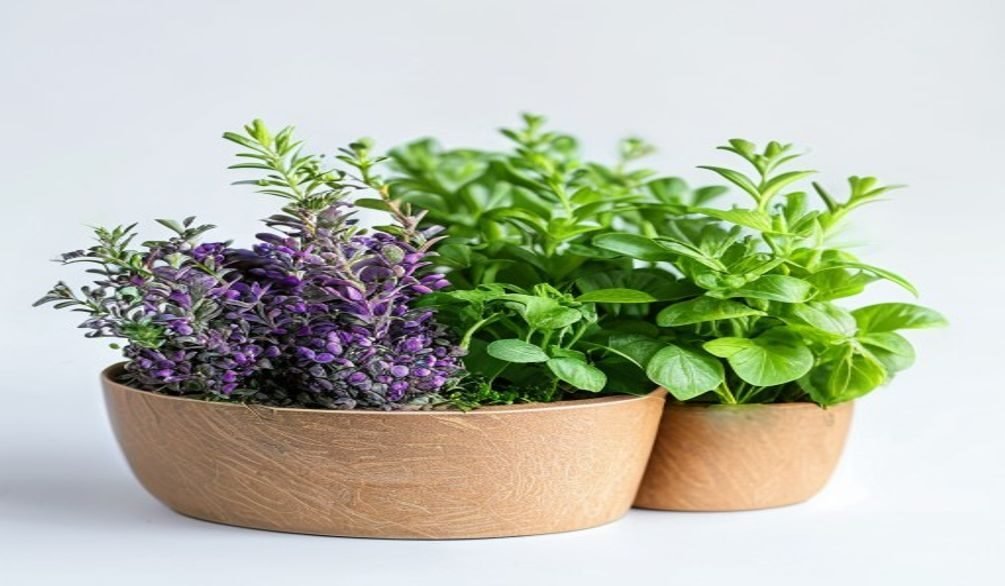
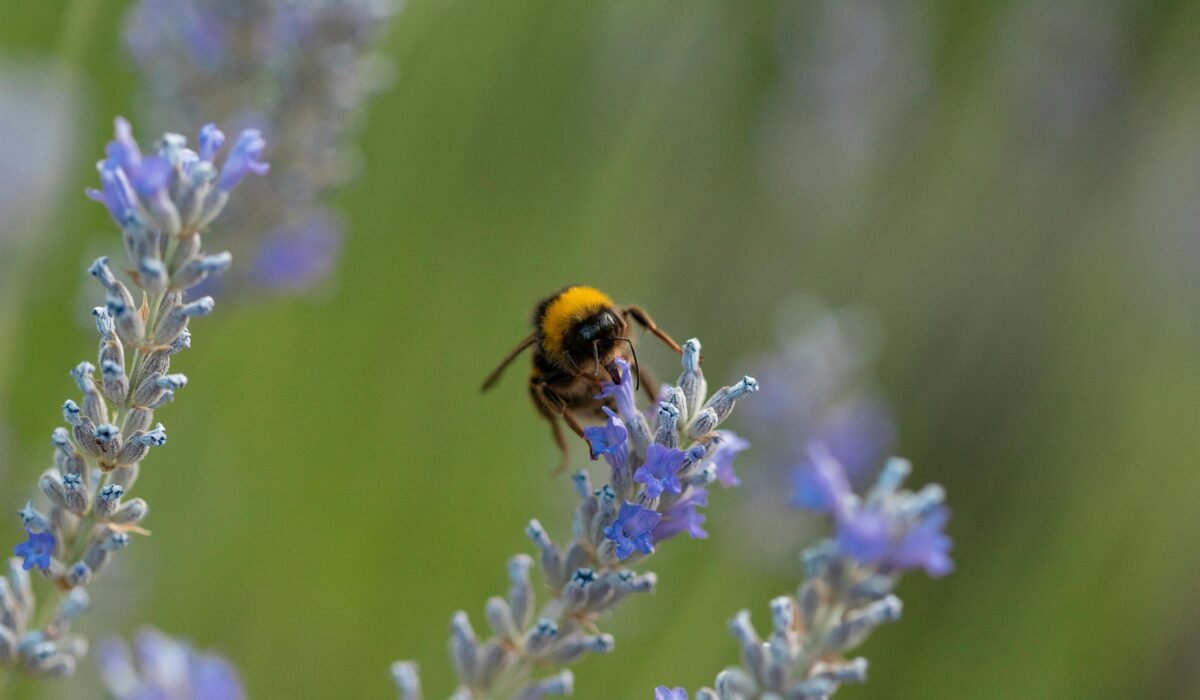
- Lavender: Fragrant and beautiful, drawing in a multitude of bees.
- Salvia: Offers a long blooming season and comes in many vibrant colors, loved by hummingbirds and bees.
- Herbs:
- Basil: When allowed to flower, basil provides excellent forage for bees.
- Oregano: Tiny flowers are highly attractive to small beneficial insects and bees.
- Thyme: A low-growing option that spills beautifully and offers small, bee-friendly blooms.
- Annuals & Climbers:
- Sunflowers (compact varieties): Offer abundant pollen and nectar, attracting large bees and birds.
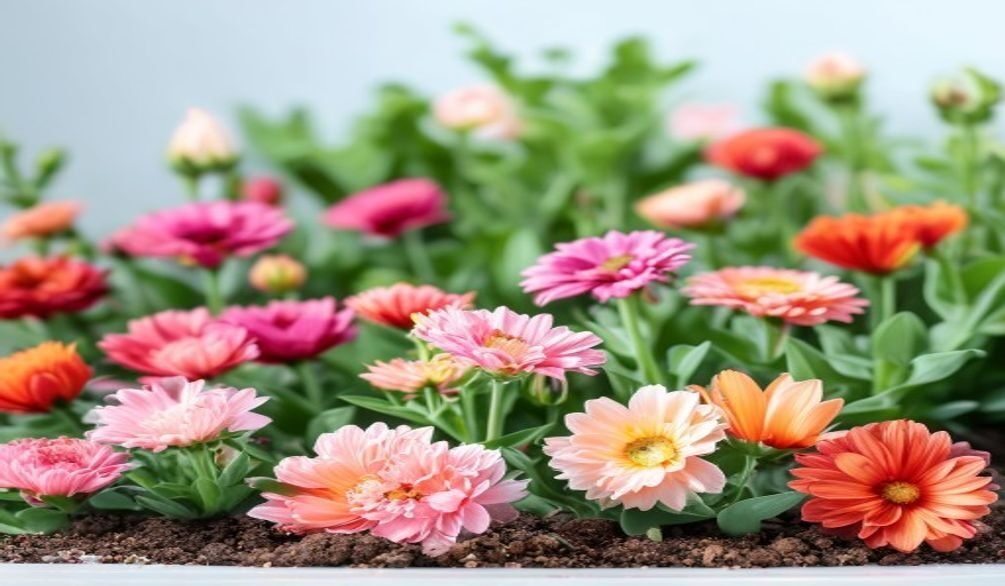
- Zinnias: A prolific bloomer in various colors, irresistible to butterflies.
- Marigolds: Not only attract beneficial insects but also deter some pests.
- Honeysuckle (compact varieties): Fragrant climbing plants that attract hummingbirds and butterflies.
- Clematis: Beautiful climbing flowers that provide good nectar for bees.
When selecting plants, consider their mature size and growth habit to ensure they fit well within your vertical garden pockets. The goal is to create a vibrant tapestry of blooms from spring through fall.
Designing Integrated Habitats for Vertical Pollinator Ecosystems
Creating a truly resilient vertical pollinator ecosystem goes beyond just planting flowers; it involves designing an integrated habitat that meets all the needs of beneficial insects. This holistic approach is crucial for long-term success, especially in a pollinator habitat wall.
Incorporating Nesting Sites and Shelters
Solitary bees, which don’t live in hives, are incredibly efficient pollinators and need specific nesting sites. Consider adding small, commercially available bee hotels designed for solitary bees directly onto or adjacent to your vertical garden structure. These typically consist of bamboo tubes or drilled wooden blocks.
For butterflies, brush bundles or dense foliage can offer shelter from wind and rain. The Garden Tower blog, for instance, suggests adding habitat features like bee hotels and butterfly puddling areas near vertical gardens to attract a broader range of pollinators. The MET Sacramento student project by Isa Sheikh successfully demonstrated how narrow spaces can be efficiently used for this purpose.
Water Sources and Puddling Areas
Even small vertical gardens can incorporate vital water sources. A shallow dish filled with sand and a bit of water, perhaps with a pinch of salt, creates a “puddling area” that butterflies adore. This provides essential minerals and hydration. Ensure the water is very shallow to prevent drowning.
Strategic Placement and Sunlight
Consider the sun exposure of your vertical garden. Most pollinator friendly plants require at least 6 hours of direct sunlight. Place your vertical garden in a location that maximizes light and offers some protection from harsh winds, if possible, to encourage insect visits.
Long-Term Maintenance for Resilient Vertical Pollinator Gardens
A thriving vertical pollinator garden isn’t a “set it and forget it” endeavor; it requires ongoing care and strategic maintenance to ensure its resilience and continued appeal to beneficial insects. This is where sustainable vertical gardens truly shine.
Optimal Watering and Drip Irrigation Systems
Due to limited soil volume, vertical gardens can dry out quickly. Consistent watering is essential for vigorous plant growth and sustained nectar production. Drip irrigation systems are ideal for vertical setups, delivering water directly to the plant roots efficiently and minimizing waste. Products like Watex Urban Farming Vertical Garden Kits often integrate these systems, making water management straightforward.
Regular monitoring of moisture levels is key. Overwatering can be just as detrimental as underwatering, leading to root rot and diminished plant health, which in turn impacts the availability of nectar sources for pollinators.
Maintaining Soil Health and Nutrient Levels
In confined spaces, soil nutrients can deplete rapidly. Regular feeding with organic, slow-release fertilizers or compost tea is crucial to support continuous blooming and robust plant health. Healthy plants produce more attractive flowers and are better equipped to withstand minor pest pressures.
The Garden Tower 2 System is frequently cited for its ability to integrate companion planting strategies and attract beneficial insects and pollinators due to its close-quarter soil ecosystem, which benefits from internal composting.
Natural Pest Management and Pollinator Conservation
Avoid synthetic pesticides at all costs, as they can harm beneficial insects and disrupt your carefully cultivated ecosystem. Instead, embrace natural pest control methods. Encouraging predatory insects, like ladybugs and lacewings, is a core strategy for a vertical garden pest control natural approach. You can learn more about these methods in our guide on Pest Resistant Organic Garden Design.
Practicing pollinator conservation means understanding that a healthy garden ecosystem will largely manage itself. Only intervene with organic solutions when absolutely necessary, and always choose products that are safe for bees and other beneficial insects.
Beyond Bees: Other Beneficial Insects Your Vertical Garden Needs
While bees are the most famous pollinators, a truly diverse and healthy vertical garden benefits from a wider array of beneficial insects. These unsung heroes play crucial roles in pollination and natural pest control, contributing to a robust beneficial insect habitat.
Butterflies and Moths
These beautiful insects are important pollinators, especially for tubular flowers. Their presence adds aesthetic appeal and indicates a healthy ecosystem. Provide host plants for their caterpillars alongside nectar sources for the adults to support their full life cycle.
Hoverflies (Syrphid Flies)
Often mistaken for bees, hoverflies are excellent pollinators and their larvae are voracious predators of aphids. Vertical garden pest control natural strategies often rely heavily on these tiny allies. Plants with small, accessible flowers like dill, cilantro, and sweet alyssum are particularly attractive to them.
Ladybugs (Lady Beetles)
Everyone’s favorite garden friend, ladybugs, are fantastic predators of aphids, mealybugs, and other soft-bodied pests. Attract them by providing plants with flat-topped flowers like yarrow and dill, and ensure there are plenty of aphids for them to feast on initially. For severe infestations, releasing ladybugs can be a natural solution, as discussed in our article on How to Get Rid of Mealybugs.
Lacewings
Both adult and larval lacewings are significant predators of aphids, thrips, and mites. Adult lacewings also feed on nectar and pollen, so pollinator friendly plants benefit them too. Offering diverse plant structures and avoiding pesticides will encourage lacewings to take up residence in your vertical garden.
Frequently Asked Questions
How do you attract pollinators to a vertical garden?
To attract pollinators to a vertical garden, focus on planting a diverse range of native, pollinator-friendly plants that bloom continuously throughout the season. Provide essential resources like shallow water sources for puddling and incorporate small nesting habitats like bee hotels. Strategic placement to maximize sunlight and minimize wind exposure also helps.
What plants attract pollinators to vertical gardens?
Excellent plants for attracting pollinators to vertical gardens include compact varieties of Black-eyed Susan, Purple Coneflower, Lavender, Salvia, Zinnias, and Marigolds. Herbs like Basil, Oregano, and Thyme, when allowed to flower, are also highly attractive to a variety of beneficial insects. Choose plants with different flower shapes and colors to appeal to a wider range of pollinators.
Are vertical gardens good for pollinators?
Yes, vertical gardens are remarkably good for pollinators, especially in urban areas with limited ground space. They provide vital beneficial insect habitat and nectar sources, offering a crucial green corridor for bees, butterflies, and other beneficial insects. Studies show wild bees, in particular, often prefer vertical systems over traditional horizontal plantings.
What are beneficial insects for gardens?
Beneficial insects in gardens include pollinators like bees, butterflies, and hoverflies, which are essential for plant reproduction. They also encompass predatory insects such as ladybugs, lacewings, and parasitic wasps, which naturally control pest populations like aphids and mites. These insects contribute to a balanced ecosystem and reduce the need for chemical pesticides.
By embracing these expert strategies for attracting beneficial insects vertical gardens, you’re not just growing plants; you’re cultivating a vibrant, resilient ecosystem. Every design choice, plant selection, and maintenance practice contributes to creating a thriving habitat, even in the smallest spaces. Start integrating these principles today and watch your vertical garden burst with life and ecological purpose.