Seeing that unwelcome green slime hydroponics develop in your carefully managed system can be frustrating, signaling potential issues with your crop’s health. Effective hydroponic system algae control is crucial for maintaining a thriving garden, preventing nutrient deficiencies, and safeguarding your plants from related problems. This comprehensive guide will equip you with the knowledge and actionable strategies to stop green slime growth, ensuring your hydroponic system remains clean, efficient, and productive.
What Causes Algae Growth in Your Hydroponic System?
Algae, particularly that pesky green slime hydroponics growers often encounter, thrive on three fundamental elements: light, water, and nutrients. When these conditions align in your hydroponic setup, algae spores, which are almost universally present, quickly colonize and multiply.
Light Exposure
The primary culprit behind most algae infestations is unwanted light exposure. Any part of your system that holds nutrient solution and is exposed to light, even indirect light, becomes an ideal breeding ground. This includes translucent reservoir walls, uncovered lids, or even light leaks around tubing. Algae are photosynthetic organisms, meaning they use light to produce energy, just like your plants.
Nutrient-Rich Water
Your hydroponic nutrient solution is specifically formulated to provide everything your plants need to grow. Unfortunately, it’s also a perfect buffet for algae. The nitrates, phosphates, and micronutrients intended for your crops become readily available food for algae, fueling their rapid proliferation. This is why you often see nutrient solution algae forming a thick layer.
Warm Water Temperatures
Warm water significantly accelerates algae growth. While your plants have an optimal hydroponic water temperature range, temperatures exceeding 68-70°F (20-21°C) create an even more hospitable environment for algae. Higher temperatures also reduce dissolved oxygen levels, stressing your plants and making them more vulnerable. What most people miss is that algae can outcompete your plants for oxygen and nutrients in warmer water.
How to Prevent Algae in Hydroponic Systems Proactively
The best defense against algae is a strong offense. Proactive prevention is far easier and more effective than trying to eliminate an established infestation. Focusing on these strategies will help you prevent hydroponic algae before it becomes a problem.
Achieve Complete Light Exclusion
This is arguably the most critical step in algae prevention hydroponics. Ensure every component of your system that contains nutrient solution is completely opaque. Use dark-colored, light-proof materials for reservoirs, tubing, and grow channels. General Hydroponics, a leading innovator, advises growers to “Make sure your reservoir is covered and as light tight as possible. This will ensure that algal growth is minimized.” Even small gaps can let in enough light for algae to start.
- Opaque Reservoirs: Opt for black or dark-colored plastic. If using clear containers, paint them or wrap them thoroughly with light-blocking material like reflective insulation or heavy-duty tape.
- Covered Lids & Openings: Seal all reservoir openings except for necessary access points. Use snugly fitting lids and cover any gaps around net pots or tubing.
- Dark Tubing & Channels: Black or opaque tubing is essential for nutrient delivery lines. If using DIY systems, ensure grow channels are completely light-proof.
Maintain Optimal Water Temperature
Keeping your nutrient solution cool is vital. Aim for a hydroponic water temperature between 65-68°F (18-20°C) to deter algae growth and promote healthy root development. Warmer water not only encourages algae but also reduces dissolved oxygen, impacting your plants.
Consider using a water chiller if your grow environment is consistently warm. For more in-depth guidance on this, check out our guide on Hydroponic Water Temperature Control.
Regular Hydroponic Reservoir Cleaning
Even with excellent light exclusion, microscopic algae spores can still enter your system. Regular hydroponic reservoir cleaning is essential. Fully drain and clean your reservoir and lines every 1-2 weeks, especially when changing your nutrient solution.
Use a mild, food-grade cleaning solution or a diluted hydrogen peroxide rinse (more on this later) to scrub away any residue. This helps remove any nascent green slime hydroponics might be starting.
Optimize Nutrient Solution Management
Avoid over-fertilizing, as excess nutrients can fuel algae. Use a high-quality nutrient solution specifically designed for hydroponics and follow the manufacturer’s recommendations. Ensure proper aeration in your reservoir; “Always aerate your reservoir,” advises General Hydroponics, as this maintains oxygen levels critical for roots and less favorable for algae.
Effective Methods to Eliminate Green Algae in Hydroponics
When prevention falls short, you need reliable hydroponic algae solutions to kill algae hydroponic reservoir infestations. Here’s how to tackle existing green slime growth.
Manual Removal and System Flush
For minor outbreaks, start with a manual approach. Physically scrub away any visible hydroponics green slime from your reservoir and components. Then, perform a complete system flush. This involves:
- Draining your entire system.
- Rinsing all components with clean water.
- Refilling with fresh, pH-balanced water (no nutrients) and running it through the system for a few hours.
- Draining and refilling with a fresh nutrient solution.
This process removes both algae and any residual spores. It’s a fundamental step before applying other treatments.
Utilizing UV Sterilizers
A UV sterilizer hydroponics unit can be a highly effective tool for eliminating free-floating algae spores and other pathogens in your nutrient solution. As water passes through the UV chamber, ultraviolet light destroys the DNA of algae and other microorganisms, preventing them from reproducing. Upstart University suggests shading and UV filters as primary control options for hydroponic growers, noting that “Algae rarely become a problem in hydroponic systems, which are less biologically active and have less space for algae populations to thrive.”
Install a UV sterilizer in-line with your pump, ensuring all recirculating water passes through it. This method offers continuous protection without adding chemicals to your solution.
Hydrogen Peroxide Application
Hydrogen peroxide (H2O2) is a powerful oxidizer that can effectively kill algae in hydroponic reservoir systems. It works by breaking down into water and oxygen, making it relatively safe for plants when used correctly. A study published in the American Journal of Student Research in November 2025 indicated that “Out of four different common disinfectants (ethanol, isopropyl alcohol, bleach, and 3% hydrogen peroxide), H2O2 was the most effective in inhibiting algae growth” in hydroponic nutrient solutions.
Typically, a 3% hydrogen peroxide solution is diluted to 3-5 milliliters per gallon of hydroponic water. Add it to your reservoir, and it will help break down algae and oxygenate your solution. However, be cautious: high concentrations can harm plant roots and beneficial microbes. We’ll dive deeper into its use shortly.
Hydrogen Peroxide vs. Beneficial Bacteria: A Comparative Guide for Algae Control
When it comes to chemical versus biological methods for hydroponic system algae control, hydrogen peroxide and beneficial bacteria represent two distinct approaches. Understanding their mechanisms and interactions is key to choosing the right strategy.
Hydrogen Peroxide (H2O2)
How it works: Hydrogen peroxide is a strong oxidizing agent. When introduced to your nutrient solution, it releases an extra oxygen atom that effectively breaks down organic matter, including algae cells. This also helps oxygenate your water, which can benefit roots and deter anaerobic pathogens.
Pros:
- Fast-acting: Quickly kills existing algae.
- Breaks down safely: Decomposes into water and oxygen, leaving no harmful residues.
- Root health: Can help prevent root rot by increasing oxygen levels around roots.
Cons:
- Short-lived: Its effects are temporary, requiring repeated applications.
- Kills beneficials: A significant drawback is that H2O2 will also kill beneficial bacteria hydroponics relies on, if applied at the same time or too soon.
- Can harm plants: Overuse or too high a concentration can damage sensitive roots.
Research from Oklahoma State University in June 2022 found that “dry weight of algae, chlorophyll a, and algal cell counts were significantly affected by the rate and application timing of two hydrogen peroxide products.” Specifically, weekly applications of 70 mL of products like Zeretol or PERpose Plus were effective for controlling algae and improving plant growth in peppers and tomatoes.
Beneficial Bacteria (e.g., Hydroguard)
How it works: Beneficial bacteria hydroponics products introduce specific microorganisms (like *Bacillus amyloliquefaciens* in Botanicare’s Hydroguard) into your nutrient solution. These bacteria then outcompete algae for nutrients and space, forming a protective biofilm on roots and system surfaces. They also help break down organic waste, improving nutrient availability and preventing root disease.
Pros:
- Natural algae control hydroponics: A biological, organic algae control method.
- Long-term prevention: Establishes a thriving microbial ecosystem that naturally suppresses algae and pathogens.
- Enhances root health: Promotes stronger roots and nutrient uptake, actively contributing to root rot prevention.
Cons:
- Slower acting: Takes time to establish a dominant colony, not ideal for immediate eradication of severe outbreaks.
- Sensitive to chemicals: Easily killed by harsh chemical treatments like hydrogen peroxide or bleach.
- Temperature dependent: Efficacy can be reduced in very high or low water temperatures.
The Critical Distinction: You generally cannot use hydrogen peroxide and beneficial bacteria concurrently. If you’re using beneficial bacteria for natural algae control hydroponics, avoid H2O2. If you need to use H2O2 for a severe algae outbreak, allow several days for it to dissipate from the system before reintroducing beneficial bacteria. In practice, many growers use H2O2 for initial sterilization or severe issues, then transition to beneficial bacteria for ongoing prevention.
System-Specific Algae Control: DWC, NFT, and Aeroponics Solutions
While general principles of hydroponic system algae control apply across the board, each system type presents unique challenges and opportunities for tailored solutions. What works for a Deep Water Culture (DWC) might need tweaking for a Nutrient Film Technique (NFT) or aeroponic setup.
Deep Water Culture (DWC) Systems
DWC systems, with their large, stagnant reservoirs, are particularly susceptible to algae if not properly managed. The constant immersion of roots in nutrient solution makes light exclusion critical.
- Reservoir Opacity: Absolutely paramount. Ensure your DWC reservoir is 100% opaque. Paint, wrap, or buy dark-colored bins.
- Lid Seals: Ensure net pot openings and access points are snug, preventing light from penetrating the water surface.
- Aeration & Temperature: Maintain vigorous aeration to keep dissolved oxygen high, and actively manage hydroponic water temperature to stay below 68°F (20°C). This significantly reduces algae’s competitive advantage.
- Regular Draining: Due to the large volume, DWC reservoirs benefit from complete draining and cleaning every 1-2 weeks, scrubbing away any green slime hydroponics might have started.
Nutrient Film Technique (NFT) Systems
NFT systems involve a thin film of nutrient solution flowing over bare roots in channels. While less water volume means less surface area for algae, the channels themselves can become breeding grounds if exposed to light.
- Opaque Channels: Ensure all NFT channels are completely opaque. White PVC, while reflective, can allow light to penetrate if thin; paint or cover it.
- Tight Fittings: Prevent light leaks where nutrient solution enters and exits the channels.
- Consistent Flow: Maintain consistent, even flow rates. Stagnant pockets of water in channels are prime locations for algae to settle and grow.
- Flushing: Regular flushing of the entire system (channels and reservoir) helps dislodge and remove any nascent algae or biofilm.
Aeroponics Systems
Aeroponic systems typically have very little standing water, as roots are suspended in air and misted with nutrient solution. This usually makes them less prone to widespread algae mats, but biofilm and algae can still form in misting nozzles and collection trays.
- Misting Nozzle Maintenance: Algae can clog fine misting nozzles, reducing efficiency. Regular inspection and cleaning (e.g., with a pipe cleaner or diluted H2O2) are crucial.
- Opaque Chambers: The root chamber itself should be completely dark to prevent any light from reaching the roots or the mist.
- Collection Tray Cleaning: While roots are misted, excess solution collects. Ensure collection trays are opaque and cleaned regularly to prevent any green slime growth.
No matter the system, proactive light exclusion and consistent hygiene are your strongest allies in effective hydroponic system algae control.
The Algae-Pest Connection: Integrating Algae Control into IPM
What most people miss is that algae aren’t just an aesthetic problem or a competitor for nutrients; they’re also a beacon for unwanted pests. Integrating algae control into a broader Integrated Pest Management (IPM) strategy is a smart, holistic approach to maintaining a healthy hydroponic garden. Algae control is a critical component of a Pest Resistant Organic Garden Design.
Algae as a Pest Magnet
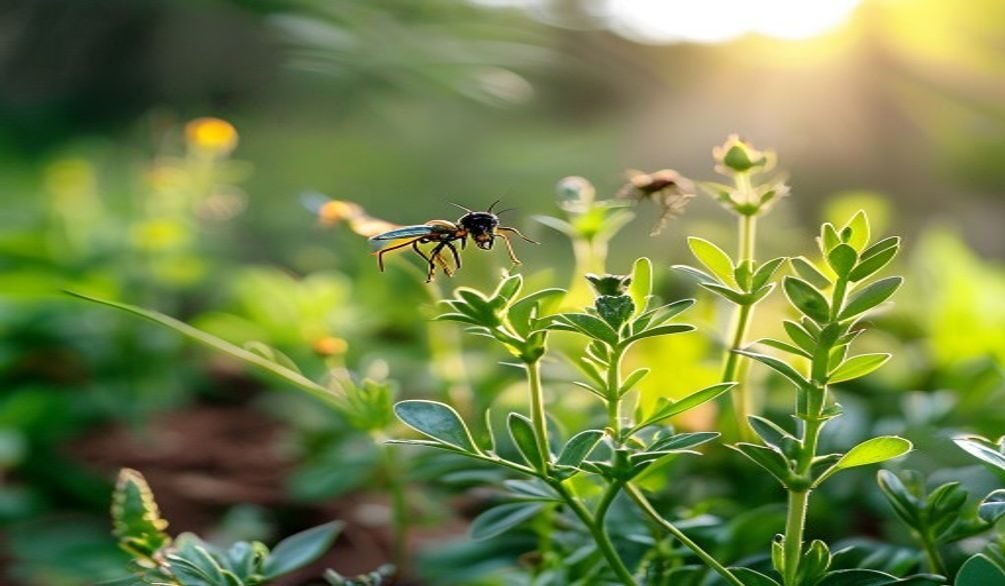
Fungus Gnats and Shore Flies: These common hydroponic pests are particularly attracted to moist, algae-rich environments. Fungus gnats lay their eggs in the damp algae mats, and their larvae feed on the algae and decomposing organic matter. Shore flies also thrive in these conditions. An abundance of algae provides an ideal breeding ground and food source, leading to rapid population explosions.
The Cycle: When you have algae, you attract these pests. The pests then become a nuisance, potentially damaging plant roots (especially fungus gnat larvae) and transmitting diseases. By eliminating the algae, you remove a crucial part of their life cycle and habitat, making your system far less appealing to them. This is a fundamental step in how to get rid of mealybugs and other common hydroponic pests.
Algae Control as an IPM Component
An effective IPM strategy involves a combination of preventative, cultural, biological, and chemical controls. Algae control fits perfectly into the preventative and cultural categories:
- Sanitation: Regular hydroponic reservoir cleaning and maintaining a clean grow area removes algae and potential pest breeding sites.
- Environmental Control: Light exclusion and optimal hydroponic water temperature directly prevent algae, thereby deterring pests.
- Monitoring: Regularly inspecting your system for algae also provides an opportunity to scout for early signs of pest activity.
- Biological Controls: Using beneficial bacteria hydroponics in your system can help suppress algae, indirectly reducing pest pressure by eliminating their food source.
By proactively managing algae, you’re not just ensuring better plant health and nutrient uptake; you’re also building a natural barrier against common hydroponic pests. This holistic view strengthens your overall garden resilience.
Advanced Monitoring & Early Detection for Algae-Free Hydroponics
While visual inspection is a good start, true expertise in hydroponic system algae control comes from understanding and utilizing advanced monitoring techniques. Early detection allows for swift intervention, preventing minor green slime hydroponics from escalating into a full-blown infestation.
Beyond Visual Inspection
Don’t just look for visible green mats. Algae can begin as a thin, often brownish, film on reservoir walls or roots before turning distinctly green. Regularly check areas that are typically hidden, like the undersides of net pots or within tubing.
Consider using a small flashlight to inspect the interior of your reservoir during nutrient changes. Even clear nutrient solution can harbor microscopic algae spores that are just starting to grow.
Monitoring Key Water Parameters
Subtle shifts in your nutrient solution can be early indicators of algae growth, even before it’s visible:
- Dissolved Oxygen (DO) Levels: Algae consume dissolved oxygen, especially at night. A sudden, unexplained drop in your DO levels can signal increased biological activity, including algae. Maintain strong aeration to keep DO high.
- pH Fluctuations: Algae can influence the pH of your nutrient solution, often causing it to rise during the day as they photosynthesize and drop at night. Consistent, unexplained pH instability might be a sign.
- Nutrient Uptake Issues: If your plants suddenly show signs of nutrient deficiency despite proper feeding, it could be that algae are outcompeting them for essential elements. Algae can significantly impact nutrient solution stability and availability.
Proactive Measures and Technology
For more advanced growers, integrating specific technologies can offer continuous protection and early warnings:
UV Sterilizers: As mentioned, a UV sterilizer hydroponics unit provides continuous protection by eliminating free-floating algae spores and other pathogens. This is a proactive measure that works silently in the background.
Automated Sensors: High-end hydroponic systems can employ automated sensors for continuous monitoring of pH, EC, and DO. Alerts can be set to notify you of deviations, allowing you to investigate potential algae issues immediately.
Root Zone Health Checks: Regularly inspect your plant roots. Healthy roots are typically white or creamy white. Any browning, sliminess, or green discoloration on roots can indicate algae attachment or the onset of root rot prevention issues, which algae can exacerbate. Dr. Bruce Dunn, Professor, Horticulture & Landscape Architecture at Oklahoma State University, noted that research “gives growers a quick and easy way of controlling algae without affecting plant growth.”
By combining vigilant visual checks with parameter monitoring and smart technology, you can catch algae problems at their earliest stages, ensuring your hydroponic system remains pristine and productive.
Maintaining an Algae-Free Hydroponic Environment Long-Term
Achieving an algae-free hydroponic system isn’t a one-time fix; it’s an ongoing commitment to best practices. Long-term success in hydroponic system algae control hinges on consistency, vigilance, and integrating preventative measures into your routine. Think of it as a continuous cycle of care.
Consistency is Key
Sporadic cleaning or occasional light exclusion won’t cut it. Make light-tightness, optimal hydroponic water temperature, and regular hydroponic reservoir cleaning non-negotiable parts of your hydroponic routine. Every time you change your nutrient solution, perform a thorough cleaning. Every time you adjust your system, double-check for light leaks. This consistent effort is the bedrock of long-term algae prevention hydroponics.
Adopt a Holistic Approach
Remember that algae control isn’t isolated. It’s intimately connected to overall system health, root health, and pest management. By prioritizing an algae-free environment, you’re simultaneously reducing the risk of root rot prevention issues and making your garden less attractive to pests like fungus gnats. This holistic perspective ensures a more resilient and productive grow space.
Consider Continuous Treatment Options
For some growers, especially those with larger or more complex systems, continuous preventative treatments can be beneficial. Products like Intra Hydropure, designed for irrigation systems, have shown significant efficacy in algae prevention. Laboratory tests in April 2025 demonstrated that “Incubation of blue-green algae with up to 100 ppm Intra Hydropure for 24 hours resulted in the visual elimination of the algae.” Continuous use at 10 ppm helps reduce algae growth, offering a layer of protection against biofilm and microbiological issues.
Alternatively, maintaining a healthy colony of beneficial bacteria hydroponics provides a natural, ongoing defense against algae, outcompeting them for resources and space without chemical intervention.
By embedding these practices into your regular hydroponic regimen, you’ll ensure that your system remains clean, your plants thrive, and that dreaded green slime hydroponics becomes a distant memory.
Frequently Asked Questions
How do I stop green algae in hydroponics?
You can stop green algae in hydroponics primarily through rigorous light exclusion, preventing any light from reaching your nutrient solution. Additionally, maintain optimal water temperatures (below 68°F), perform regular reservoir cleaning, and ensure proper aeration. These preventative measures starve algae of the conditions they need to thrive.
What kills green algae in hydroponics?
Several methods effectively kill green algae in hydroponics, including manual scrubbing and system flushing for physical removal. Chemical options like diluted 3% hydrogen peroxide (3-5 ml per gallon) can oxidize and eliminate algae. Alternatively, a UV sterilizer hydroponics unit can continuously kill free-floating algae spores without chemicals, or beneficial bacteria can outcompete algae for resources.
How do you prevent algae growth in hydroponics naturally?
To prevent algae growth in hydroponics naturally, focus on complete light exclusion by using opaque reservoirs and tubing, as algae cannot photosynthesize without light. Maintain a clean system with regular reservoir cleaning, and consider introducing beneficial bacteria hydroponics products. These bacteria compete with algae for nutrients and space, providing an organic algae control solution.
Does hydrogen peroxide kill algae in hydroponics?
Yes, hydrogen peroxide effectively kills algae in hydroponics. It acts as a strong oxidizer, breaking down algae cells and releasing oxygen into the nutrient solution. For best results, use a 3% hydrogen peroxide solution diluted to 3-5 milliliters per gallon of water, but be cautious as it can also kill beneficial bacteria if applied concurrently or in excessive concentrations.
Mastering hydroponic system algae control is an essential skill for any successful grower, moving beyond just preventing green slime hydroponics to fostering a truly robust and healthy environment for your plants. By implementing these strategies—from vigilant light exclusion and temperature management to strategic cleaning and the smart use of biological or chemical solutions—you’ll safeguard your system against unwanted invaders. Take action today to ensure your hydroponic garden thrives, free from the competition and complications that algae can bring.