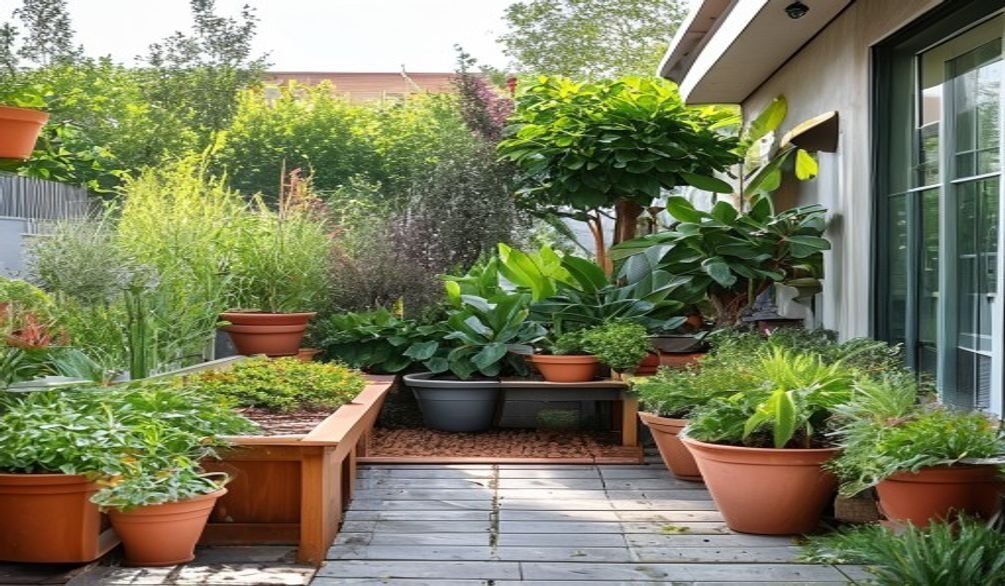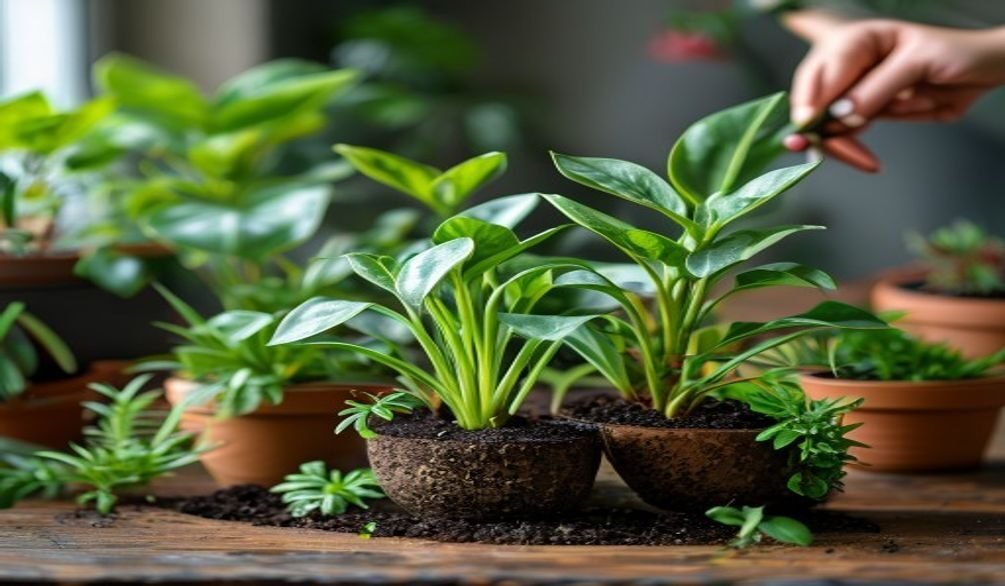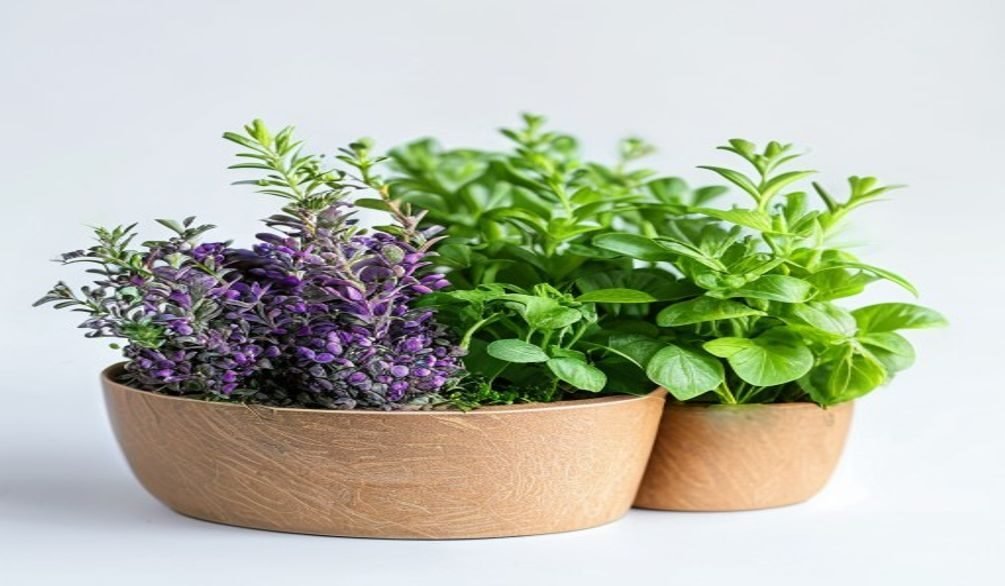
Are you dreaming of a lush, vibrant balcony garden but feel limited by space or budget? Creating beautiful, functional green spaces on even the smallest urban footprint is entirely possible with DIY upcycled planters for small balconies, transforming everyday items into unique homes for your plants. This guide will show you how to turn forgotten objects into thriving gardens, offering creative ideas and practical steps to build your dream balcony oasis.
Why Choose Upcycled Planters for Your Balcony Garden?
Choosing repurposed garden containers for your balcony isn’t just a trend; it’s a smart, sustainable, and highly rewarding approach to gardening. For urban dwellers, especially, it unlocks a world of possibilities for small space gardening. What most people miss is just how much character these unique pieces add.
Firstly, upcycling is inherently eco-friendly. With the global upcycling sector expected to reach $84 billion by 2032, it’s clear that reducing waste and giving new life to old items aligns with growing environmental awareness. You’re diverting potential landfill waste into beautiful, functional objects.
Secondly, it’s incredibly cost-effective. Why buy expensive pots when you can transform items you already own, or find for free, into creative planters DIY solutions? A well-maintained vegetable garden, for example, can yield an average return of $500 per year, making those initial “free” containers even more valuable.
Finally, upcycled planters add unparalleled personality and charm to your balcony garden ideas. Each piece tells a story, making your space truly one-of-a-kind. It allows for a level of customization that mass-produced pots simply can’t offer.
What Can You Upcycle into Balcony Planters?
The beauty of upcycling lies in its boundless potential; almost anything can become a planter with a little ingenuity. Sharon Yiesla, Plant Knowledge Specialist at The Morton Arboretum, wisely notes, “Just about anything that you can poke drainage holes in and won’t decay quickly can be a container.” This opens up a world of upcycling ideas for plants, making sustainable container gardening accessible to everyone.
Here’s a list of common household items perfect for transformation:
- Plastic Containers: From laundry detergent bottles to large yogurt tubs and soda bottles, these are lightweight and easy to modify.
- Tin Cans: Coffee cans, food tins, and even larger biscuit tins can be painted and used for smaller plants.
- Old Furniture: Drawers, wooden chairs with seats removed, and even small cabinets offer rustic charm and depth. These are excellent upcycled furniture planters for small spaces.
- Kitchenware: Colanders (natural drainage!), old teapots, and even mixing bowls can become quirky plant pots.
- Tires: While larger, smaller tires can be painted and stacked for a robust, industrial look.
- Rain Gutters: Sections of old gutters can be mounted horizontally to create instant window boxes or linear gardens.
- Glass Jars & Bottles: Ideal for terrariums or rooting cuttings, though careful drainage consideration is needed for direct planting.
- Wooden Crates & Pallets: Excellent for creating larger, more substantial containers or even building vertical structures.
The key is to look at everyday items with a fresh perspective, envisioning their potential as a home for greenery.
Safe Upcycling: Choosing Materials Wisely for Your DIY Planters
While the possibilities for DIY upcycled planters for small balconies are vast, safety should always be your top priority, especially if you plan to grow edibles. Certain materials can leach harmful chemicals into the soil, impacting plant health and potentially your own. This is a critical aspect of eco-friendly balcony garden solutions that is often overlooked.
When choosing plastic containers, always opt for food-grade plastics, typically labeled with recycling codes #1 (PETE), #2 (HDPE), #4 (LDPE), or #5 (PP). These are generally considered safe for growing fruits, vegetables, and herbs. Avoid plastics without labels or those known to contain BPA or phthalates, as these can break down over time and contaminate your soil.
For metal containers like tin cans, consider potential rust. While minor surface rust is unlikely to harm plants, it can degrade the container quickly. Lining metal planters with plastic sheeting (again, food-grade) or applying a rust-proof sealant can extend their life and prevent direct contact between soil and metal.
If repurposing wooden items, be mindful of treated wood. Pressure-treated lumber often contains chemicals designed to prevent rot and pests, which can be toxic to plants and humans. Stick to untreated wood, like old wine boxes or natural pallets, or line treated wood thoroughly with heavy-duty pond liner or thick plastic sheeting.
Ultimately, your goal is to create a safe, stable environment for your plants. A dedicated section on material sourcing builds trust and ensures your sustainable container gardening efforts are truly beneficial.
How to Make Upcycled Planters: Step-by-Step Guides for Common Materials
Transforming everyday items into functional planters is easier than you might think. Here are detailed guides for some of the most popular upcycling ideas for plants, ensuring your DIY plant pots are ready for growing.
DIY Self-Watering Plastic Bottle Planters
These are fantastic for herbs and smaller plants, especially if you’re looking for how to make self-watering planters from plastic bottles. They minimize watering frequency, perfect for busy gardeners.
- Gather Materials: You’ll need two plastic bottles (1.5-2 liter size works well), scissors or a utility knife, a piece of string or wick material (e.g., cotton rope, old shoelace), and soil.
- Cut the Bottles: Cut one bottle about one-third of the way up from the bottom. This will be your water reservoir. Cut the second bottle about two-thirds of the way up from the bottom. This will be your planting section.
- Prepare the Wick: Thread your string or wick through the bottle cap of the planting section. Tie a knot on the inside to secure it, ensuring the wick extends well into the bottle.
- Assemble: Invert the planting section (with the wick) and place it into the water reservoir section. Ensure the wick reaches the bottom of the reservoir.
- Plant: Fill the top section with potting mix, ensuring the wick is covered. Plant your chosen seeds or seedling. Fill the bottom reservoir with water. The wick will draw water up to the soil as needed.
Rustic Tin Can Planters
Tin cans are readily available and make charming small planters. This is a great container garden hack for tiny spaces.
- Clean Cans: Thoroughly wash and dry your tin cans. Remove any sharp edges around the rim if present.
- Drill Drainage Holes: Using a drill with a metal bit (or a hammer and nail), carefully create 3-5 drainage holes in the bottom of each can. Proper drainage is crucial to prevent root rot.
- Rust Prevention (Optional but Recommended): For longer life, especially for outdoor use, spray the inside and outside of the cans with a rust-inhibiting primer, followed by an outdoor-grade paint. This creates rust-proof DIY metal planters.
- Decorate & Plant: Once dry, paint, distress, or wrap your cans in twine. Fill with potting mix and plant small herbs, succulents, or annuals.
Repurposed Wooden Drawer Planters
Old dresser drawers offer depth and a rustic aesthetic, perfect for a more substantial container garden.
- Prepare the Drawer: Remove any hardware from the drawer. Clean it thoroughly.
- Add Drainage: Drill several drainage holes (at least 1/2 inch in diameter) along the bottom of the drawer, spaced every 6-8 inches.
- Line the Drawer: To protect the wood and prevent soil from escaping, line the inside of the drawer with heavy-duty pond liner or thick plastic sheeting. Staple or tack it securely along the top edges, ensuring it covers the bottom and sides completely. Poke holes in the liner directly over your drilled drainage holes.
- Seal & Paint (Optional): Apply an outdoor-grade sealant or paint to the exterior of the drawer to protect the wood from weather elements.
- Plant: Fill with a good quality potting mix and plant your chosen vegetables, herbs, or flowers. These make excellent upcycled furniture planters for small spaces.
Maximizing Small Balcony Spaces with Upcycled Vertical Gardens
The key to thriving balcony gardens, especially in urban areas, is to think vertically. Vertical gardening solutions allow you to grow more plants in less horizontal space, transforming bare walls into green havens. This is where balcony garden vertical upcycling ideas truly shine, making the most of every inch.
Consider repurposing old wooden pallets into a tiered planter system. With minimal modifications, a pallet can be leaned against a wall, and its slats used to hold small planters or even lined to create planting pockets. Old ladders can also be painted and used as shelving for a collection of diverse upcycled pots, creating varied heights and visual interest. For even more ideas on utilizing vertical space, explore Smart Balcony Trellis Ideas.
Another popular choice for vertical gardening is using old shoe organizers. These fabric pockets can be hung on a wall or railing, providing individual compartments perfect for herbs, strawberries, or small annuals. Just ensure adequate drainage by snipping small holes in the bottom of each pocket. This approach is a fantastic example of creative recycled garden containers urban gardeners can implement.
Plant Pairing Guide: What to Grow in Your Upcycled Containers
Choosing the right plants for your DIY plant pots is essential for their success, as different upcycled containers offer varying conditions. Understanding these nuances helps you create a thriving small space gardening setup. What most people miss is that the material and size of your container directly influence plant health.
* Plastic Bottles (Self-Watering): Ideal for moisture-loving herbs like mint, basil, and parsley. Also great for strawberries or small leafy greens that benefit from consistent hydration.
* Tin Cans/Small Metal Tins: Best for succulents, small cacti, or herbs like thyme and oregano that prefer well-drained soil and don’t mind a bit of heat retention from the metal. Ensure excellent drainage.
* Wooden Crates/Drawers: Their larger size and depth make them perfect for compact vegetables like bush beans, radishes, carrots (shorter varieties), or leafy greens. They also accommodate larger herbs like rosemary or lavender.
* Colanders: With their built-in drainage, colanders are fantastic for plants that absolutely detest wet feet, such as succulents, many herbs, or even small ornamental grasses.
* Hanging Shoe Organizers: Excellent for a variety of shallow-rooted herbs (chives, cilantro), strawberries, or cascading annual flowers like petunias and nasturtiums.
* Tires: Their substantial size makes them suitable for larger vegetables like potatoes, tomatoes, or even small fruit bushes. Just ensure they are painted a light color to prevent excessive heat absorption.
For more inspiration on what to grow in your upcycled containers, particularly herbs, consider exploring Best Herbs for Terrace Garden. Thoughtful plant pairing ensures your best plants for upcycled balcony pots thrive.
Extend the Life of Your DIY Upcycled Planters: Maintenance Tips
One common concern with upcycled items is their durability, especially when exposed to the elements. However, with a few proactive steps, you can significantly extend the life of your DIY upcycled planters, ensuring they remain beautiful and functional for seasons to come. Longevity is key for true sustainable container gardening.
* Ensure Adequate Drainage: This is paramount for any planter. Always drill sufficient drainage holes to prevent waterlogging, which can damage both your plants and the container material. Elevate planters slightly off the ground to allow water to escape freely.
* Seal and Protect Wood: Untreated wood is susceptible to rot. Before planting, apply an outdoor-grade wood sealant, stain, or paint. Reapply annually or biannually, especially for items like wooden wine boxes and metal buckets which are cited as durable options when properly treated.
* Combat Rust on Metal: As mentioned, metal containers can rust. A rust-inhibiting primer followed by outdoor paint is crucial. You can also line metal planters with plastic sheeting (with drainage holes) to create a barrier between the soil and the metal, effectively creating rust-proof DIY metal planters.
* Protect Plastics from UV Degradation: While food-grade plastics are generally stable, prolonged exposure to harsh UV rays can make them brittle. Painting plastic containers with UV-resistant outdoor paint can help protect them and also enhance their aesthetic.
* Consider Container Liners: For almost any material, a non-woven fabric liner (like landscaping fabric) or even thick plastic sheeting (with drainage holes) can protect the container from direct soil contact, reduce material degradation, and help retain soil.
* Seasonal Storage: If possible, bring more delicate upcycled planters indoors during harsh winter weather or extreme heat to protect them from rapid degradation.
By taking these preventative measures, your creative planters DIY will not only look good but also last longer, contributing to truly zero waste container gardening.
Creative Touches: Decorating & Integrating Your Upcycled Garden
Once your DIY upcycled planters for small balconies are functional, it’s time to infuse them with personal style and integrate them into a cohesive balcony aesthetic. This is where your creativity truly blossoms, transforming a collection of repurposed items into a charming urban oasis. The goal is to make your eco-friendly planters feel intentionally designed, not just random.
Consider a unified color palette. Painting various upcycled containers in complementary shades—perhaps a mix of pastels, earth tones, or bright pops of color—can tie disparate items together. Use stencils, freehand designs, or even decoupage with outdoor-friendly materials to add unique patterns or textures. For instance, old vintage tins can be planted up to add charm and a touch of nostalgia to outdoor spaces, especially when grouped.
Think about layering. Place taller upcycled furniture planters for small spaces, like an old drawer unit, at the back, with medium-sized colanders or painted tin cans in front. Incorporate hanging elements using repurposed items like old baskets or even colanders suspended from hooks to add another dimension. Don’t forget ambient lighting, such as solar-powered fairy lights draped around your vertical garden solutions, to make your balcony inviting in the evenings.
Finally, integrate other natural elements. Small pebbles, driftwood, or even strategically placed rocks can complement the rustic or industrial feel of many upcycled containers. The aim is to create a harmonious space that reflects your personality and celebrates the spirit of creative planters DIY.
Frequently Asked Questions
What can I use for a balcony planter?
You can upcycle a vast array of common household items into balcony planters, limited only by your imagination and the need for drainage. Popular choices include plastic bottles, tin cans, old colanders, wooden crates, dresser drawers, and even old shoes. The key is to ensure the item can hold soil and allows for proper water drainage.
What materials are safe for upcycled planters?
For growing edibles, food-grade plastics (recycling codes #1, #2, #4, #5) are generally considered safe. Untreated wood is also a good choice. Avoid plastics without clear recycling codes or known to contain harmful chemicals, and use caution with pressure-treated wood or rusty metals unless properly sealed or lined.
How do you make an upcycled planter?
Making an upcycled planter typically involves cleaning the item, adding drainage holes (crucial for plant health), and optionally decorating or sealing it for longevity. For example, a plastic bottle can be cut and inverted to create a self-watering system, while a tin can simply needs drainage holes and a coat of paint.
What are some creative upcycling ideas for gardening?
Creative upcycling ideas for gardening include transforming old tires into colorful tiered planters, mounting sections of rain gutters as linear wall planters, converting an old wooden ladder into a vertical display shelf for pots, or using a hanging shoe organizer for an herb garden. The goal is to reimagine everyday objects as functional and artistic plant homes.
Your balcony garden journey begins with a single repurposed item. By embracing DIY upcycled planters for small balconies, you’re not just growing plants; you’re cultivating a sustainable lifestyle, expressing your creativity, and transforming your outdoor space into a personalized sanctuary. So, gather those forgotten items, grab your tools, and start building the eco-friendly balcony garden of your dreams today!