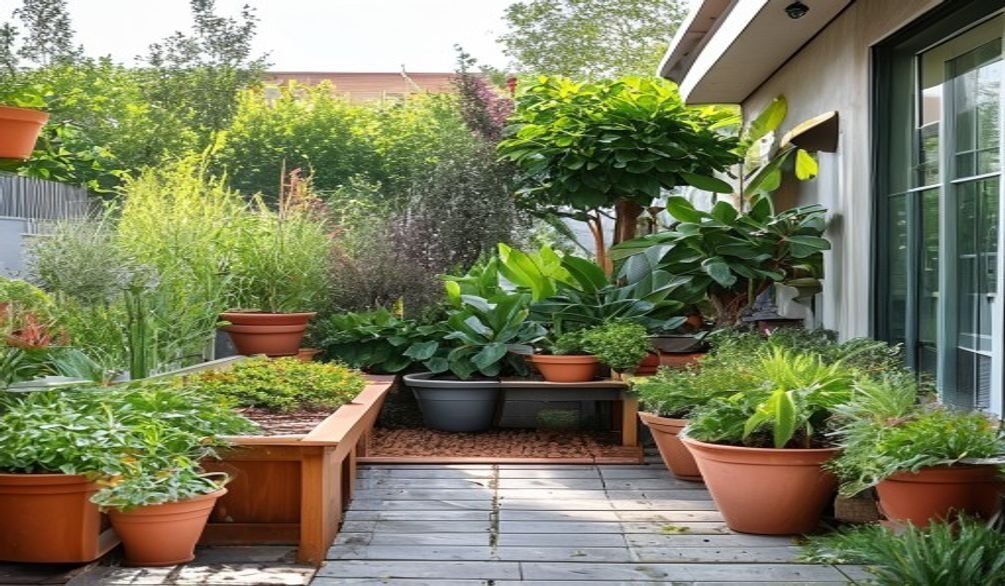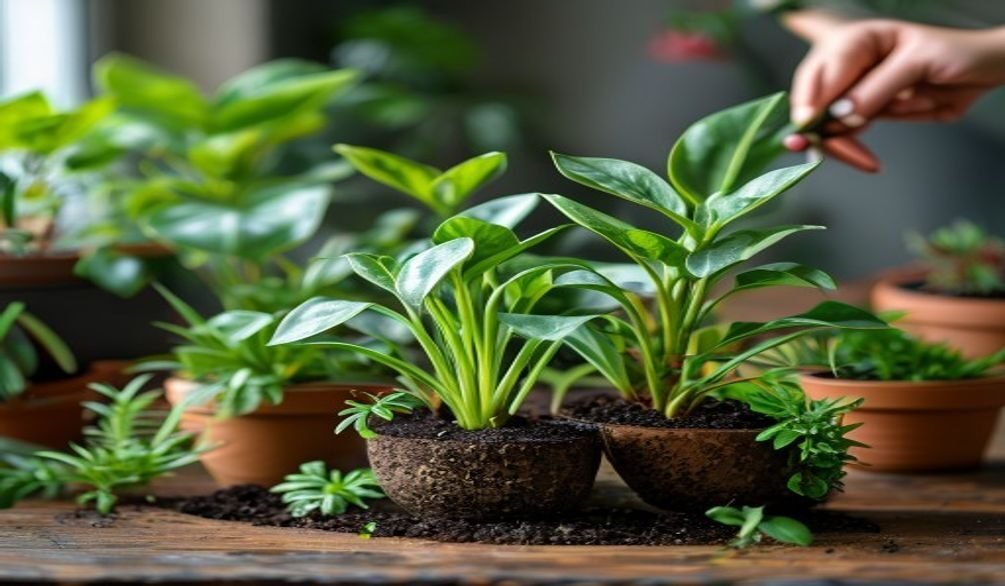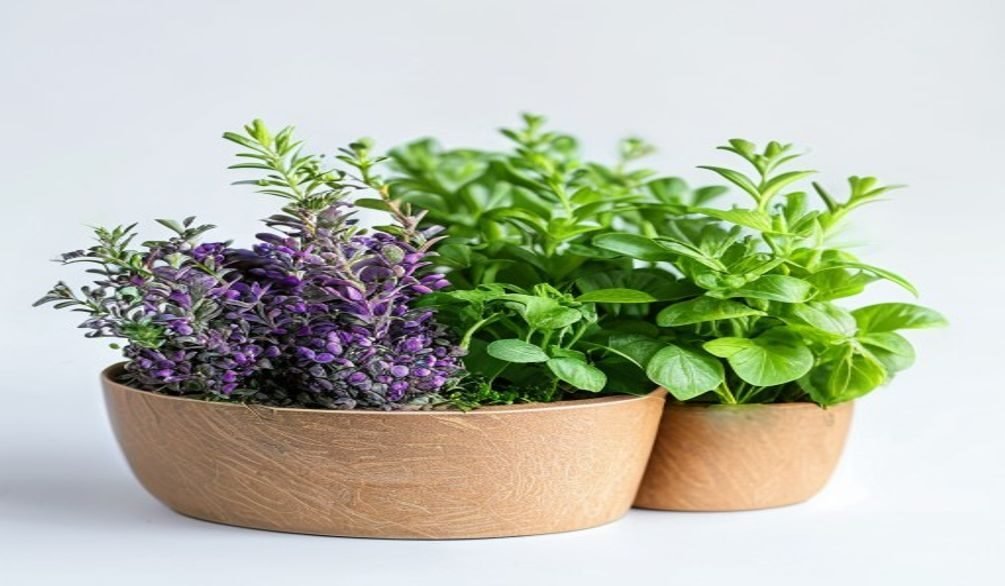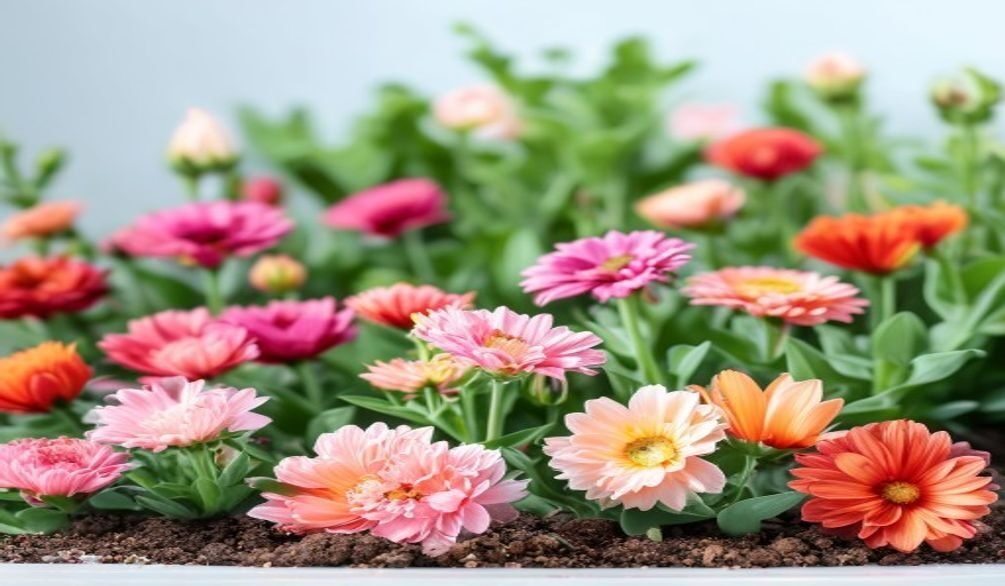
Dreaming of a lush, thriving urban garden but worried about waste or buying expensive soil? This Terrace Garden Composting Guide is your blueprint to transforming kitchen scraps and yard trimmings into nutrient-rich soil right at home. You’ll discover how simple and rewarding it is to turn everyday organic waste into a valuable resource, making your terrace garden truly self-sufficient.
Why is Terrace Garden Composting Essential for Urban Dwellers?
Living in the city often means limited space, but it doesn’t limit your ability to grow beautiful plants or contribute to a healthier planet. Composting on your terrace or balcony is not just a hobby; it’s a powerful way to manage household organic waste and produce free, high-quality soil amendment for your plants. What most people miss is that urban composting offers unique benefits tailored to city living.
For starters, composting significantly reduces the amount of organic waste you send to landfills. Todd Heft, a well-known gardener, emphasizes this, stating, “Every gardener needs to be composting. It’s a great way to use the debris from your yard trimmings, grass clippings, and food scraps from your table without sending them to a landfill.” This directly translates to less methane gas production, a potent greenhouse gas.
Beyond waste reduction, terrace garden composting creates nutrient-rich soil that revitalizes your potted plants and raised beds. This homemade compost is teeming with beneficial microbes, improving soil structure, water retention, and nutrient availability far better than synthetic fertilizers. You’re not just growing plants; you’re building a sustainable ecosystem right on your doorstep.
Getting Started: How to Compost in a Small Space
Many aspiring urban gardeners wonder, “How do you compost in a small space?” The short answer is: with careful planning and the right system. Balcony composting for beginners requires understanding the basic principles of decomposition and adapting them to a confined environment. You’ll need a balance of “greens” (nitrogen-rich materials) and “browns” (carbon-rich materials), adequate moisture, and good aeration.
Greens include fresh food scraps composting like fruit peels, vegetable trimmings, and coffee grounds. Browns consist of dry leaves, shredded newspaper, cardboard, and small twigs. The ideal ratio is roughly 2-3 parts browns to 1 part greens, which helps prevent odors and ensures efficient decomposition. Maintaining consistent moisture—like a damp sponge—is crucial, as is turning your compost regularly to introduce air.
Think of it as creating a mini-ecosystem in a container. Even with limited square footage, you can successfully manage your organic waste and produce valuable compost. The key is to select a system that fits your space and lifestyle, ensuring convenience and efficiency.
Choosing Your Terrace Composting System: Bins & Methods
Selecting the best compost bin for urban garden settings is crucial for success. Your choice depends on factors like available space, the amount of organic waste you generate, and your comfort level with different composting methods. Fortunately, there are many excellent compost bin for small spaces options available today.
Traditional Bins for Small Spaces
For those with a slightly larger terrace or balcony, compact tumblers or stationary bins are excellent choices. The Envirocycle Composting Tumbler Bin, for example, is recommended for beginners due to its compact profile (19 × 18.75 × 21.5 inches) and ability to produce compost quickly. These systems typically require manual turning to aerate the organic waste.
Vermicomposting: Worms at Work
If you’re looking for an incredibly efficient and virtually odor-free composting method, consider vermicomposting. This technique uses special composting worms (red wigglers) to break down food scraps into rich worm castings, an exceptional soil amendment. A compact worm bin can easily sit in a shaded corner of your terrace or even indoors, making it ideal for very small spaces.
Bokashi Composting: Fermentation for Fast Results
Bokashi composting is another excellent choice for urban dwellers, especially if you want to compost a wider range of food scraps, including meat and dairy (though these should be used sparingly). This anaerobic fermentation process uses beneficial microbes to pickle your organic waste. The resulting fermented material isn’t finished compost but can be buried in garden beds or added to a traditional compost pile to break down quickly. It’s a great odor-free composting solution for balconies because the sealed system prevents smells.
Electric Composters: High-Tech Convenience
For ultimate convenience and speed, electric composters like the Lomi Home Composter offer a high-tech solution. These countertop units can transform food scraps into a soil amendment in just hours, drastically reducing waste volume. While they don’t produce traditional compost, the resulting material can be added to your garden or a larger compost bin to finish the process. For temporary kitchen scrap storage, the OXO Good Grips Easy-Clean Compost Bin is a popular choice, known for its compact footprint and locking lid for odor control.
The Step-by-Step Guide to Successful Terrace Composting
Once you’ve chosen your system, embarking on your terrace garden composting journey is straightforward. This step-by-step guide covers the essentials for making compost in containers, ensuring you produce beautiful, nutrient-rich soil. What most people overlook is the importance of consistency and balance.
- Gather Your Materials: Collect a mix of “greens” (nitrogen-rich) and “browns” (carbon-rich). Greens include fruit and vegetable scraps, coffee grounds, and fresh plant clippings. Browns include dry leaves, shredded newspaper, cardboard, and wood chips. Avoid meat, dairy, oily foods, and diseased plants.
- Layer Your Compost: Start with a layer of browns at the bottom of your compost bin for drainage and aeration. Then, alternate layers of greens and browns. A good rule of thumb is to add a thin layer of greens (like your daily kitchen scraps) and then cover it with a thicker layer of browns.
- Maintain Moisture: Your compost pile should feel like a damp sponge – moist, but not soaking wet. If it’s too dry, decomposition will slow down. If it’s too wet, it can become anaerobic and smelly. Add water if it’s dry, or more browns if it’s too wet.
- Ensure Aeration: Oxygen is vital for the microorganisms that break down organic waste. Turn your compost pile every few days to every couple of weeks, depending on your system. Judith Anthony, a Hennepin County Master Gardener, recommends turning compost piles every two to three weeks to introduce air, which helps the piles heat up and decompose faster. This also helps distribute moisture and microbes.
- Patience and Observation: Composting takes time, typically anywhere from a few weeks to several months, depending on your method and conditions. Your finished compost will be dark brown, crumbly, and smell like fresh earth.
In practice, observing your compost — checking its smell, texture, and temperature — will become second nature. This hands-on approach is key to consistently producing high-quality compost for your terrace plants.
Troubleshooting Common Terrace Composting Problems
Even with the best intentions, you might encounter a few hiccups on your terrace garden composting journey. The good news is that most common problems have simple solutions. The main thing to remember is that your compost pile is a living system, and like any living system, it needs balance.
* Odors: A foul smell usually indicates too much nitrogen (greens) or too much moisture, leading to anaerobic conditions. Karen Mitchell, a Consumer Horticulture Extension Specialist, notes that if there’s a problem with smell, the carbon-to-nitrogen ratio is likely unbalanced. The fix? Add more “browns” like shredded paper, dry leaves, or cardboard, and turn the pile to aerate it. If using Bokashi, ensure the bin is sealed properly.
* Pests (Flies, Rodents): Flies are attracted to exposed food scraps. Always bury new green waste under a layer of browns or finished compost. For rodents, ensure your compost bin is pest-proof with a secure lid and sturdy construction. Avoiding meat, dairy, and oily foods is also critical.
* Slow Decomposition: If your pile isn’t heating up or breaking down, it could be too dry, lack nitrogen, or need more aeration. Check the moisture level and add water if needed. Incorporate more greens or a compost activator like alfalfa meal, as suggested by Judith Anthony. Turning the pile more frequently will also introduce crucial oxygen.
* Too Wet/Slimy: This often happens with too many greens or insufficient drainage. Add plenty of dry browns to absorb excess moisture and turn the pile to mix thoroughly. Ensure your bin has drainage holes if it’s a closed system.
Prevention is always better than cure. By regularly monitoring your compost and maintaining the correct balance of materials, moisture, and air, you can keep problems at bay and enjoy odor-free composting solutions for balconies.
Integrating Your Composter: Stylish & Seamless Terrace Design
One of the unique challenges of urban gardening is maximizing space while maintaining aesthetic appeal. What most people miss is that your composter doesn’t have to be an eyesore; it can be a functional and even attractive part of your terrace design. The goal is to make your composter a seamless addition to your outdoor oasis.
Consider the visual impact when choosing your compost bin. Many modern designs offer sleek, compact compost bin for small spaces that blend into contemporary urban aesthetics. Look for bins in neutral colors or materials like recycled plastic that mimic wood or stone. You can also explore creative ways to camouflage your composter. For instance, place it behind a tall planter filled with lush foliage or integrate it into a vertical garden setup.
If you’re building a DIY upcycled planter or a small garden shed, consider incorporating a dedicated, accessible space for your composter. This not only hides it from view but also keeps all your urban gardening tips and tools in one organized area. A strategically placed screen or trellis with climbing plants can also beautifully conceal a compost bin while adding greenery to your terrace.
The Urban Composter’s Impact: Cost Savings & Environmental Benefits
Your decision to start a terrace garden composting guide isn’t just about growing plants; it’s a conscious step towards a more sustainable lifestyle with tangible benefits. Beyond the satisfaction of reducing waste, you’ll experience significant cost savings and contribute positively to the environment.
From a financial perspective, making your own compost means you’ll spend less on commercial fertilizers and potting mixes. Rajinder Singh, a 72-year-old urban gardener in Ludhiana, successfully generates 100 kg of compost annually, making his garden self-sufficient in manure. This reduces recurring expenses, especially for avid gardeners.
Environmentally, the impact is profound. By diverting food scraps and organic waste from landfills, you’re directly contributing to reducing methane emissions, a potent greenhouse gas. Melinda Cordell, author of “Stay Grounded: Soil Building for Sustainable Gardens,” emphasizes the importance of composting for carbon sequestration, stating, “An investment in the soil is an investment not only in your plants, but also in the earth.” According to the US Composting Council (USCC), compost produced by its members in 2023 sequestered an estimated 522,538 US tons of carbon dioxide equivalents in soil.
The growth in home composting is truly significant. The global home composting market is projected to reach an estimated USD 10,500 million by 2025, reflecting a robust Compound Annual Growth Rate (CAGR) of 12.5% from 2025 to 2033. This growth underscores a collective movement towards sustainable waste management. Your individual efforts in terrace garden composting are part of a larger, impactful trend, making your urban garden a beacon of environmental responsibility.
Frequently Asked Questions
Is composting good for terrace garden?
Yes, composting is exceptionally good for a terrace garden. It provides a free, continuous supply of nutrient-rich soil amendment, improving soil structure, water retention, and plant health in your containers and raised beds. Additionally, it helps you manage household organic waste sustainably, reducing landfill contributions and associated environmental impacts.
How do you compost in a small space?
Composting in a small space involves selecting an appropriate compact system, such as a small tumbler, vermicomposting bin, or Bokashi system. The process requires a balance of “greens” and “browns,” consistent moisture, and regular aeration. By carefully managing these elements, you can successfully produce compost even on a small balcony or terrace.
What is the easiest way to compost food scraps?
The easiest way to compost food scraps in an urban setting often depends on your preference for manual effort versus technology. For minimal effort, a countertop electric composter like Lomi can quickly convert scraps into a soil amendment. Alternatively, vermicomposting is an excellent, low-odor, and highly efficient method using worms, which requires minimal daily input beyond adding scraps and occasional monitoring.
How can I make compost at home fast?
To make compost at home fast, focus on optimizing the conditions for rapid decomposition. This means maintaining an ideal carbon-to-nitrogen ratio (roughly 2-3 parts browns to 1 part greens), ensuring consistent moisture (like a damp sponge), and turning the pile frequently to introduce oxygen. Using smaller pieces of organic material and a well-aerated system like a tumbler can also significantly accelerate the composting process.
Embracing terrace garden composting is a rewarding step towards a more sustainable and vibrant urban garden. By transforming your organic waste into rich, life-giving soil, you’re not only nurturing your plants but also making a tangible difference for the environment and your wallet. Start your composting journey today and watch your terrace thrive with homemade goodness.