
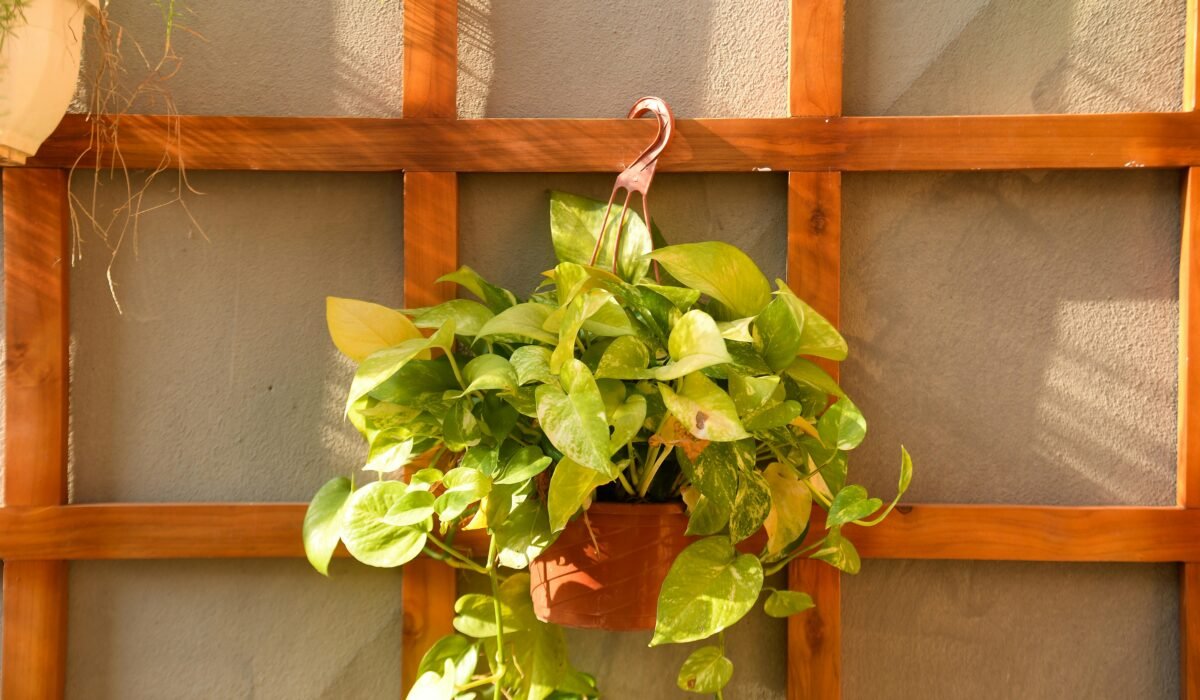
Ensuring a robust vertical garden maintenance schedule year-round is the secret to a continuously thriving, productive living wall or tower. Without a structured approach, your vertical plants can quickly fall victim to inconsistent watering, nutrient deficiencies, or unchecked pests, turning your green dream into a wilting challenge. This comprehensive guide provides the actionable, seasonal care strategies you need to keep your vertical garden vibrant and healthy, no matter the system or climate.
Why a Vertical Garden Maintenance Schedule is Essential
Vertical gardens, while space-saving and aesthetically pleasing, present unique challenges that necessitate a consistent maintenance routine. Unlike traditional ground gardens, plants in vertical systems often experience faster drying times, intensified sun exposure, and confined root spaces, making them more susceptible to stress. According to David Hillock, Oklahoma State University Extension Consumer Horticulturist, “plants grown in a vertical garden are more exposed to the sun and air, so they’re going to dry out faster,” underscoring the critical need for vigilant care.
The global vertical garden construction market, valued at USD 1.09 Billion in 2024, is projected to reach USD 2.26 Billion by 2033, highlighting the growing popularity of these green installations. However, approximately 44% of developers report maintenance challenges as a major restraint affecting adoption rates. This statistic reveals that while the appeal is strong, the perceived difficulty of `living wall care` can deter potential enthusiasts. A well-defined maintenance schedule mitigates these concerns, ensuring your living wall remains a vibrant asset rather than a source of `vertical garden problems solutions` every week.
What most people miss is that a proactive schedule prevents minor issues from escalating into major problems. Regular checks help you catch nutrient deficiencies, pest infestations, or watering inconsistencies before they compromise the entire system. This structured approach not only ensures the long-term health and beauty of your plants but also optimizes yields if you’re growing edibles, turning your `outdoor vertical garden care` into a rewarding experience.
Understanding Your Vertical Garden System: Tailored Care
One of the most crucial aspects of effective vertical garden maintenance is recognizing that not all systems are created equal. Different `vertical garden system types` demand distinct care protocols, from watering frequency to nutrient delivery. A `hydroponic vertical garden care` routine will differ significantly from that of a soil-based pocket planter or a DIY pallet garden.
For instance, systems like the Lettuce Grow The Farmstand are hydroponic, self-watering, and self-fertilizing, requiring only weekly upkeep and a seasonal reset. This contrasts sharply with soil-based systems like the GreenStalk Vertical Garden Kit, which holds 1 cubic foot of potting mix per tier, necessitating regular checks of `soil amendment vertical garden` needs and manual watering or drip irrigation adjustments. The Garden Tower Project, integrating composting, also has specific requirements for managing its central column.
In practice, understanding your specific setup is paramount. Is it a modular panel system, individual pots, or fabric pockets? Is it indoors or outdoors? Each design impacts factors like drainage, aeration, and nutrient retention. Tailoring your `diy vertical garden care` based on these specifics is the foundation for success, ensuring your maintenance efforts are efficient and effective rather than generic and hit-or-miss.
How Often Should You Water a Vertical Garden?
The question of “how often should you water a vertical garden?” is perhaps the most common query among vertical gardeners, and the short answer is: more frequently than traditional gardens. As David Hillock points out, the increased exposure to sun and air means vertical gardens dry out faster. This accelerated evaporation necessitates a vigilant `vertical garden watering` schedule to prevent drought stress.
The ideal frequency depends on several factors: your climate (temperature, humidity, wind), the specific plants you’re growing (some are thirstier than others), and your vertical garden system type. Hydroponic systems, by design, provide continuous access to water and nutrients, often with automated timers. Soil-based systems, however, require careful monitoring. Using a probe-style `soil moisture meter` with a 1-10 scale can be an invaluable tool, indicating when to water rather than guessing.
For many soil-based vertical gardens, especially `outdoor vertical garden care` in warmer climates, daily watering might be necessary. Indoor vertical gardens, particularly those with self-watering features, might need less frequent attention, perhaps every 2-3 days or even weekly depending on the system. Automated `drip irrigation systems` or self-watering planters can significantly reduce the manual effort, ensuring consistent moisture delivery. Explore the best self-watering planters to simplify your routine.
How Do You Fertilize a Vertical Garden for Optimal Growth?
Fertilization is a critical component of any successful `vertical garden maintenance schedule year-round`, especially given the confined growing media and high plant density. Plants in vertical gardens quickly deplete available nutrients, making regular replenishment essential for robust growth and abundant yields. The method of `vertical garden fertilization` varies significantly between soil-based and hydroponic systems.
For soil-based vertical gardens, regular feeding with a balanced, slow-release granular fertilizer or a diluted liquid feed is often required. Experts at Smart Gardener advocate for amending potting mix with perlite for aeration and coco coir for moisture retention, noting coco coir’s “strong ability to hold onto water and release it gradually,” which also helps with nutrient delivery. This initial `soil amendment vertical garden` setup lays the groundwork for sustained plant health. Supplementing with compost tea or worm castings can also boost soil fertility naturally.
Hydroponic vertical gardens, like the Gardyn Home Kit 3.0, rely entirely on dissolved nutrients in the water reservoir. You’ll need to use specific `hydroponic plant nutrients` solutions, monitoring pH and Electrical Conductivity (EC) levels regularly to ensure plants receive the correct balance. A general rule for both systems is to follow the fertilizer package instructions carefully, often diluting liquid feeds to half strength for more frequent applications, preventing nutrient burn. For a deeper dive into plant nutrition, check out our guide to plant nutrition for beginners and master guide to hydroponic plant nutrients.
Pruning & Training: Essential for a Thriving Vertical Garden
Regular `vertical garden pruning` and training are vital for maintaining plant health, maximizing yields, and ensuring adequate air circulation within your dense vertical setup. Without it, plants can become leggy, overcrowded, and more susceptible to pests and diseases. Cassey Anderson, CSU Horticulture Agent, emphasizes that vertical gardening can “reduce insect/disease issues by improving airflow,” a benefit greatly enhanced by proper pruning.
Use sharp `pruning shears` to remove dead, yellowing, or diseased leaves and stems. Pinch back herbs and leafy greens regularly to encourage bushier growth, rather than letting them bolt. For fruiting plants like tomatoes or cucumbers, strategic pruning improves fruit production and allows sunlight to penetrate to lower leaves. Training involves guiding vines and stems along the structure using `plant clips` or `tomato roller hooks`, ensuring they grow within their designated space and don’t shade out neighboring plants.
What’s often overlooked is the aesthetic benefit of pruning; a well-maintained vertical garden looks significantly better, creating a more appealing living display. Beyond aesthetics, proper pruning enhances light penetration and air movement, which are crucial for preventing fungal issues and creating an environment less appealing to common garden pests. Make this a weekly or bi-weekly task, depending on your plants’ growth rate.
Seasonal Vertical Garden Maintenance: A Year-Round Guide
A true `vertical garden maintenance schedule year-round` adapts to the changing seasons, ensuring your plants receive optimal care regardless of the weather. This `seasonal vertical garden maintenance` approach is key to long-term success, whether you have an `indoor vertical garden maintenance` setup or an `outdoor vertical garden care` system.
Spring: Awakening and Preparation
- Clean and Inspect: As temperatures rise, thoroughly clean your system. For soil-based gardens, consider refreshing or adding `soil amendment vertical garden` components. For hydroponic systems, a deep clean of reservoirs and lines is essential.
- Planting: This is the prime time for planting new crops. Choose varieties suited to your vertical system and local climate. K-State Research and Extension advises meeting plants’ needs and using appropriately sized containers.
- Fertilization Boost: Begin a consistent fertilization regimen to support new growth.
- Pest Prevention: Implement preventative `vertical garden pest control` measures as pests become active.
Summer: Growth and Vigilance
- Increased Watering: Hot weather demands more frequent `vertical garden watering`. Monitor soil moisture daily, especially for `outdoor vertical garden care`.
- Fertilization: Continue regular feeding, perhaps increasing frequency slightly for heavy feeders.
- Pruning & Harvesting: Prune vigorously growing plants to maintain shape and airflow. Harvest edibles frequently to encourage further production.
- Shade & Heat Stress: For `outdoor vertical garden care`, consider temporary shade cloth during peak heat to prevent scorching.
Fall: Transition and Protection
- Harvesting & Cleanup: Harvest remaining crops and remove spent plants. Clean out pockets or modules.
- Winter Preparation: For `outdoor vertical garden care` in colder climates, prepare to bring in tender plants or protect the system. This might involve covering, insulating, or even disassembling.
- Soil Refresh: If not done in spring, refresh the growing medium in soil-based systems.
- System Check: Inspect irrigation lines, pumps, and structural integrity before winter.
Winter: Rest and Planning
- Reduced Watering: Plants grow slower in winter, so `vertical garden watering` needs decrease significantly. Avoid overwatering, which can lead to root rot.
- Indoor Care: For `indoor vertical garden maintenance`, ensure adequate light (supplemental `full-spectrum LED grow lights` may be needed) and consistent temperature.
- Maintenance & Repair: Use this downtime for any major repairs or renovations to the system itself.
- Planning: Research new plant varieties, system upgrades, or layout changes for the upcoming spring.
For more general year-round garden maintenance strategies that can be adapted, you can refer to resources from Rutgers Landscape & Nursery.
Troubleshooting Common Vertical Garden Problems
Even with a diligent `vertical garden maintenance schedule year-round`, issues can arise. Knowing how to identify and address `vertical garden problems solutions` quickly is crucial for the health of your plants. Early detection is often the difference between a minor setback and a complete system failure.
- Pest Infestations: Aphids, spider mites, and whiteflies are common. Look for sticky residue, tiny webs, or visible insects. Implement `vertical garden pest control organic` methods like neem oil, insecticidal soap, or introducing beneficial insects. Regular inspection, as advised by Cassey Anderson to “reduce insect/disease issues,” is key. For specific pest identification, our guide on identifying and treating leaf miners can be helpful.
- Nutrient Deficiencies: Yellowing leaves, stunted growth, or unusual leaf coloration often signal a lack of essential nutrients. This is particularly common in vertical gardens due to limited media. Review your `vertical garden fertilization` routine and adjust nutrient solutions or add specific amendments.
- Watering Issues: Wilting leaves (underwatering) or yellow, mushy stems (overwatering) are clear indicators. Check your `vertical garden watering` frequency and ensure proper drainage. Remember, plants in vertical gardens are “more exposed to the sun and air, so they’re going to dry out faster,” as noted by David Hillock.
- Diseases: Fungal issues like powdery mildew or root rot can occur, especially with poor air circulation or overwatering. K-State Research and Extension guidelines emphasize “following spacing recommendations for adequate air circulation” to prevent such problems. Remove affected plant parts immediately and improve airflow.
- Algae Growth: Common in hydroponic systems, algae competes for nutrients. Implement hydroponic system algae control by blocking light from the reservoir.
In practice, a keen eye and quick action can resolve most `vertical garden troubleshooting` issues. Don’t wait until the problem is widespread; address it as soon as you spot the first symptom.
Long-Term Health: System Renovation & Component Care
Beyond daily and seasonal tasks, ensuring the `long-term health` of your vertical garden involves periodic system renovation and diligent component care. Your vertical garden is an investment, and like any investment, it requires attention to its underlying structure to perform optimally for years. This is especially true for the diverse `vertical garden system types` available.
Every 1-3 years, depending on your system and climate, consider a major overhaul. For soil-based systems, this means a complete `soil amendment vertical garden` refresh. Old potting mix can compact, lose structure, and become depleted of nutrients, making it less effective. Replace it with fresh, high-quality soil amended with perlite and coco coir for optimal aeration and moisture retention. Cassey Anderson recommends cleaning wooden trellises with bleach or alcohol to prevent disease pathogens, a principle that extends to sterilizing any reusable components.
For hydroponic setups, a “seasonal reset” as mentioned for the Lettuce Grow Farmstand, involves a thorough cleaning and sterilization of reservoirs, pumps, and irrigation lines. Over time, mineral deposits and algae can build up, impeding water flow and nutrient delivery. Inspect all components – pumps, timers, drip emitters, and structural supports – for wear and tear. Replace worn-out parts like fabric pockets, degraded irrigation tubing, or faulty pumps. This proactive approach to `system renovation` not only extends the life of your vertical garden but also prevents unexpected failures that could harm your plants.
Frequently Asked Questions
How often should you water a vertical garden?
You should water a vertical garden more frequently than traditional ground gardens, often daily or every other day, especially in warm, dry conditions or for outdoor setups. The exact frequency depends on the vertical garden system type, plant varieties, climate, and whether it’s indoors or outdoors. Using a soil moisture meter or observing plant wilting helps determine precise watering needs.
How do you fertilize a vertical garden?
Fertilizing a vertical garden involves either adding a slow-release granular or diluted liquid fertilizer to soil-based systems, or using specialized nutrient solutions for hydroponic setups. Soil-based gardens benefit from regular feeding and amendments like coco coir for nutrient retention, while hydroponic systems require careful monitoring of pH and EC levels in their nutrient solutions. Always follow product instructions to avoid over-fertilization.
How do you prune a vertical garden?
Pruning a vertical garden involves regularly removing dead, yellowing, or diseased leaves and stems, as well as pinching back plants to encourage bushier growth and improve airflow. Use sharp pruning shears and train climbing plants with clips to manage their growth and prevent overcrowding. This practice enhances light penetration, reduces pest and disease issues, and optimizes plant health and yields.
Do vertical gardens need special soil?
Yes, vertical gardens, especially soil-based ones, benefit greatly from a high-quality, lightweight potting mix that drains well yet retains moisture. Standard garden soil is often too heavy and can compact. Amending potting mix with perlite for aeration and coco coir for moisture retention is highly recommended, as experts note coco coir’s ability to hold water and release it gradually. This specialized mix ensures adequate root development and nutrient availability in confined spaces.
Mastering your vertical garden maintenance schedule year-round transforms your living wall or tower from a mere collection of plants into a thriving, resilient ecosystem. By understanding your system’s unique needs, adapting to seasonal changes, and proactively addressing potential issues, you ensure continuous growth and beauty. Take the actionable steps outlined in this guide to cultivate a truly spectacular vertical garden that flourishes season after season, bringing green abundance to your space.







