Are unsightly squiggly lines or blotches marring your precious plant leaves, leaving you wondering how to save your harvest? If you’re a gardener facing this common challenge, then this comprehensive Identify and Treat Leaf Miners Guide is exactly what you need. This article will walk you through recognizing leaf miner damage, understanding their life cycle, and implementing effective, often organic, strategies to protect your garden.
What are Leaf Miners and How Do They Damage Plants?
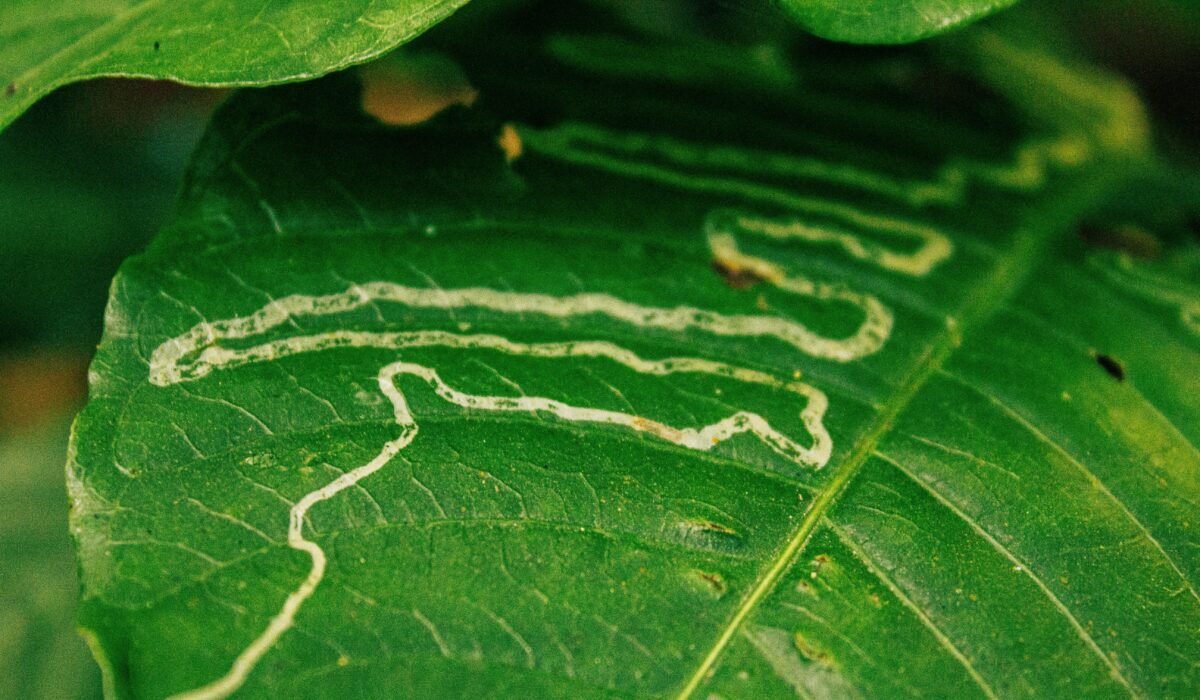
Leaf miners are the larvae of various insects, including flies, moths, beetles, and wasps, that tunnel between the upper and lower surfaces of plant leaves. This burrowing activity creates distinctive patterns, often appearing as winding, serpentine trails or irregular blotches, which are the tell-tale signs of their presence.
The damage, as the University of Minnesota Extension notes, is primarily aesthetic, but severe infestations can significantly weaken younger plants or compromise the marketability and palatability of edible leafy greens. While mature plants rarely succumb to leaf miner damage, their photosynthetic capacity can be reduced, affecting overall vigor and yield. Understanding how to identify various plant issues, including pests like leaf miners, is crucial for maintaining a healthy garden.
What most people miss is that the damage isn’t caused by the adult insect, but by its hungry offspring. The adult female lays eggs on or within the leaf tissue, and upon hatching, the larvae immediately begin to tunnel and feed, creating those characteristic mines. This feeding stage is the critical window for intervention, as the larvae are protected within the leaf from many topical treatments.
What is the Best Treatment for Leaf Miners?
The short answer is that there isn’t a single “best” treatment for leaf miners; instead, the most effective approach involves a combination of strategies tailored to your garden’s specific needs and your comfort level with different methods. For home gardeners, an Integrated Pest Management (IPM) strategy focused on prevention and organic interventions is generally the most sustainable and successful path.
While systemic insecticides like Imidacloprid are effective, experts like Cliff Sadoff, an extension specialist at Purdue University, advise caution, noting they “can also be quite toxic to pollinators.” He emphasizes that leaf miner injury “rarely if ever harms tree health,” making less harmful alternatives preferable. The ideal treatment balances efficacy with environmental responsibility, aiming to disrupt the leaf miner life cycle without harming beneficial insects or your family.
Effective organic leaf miner control often starts with cultural practices and progresses to targeted biological or organic chemical applications if necessary. This approach minimizes the need for harsh chemicals and promotes a healthier garden ecosystem in the long run.
What is a Natural Way to Get Rid of Leaf Miners?
Many gardeners prefer natural ways to get rid of leaf miners, aligning with an organic gardening philosophy. These methods focus on disrupting the leaf miner life cycle and supporting the natural ecosystem of your garden.
Hand-Picking and Pruning
For smaller infestations, manual removal is highly effective. Simply inspect your plants regularly and pinch off or crush leaves showing signs of leaf miner tunnels. Master gardener Andy Wilcox advises that “lower population levels of leaf miners are easily controlled by simple removal of the affected leaves.” Remember to dispose of affected leaves in the trash, not your compost, to prevent further spread.
Beneficial Insects
Introducing natural predators of leaf miners is a powerful biological control method. Parasitic wasps, such as Diglyphus isaea, are tiny heroes that lay their eggs inside leaf miner larvae, effectively killing them. These beneficial insects leaf miners can be purchased from suppliers like Arbico Organics and released into your garden, especially in the early season, to establish a natural control mechanism.
Physical Barriers and Trap Crops
Preventing adult leaf miner flies from laying eggs on your susceptible plants is a proactive natural strategy. Using floating row covers for pests provides an excellent physical barrier, especially for crops like spinach and Swiss chard. Additionally, planting trap crops such as lamb’s quarters or columbine nearby can divert leaf miners away from your desired vegetables, offering them a more appealing target.
Will Neem Oil Get Rid of Leaf Miners?
Yes, neem oil can be an effective organic leaf miner control. Derived from the neem tree, this natural insecticide works in multiple ways to disrupt the leaf miner’s life cycle. It acts as an anti-feedant, making treated leaves unappetizing to the larvae, and also as an insect growth regulator, interfering with their development and reproduction.
For best results, apply neem oil for leaf miners as a foliar spray, ensuring thorough coverage of both the top and underside of leaves. Consistency is key; repeated applications every 7-10 days are often necessary to break the pest’s life cycle. Always follow product instructions carefully, as proper dilution and application timing are crucial for its efficacy and to avoid harming beneficial insects.
Do Leaf Miners Go Away on Their Own?
The short answer is that while leaf miner populations can fluctuate and sometimes decrease due to natural factors, they rarely “go away” completely on their own without intervention. Natural predators and environmental conditions can certainly help keep populations in check, but a severe infestation typically requires a gardener’s active management.
In practice, damage from leaf miners is generally considered aesthetic and rarely kills mature plants, as the University of Minnesota Extension points out. However, if left unchecked, the damage can accumulate, especially on smaller plants and seedlings, leading to stunted growth or making edible leaves unpalatable. Relying solely on them disappearing is a gamble that most gardeners aren’t willing to take with their harvests.
Specific Leaf Miner Types: Identification and Tailored Control
Understanding which specific leaf miner type is afflicting your plants can significantly improve your control strategy. Different species have preferred hosts and slightly varied life cycles, impacting the most effective intervention.
Serpentine Leaf Miners (Liriomyza spp.)
These are perhaps the most common, creating narrow, winding, snake-like tunnels (serpentine leaf miner identification) across the leaf surface. They affect a wide range of plants, including tomatoes, peppers, and various ornamentals. For leaf miner on tomatoes treatment, early detection and removing affected leaves are crucial. Biological control with parasitic wasps is highly effective against these widespread pests.
Blotch Leaf Miners
In contrast to serpentine miners, blotch leaf miner damage appears as irregular, often larger, opaque patches or “blotches” within the leaf. These are common on plants like columbine and some fruit trees. Control often involves pruning out affected leaves and maintaining good garden hygiene, as chemical treatments can be less effective once the larvae are protected inside the blotch.
Spinach Leaf Miners (Pegomya hyoscyami)
These miners are notorious for attacking spinach, chard, and beets. Their mines can be serpentine when young but often expand into large blotches as the larvae mature. How to prevent leaf miners on spinach often involves floating row covers early in the season and vigilant monitoring. If an infestation occurs, prompt removal of affected leaves is key to saving the remaining crop.
Allium Leaf Miners (Phytomyza gymnostoma)
A newer, more aggressive pest in some regions, the allium leaf miner affects onions, garlic, leeks, and chives. Unlike other miners, they create distinctive rows of white spots from oviposition and tunnel into the leaves and even bulbs. Timing is critical for their control, often requiring floating row covers applied in early spring before adults lay eggs, or targeted organic sprays like spinosad when larvae are young.
Integrated Pest Management (IPM) Strategies for Leaf Miners
An IPM strategy home garden approach is the most effective and sustainable way to manage leaf miners, minimizing reliance on chemical pesticides while maximizing garden health. This holistic approach combines several tactics to keep pest populations below damaging levels.
Here’s a step-by-step IPM playbook for dealing with leaf miners:
- Monitor Regularly: Inspect your plants frequently, especially susceptible ones like spinach, chard, and tomatoes, for the first signs of leaf miner trails or eggs. Early detection is your most powerful tool.
- Cultural Controls: Practice good garden hygiene. Remove and destroy heavily infested leaves or plants promptly. Avoid composting infested material. Ensure your plants receive adequate plant nutrition for healthy growth, as strong, vigorous plants are more resilient to pest attacks.
- Physical Barriers: Use floating row covers over susceptible crops during peak egg-laying periods (typically spring and early summer) to physically block adult leaf miners from accessing your plants.
- Biological Controls: Encourage beneficial insects, such as parasitic wasps (e.g., Diglyphus isaea), by planting diverse flowering plants that provide nectar and pollen. You can also purchase and release these beneficial insects.
- Organic Pesticides (Targeted Application): If infestations become severe, consider organic options like spinosad or neem oil. Spinosad, derived from a naturally occurring soil microorganism, stops larvae from feeding within 24-48 hours. Apply these products directly to affected foliage, following label instructions carefully to minimize impact on non-target organisms.
The key to successful IPM is observation and adapting your strategy. What works for a minor aesthetic issue on an ornamental plant might be different from managing a severe infestation on an edible crop.
Preventing Leaf Miners: Resistant Plants and Proactive Measures
Proactive prevention is always better than reactive treatment when it comes to garden pests. By implementing a few key strategies, you can significantly reduce the chances of a leaf miner infestation.
Choosing Resistant Plant Varieties
One of the most effective long-term strategies is to select resistant plant varieties leaf miners. For instance, researchers from the U.S. Agricultural Research Service (ARS) developed spinach varieties “03-04-09” and “03-04-63” which are rated as the world’s first spinach breeding lines with significant leafminer resistance. Similarly, tomato varieties with curled leaves or high levels of foliar acylsugar have shown lower leaf miner infestations. Always look for pest-resistant labels when purchasing seeds or seedlings.
Consider diversifying your planting to include plants that deter leaf miners or are less susceptible. This can include herbs like mint or basil, which sometimes confuse pests.
Crop Rotation and Garden Hygiene
Practicing good crop rotation helps break the leaf miner life cycle by removing their preferred host plants from a specific area each season. If you had leaf miners on spinach in one bed, plant a different, non-susceptible crop there the following year. Maintaining a clean garden, free of weeds that can host leaf miners, also minimizes potential breeding grounds. For more on planning your garden, explore our guide on how to plan a vegetable garden.
Physical Barriers
As mentioned earlier, floating row covers are an excellent preventative measure, especially for highly susceptible crops like spinach and chard. Install them immediately after planting and ensure the edges are securely sealed to prevent adult flies from crawling or flying underneath to lay eggs. This simple barrier can make a huge difference in keeping your plants pest-free.
Frequently Asked Questions
What is the best treatment for leaf miners?
The best treatment for leaf miners is an Integrated Pest Management (IPM) approach that combines prevention, cultural controls like removing affected leaves, and biological controls such as beneficial insects. For severe cases, organic sprays like spinosad or neem oil can be effective, used as a last resort and applied precisely.
What is a natural way to get rid of leaf miners?
Natural ways to get rid of leaf miners include hand-picking and destroying infested leaves, deploying beneficial insects like parasitic wasps, and using physical barriers such as floating row covers. Planting trap crops can also divert leaf miners away from your desired plants without chemical intervention.
Do leaf miners go away on their own?
Leaf miners typically do not go away on their own, especially if environmental conditions are favorable for them. While natural predators can help reduce populations, active management from the gardener is usually required to prevent significant damage and ensure a healthy harvest.
Will neem oil get rid of leaf miners?
Yes, neem oil can be effective against leaf miners by acting as an anti-feedant and insect growth regulator, disrupting their feeding and reproductive cycles. For best results, apply neem oil as a thorough foliar spray, ensuring coverage on both leaf surfaces, and repeat applications as directed by the product label.
Mastering the art of identifying and treating leaf miners is a crucial skill for any gardener aiming for a thriving, productive garden. By combining vigilance, preventative measures, and targeted organic solutions, you can successfully manage these common pests without resorting to harsh chemicals. Start implementing these strategies today to cultivate healthier, more resilient plants and enjoy a blemish-free harvest.