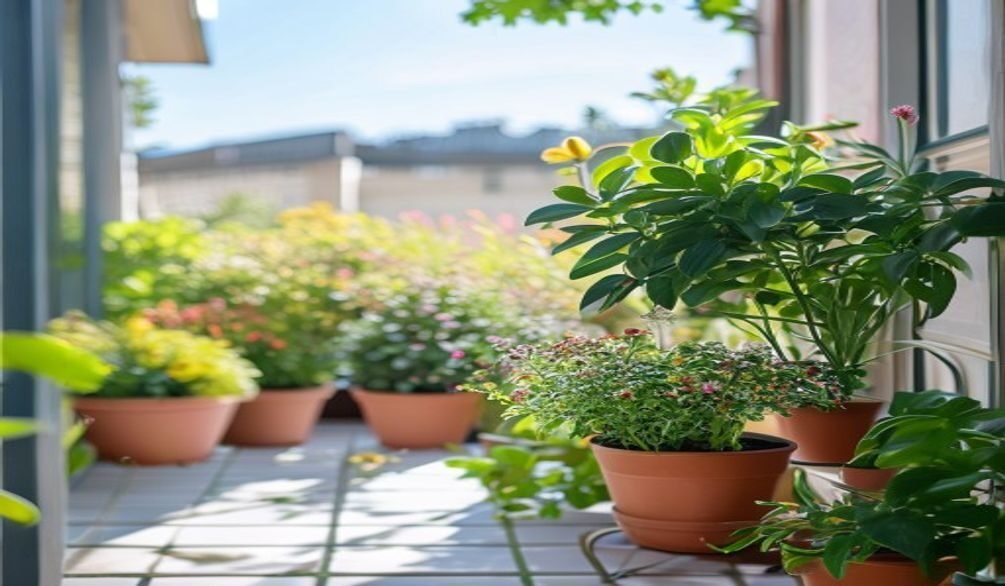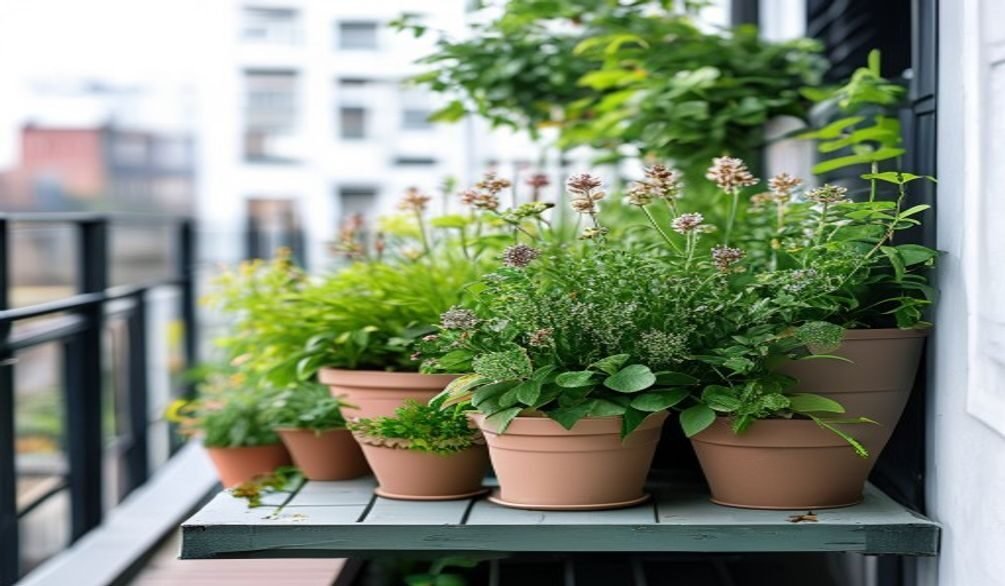
Choosing the best potting mixes for balcony gardening is often the make-or-break factor for your plants’ success in containers. Many aspiring balcony gardeners struggle with plants that wilt, underperform, or simply don’t thrive, often unaware that the soil beneath their roots is the primary culprit. This guide, drawing on my 10+ years of experience in horticulture, will equip you with the knowledge to select and even create the perfect potting mixes, ensuring your balcony garden flourishes.
What is the Best Potting Mix for Balcony Gardening?
The best potting mixes for balcony gardening are not just any soil; they are specialized blends designed to support plant life in confined spaces. Unlike garden soil, these mixes are formulated to provide the ideal balance of drainage and aeration while also offering sufficient moisture retention for containers. This delicate balance is crucial because balcony containers have limited volume and are exposed to unique environmental stressors like intense heat and wind.
In my experience, a superior balcony plant soil will feel light and fluffy, not dense or heavy. It allows roots to breathe, prevents waterlogging, and delivers nutrients efficiently. For more tailored soil secrets, you can explore our guide on Best Potting Mix for Balcony: Tailored Soil Secrets.
Why Can’t You Use Garden Soil in Balcony Containers?
This is one of the most common mistakes I see new gardeners make, and it’s a critical one for container gardening soil requirements. Garden soil, while excellent for in-ground beds, is simply not suitable for pots on your balcony. It’s designed for a much larger, open ecosystem.
When confined to a container, garden soil quickly becomes problematic. It tends to compact severely, reducing the vital air pockets roots need to thrive. This compaction leads to poor drainage, suffocates roots, and can cause root rot. Furthermore, garden soil often contains weed seeds, pests, and diseases that can quickly spread in a contained environment, making pest management much harder.
Key Ingredients for an Ideal Balcony Potting Mix
Understanding the components of a good potting mix is key to selecting or even creating your own. Each ingredient plays a specific role in creating the optimal environment for your balcony plants.
Here are the essential ingredients you’ll find in the best potting mixes for balcony gardening:
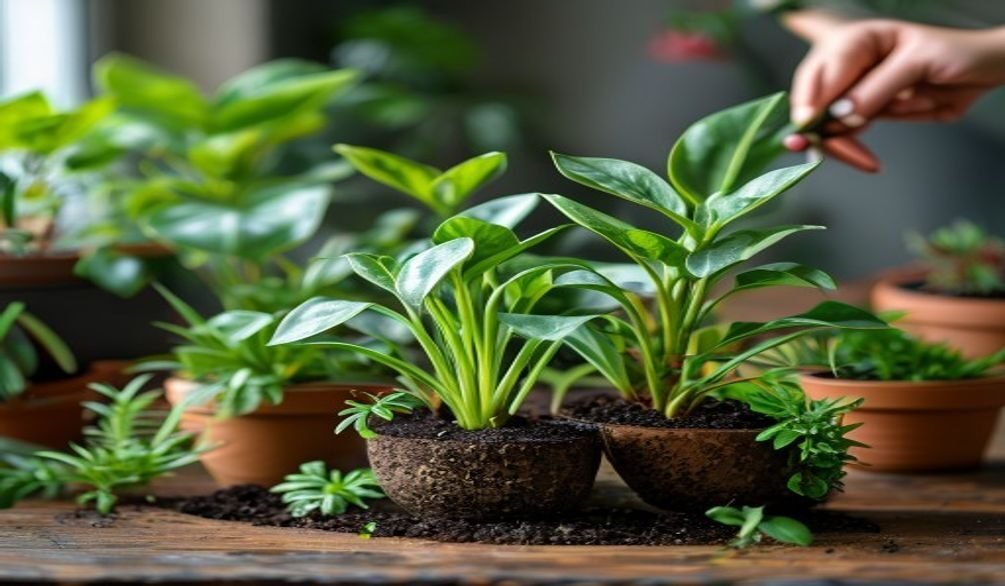
- Peat Moss or Coconut Coir: These are the base materials, providing excellent moisture retention for containers and a lightweight structure. Peat moss is traditional, but coconut coir is a popular and sustainable peat moss alternative.
- Perlite: Often described as little white balls, perlite is volcanic rock that has been superheated. Its primary function is to improve drainage and aeration, preventing compaction and ensuring oxygen reaches the roots.
- Vermiculite: Similar to perlite but with a different structure, vermiculite also aids aeration but is exceptional at retaining moisture and nutrients. It expands when wet, holding water like a sponge, then slowly releasing it.
- Compost or Aged Bark: These organic materials add essential nutrients and beneficial microbes to the mix. Compost improves soil structure, enhances fertility, and contributes to the overall health of the soil ecosystem.
- Slow-Release Fertilizer: Many commercial mixes include a slow-release fertilizer to provide a steady supply of nutrients over several months. This is particularly helpful for heavy feeders.
The right balance of these components ensures that your balcony plant soil remains light, well-draining, and nutrient-rich.
DIY Potting Mixes vs. Commercial Blends: A Cost-Benefit Analysis
When it comes to choosing your container gardening soil, you essentially have two main paths: buying pre-made commercial blends or crafting your own homemade potting mix recipe. Both have their merits, and the best choice often depends on your budget, time, and gardening goals.
Commercial Potting Mixes
- Pros:
- Convenience: Ready to use right out of the bag.
- Consistency: Manufacturers aim for uniform quality, ensuring reliable performance.
- Sterilization: Often pasteurized to be free of weed seeds, pests, and diseases.
- Specialized Blends: Available for specific plant types (e.g., succulents, vegetables).
- Cons:
- Cost: Can be significantly more expensive, especially for large balcony gardens.
- Ingredients: Some may contain less sustainable ingredients like high amounts of peat moss.
- Quality Variation: Not all brands are created equal; cheaper mixes might be less effective.
DIY Potting Mixes
- Pros:
- Cost Savings: Often much cheaper per volume, particularly if you buy components in bulk.
- Customization: You can tailor the mix precisely to your plants’ needs and balcony conditions.
- Sustainability: Opportunity to use more eco-friendly ingredients like homemade compost or local materials.
- Control: You know exactly what goes into your diy potting soil for containers.
- Cons:
- Time and Effort: Requires sourcing ingredients, mixing, and storage.
- Consistency: Can be harder to achieve a consistent blend without experience.
- Sourcing: Finding all individual components might be challenging depending on your location.
For a basic homemade potting mix recipe, I often recommend a blend of 1 part compost, 1 part coconut coir or peat moss, and 1 part perlite or vermiculite. This provides a great foundation for general balcony use.
Potting Mixes for Specific Balcony Plants
Just as different plants have varying light and water needs, their ideal potting mix can also differ. Customizing your mix can lead to significantly better results, especially when considering the best potting mixes for balcony gardening.
Vegetables and Herbs (Heavy Feeders)
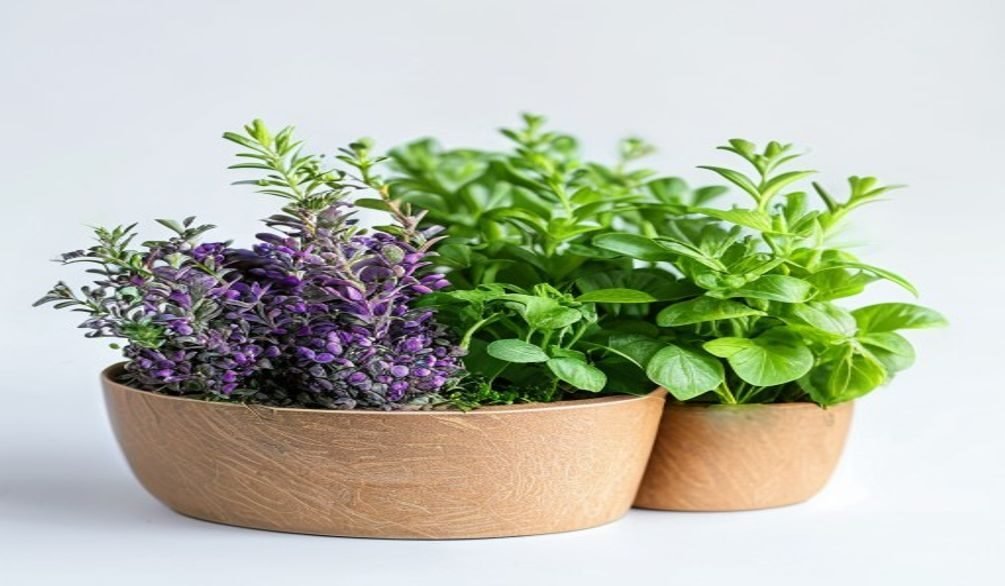
For plants like tomatoes, peppers, and most herbs, you need a rich, well-draining mix that can sustain their growth. The best soil for heavy feeders will have a higher proportion of compost or a slow-release organic fertilizer. A good potting mix for balcony vegetables should include:
- 60% high-quality commercial potting mix or base DIY mix (coir, perlite, compost)
- 20% extra compost or worm castings
- 10% perlite for enhanced drainage
- 10% vermiculite for moisture and nutrient retention
This blend ensures your plants get a consistent supply of food and don’t dry out too quickly, which is crucial for maximizing yields in a balcony setting.
Flowers and Ornamentals
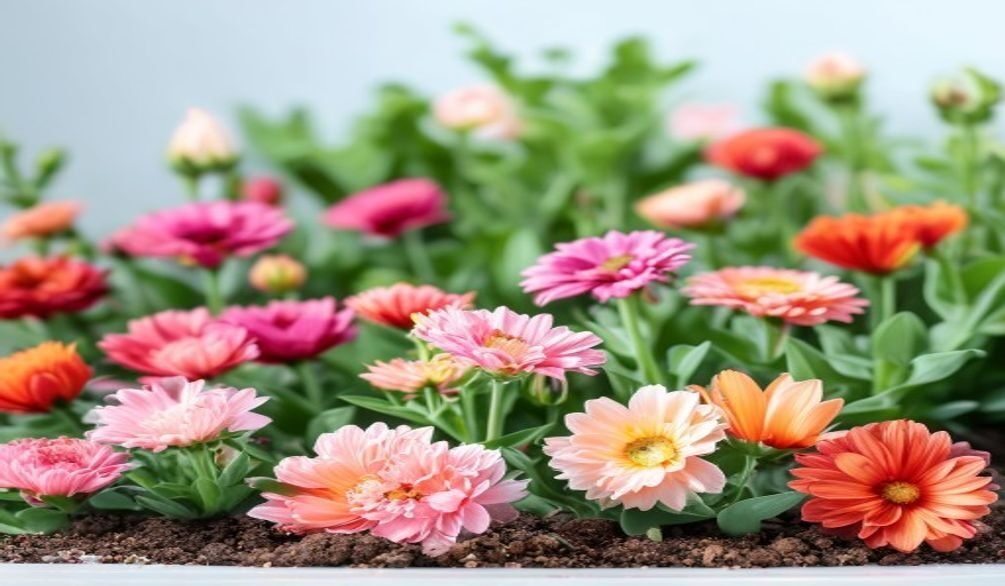
Most annual and perennial flowers thrive in a general-purpose, well-draining potting mix. The key here is good airflow and consistent moisture. A standard commercial blend often works well, but you can enhance it by adding:
- A bit of extra perlite if your balcony experiences high humidity or frequent rain.
- Some slow-release granular fertilizer if the mix doesn’t already contain it, to encourage continuous blooming.
Succulents and Cacti
These plants require extremely sharp drainage to prevent root rot. Standard potting mixes retain too much moisture. Look for specialized succulent and cactus mixes, or create your own with:
- 50% regular potting mix
- 50% perlite, pumice, or coarse sand
This ensures quick drainage, which is vital for their survival, especially considering the potential for afternoon downpours on a balcony.
Troubleshooting Common Balcony Potting Mix Problems
Even with the best intentions, you might encounter issues with your balcony container gardening soil. Understanding how to troubleshoot these problems can save your plants.
- Rapid Drying: Balconies often experience increased wind and sun exposure, leading to quick evaporation. If your potting mix dries out daily, consider adding more coconut coir or vermiculite to improve moisture retention. Using larger containers and self-watering planters can also help.
- Poor Drainage: If water pools on the surface or drains very slowly, your mix might be too dense or compacted. This can be due to using garden soil (which we’ve discussed is a no-go) or a low-quality potting mix. Amend with more perlite or coarse sand to improve drainage and aeration.
- Nutrient Deficiency: Over time, plants deplete nutrients from the potting mix. Yellowing leaves or stunted growth often signal this. Incorporate a slow-release fertilizer or begin a regular feeding schedule with liquid fertilizer.
- Pest Infestations: Fungus gnats are a common nuisance in moist potting mixes. Ensure proper drainage, allow the top inch of soil to dry out between waterings, and consider using beneficial nematodes or sticky traps.
Addressing these issues promptly will keep your balcony garden thriving, even with the unique challenges of balcony heat and wind effects.
How to Revitalize and Reuse Old Balcony Potting Mix
Replacing all your potting mix every season can be costly and wasteful. Fortunately, you can often revitalize and reuse old balcony potting mix, extending its life and benefiting your budget and the environment. This is a practice I highly recommend for sustainable gardening.
Here’s how to effectively revitalize potting soil:
- Remove Old Plant Debris: Start by clearing out all old roots, stems, and leaves from the spent potting mix. Break up any large clumps of soil.
- Sift if Necessary: If the mix is very lumpy or contains a lot of large, broken-down material, you can sift it through a screen to achieve a more uniform texture.
- Replenish Organic Matter: The organic components (like peat or coir) break down over time, reducing moisture retention and nutrient content. Add 10-20% fresh compost or worm castings to reintroduce vital organic matter and beneficial microbes. You can also refer to our Terrace Garden Composting Guide for making your own rich soil at home.
- Improve Drainage and Aeration: Add fresh perlite or vermiculite (about 5-10% of the total volume) to restore the mix’s light, airy structure. This is crucial for preventing compaction in containers.
- Add Nutrients: Incorporate a slow-release granular organic fertilizer or a balanced all-purpose fertilizer to replenish depleted nutrients. Follow product instructions for dosage.
- Moisten and Mix: Thoroughly mix all the components together, adding a little water to dampen the mix. This makes it easier to work with and ensures even distribution of ingredients.
While revitalizing is great, remember that heavily diseased soil or soil from plants with persistent pest issues should be discarded to prevent spreading problems. Always sterilize containers before reusing them with revitalized mix.
Choosing the Right Potting Mix for Balcony Container Gardening Success
Ultimately, selecting the right potting mix is a foundational step toward a thriving balcony garden. It’s about understanding the unique demands of container growing and providing your plants with the best possible start. The best soil for outdoor potted plants needs to be lightweight, well-draining, and capable of retaining adequate moisture and nutrients.
Consider your local climate, the types of plants you’re growing, and your budget when making your choice. Investing in a high-quality mix, or taking the time to create a bespoke DIY potting soil for containers, will pay dividends in lush foliage, abundant blooms, and bountiful harvests. Remember, happy roots lead to happy plants!
Frequently Asked Questions
What is the best soil for a balcony garden?
The best soil for a balcony garden is a high-quality, lightweight potting mix specifically formulated for containers. It should offer excellent drainage and aeration while retaining sufficient moisture and nutrients to support plant growth in the confined and often exposed conditions of a balcony. Avoid using dense garden soil as it compacts easily in pots.
What is the best potting mix for outdoor containers?
For outdoor containers, the best potting mix is typically a general-purpose blend containing a base of peat moss or coconut coir, perlite for drainage, and vermiculite for moisture retention. Many good commercial options exist, or you can create a custom blend to meet specific plant needs and account for factors like intense sun, wind, and heat on your balcony. Always prioritize good drainage and aeration.
What are the 3 main ingredients in potting soil?
While formulations vary, the three main ingredients commonly found in effective potting soil are a primary organic component for moisture retention (like peat moss or coconut coir), a material for aeration and drainage (such as perlite), and a component for additional moisture and nutrient retention (like vermiculite). These work together to create an ideal growing medium that prevents compaction and root rot in containers.
Can you use garden soil for balcony plants?
No, you should not use garden soil for balcony plants or any container gardening. Garden soil is too dense and will compact in a pot, leading to poor drainage, suffocated roots, and potential root rot. It also often contains weed seeds, pests, and diseases that can quickly become problematic in a confined container environment. Always opt for a specialized potting mix.
Selecting the best potting mixes for balcony gardening is a fundamental step towards cultivating a vibrant and productive urban oasis. By understanding the unique requirements of container plants and choosing a mix that provides optimal drainage, aeration, and nutrient support, you empower your plants to thrive. Don’t let your balcony garden fall short due to inadequate soil – make an informed choice and watch your plants flourish.