Key Takeaways
- Most vegetables thrive in soil with a pH between 6.0 and 7.5, according to the University of Georgia Extension (2023).
- Organic matter should ideally be 5% to 10% for increased soil productivity and nutrient availability.
- Each 1% increase in soil organic matter can help soil hold approximately 20,000 gallons more water per acre, as reported by the USDA (2019).
- A good soil mix should have 40% to 60% pore space, filled with air and water for optimal root access.
- The routine addition of compost can optimize potential yields and quality in vegetable gardens, states Colorado State University Extension (2020).
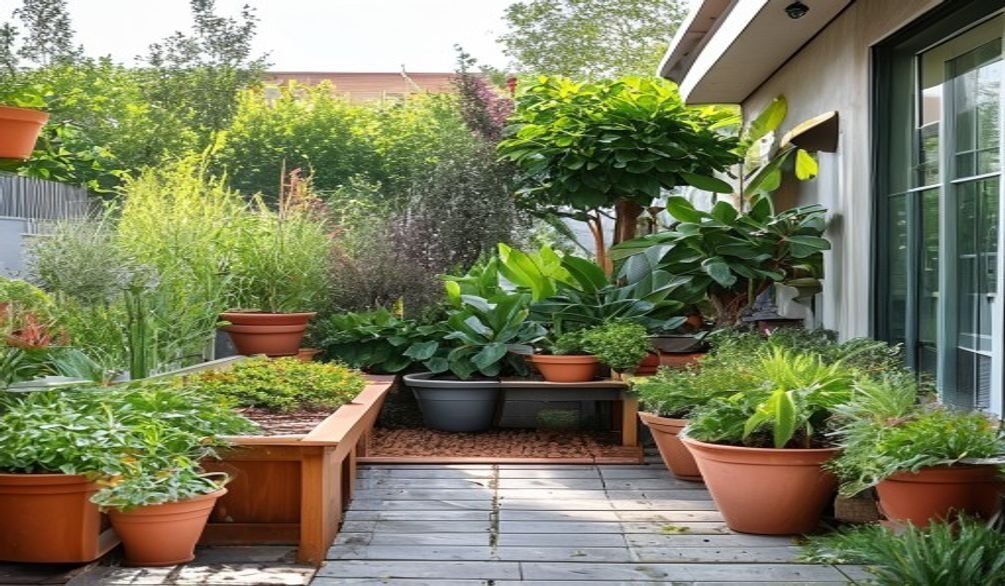
Finding the **best soil mix for vegetable gardens** is the single most important step you can take to ensure a bountiful harvest. As an expert gardener with over 10 years of experience, I’ve seen firsthand how the right foundation can transform a struggling plot into a thriving ecosystem, providing essential nutrients and optimal growing conditions for all your favorite vegetables. This comprehensive guide will walk you through creating and maintaining the ideal soil environment, whether you’re starting an in-ground bed, a raised garden, or even containers.
Quick Answer: The best soil mix for thriving vegetable gardens is a well-draining, nutrient-rich blend of 40-50% compost, 30-40% topsoil/sandy loam, and 10-20% aeration material (perlite/vermiculite), maintaining a pH of 6.0-7.5 for robust growth.
What is the Best Soil Mix for Vegetable Gardens?
The **best soil mix for vegetable gardens** is a balanced combination of organic matter, mineral components (like sand, silt, and clay), and aeration materials, designed to provide excellent drainage, retain moisture, and supply essential nutrients. This ideal blend ensures strong root development and healthy plant growth, leading to higher yields. Bob Westerfield, a University of Georgia Extension consumer horticulturist, states that “Healthy soil is the foundation of a productive and beautiful garden, providing essential nutrients, proper drainage and the right balance of air and moisture for plant roots to flourish” (2023).
For optimal vegetable growth, your soil should be light and friable, allowing roots to easily penetrate and access resources. Soils with less than 5% organic matter tend to be less productive, often leading to nutrient deficiencies in plants, according to Michigan State University (2018). My personal experience confirms that consistent organic matter is key.
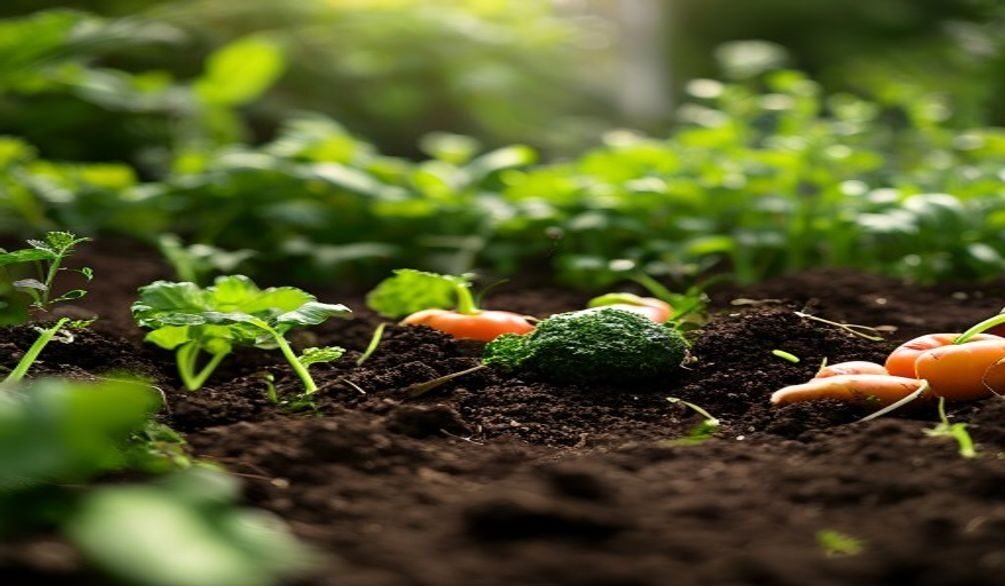
A truly great vegetable garden soil mix is not just about nutrients; it’s about creating a living environment. It supports beneficial microorganisms that break down organic material, making nutrients available to plants. This biological activity is crucial for a self-sustaining garden ecosystem.
Key Components of a Thriving Vegetable Garden Soil
A thriving vegetable garden soil is built upon a foundation of several key components working in harmony: organic matter, a balanced mineral base, and materials for aeration and drainage. Each element plays a crucial role in supporting robust plant life. For instance, soil with 4% to 5% organic matter will likely release sufficient nitrogen for crop growth, but lower percentages may require supplementation, according to the USDA (2019).
Organic Matter (Compost, Manure)
Organic matter is the cornerstone of healthy garden soil, significantly improving its structure, fertility, and water retention. High quality compost is recognized as ‘black gold’ for gardens, and it is generally considered the best practical way to increase vital organic matter, as highlighted by NC State Extension (2021). I’ve found that regularly adding compost is the single most impactful thing you can do for your soil.
Each 1 percent increase of organic matter in soil can help the soil hold approximately 20,000 gallons more water per acre, or nearly half a gallon per square foot, according to soil science studies (2017). This incredible water retention capacity means less frequent watering for your vegetables. Fully composted cow manure, like Black Kow, is an excellent source of organic matter, known for building soil health and promoting faster growth.
Mineral Components (Topsoil, Sandy Loam)
The mineral component of your soil provides structural stability and a reservoir for nutrients. A good topsoil or sandy loam offers a balanced blend of sand, silt, and clay particles, which is ideal for most vegetables. This balance prevents waterlogging and allows for proper gas exchange around roots.
Aeration and Drainage Materials (Perlite, Vermiculite, Coarse Sand)
These materials are crucial for creating pore space within the soil, allowing air and water to circulate freely. A good soil is not “solid”; between 40% and 60% of the soil volume should be pores, which may be filled with water or air, making both available to plants, as explained by the University of Minnesota Extension (2022). Perlite and vermiculite are lightweight, inert materials that prevent compaction.
Vermiculite also has the added benefit of retaining moisture and nutrients, slowly releasing them back to plant roots. Coarse sand improves drainage without compacting like fine sand can. In my experience, neglecting aeration often leads to stunted root growth and poor plant health.
Soil pH
Soil pH, a measure of acidity or alkalinity, critically influences nutrient availability to plants. Most vegetable plants thrive in slightly acidic to neutral soil, with an ideal pH level between 6.0 and 7.5, according to the University of Georgia Extension (2023). Specifically, many vegetables prefer a pH between 6.0 and 6.5. Regular soil pH testing is vital to ensure your plants can absorb the nutrients they need.
DIY Soil Mix Recipes for Your Vegetable Garden
Creating your own DIY soil mix for vegetable gardens allows you to tailor the blend precisely to your needs and often saves money in the long run. The best homemade soil mix for vegetables typically combines a nutrient-rich organic base with materials that ensure excellent drainage and aeration. This approach ensures you know exactly what goes into your garden, avoiding undesirable additives sometimes found in commercial products.
Here are a few popular and effective recipes:
Step 1: Mel’s Mix (Square Foot Gardening)
Mel’s Mix, popularized by Mel Bartholomew, is a highly effective and easy-to-remember blend for raised beds and containers. It focuses on nutrient density and excellent drainage. This recipe is perfect for maximizing yields in small spaces.
- 1/3 high-quality compost (a blend of different types is best)
- 1/3 coarse vermiculite
- 1/3 peat moss or coconut coir (sustainable alternative)
Mix these three components thoroughly. The beauty of Mel’s Mix is that its rich compost content often means you won’t need additional fertilizers for the first season or two.
Step 2: Joe Lamp’l’s “Perfect Soil Recipe”
Gardening expert Joe Lamp’l advocates for a blend that balances affordability with performance, particularly for larger raised beds. This recipe provides a solid, nutrient-rich base. It is designed for longevity and sustained plant health.
- 50% quality topsoil or screened garden soil
- 30% high-quality compost (e.g., Black Kow, mushroom compost)
- 20% other organic matter (e.g., aged pine bark fines, coco coir)
This mix is excellent for in-ground gardens or large raised beds where sourcing significant amounts of topsoil is feasible.
Step 3: Basic Compost-Rich Garden Blend
For general in-ground gardens or larger raised beds, a simple yet effective approach is to focus on a high percentage of compost. This recipe is fantastic for rejuvenating depleted soils. It dramatically improves soil structure and fertility over time.
- 60% existing garden soil or screened topsoil
- 40% high-quality finished compost (e.g., homemade, municipal, or bagged)
Incorporate this blend deeply into your existing garden bed, ideally to a depth of 6-8 inches. For heavy clay soils, you might also consider adding 10-20% coarse sand to improve drainage.
Choosing the Best Commercial Soil Mixes for Vegetables
When time or resources for DIY mixing are limited, selecting the **best commercial soil mix for vegetable gardens** can provide a convenient and effective solution. These pre-formulated mixes are designed to offer balanced nutrition and optimal physical properties for vegetable growth. Always look for products that are OMRI-listed if you’re aiming for organic gardening, ensuring they meet organic standards.
Many reputable brands offer excellent options. Kellogg Garden Organics, for example, produces an Organic Raised Bed and Potting Mix that is OMRI-listed and formulated with ingredients like aged wood fines and compost, ideal for edibles. Espoma also offers a range of organic potting and raised bed mixes that include aged forest products, sphagnum peat moss, and perlite, often enhanced with mycorrhizae for improved nutrient uptake. When choosing, prioritize mixes specifically labeled for “vegetables,” “raised beds,” or “potting mix for edibles” to ensure they contain the right balance of nutrients and pH for food crops.
Best Soil Mix for Raised Vegetable Beds
The **best soil mix for raised vegetable beds** requires careful consideration of drainage, nutrient retention, and long-term settling, as raised beds are essentially large containers. Unlike in-ground gardens, raised beds don’t have direct access to the native soil’s microbial life and often need a more robust, custom blend. The University of Maine Cooperative Extension (2015) generally recommends a mix of 75% loam (mineral component) and about 25% organic matter (finished compost) for raised beds, though many successful recipes exist.
A popular and effective recipe for raised beds is a variation of Mel’s Mix, but for larger beds, you might consider a more cost-effective blend that includes some topsoil. A good starting point for a DIY raised bed soil mix recipe is:
- 40% high-quality compost (or a blend of compost and well-rotted manure)
- 40% screened topsoil or sandy loam
- 20% aeration material (perlite, vermiculite, or coarse sand)
This combination provides excellent drainage while still retaining enough moisture for vegetables. It also minimizes compaction over time. Remember that raised beds will settle over the season, so plan to top them off with additional compost annually.
Maintaining Long-Term Soil Health for Abundant Harvests
Maintaining long-term soil health is crucial for ensuring consistently abundant vegetable harvests year after year, transforming your garden into a sustainable ecosystem. Building a self-sustaining vegetable garden ecosystem goes beyond the initial mix; it requires ongoing care and attention to soil biology. Colorado State University Extension emphasizes that “In the vegetable garden, the routine addition of organic soil amendments such as compost can optimize potential yields and quality” (2020).
Regular Compost Additions
Consistently replenishing organic matter is the most effective way to sustain soil fertility. I recommend adding a 1-2 inch layer of finished compost to your garden beds annually, either in spring before planting or in fall after harvest. This top-dressing slowly works its way into the soil, feeding microbes and improving structure. For more on composting, see our Terrace Garden Composting Guide.
Cover Cropping
Planting cover crops during off-seasons protects the soil from erosion, adds organic matter when tilled under, and can even suppress weeds. Leguminous cover crops like clover or vetch also fix nitrogen in the soil, naturally fertilizing for your next vegetable crop. This practice is a cornerstone of regenerative gardening.
Crop Rotation
Rotating your vegetable crops annually prevents the build-up of specific pests and diseases associated with certain plant families, and balances nutrient usage. For instance, planting nitrogen-fixing beans after heavy feeders like corn helps maintain soil fertility. This simple practice significantly impacts long-term soil vitality. You can find more comprehensive strategies in our Organic Garden Planning Guide.
Troubleshooting Common Vegetable Garden Soil Problems
Troubleshooting common vegetable garden soil problems effectively can quickly restore plant health and prevent significant crop losses. Identifying the root cause of issues like stunted growth or poor yields often points back to the soil itself. For example, compacted soil can restrict root growth and nutrient uptake, leading to overall plant stress.
Compaction
Compacted soil prevents roots from expanding, restricts water infiltration, and reduces oxygen availability. This is a common issue in clayey soils or areas with heavy foot traffic. To amend clay soil for a vegetable garden, incorporate 1 to 2 inches of compost 6 to 8 inches deep into compacted soil to increase air, water, and nutrients for plants, as recommended by the University of Minnesota Extension (2022). Avoid working soil when it’s wet, as this can worsen compaction.
Waterlogging
Waterlogging, often indicated by standing water or perpetually soggy soil, suffocates roots by depriving them of oxygen. This can be a problem in raised beds if drainage holes are blocked or the soil mix is too heavy. Improve drainage by incorporating more aeration materials like perlite or coarse sand into your mix. For in-ground beds, consider installing French drains or building raised rows.
Nutrient Deficiencies
Yellowing leaves, stunted growth, or poor fruit set can signal nutrient deficiencies. While a good soil mix should be nutrient-rich soil, heavy feeders or long growing seasons can deplete specific elements. Conduct a soil test to pinpoint exact deficiencies. Then, apply targeted organic amendments like bone meal for phosphorus, blood meal for nitrogen, or kelp meal for micronutrients.
pH Imbalance
An incorrect soil pH for common vegetables can “lock up” nutrients, making them unavailable even if present in the soil. If your soil test reveals a pH outside the ideal 6.0-7.5 range, you’ll need to adjust it. To raise pH, add agricultural lime; to lower pH, add elemental sulfur or peat moss. Always follow application rates carefully.
What are the Best Soil Amendments for Vegetable Gardens?
Soil amendments are materials added to soil to improve its physical properties, chemical characteristics, or biological activity, rather than primarily providing nutrients. These additions enhance the overall structure and fertility of your garden, leading to healthier plants. For soil with 2% to 3% organic matter, nitrogen supplementation may be required for heavy feeders, highlighting the role of amendments in nutrient management, according to the USDA (2019).
Here are some of the best soil amendments for vegetable gardens:
| Amendment | Primary Benefit | How it Helps Vegetables |
|---|---|---|
| Compost | Improves soil structure, adds nutrients, boosts microbial life | Enhances drainage, water retention, and provides slow-release nutrients; vital for nutrient-rich soil. |
| Worm Castings | Rich in micronutrients, beneficial microbes, and humic acids | Acts as a powerful natural fertilizer, improves germination, and disease resistance. Urban Worm Company offers high-quality castings. |
| Perlite | Enhances aeration and drainage | Prevents compaction, ensuring roots get oxygen and don’t sit in water. |
| Vermiculite | Improves aeration, drainage, and water/nutrient retention | Holds moisture and nutrients, releasing them slowly, ideal for seed starting and moisture-loving plants. |
| Aged Manure (e.g., Black Kow) | Adds organic matter and a balanced set of nutrients | Boosts fertility, improves soil structure, and encourages robust growth. |
| Greensand | Adds trace minerals (potassium, iron, magnesium) | Slow-release source of micronutrients, good for sandy soils lacking minerals. |
| Bone Meal | High in phosphorus and calcium | Promotes strong root development, flowering, and fruiting; essential for root crops and fruiting vegetables. |
| Blood Meal | High in nitrogen | Provides a quick boost of nitrogen for leafy greens and heavy feeders. |
| Agricultural Lime | Raises soil pH, adds calcium and magnesium | Corrects acidic soil conditions, making nutrients more available to plants. |
| Elemental Sulfur | Lowers soil pH | Corrects alkaline soil conditions, useful for acid-loving vegetables if pH is too high. |
Frequently Asked Questions
What is the best soil mix for raised vegetable beds?
The best soil mix for raised vegetable beds is typically a blend of 40% compost, 40% screened topsoil, and 20% aeration material like perlite or vermiculite. This combination ensures excellent drainage while providing ample nutrients and preventing compaction, supporting robust root systems.
What is the best homemade soil mix for vegetables?
The best homemade soil mix for vegetables often follows Mel’s Mix, consisting of equal parts compost, vermiculite, and peat moss (or coconut coir). This blend is highly nutrient-rich and offers superb drainage, making it ideal for intensive planting methods.
What are the 3 best soil amendments for vegetable gardens?
The three best soil amendments for vegetable gardens are high-quality compost, worm castings, and perlite or vermiculite. Compost enriches soil structure and adds nutrients, worm castings provide concentrated fertility, and perlite/vermiculite ensure crucial aeration and drainage.
What is the best ratio for garden soil mix?
A highly effective ratio for a general garden soil mix is 40-50% compost, 30-40% topsoil or sandy loam, and 10-20% aeration material. This balance supports strong root growth, provides essential water retention, and ensures proper drainage, according to gardening experts like Joe Lamp’l (2021).
What is the best soil pH for common vegetables?
The best soil pH for common vegetables generally ranges between 6.0 and 7.5, with many preferring a slightly acidic range of 6.0-6.5. Maintaining this pH level is crucial as it dictates the availability of essential nutrients to your plants, directly impacting their health and yield.