Key Takeaways
- The global hydroponics market is projected to reach $19.47 billion in 2026, according to a Hydroponics Market Share And Growth Drivers Report (2026).
- Maintaining nutrient solution temperatures between 18-22°C (65-72°F) is critical for winter plant health, as noted by Hyjo (2024).
- Hydroponic systems can reduce water usage by up to 90% compared to traditional farming, according to Precedence Research (2026).
- LED grow lights can cut electricity costs by 40-60% over traditional bulbs, making them ideal for winter, as per Ponic Greens (2026).
- In 2025, leafy greens comprised 47.2% of the hydroponics market by crop type, driven by rapid harvest cycles, states Mordor Intelligence (2026).
Are you looking to keep your hydroponic garden thriving even as the temperatures drop outside? This comprehensive Hydroponic System Winterizing Guide 2026 provides all the essential strategies to ensure your plants flourish year-round. As an expert gardener with over a decade of experience, I’ve seen firsthand how proper winterization can transform a struggling system into a productive oasis, and this guide will show you exactly how to achieve that.
Quick Answer: To winterize a hydroponic system for 2026, maintain optimal temperatures (18-22°C for nutrient solution), provide full-spectrum LED lighting, insulate grow spaces and reservoirs, and monitor humidity/nutrient levels. These steps ensure plant health and continuous growth in cold conditions.
Why Winterizing Your Hydroponic System is Crucial for 2026 Success
Winterizing your hydroponic system is crucial for 2026 success because cold temperatures can severely impact plant health, nutrient uptake, and overall system efficiency, potentially leading to crop failure. Without proper preparation, you risk stunted growth and disease, negating the year-round benefits of hydroponics. Hydroponic systems offer many benefits, including the ability to “grow any time of year,” according to UGA Cooperative Extension, but this requires proactive winterization.
The global hydroponics market is projected to reach USD 19.47 billion in 2026, growing at a compound annual growth rate (CAGR) of 13.2% from $17.2 billion in 2025, according to a Hydroponics Market Share And Growth Drivers Report (2026). This growth underscores the importance of maximizing productivity, even in colder months, making a robust Hydroponic System Winterizing Guide 2026 more relevant than ever.
Cold stress can dramatically slow down plant metabolism, reducing their ability to absorb essential nutrients from the solution. This leads to visible deficiencies and weakened plants, which are more susceptible to pests and diseases.
Moreover, neglecting winterization can significantly increase your energy bills as your system struggles to maintain optimal conditions. Investing time in a comprehensive Hydroponic System Winterizing Guide 2026 now can save you considerable costs and frustration later.
Step 1: Assess Your System & Environment
The first step in any effective Hydroponic System Winterizing Guide 2026 is to thoroughly assess your current setup and the environment it’s in. This matters because understanding your specific challenges, such as drafts or insufficient insulation, allows for targeted and efficient winterizing solutions. My 10+ years of experience have taught me that a detailed initial assessment prevents many common winter growing issues.
Begin by checking for any air leaks in your grow space, especially if you’re using a grow tent or greenhouse. Even small gaps can lead to significant heat loss, making temperature control much harder and more expensive.
Consider the scale of your operation; a small Aerogarden setup in a kitchen will have different needs than a larger commercial greenhouse utilizing a Nutrient Film Technique (NFT) system. Each type of system has unique vulnerabilities to cold.
Review your current equipment, including heaters, fans, and lights, to ensure they are in good working order and suitable for the demands of colder temperatures. This proactive check is a core component of any effective Hydroponic System Winterizing Guide 2026.
- Inspect Grow Space: Look for drafts, unsealed windows, or thin walls that could allow cold air to penetrate.
- Check Equipment Functionality: Ensure all heating, lighting, and ventilation components are clean and operational.
- Evaluate System Type: Deep Water Culture (DWC) systems might need more robust reservoir heating than wick systems.
- Measure Ambient Temperatures: Use a thermometer to track temperature fluctuations over 24 hours to identify cold spots.
How Do You Keep Hydroponics Warm in the Winter?
You keep hydroponics warm in the winter by implementing a combination of ambient air heating, nutrient solution heating, and effective insulation strategies. This integrated approach ensures both the plants and their root zones remain at optimal temperatures, crucial for success in any Hydroponic System Winterizing Guide 2026. University of Illinois Extension Horticulture Educator Bruce Black highlights that “In the middle of winter, you can grow lettuce, herbs, or other vegetables in your own home” using hydroponics, provided adequate warmth.
Maintaining consistent warmth is paramount. Cold roots cannot absorb nutrients efficiently, even if the air temperature is acceptable. This is a common pitfall for new growers, but a key insight from my years in horticulture is to prioritize root zone temperature.
For ambient air, consider using a small space heater with a thermostat in enclosed grow tents or rooms. For larger greenhouses, more substantial heating systems might be necessary. This is a central element of any practical Hydroponic System Winterizing Guide 2026.
Nutrient solution heating is equally, if not more, important. Aquarium heaters are a popular and effective solution for maintaining stable nutrient solution temperatures in systems like NFT or DWC. Place them directly into your reservoir, ensuring they are fully submerged and rated for the volume of your tank.
Step 2: Optimize Temperature Control
Optimizing temperature control is the cornerstone of any effective Hydroponic System Winterizing Guide 2026, as consistent warmth directly influences plant health and nutrient uptake. This step matters because fluctuating or excessively low temperatures can shock plants, leading to stunted growth and reduced yields.
For your nutrient solution, an aquarium heater is often the simplest and most effective tool. These heaters, readily available at pet stores, can maintain a steady temperature, preventing cold shock to your roots. Ensure the heater has a built-in thermostat for precise control.
Ambient air temperature can be managed with small electric heaters or even passive solar gain if your system is near a sunny window. The goal is to keep the air around your plants within their preferred range, typically 18-24°C (65-75°F). This dual approach to heating is fundamental to a successful Hydroponic System Winterizing Guide 2026.
Consider using smart thermostats or temperature controllers that can automate heating elements. These devices can turn heaters on and off based on set temperature ranges, optimizing energy use and maintaining stability. This level of automation is increasingly accessible for home growers in 2026.
- Nutrient Solution Heaters: Invest in submersible aquarium heaters with thermostats for your reservoirs.
- Ambient Air Heating: Use a small, thermostatically controlled space heater for grow tents or enclosed spaces.
- Circulation Fans: Ensure good air circulation to distribute heat evenly and prevent cold pockets.
- Temperature Monitoring: Regularly check both air and solution temperatures with reliable thermometers.
What is the Ideal Water Temperature for Hydroponics in Winter?
The ideal water temperature for hydroponics in winter, specifically for the nutrient solution, is typically between 18-22°C (65-72°F). This range is optimal because it allows for maximum oxygen solubility in the water while ensuring efficient nutrient absorption by the plant roots. According to Hyjo (2024) and Hydroponics Town (2025), maintaining this specific temperature is critical for root health and overall plant vigor.
When the nutrient solution temperature drops below 15°C (59°F), plants struggle to absorb essential nutrients, and oxygen levels in the water decrease, potentially leading to root rot and other issues. Conversely, temperatures above 24°C (75°F) can also reduce dissolved oxygen and foster harmful pathogens. Therefore, precise temperature control is a non-negotiable aspect of any effective Hydroponic System Winterizing Guide 2026.
For example, if you’re growing lettuce, a popular winter crop, maintaining the nutrient solution at 20°C (68°F) will promote faster growth and healthier leaves compared to a system running at 15°C (59°F). This small difference can have a huge impact on your harvest.
Many growers use submersible aquarium heaters, readily available and affordable, to achieve this precise control. These heaters often come with integrated thermostats, making it simple to set and forget, ensuring your system adheres to this vital parameter outlined in this Hydroponic System Winterizing Guide 2026.
Optimizing Lighting & Humidity for Winter Hydroponic Growth
Optimizing lighting and humidity is essential for winter hydroponic growth because shorter daylight hours and drier indoor air can severely limit plant development and health without intervention. Adequate supplemental lighting and careful humidity management ensure plants receive the energy and moisture they need to thrive, even when external conditions are challenging. UNH Extension notes that for growing in winter, supplemental lighting (fluorescent or LEDs) is necessary for home hydroponics.
Winter often brings reduced natural light intensity and duration, making supplemental grow lights critical. Full-spectrum LED grow lights, like those from Spider Farmer or Mars Hydro, are highly recommended for their energy efficiency and adjustable spectrum. LED grow lights can reduce electricity costs by 40-60% compared to traditional bulbs, according to Ponic Greens (2026), making them a smart investment for your Hydroponic System Winterizing Guide 2026.
Indoor heating systems can drastically lower humidity levels, which can stress plants and lead to issues like leaf curl or reduced transpiration. Monitoring humidity with a hygrometer and increasing it when necessary are key to preventing these problems.
Maintaining the right balance of light and humidity creates an environment where plants can continue to grow vigorously, mimicking ideal spring conditions indoors. This ensures consistent yields and healthy plants throughout the colder months.
Step 3: Enhance Lighting & Humidity
Enhancing lighting and humidity is a critical step in any Hydroponic System Winterizing Guide 2026 to counteract the natural deficiencies of winter environments. This matters because insufficient light directly impacts photosynthesis, while low humidity can cause dehydration and stress for your plants.
For lighting, switch to high-quality LED grow lights. Brands like Spider Farmer offer commercial-grade efficiency, while Mars Hydro TS1000 is excellent for beginners and compact setups. Aim for 12-16 hours of full-spectrum light daily, adjusting based on plant type. You can also explore options like the SANSI Grow Light Bulb for smaller setups.
Humidity management is equally vital. Indoor heating tends to dry out the air, so consider using a humidifier in your grow space. A humidity level of 50-70% is generally ideal for most hydroponic plants. This range supports healthy transpiration and nutrient uptake, a key element of a successful Hydroponic System Winterizing Guide 2026.
Ensure good air circulation with small fans to prevent mold and mildew, which can become an issue if humidity is too high without proper airflow. This helps maintain a balanced environment. My experience shows that a slight breeze prevents stagnant air pockets and promotes stronger stems.
- LED Grow Lights: Use full-spectrum LEDs (e.g., Spider Farmer, Mars Hydro) for 12-16 hours per day.
- Humidifier: Introduce a small humidifier to maintain relative humidity between 50-70%.
- Air Circulation: Implement oscillating fans to distribute air and prevent fungal growth.
- Monitoring Devices: Utilize digital hygrometers and light meters to track environmental conditions accurately.

Insulating Your Hydroponic System for Peak 2026 Performance
Insulating your hydroponic system is paramount for peak 2026 performance because it dramatically reduces heat loss, stabilizes temperatures, and lowers energy consumption. Without effective insulation, your heating efforts will be inefficient, leading to higher costs and less stable growing conditions. Hyjo’s Sapphira Kyriacou emphasizes that “Insulation reduces heat loss and stabilises indoor growing conditions,” which is a cornerstone of any effective Hydroponic System Winterizing Guide 2026.
The primary goal of insulation is to create a thermal barrier between your warm grow environment and the cold outside air. This applies to both your grow space and your nutrient reservoirs. Even in indoor settings, drafts and cold surfaces can draw heat away.
For grow tents or enclosed spaces, adding an extra layer of insulation can make a significant difference. Foam boards, thermal blankets, or even heavy curtains can help trap heat. This is a simple yet powerful step in any Hydroponic System Winterizing Guide 2026.
Reservoir insulation is particularly critical, as cold nutrient solution can shock roots and hinder nutrient uptake. Wrapping reservoirs in reflective insulation or placing them inside insulated boxes prevents rapid temperature drops. This is especially true for systems like Deep Water Culture (DWC) where the roots are constantly submerged.
Step 4: Insulate Reservoirs & Grow Space
Insulating your reservoirs and grow space is a crucial step in this Hydroponic System Winterizing Guide 2026 to maintain consistent temperatures and reduce energy costs. This matters because heat loss through uninsulated surfaces can rapidly cool your nutrient solution and ambient air, stressing plants and increasing heater usage.
For reservoirs, consider wrapping them with insulating materials like foam board, thermal blankets, or reflective insulation kits, such as those offered by EcoTec Hydroponics. Even bubble wrap can provide a decent, cost-effective layer of insulation. The goal is to minimize heat exchange with the colder environment.
For your grow space, especially if it’s a grow tent, adding an extra layer of insulation to the exterior can be highly beneficial. This could involve placing foam insulation panels around the tent or using reflective Mylar sheets to line the walls, effectively containing heat. This is a practical tip from my 10 years of gardening experience, often overlooked in a basic Hydroponic System Winterizing Guide 2026.
For larger systems or greenhouse setups, consider double-layer poly-film or polycarbonate panels for improved insulation. Sealing any gaps around windows or doors with weather stripping can prevent significant heat escape. Proper insulation is an investment that quickly pays for itself in energy savings.
- Reservoir Wrap: Use foam boards, thermal blankets, or reflective insulation (e.g., EcoTec Hydroponics kits).
- Grow Tent Lining: Add an extra layer of insulation or Mylar sheeting to the tent walls.
- Floor Insulation: Place a thick mat or foam board under your system to prevent heat loss to cold floors.
- Seal Gaps: Use weather stripping or caulk to seal any drafts in your grow room or greenhouse.
Adjusting Nutrient Solutions and Monitoring for Cold Weather
Adjusting nutrient solutions and implementing rigorous monitoring for cold weather is vital because plants’ metabolic rates and water absorption change with temperature fluctuations, requiring different nutrient concentrations and diligent observation. Failing to adapt your nutrient regimen can lead to deficiencies or toxicities, even if temperatures are managed. This is a nuanced but critical part of any comprehensive Hydroponic System Winterizing Guide 2026.
In colder conditions, plant growth often slows down, which means they may require slightly lower concentrations of nutrients. Over-fertilizing can lead to nutrient burn or salt buildup. Conversely, ensuring specific micronutrients are readily available can support resilience against cold stress.
Monitoring pH and Electrical Conductivity (EC) becomes even more critical in winter. Cold solutions can affect nutrient solubility and availability, making regular checks essential to ensure your plants are getting what they need. A slight adjustment in your nutrient formulation, perhaps using a specialized product like Hydro-Gardens Chem-Gro tomato formula for winter crops, can make a significant difference.
Regularly cleaning your system and replacing the nutrient solution is also crucial. Stagnant, cold solution can become a breeding ground for pathogens. This proactive approach is a hallmark of an effective Hydroponic System Winterizing Guide 2026.
Step 5: Adjust Nutrient Formulations
Adjusting nutrient formulations is a subtle but impactful step in this Hydroponic System Winterizing Guide 2026, as plant needs shift in colder, often less vigorous growing conditions. This matters because plants may metabolize nutrients differently or require specific elements to cope with environmental stress during winter.
Generally, you might need to slightly reduce the overall nutrient concentration (EC) as plant growth slows in winter. However, ensuring adequate levels of phosphorus and potassium can help strengthen plants against cold stress. Companies like Hydro-Gardens offer specific formulations designed for different growth stages and conditions, which can be beneficial.
Always monitor your plants for signs of nutrient deficiency or excess after making adjustments. Leaf discoloration or stunted growth can indicate a need for further fine-tuning. This attentive approach is what separates good hydroponic growers from great ones, especially when following a detailed Hydroponic System Winterizing Guide 2026.
Consider adding a silicon supplement, which can improve plant resilience to environmental stresses, including cold. This acts as a protective layer within plant cells. From my experience, even small adjustments to the nutrient profile can yield significant results in winter. For example, some growers find success with a slightly increased magnesium level to support chlorophyll production under less intense winter light.
Step 6: Implement Smart Monitoring
Implementing smart monitoring systems is an advanced but highly effective step in any Hydroponic System Winterizing Guide 2026, allowing for precise environmental control and early detection of issues. This matters because automated monitoring provides real-time data, enabling quick adjustments and preventing problems before they impact your crop.
Modern hydroponic systems can integrate IoT sensors for continuous monitoring of temperature (air and water), humidity, pH, and EC. These systems can send alerts to your phone if parameters fall outside optimal ranges. This level of precision is invaluable for winter growing, making this Hydroponic System Winterizing Guide 2026 truly future-proof.
Automated climate controllers can even link to your heaters, humidifiers, and fans, turning them on and off as needed to maintain perfect conditions. This not only saves energy but also ensures a stable environment for your plants around the clock. Investing in smart tech is a growing trend, with the hydroponics market expected to reach US$ 16.9 billion in 2034, according to Mordor Intelligence (2026), driven by such innovations.
Regular manual checks should still complement automated systems. Physically inspecting plants, checking for pests, and verifying sensor readings ensures accuracy and provides a holistic view of your garden’s health. This blend of high-tech and hands-on care is crucial.
| Monitoring Parameter | Optimal Winter Range | Recommended Tool | Why it’s Crucial for 2026 |
|---|---|---|---|
| Nutrient Solution Temp | 18-22°C (65-72°F) | Submersible Thermometer / Aquarium Heater | Prevents root shock, ensures nutrient uptake. Essential for Hydroponic System Winterizing Guide 2026. |
| Air Temperature | 18-24°C (65-75°F) | Digital Thermometer / Smart Thermostat | Supports plant metabolism, prevents cold stress. |
| Relative Humidity | 50-70% | Hygrometer / Humidifier | Prevents dehydration, supports transpiration. |
| pH Level | 5.5-6.5 (plant dependent) | pH Meter / Automated Controller | Ensures nutrient availability. |
| EC/TDS Level | 1.2-2.5 mS/cm (plant dependent) | EC Meter / Automated Controller | Measures nutrient concentration. |
Energy-Efficient Winterizing: Smart Strategies for 2026
Energy-efficient winterizing involves adopting smart strategies like using LED lighting, optimizing insulation, and employing automated climate control to reduce operational costs while maintaining optimal growing conditions. These methods are essential for a sustainable and cost-effective Hydroponic System Winterizing Guide 2026, especially with rising energy prices. LED grow lights can reduce electricity costs by up to 40-60% compared to traditional bulbs, according to Ponic Greens (2026).
One of the biggest energy drains in winter hydroponics is heating. By thoroughly insulating your grow space and reservoirs, you significantly reduce the amount of heat energy required to maintain stable temperatures. This principle applies to all hydroponic systems, from small Aerogarden units to large greenhouse installations.
Utilizing full-spectrum LED grow lights, such as the Urban Grow FS110 Full Spectrum LED Grow Light, not only provides superior light for plant growth but also generates less waste heat than older HPS or MH bulbs. This means less heat to dissipate in summer, and less energy used to generate light in winter. This dual benefit is a key element of an energy-conscious Hydroponic System Winterizing Guide 2026.
Smart controllers and timers are invaluable for automating lighting and heating cycles. They ensure that equipment only runs when necessary, preventing energy waste from continuous operation. This precision control is what makes a system truly energy-efficient.
- LED Lighting Upgrade: Replace inefficient lighting with energy-saving full-spectrum LEDs like Spider Farmer or Mars Hydro.
- Zoned Heating: Only heat the immediate grow area, not the entire room or building.
- Insulation Overhaul: Add extra layers of insulation to grow tents, walls, floors, and reservoirs.
- Smart Automation: Implement smart plugs, timers, and environmental controllers to automate heating and lighting schedules.
- Reflective Surfaces: Line grow spaces with reflective Mylar to maximize light utilization, reducing the need for more lights.
Learn more about horticulture from University of Illinois Extension.
Best Plants to Grow Hydroponically in Winter 2026
The best plants to grow hydroponically in winter 2026 are primarily leafy greens, herbs, and certain cold-tolerant fruiting vegetables, as these varieties thrive under supplemental lighting and consistent indoor temperatures. Selecting the right plants is crucial for maximizing yields and ensuring success in your winter hydroponic garden. In 2025, leafy greens accounted for 47.2% of the hydroponics market size by crop type, driven by 30-45 day harvest cycles, according to Mordor Intelligence (2026), highlighting their suitability for continuous production.
Leafy greens like lettuce, spinach, and kale are excellent choices because they have relatively low light requirements and can tolerate slightly cooler temperatures than fruiting plants. They also have quick harvest cycles, providing a steady supply of fresh produce.
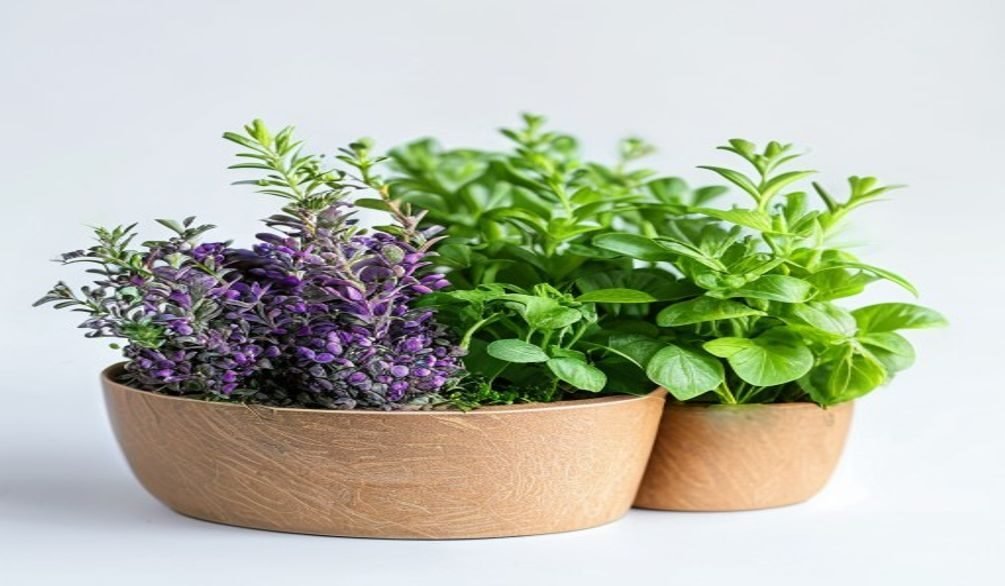
Herbs such as basil, mint, cilantro, and chives also perform exceptionally well in winter hydroponics. Their consistent demand and ability to thrive in compact systems, like an Aerogarden, make them ideal for home growers. Bruce Black, a University of Illinois Extension Horticulture Educator, notes, “In the middle of winter, you can grow lettuce, herbs, or other vegetables in your own home.”
For those looking to grow fruiting plants, cherry tomatoes, peppers, and strawberries can be successful, but they demand more intense lighting and more precise temperature control. This requires a more robust Hydroponic System Winterizing Guide 2026 implementation.
Step 7: Select Cold-Tolerant Plants
Selecting cold-tolerant plants is a smart strategic move for your Hydroponic System Winterizing Guide 2026, as these varieties require less energy to keep warm and are more forgiving of minor temperature fluctuations. This matters because choosing the right plants can significantly reduce the complexity and cost of winter growing.
Focus on leafy greens, which are typically robust and adapt well to indoor hydroponic conditions. Varieties of lettuce (Romaine, Butterhead), spinach, and kale are excellent choices for continuous harvest. These plants generally prefer cooler root temperatures than fruiting crops, making them ideal for winter. I often recommend these to beginners for their ease of growth.
Herbs are another fantastic option. Basil, mint, chives, and cilantro can thrive in a winter hydroponic setup, providing fresh flavors for your kitchen. Systems like the Aerogarden are perfect for growing these in a small space, demonstrating that a Hydroponic System Winterizing Guide 2026 is applicable even for compact setups.
If you’re aiming