Key Takeaways
- The global outdoor lighting market is projected to reach $16.24 billion in 2026, according to Research and Markets (2025).
- LED lights are expected to comprise 75.2% of the landscape lighting market in 2026 due to their efficiency and lifespan.
- Residential outdoor lighting is the fastest-growing segment, with a 7.10% CAGR through 2026-2031, as homeowners upgrade their spaces.
- Solar outdoor lighting can reduce energy bills by up to 50%, offering a sustainable and cost-effective solution for your garden.
- Well-lit homes deter criminal activity by over 30%, making thoughtful garden lighting a key safety feature.
Are you looking to transform your outdoor space into a captivating evening retreat, but feel overwhelmed by the options? This guide on Garden Lighting for Beginners 2026 is your essential resource, simplifying the process of illuminating your garden effectively and beautifully. We’ll walk you through everything from choosing the right fixtures to smart integration, ensuring your garden shines with style and purpose.
Quick Answer: Garden lighting for beginners in 2026 emphasizes safety, ambiance, and efficiency. Use LEDs or solar, plan layered lighting with warm tones, integrate smart controls, and avoid over-lighting or outdated string lights for a modern outdoor space.
Introduction to Garden Lighting for Beginners 2026
Garden lighting for beginners in 2026 is about more than just illuminating pathways; it’s about extending your living space outdoors and creating a mood. The greatest value in lighting your garden is that it truly extends your living space, allowing you to enjoy your outdoor areas long after sunset, according to professional lighting designer Adele Locke. This means thoughtful outdoor lighting design can transform a dark yard into a functional, inviting extension of your home.
Understanding the fundamental landscape lighting principles is crucial for any beginner. My 10 years of experience in horticulture have shown me that a well-lit garden enhances safety, highlights key features, and adds significant aesthetic appeal to your property. By focusing on smart, sustainable, and aesthetically pleasing solutions, you can achieve professional-looking results without overwhelming complexity. This guide will help you navigate the essential steps for successful garden lighting for beginners 2026.
What are the Essential Types of Garden Lighting for Beginners?
The essential types of garden lighting for beginners primarily include path lights, spotlights, and ambient fixtures, each serving a distinct purpose in your outdoor design. LED lights are expected to hold the largest share of the landscape lighting market, contributing 75.2% in 2026 due to their electricity savings and long lifespan, according to Landscape Lighting Market Size & Opportunities (2026). This makes LEDs a smart choice for any new installation.
Choosing the right lighting types is fundamental to effective garden lighting for beginners 2026. Different fixtures create varied effects, from practical illumination to dramatic accenting.
- Path Lights: These fixtures guide visitors safely along walkways and driveways. They typically cast a downward glow, preventing glare and highlighting the path itself. For beginners, Hampton Bay offers accessible and budget-friendly solar path lights, making them a top choice for value-driven outdoor lighting.
- Spotlights: Designed to highlight specific features like trees, sculptures, or architectural elements, spotlights provide a focused beam of light. They are excellent for creating dramatic accents and drawing attention to your garden’s focal points.
- Floodlights: Offering a broader, more intense light spread than spotlights, floodlights are useful for illuminating larger areas like a patio or the entire facade of your home for security. However, use them judiciously to avoid over-lighting.
- Well Lights: Installed flush with the ground, well lights are subtle and discreet, casting light upwards to illuminate trees or walls from below. They are ideal for creating a sophisticated, hidden light source.
- Area Lights: Similar to path lights but with a wider spread, area lights provide general illumination for flowerbeds or seating areas. They contribute to ambient lighting without being overly bright.
- Deck and Step Lights: These specialized fixtures are crucial for safety on decks, stairs, and railings. They are often low-profile and integrated directly into the structure, preventing trips and falls.
- Solar Garden Lights: Utilizing photovoltaic cells to charge during the day and illuminate at night, solar garden lights offer easy installation without wiring. Gama Sonic dominates this category with elegant, maintenance-free fixtures, utilizing patented LED and lithium-ion technology for reliable illumination. Solar outdoor lighting can reduce energy bills by up to 50%, according to Accio Work (2026).
Understanding these core types simplifies the initial planning for garden lighting for beginners 2026. Each type plays a specific role in layering your light and achieving your desired outdoor aesthetic.
How Do You Plan Your Garden Lighting Layout in 2026?
Planning your garden lighting layout in 2026 involves a strategic approach to define your goals, identify key features, and map out fixture placement for both safety and ambiance. Effective planning is the cornerstone of successful outdoor lighting design, ensuring your efforts yield a cohesive and beautiful result. This Old House recommends a well-designed plan to save time and money by avoiding unnecessary purchases and re-installations (2023).
For effective garden lighting for beginners 2026, consider these planning steps:
Step 1: Plan Your Lighting Goals
The first step is to clearly define what you want your garden lighting to achieve. Do you primarily need security lighting, or are you aiming for a tranquil, atmospheric space for entertaining? Outlining your goals from the start helps guide all subsequent decisions. Think about how you use your garden in the evening and what areas need the most attention.
Step 2: Identify Key Features and Focal Points
Walk through your garden at night (or dusk) and identify what you want to highlight or illuminate. This could be a stunning tree, a water feature, an outdoor dining area, or a particularly attractive shrub. These focal points will determine where accent lighting is most effective. Mark Piantedosi, owner of Commonwealth Landscape Lighting, recommends for DIY enthusiasts to place fixtures no closer than 20 feet apart to create “pools of light to guide your eye from one plant to the next, not continuous illumination.” This approach helps avoid a flat, over-lit look.
Step 3: Sketch Your Layout
Draw a simple diagram of your garden, including all major elements like pathways, patios, trees, and seating areas. On this sketch, mark where you envision different types of lights. This visual plan for garden lighting for beginners 2026 helps you visualize the final effect and ensures you cover all necessary areas. Consider the “three types of outdoor lighting”: ambient (general illumination), accent (highlighting features), and task (for specific activities like grilling).

Garden Lighting Planning Checklist for Beginners
| Element | Consideration | Lighting Type Suggestion |
|---|---|---|
| Pathways/Walkways | Safety & guidance | Path lights, integrated paver lighting |
| Focal Trees/Shrubs | Highlighting beauty | Spotlights, well lights, moonlighting |
| Patios/Decks | Ambiance & functionality | Area lights, string lights (modern, tasteful), deck/step lights |
| Entryways | Security & welcome | Wall sconces, floodlights (subtle) |
| Security Zones | Deterrence & visibility | Motion-sensor floodlights (Well-lit homes deter criminal activity by over 30%, according to Accio Work (2026)) |
| Architectural Features | Enhance home’s facade | Wall wash lights, spotlights |
The residential segment is the fastest-growing application in the outdoor lighting market, with a 7.10% CAGR through 2026-2031, as homeowners upgrade landscapes and decks with low-voltage LEDs and app-based controls, according to Mordor Intelligence (2026). This trend underscores the importance of a well-thought-out plan for modern garden lighting for beginners 2026.
Integrating Smart Home & Sustainable Lighting for Beginners
Integrating smart home and sustainable lighting for beginners in 2026 means choosing energy-efficient solutions and leveraging technology for convenience and control. This approach not only reduces your environmental footprint but also provides unparalleled flexibility in managing your garden’s ambiance. Claire Anstey, lighting buyer at Heal’s, notes that “Organic lighting is set to be a huge trend in 2026, blending seamlessly with its surroundings and bringing a calming feel to the space.”
Step 4: Consider Smart Integration & Sustainable Choices
When planning your garden lighting for beginners 2026, think about how smart garden lighting systems explained can enhance your experience. Modern outdoor lighting isn’t just about turning lights on and off; it’s about automation, scheduling, and dynamic control.
- Smart Lighting Systems: Brands like Philips Hue continue to lead in premium smart lighting, offering outdoor collections like Hue Appear, Econic, Lily, and Calla series. These integrate seamlessly into smart home systems via Matter and Zigbee protocols, creating a self-healing mesh network for reliable garden lights. Govee is also recognized as an RGBIC Smart Lighting Powerhouse, offering multi-directional, full-spectrum white, and wide color options in products like their outdoor garden lights and pathway lights. These systems allow you to control brightness, color, and schedules directly from your smartphone or voice assistant.
- Energy Efficiency: Always opt for LED garden lights benefits. LEDs consume significantly less energy and have a much longer lifespan than traditional bulbs, reducing both your electricity bills and the frequency of bulb replacement. The global outdoor lighting market is projected to grow from $16.24 billion in 2026 to $21.45 billion by 2030, at a compound annual growth rate (CAGR) of 7.2%, reflecting a strong move towards efficient solutions, according to Research and Markets (2025).
- Solar Power: For areas where running electrical wiring is difficult or expensive, solar garden lights installation offers a fantastic sustainable alternative. Modern solar technology, exemplified by Gama Sonic, provides reliable illumination throughout the night.
- Durable Materials: Choose fixtures made from robust, weather-resistant materials like brass, copper (such as those from Lutou), or high-quality aluminum. These materials ensure longevity, reducing waste and the need for frequent replacements.
- Dark Sky Compliance: Consider fixtures that are Dark Sky-compliant, designed to minimize light pollution by directing light downwards. This protects nocturnal wildlife and preserves the visibility of the night sky, a key aspect of sustainable garden lighting for beginners 2026.
Embracing these smart and sustainable options makes your garden lighting for beginners 2026 project future-proof and environmentally conscious.
Creating Ambiance: Layered Lighting Design Made Simple
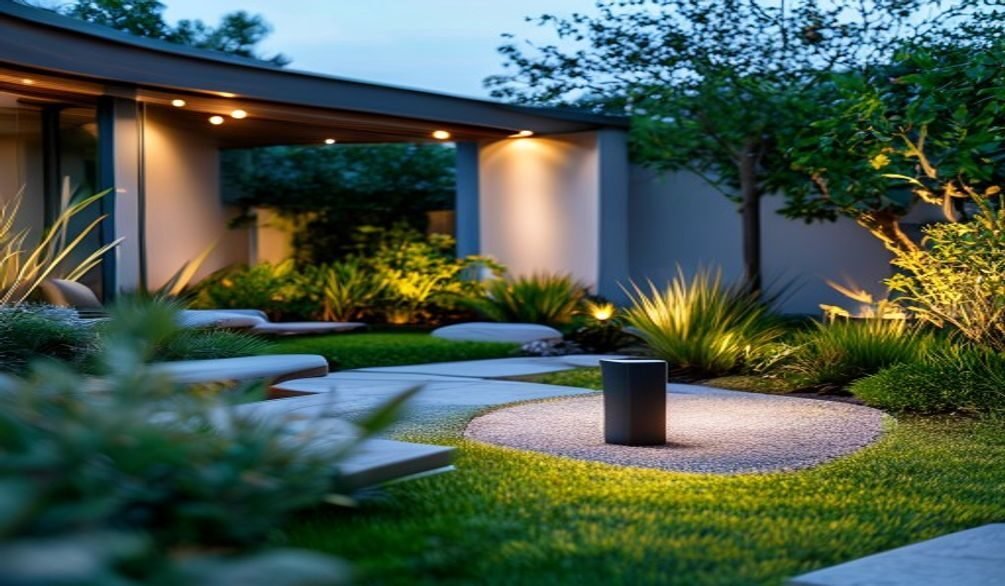
Creating ambiance through layered lighting design made simple involves combining different types of light to achieve depth, warmth, and visual interest in your garden. This is a core landscape lighting principle that elevates basic illumination to an art form. The goal is to create a dynamic space that feels inviting and sophisticated.
Layered lighting for garden lighting for beginners 2026 typically involves three key components:
- Ambient Lighting: This is your general, soft illumination that provides overall visibility. Think of it as the base layer. Area lights, subtle path lights, or soft wall washes can provide ambient lighting. The aim is to make the space comfortable to navigate without harsh shadows.
- Accent Lighting: This layer highlights specific features, adding drama and visual interest. Spotlights on trees, well lights illuminating a textured wall, or integrated paver lighting along a patio are excellent examples. Accent lighting draws the eye to the beautiful elements of your garden. Moonlighting, achieved by mounting lights high in mature trees to cast soft, dappled light downwards, mimics natural moonlight and makes properties feel larger and more dimensional, creating a magical accent.
- Task Lighting: This type of lighting is functional, providing focused illumination for specific activities. If you have an outdoor kitchen, task lighting might involve overhead lights for grilling or food preparation. For a seating area, it could be a soft light for reading.
To achieve a cozy and inviting atmosphere, choose warm white color temperatures, typically between 2700K and 3000K. This range mimics the warm glow of incandescent bulbs and candlelight, which is ideal for relaxation and entertaining. Avoid harsh, cool white lights, which can make a garden feel sterile or commercial. Thoughtful outdoor lighting design focuses on balancing these layers for a harmonious effect.
Common Garden Lighting Mistakes to Avoid in 2026
When embarking on garden lighting for beginners 2026, it’s crucial to be aware of common pitfalls that can detract from your garden’s beauty and functionality. Avoiding these mistakes ensures your investment yields the best possible results. Many beginners, in their enthusiasm, can inadvertently create issues that are easily preventable.
Here are some common garden lighting mistakes to steer clear of:
- Over-lighting the Space: One of the biggest mistakes is using too many fixtures or lights that are too bright. This can create a “runway” effect, making your garden feel harsh and losing its charm. The goal for garden lighting for beginners 2026 is subtle enhancement, not blinding illumination.
- Using the Wrong Color Temperature: As mentioned, cool white or blue-toned lights (above 3500K) can create an unwelcoming, commercial feel. Always opt for warm white (2700K-3000K) for a natural and inviting ambiance.
- Ignoring Glare: Fixtures that shine directly into the eyes of visitors or neighbors create uncomfortable glare. Position lights carefully, using shields or aiming them downwards, especially for pathway lighting ideas.
- Inconsistent Fixture Styles: Mixing too many different styles or finishes of fixtures can make your garden look disjointed. Choose a cohesive aesthetic for your garden lighting for beginners 2026 project to ensure a polished look.
- Poor Wire Management: Leaving wires exposed is not only unsightly but also a tripping hazard. Proper low voltage garden lighting installation involves burying wires safely and discreetly.
- Neglecting Maintenance: Dust, debris, and overgrown plants can obscure lights and reduce their effectiveness. Regular cleaning and pruning around fixtures are essential for lasting beauty.
- Overusing Fairy Lights or String Lights: While charming in moderation, Lydia Beaumont, a plant expert, states that “String lights were once the staple of all backyards… However the trend has now been overused and has become very visually noisy.” For garden lighting for beginners 2026, opt for modern, minimalist approaches rather than an excessive tangle of fairy lights.
- Forgetting Safety Tips: Always prioritize garden lighting safety tips. Ensure all outdoor electrical components are weather-rated, and use Ground Fault Circuit Interrupters (GFCIs) for any electrical connections.
By being mindful of these common errors, you can ensure your garden lighting for beginners 2026 project is a resounding success, creating a beautiful and functional outdoor haven.
Beginner's Guide to Installing Your Garden Lighting System
A beginner’s guide to installing your garden lighting system focuses on simplified, low-voltage solutions that are safe and manageable for DIY enthusiasts. Low voltage garden lighting for beginners is the recommended choice, as it operates at a safe 12 volts, significantly reducing the risk of electrical shock compared to line voltage systems. This makes installation much more forgiving and accessible for homeowners.
Step 5: Install Your Low-Voltage System
Installing low-voltage garden lighting for beginners 2026 is a straightforward process, especially if you’ve already completed your planning. The key is to start with a low-voltage transformer, which plugs into a standard outdoor GFCI outlet and converts household current to a safe 12 volts. Adele Locke emphasizes the importance of getting electricity to the right places early in the planning process, highlighting that proper electrical setup is foundational.
1. Place the Transformer: Mount your low-voltage transformer near your outdoor GFCI outlet. Ensure it’s in a dry, accessible location.
2. Lay Out Your Cable: Following your design plan, unroll your main low-voltage cable (often 12 or 14 gauge) along the pathways and areas where lights will be placed. Leave extra length for adjustments.
3. Connect Fixtures: Most low-voltage fixtures come with easy-to-use connectors that clamp directly onto the main cable. Position each light according to your plan and secure the connection.
4. Bury the Cable: Once all fixtures are connected and tested, bury the low-voltage cable approximately 6-12 inches deep. This protects the wire from damage and keeps your garden tidy. Use a trenching tool or a spade for this task.

Step 6: Test and Adjust Lighting
After the initial installation, the next critical step for garden lighting for beginners 2026 is to test and fine-tune your setup. This is where you bring your vision to life and ensure everything works as intended.
1. Power On and Observe: Turn on your lighting system, ideally at dusk, to see the full effect. Walk around your garden, observing from different angles.
2. Check for Glare and Shadows: Look for any harsh glare points or unintended dark shadows. Adjust fixture angles and positions as needed. You might need to add or remove a fixture to achieve the desired balance.
3. Evaluate Ambiance: Does the lighting create the mood you intended? Are focal points adequately highlighted? Is pathway lighting sufficient for safety? This iterative process of testing and adjusting is key to a polished result.
4. Set Timers/Smart Controls: If you’ve integrated smart garden lighting systems, program your schedules and scenes. This allows for automated operation, enhancing convenience and energy efficiency.
North America is expected to dominate the landscape lighting market in 2026 with a 36.1% share, driven by high consumer spending on outdoor lighting and décor upgrades, according to Research and Markets (2025). This trend highlights the growing demand for well-executed outdoor lighting, making a careful installation and adjustment phase even more important for garden lighting for beginners 2026.
Maintaining Your Garden Lighting for Lasting Beauty
Maintaining your garden lighting for lasting beauty ensures your system continues to perform optimally and look its best year after year. Regular upkeep is vital to protect your investment and sustain the aesthetic appeal of your outdoor space. Without proper maintenance, even the best garden lighting for beginners 2026 can quickly lose its effectiveness and charm.
Here’s how to keep your garden lighting system in top condition:
- Regular Cleaning: Over time, dirt, dust, and hard water spots can accumulate on fixture lenses, dimming the light output. Clean lenses periodically with a soft cloth and mild soap. This simple step dramatically improves light performance.
- Pruning and Trimming: As plants grow, they can obstruct light beams or even damage fixtures and wiring. Regularly prune around your lights to ensure they have a clear path and are not being overwhelmed by foliage. This also prevents wires from being pinched or pulled.
- Check Connections and Wiring: Periodically inspect all wire connections for corrosion or damage. Ensure buried wires remain covered and are not exposed to the elements or garden tools. Loose connections can lead to flickering lights or system failure.
- Inspect Bulbs/LEDs: While LEDs have a long lifespan, individual diodes can occasionally fail. Check all fixtures for working bulbs. For solar garden lights installation, ensure the solar panels are clean and free of debris for efficient charging.
- Adjust Fixture Angles: Over time, fixtures can get bumped or shift due to weather or garden activity. Realign spotlights and path lights to ensure they are still illuminating their intended targets. This keeps your outdoor lighting design cohesive.
- Winterizing (if applicable): In colder climates, consider disconnecting your transformer and storing it indoors during harsh winter months. Ensure all connections are watertight to prevent water ingress and ice damage.
By dedicating a small amount of time to these maintenance tasks, you can significantly extend the life and effectiveness of your garden lighting for beginners 2026 system. Consistent care ensures your garden remains a beautifully illuminated sanctuary.
Frequently Asked Questions
What is the best garden lighting for beginners?
The best garden lighting for beginners typically involves low-voltage LED systems or solar-powered lights due to their ease of installation, safety, and energy efficiency. LED lights are expected to hold 75.2% of the landscape lighting market in 2026, according to Landscape Lighting Market Size & Opportunities (2026). Prioritize warm white tones and a mix of path and accent lights for a balanced effect.
What are the 3 types of outdoor lighting?
The three primary types of outdoor lighting are ambient, accent, and task lighting, each serving a distinct function in your outdoor design. Ambient lighting provides general illumination, accent lighting highlights specific features, and task lighting focuses on functional areas. Combining these layers creates depth and a welcoming atmosphere for garden lighting for beginners 2026.
How do you plan garden lighting?
Planning garden lighting involves identifying your goals, sketching a layout of your garden, marking key features to highlight, and deciding on fixture types and placement. Adele Locke, a professional lighting designer, emphasizes getting electricity to the right places early in the planning process. Consider safety, ambiance, and energy efficiency from the outset to create an effective outdoor lighting design.
What are the basic principles of landscape lighting?
The basic principles of landscape lighting include layering light (ambient, accent, task), minimizing glare, choosing appropriate color temperatures (warm white), and considering both safety and aesthetic appeal. These principles ensure that your garden lighting for beginners 2026 enhances the space without over-lighting or creating visual noise. Mark Piantedosi recommends creating “pools of light” rather than continuous illumination.
What is the cost of garden lighting installation?
The cost of garden lighting installation varies widely depending on the system type, number of fixtures, and whether you DIY or hire a professional. DIY low-voltage LED systems can be quite affordable, while professional installations of extensive smart garden lighting systems will be higher. The residential segment is the fastest-growing application in the outdoor lighting market, with a 7.10% CAGR through 2026-2031, indicating a range of options for homeowners, according to Mordor Intelligence (2026).