Key Takeaways
- Designing a fragrant flower garden in 2026 prioritizes sensory experiences and year-round interest.
- Wellness is a significant garden trend for 2026, with scented plants like lavender aiding mental health.
- Container gardening for fragrance is increasingly popular across all demographics, according to industry trends (2026).
- “Scent stacking” is a key design principle for 2026, creating complex and harmonious scent palettes.
- Specific fragrant rose varieties like David Austin’s ‘Queen of Sweden’ are top choices for 2026.
Are you ready to transform your outdoor space into a captivating haven of aroma? Crafting a truly immersive Fragrant Flower Garden Design 2026 involves more than just planting pretty flowers; it’s about orchestrating a symphony of scents that delights the senses throughout the year. This comprehensive guide, informed by my 10+ years in horticulture, will walk you through the essential steps and top bloom selections to create your ultimate scented oasis.
Quick Answer: To design a fragrant flower garden in 2026, select top scented blooms, plan for year-round interest, and layer scents strategically. Consider microclimates, incorporate fragrant shrubs, and utilize container gardening for an immersive sensory experience.
Why Design a Fragrant Flower Garden in 2026?
Designing a fragrant flower garden in 2026 is essential because it transforms your garden into a multi-sensory experience, significantly enhancing well-being and aesthetic appeal. A strong focus on fragrance is a key garden trend prediction for 2026, continuing the emphasis on whimsical romance from 2025. Gardens are increasingly valued as sensory experiences, with fragrance becoming a priority for gardeners actively seeking plants that smell as good as they look, according to industry reports (2026).
Wellness is a significant trend for 2026, with gardens evolving into sanctuaries that support mental and physical health through calming, scented planting like lavender, thyme, and jasmine. University of Missouri Extension horticulturist David Trinklein explains that “Our sense of smell has the power to evoke deep emotions,” noting that fragrance is an extension of a plant’s charm, transcending its physical space. This makes a well-executed Fragrant Flower Garden Design 2026 a powerful tool for personal sanctuary.
Fragrance gardening deals with creating a garden that excites the sense of smell as well as that of sight, states David Trinklein, emphasizing that fragrant plants can transform an attractive garden into an unforgettable one. It’s about creating a living space that engages all your senses, offering a richer, more immersive connection to nature. This holistic approach to garden design is paramount for any Fragrant Flower Garden Design 2026.
How to Plan Your Fragrant Flower Garden Design 2026?
Planning your Fragrant Flower Garden Design 2026 involves a systematic approach that begins with defining your scent goals and understanding your garden’s unique characteristics. “The Fragrant Flower Garden” book, as described by Kelly Smith Trimble, senior editorial director for HGTV, is “A practical guide to a life infused with the scent of flowers,” underscoring the growing desire for natural scents indoors and out. This careful planning ensures that your scented flowers 2026 selections thrive and provide continuous enjoyment.
A well-thought-out plan for your Fragrant Flower Garden Design 2026 will consider everything from plant selection to placement, ensuring a harmonious and long-lasting aromatic experience. It allows for intentional scent layering and maximizes the impact of each fragrant plant for garden throughout the seasons. Without a clear plan, even the most beautiful blooms might not deliver their full aromatic potential.
Step 1: Define Your Scent Goals
The first step in planning your Fragrant Flower Garden Design 2026 is to define what kind of sensory experience you envision. This matters because it guides your plant selection and overall garden design, ensuring you achieve your desired ambiance. Do you prefer sweet, spicy, citrusy, or earthy notes for your sensory garden design 2026?
Consider the mood you want to evoke: a calming retreat with lavender and chamomile, an invigorating space with citrusy geraniums, or a romantic haven with fragrant roses for garden. My experience tells me that clarity on scent goals prevents a jumbled collection of aromas. This initial vision is crucial for a successful Fragrant Flower Garden Design 2026.
Step 2: Map Your Garden’s Microclimates
Next, map out your garden’s microclimates to understand how light, wind, and heat will influence scent intensity. This step is vital because microclimate scent intensity directly affects how well and how far fragrances travel, impacting your overall sensory experience. Different areas of your garden will have varying conditions, which can be leveraged for optimal fragrance.
Identify sunny spots, shady corners, sheltered areas near walls, and windy corridors. Plants placed in sheltered, warm locations will often release their aromas more intensely. Understanding these nuances is key to an effective Fragrant Flower Garden Design 2026.
Step 3: Select Top Scented Blooms for 2026
Selecting the top scented blooms for 2026 involves choosing varieties known for their potent and appealing fragrances, aligning with current gardening trends. This ensures your Fragrant Flower Garden Design 2026 features the most impactful and desirable aromas available. Specific fragrant rose varieties gaining attention include ‘Sweet Drift Rose’ (sweet, true-rose scent) and ‘Livin Easy Rose’ (citrusy notes).
New for 2026 are ‘Sensuous’ (grandiflora with strong honey scent) and ‘Heavenly Scented’ (salmon pink to coral hybrid tea with intense fruit and spice fragrance). These best smelling flowers 2026 options offer a diverse palette for your garden. When I’m designing a Fragrant Flower Garden Design 2026, I always look for these proven performers.
Here is a table of some of the best smelling flowers 2026 and their characteristics:
| Flower Name | Primary Scent Profile | Bloom Time | Ideal Placement for Fragrance |
|---|---|---|---|
| David Austin Rose ‘Queen of Sweden’ | Heavy Myrrh | Late Spring – Frost | Near seating areas, pathways |
| Gardenia (e.g., G. jasminoides) | Sweet, creamy, tropical | Late Spring – Summer | Sheltered patios, containers |
| Lavender ‘Grosso’ | Herbal, calming | Early Summer – Fall | Sunny borders, walkways |
| Star Jasmine (Trachelospermum jasminoides) | Sweet, intense, heady | Late Spring – Summer | Arbors, trellises, near windows |
| Honeysuckle (e.g., ‘Graham Thomas’) | Sweet, heavy (especially evening) | Spring – Fall | Climbing near seating, fences |
| Heliotrope ‘Marine’ | Vanilla, cherry pie | Summer – Frost | Borders, containers near entries |
| ‘Sensuous’ Grandiflora Rose | Strong Honey | Late Spring – Frost | Focal points, cutting gardens |

What are the Top Scented Blooms for 2026?
The top scented blooms for 2026 include a mix of classic favorites and exciting new varieties, all chosen for their powerful and delightful fragrances that will elevate any Fragrant Flower Garden Design 2026. These selections are pivotal for creating an impactful garden scent palette. David Austin’s ‘Queen of Sweden’ rose, for instance, is highly regarded for its light pink blooms and heavy myrrh scent, making it a stellar choice for 2026.
Beyond roses, other highly aromatic plants outdoor contribute significantly to a rich Fragrant Flower Garden Design 2026. These plants are chosen not just for their beauty, but primarily for their ability to infuse the air with captivating aromas. My years of gardening have shown me that a diverse range of fragrant plants creates the most interesting garden scent palettes.
Here’s an expanded list of top scented blooms for your Fragrant Flower Garden Design 2026:
- Roses: Beyond the ‘Queen of Sweden’, consider ‘Violet’s Pride Rose’ for its spicy-citrus notes, ‘Ruffled Romance’ for its golden yellow blooms with peach/pink accents and nice fragrance, and the new ‘Heavenly Scented’ hybrid tea with intense fruit and spice fragrance. These are prime examples of fragrant roses for garden.
- Gardenia: Varieties like *Gardenia jasminoides* offer an intoxicatingly sweet, creamy scent. They are versatile, working well in both beds and containers, a key aspect of any Fragrant Flower Garden Design 2026.
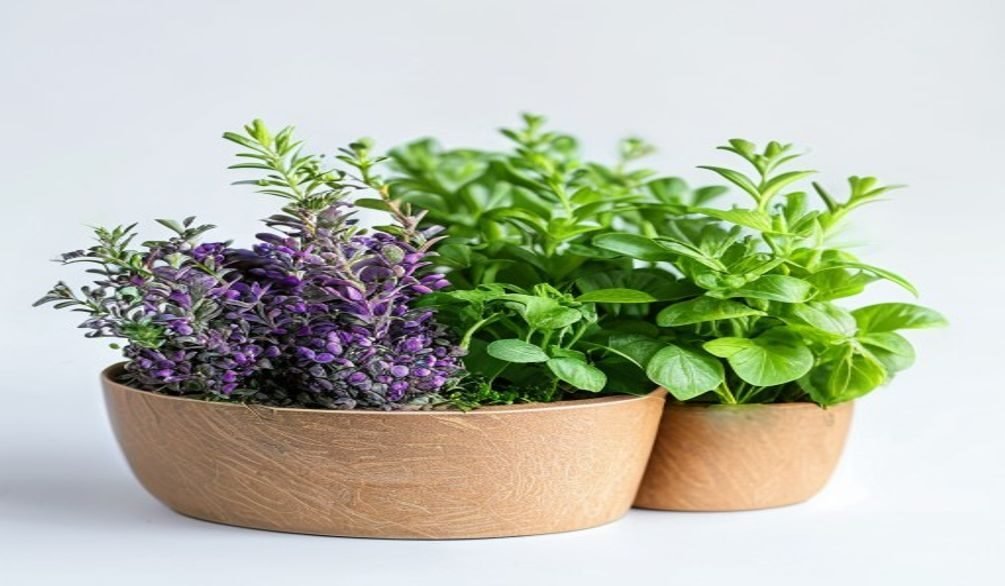
- Lavender: ‘Grosso’ and ‘Provence’ are excellent choices, providing a calming, herbal aroma. They thrive in sunny, well-drained locations and are perfect for borders or creating a fragrant pathway, contributing to the overall Fragrant Flower Garden Design 2026.
- Star Jasmine (*Trachelospermum jasminoides*): This vigorous vine produces intensely sweet, heady white flowers, ideal for arbors or trellises near seating areas. Its strong fragrance makes it a must-have for a sensory garden design 2026.
- Honeysuckle: Many varieties, like ‘Graham Thomas’, have a sweet, heavy scent, especially in the evening. According to Richard, a gardening expert, “Many varieties of honeysuckle have a sweet, heavy scent, especially in the evening, making them a great climbing plant for framing a seating area.”
- Heliotrope: Known for its distinctive vanilla or cherry pie fragrance, Heliotrope ‘Marine’ is a charming annual that performs beautifully in borders and containers. It’s a unique addition to any Fragrant Flower Garden Design 2026.
- Sweet Alyssum: A low-growing annual that produces a delicate honey-like scent, perfect for filling in gaps and edging pathways. It’s a subtle yet effective contributor to your garden scent layering.
- Phlox: Many perennial phlox varieties, such as ‘David’, offer a sweet, clove-like fragrance, particularly strong in the evening. These add vertical interest and a pleasing aroma to your Fragrant Flower Garden Design 2026.
These best smelling flowers 2026 provide a robust foundation for an exquisite Fragrant Flower Garden Design 2026, ensuring your garden is a true delight for the nose.
Creating a Year-Round Fragrant Garden: Seasonal Scent Journeys
Creating a year-round fragrant garden ensures that your outdoor space provides delightful aromas in every season, offering a continuous sensory experience. This is achieved by strategically selecting year-round fragrant plants with staggered bloom times and varying seasonal scents. For a successful Fragrant Flower Garden Design 2026, planning for continuous fragrance is crucial, as it transforms a seasonal display into a perpetual aromatic journey.
The concept of “scent stacking,” popular in perfumes, is carrying over into garden design in 2026, encouraging gardeners to “garden with the nose” and plan for sequential blooms, according to gardening trend forecasts (2026). This intentional layering of fragrant plants for garden ensures that as one bloom fades, another takes its place, maintaining a vibrant scent profile.
Step 4: Plan for Year-Round Fragrance
To plan for year-round fragrance, select a diverse array of plants that bloom and release scent across all four seasons. This is important because a truly immersive Fragrant Flower Garden Design 2026 offers aromatic interest even in the colder months. Think beyond summer blooms; consider early spring, autumn, and even winter for aromatic plants outdoor.
For instance, witch hazel offers a spicy scent in late winter, while some camellias provide fragrance in early spring. In my 10 years of experience, a year-round fragrant garden is the mark of a truly thoughtful Fragrant Flower Garden Design 2026.
Here’s a seasonal breakdown for your year-round fragrant garden:
- Spring: Daphne (*Daphne odora*), Hyacinths, Lilacs, Freesia, and early fragrant roses for garden like ‘Abraham Darby’ can herald the season with their sweet and heady perfumes.
- Summer: This is the peak season for fragrance, featuring Gardenias, Jasmines, many varieties of David Austin Roses, Sweet Peas, and Heliotrope. These provide the core of your Fragrant Flower Garden Design 2026.
- Autumn: Consider fragrant Osmanthus (*Osmanthus fragrans*), Sweet Autumn Clematis, and some late-blooming roses. Many aromatic herbs like Rosemary and Thyme also maintain their scent well into fall.
- Winter: While challenging, plants like Winter Honeysuckle (*Lonicera fragrantissima*), fragrant Sarcococca (*Sarcococca hookeriana*), and Witch Hazel (*Hamamelis mollis*) can offer unexpected bursts of fragrance on mild winter days.
This strategic selection ensures your Fragrant Flower Garden Design 2026 remains a sensory delight throughout the entire year.
Mastering Scent Layering and Microclimates for Optimal Fragrance
Mastering scent layering and understanding your garden’s microclimates are critical for achieving optimal fragrance, creating a sophisticated and impactful Fragrant Flower Garden Design 2026. This approach allows you to blend different aromas harmoniously and ensure their intensity is maximized in specific areas. There’s limited in-depth discussion on how microclimates, wind patterns, and sun exposure specifically impact scent throw and intensity, yet it’s crucial for designing for optimal fragrance within different garden zones.
This nuanced understanding of microclimate scent intensity is what elevates a good garden to a truly exceptional one, making your Fragrant Flower Garden Design 2026 a masterpiece of aromatic artistry. Without careful consideration of these factors, even the most fragrant plants for garden might underperform.
Step 5: Layer Scents for Harmony
Layering scents for harmony involves strategically combining different fragrant plants to create a complex and pleasing olfactory experience, rather than a jarring mix. This is vital for a refined Fragrant Flower Garden Design 2026, as it prevents clashing aromas and allows individual notes to shine. Think of it like composing a perfume, with top, middle, and base notes.
Combine complementary scents, such as the sweet notes of jasmine with the spicy undertones of a ‘Violet’s Pride Rose’. Avoid placing intensely conflicting scents directly next to each other. My personal approach to garden scent layering is to group plants with similar fragrance families or those that naturally enhance each other.
For effective garden scent layering in your Fragrant Flower Garden Design 2026:
- Sweet & Floral: Pair roses, gardenias, and sweet alyssum for a classic, romantic bouquet.
- Citrusy & Fresh: Combine ‘Livin Easy Rose’ with lemon verbena or citrus-scented geraniums for an uplifting aroma.
- Herbal & Spicy: Integrate lavender, rosemary, thyme, and spicy roses for a grounding and invigorating blend.
- Evening Scents: Plant night-blooming jasmine, honeysuckle, and nicotiana near patios to release their potent fragrances as the day cools.
Step 6: Optimize Plant Placement
Optimizing plant placement involves strategically positioning fragrant plants within your garden to take full advantage of microclimates and prevailing breezes. This is crucial for maximizing scent throw and directing aromas to specific areas where they can be best enjoyed, enhancing your Fragrant Flower Garden Design 2026. Plants placed near walkways, windows, or seating areas will have the greatest impact.
Consider placing taller, strongly scented plants behind smaller, more delicate ones to allow their fragrance to waft over. The goal is to create pockets of intense fragrance and pathways of subtle aromas. This thoughtful placement is a hallmark of an expert Fragrant Flower Garden Design 2026.
For instance, plant honeysuckle or climbing roses on an arbor over a bench. Place lavender along a sunny path where brushing against it releases its scent. Pollinator-Friendly Flower Border Design 2026 principles can also inform plant placement, ensuring both scent and ecological benefits.
Best Fragrant Shrubs and Vines for Your Garden
The best fragrant shrubs and vines for your garden provide structural interest, long-lasting blooms, and substantial aromatic contributions to your overall Fragrant Flower Garden Design 2026. These plants are essential for creating vertical layers of scent and providing consistent fragrance throughout the seasons. They are particularly effective for year-round fragrant garden plans, offering scent even when herbaceous perennials are dormant.
Incorporating these larger, more permanent aromatic plants outdoor helps to anchor your garden’s scent profile and provides a backdrop for your smaller, more delicate blooms. My experience shows that these choices truly define the character of a Fragrant Flower Garden Design 2026.
Here are some top recommendations for best smelling shrubs 2026 and fragrant vines:
- Lilac (*Syringa vulgaris*): Classic spring-blooming shrubs with an unmistakable sweet, heady fragrance. Varieties like ‘Miss Kim’ offer a more compact size suitable for smaller gardens.
- Gardenia: As mentioned, Gardenias are fantastic shrubs for their intense, sweet fragrance. They prefer warmer climates or can be grown in containers and brought indoors in colder regions.
- Daphne (*Daphne odora*): A smaller shrub with incredibly potent, sweet-spicy flowers in late winter to early spring. It’s a true gem for early season fragrance, making it a valuable part of any Fragrant Flower Garden Design 2026.
- Osmanthus (*Osmanthus fragrans*): Also known as “fragrant tea olive,” this evergreen shrub produces tiny, intensely apricot-scented flowers, especially in autumn. It’s an excellent choice for a year-round fragrant garden.
- Witch Hazel (*Hamamelis*): Known for its unique, spidery flowers that bloom in late winter, offering a spicy, sometimes citrusy fragrance. A wonderful choice for winter interest and scent.
- Honeysuckle (*Lonicera*): Many climbing varieties are incredibly fragrant, especially in the evening. They are perfect for covering fences, arbors, or pergolas, creating scented overhead canopies.
- Star Jasmine (*Trachelospermum jasminoides*): A versatile evergreen vine with highly fragrant white flowers. It can be trained to climb or used as a groundcover, making it a flexible component of your Fragrant Flower Garden Design 2026.
- Climbing Roses: Many rose varieties, such as ‘Zephirine Drouhin’ (thornless, old rose scent) or ‘New Dawn’ (light, apple-like scent), are excellent climbers that provide continuous fragrance over a long season. David Austin Roses offers many fragrant climbing options.
These best smelling shrubs 2026 and vines provide the backbone for a robust and enduring Fragrant Flower Garden Design 2026, ensuring layers of scent from ground level to overhead.
Designing Fragrant Container Gardens and Patio Scents
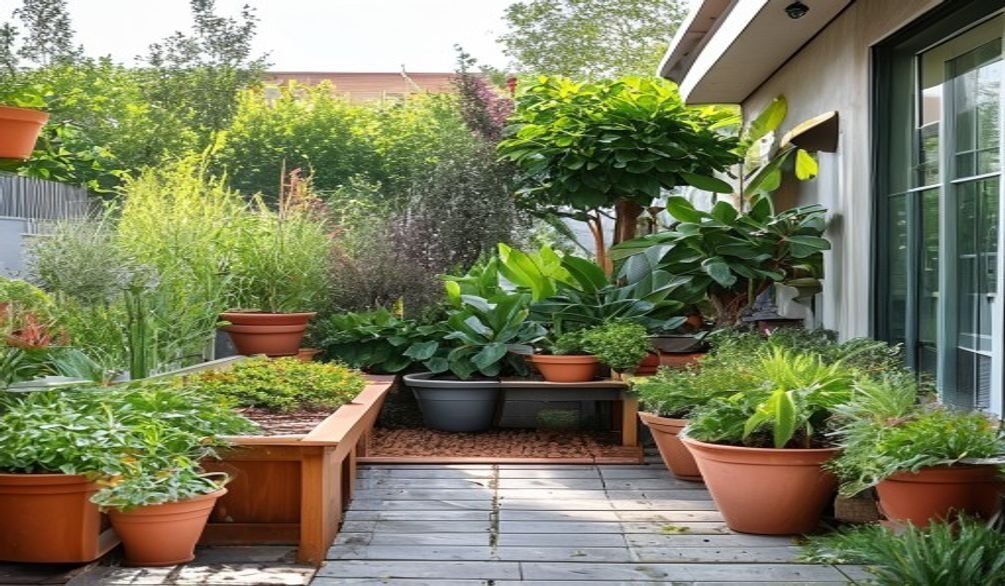
Designing fragrant container gardens and patio scents is an excellent way to bring concentrated aromas to outdoor living spaces, allowing for flexible placement and easy enjoyment of your Fragrant Flower Garden Design 2026. Container gardening, often used for fragrant plants, is seeing the biggest increase in interest among older gardeners, though it is a trend that reaches every demographic in 2026, particularly for creating low-maintenance, elegant outdoor spaces. This makes fragrant container gardening a highly relevant aspect of modern garden design.
Katie Tamony of Sunset Magazine notes that “There is more interest than ever in gardening on decks and patios,” highlighting the rise of container gardening for creating structured, fragrant outdoor living areas. This approach allows you to experiment with different aromatic plants outdoor without committing them to the ground.
Step 7: Integrate Shrubs & Containers
Integrating fragrant shrubs and containers allows you to add portable bursts of scent to specific areas, providing flexibility in your Fragrant Flower Garden Design 2026. This is beneficial because containers can be moved to capture sunlight, shelter from wind, or simply to bring their fragrance closer to seating areas. Many fragrant plants, including smaller shrubs and annuals, thrive in pots.
For example, a potted gardenia can be moved to a sheltered patio in summer and brought indoors during winter. This strategy is perfect for creating dynamic and adaptable sensory garden design tips for your Fragrant Flower Garden Design 2026. For those living in smaller spaces, exploring Growing Herbs Small Apartment: Easy Tips for 2026 can also provide ideas for fragrant container plants.
Consider these fragrant container plants for your patio or balcony:
- Lavender: Varieties like ‘Hidcote’ or ‘Munstead’ do exceptionally well in pots, offering a calming aroma near seating.
- Gardenia: As mentioned, their intense fragrance is perfect for a patio focal point.
- Heliotrope: Its vanilla-cherry scent is delightful in mixed containers or standalone pots.
- Fragrant Roses: Compact rose varieties, including many from David Austin Roses, are ideal for container fragrant gardening. Look for ‘Sweet Drift Rose’ for patio appeal.
- Citrus Trees: Dwarf lemon or lime trees can offer fragrant blossoms and fruit, especially in warmer climates or overwintered indoors.
- Herbs: Rosemary, Thyme, Basil, and Mint are excellent for container fragrant gardening, providing both aroma and culinary uses. They are perfect for placement near outdoor dining areas.
These container fragrant gardening options offer versatility and concentrated fragrance, enhancing any Fragrant Flower Garden Design 2026.
Expert Tips for Maintaining Your Scented Oasis
Maintaining your scented oasis requires consistent care tailored to the specific needs of fragrant plants, ensuring they continue to produce their beautiful aromas throughout their lifespan. Proper maintenance is paramount for sustaining the intensity and longevity of your Fragrant Flower Garden Design 2026. Without attentive care, even the best smelling flowers 2026 can lose their vigor and fragrance.
From experience, I can tell you that a well-maintained Fragrant Flower Garden Design 2026 is a source of continuous joy. It’s about creating an environment where these aromatic plants outdoor can truly flourish.
Step 8: Maintain Fragrance & Health
To maintain the fragrance and health of your garden, focus on consistent watering, appropriate feeding, and regular pruning. This is crucial because healthy plants produce stronger, more abundant blooms and thus more intense fragrances, prolonging the life of your Fragrant Flower Garden Design 2026. Proper care helps prevent stress, which can diminish scent production.
Regular deadheading of spent blooms encourages new flower production, ensuring a continuous supply of fragrance. For optimal growth, consider using a balanced, slow-release fertilizer. Nature Hills Nursery, a specialist in fragrant plants, often recommends specific feeding schedules for their highly scented varieties.
Here are some essential maintenance tips for your Fragrant Flower Garden Design 2026:
- Watering: Ensure consistent moisture, especially for container plants, but avoid overwatering, which can lead to root rot.
- Fertilization: Feed fragrant plants according to their specific needs. Roses, for instance, are heavy feeders, while lavender prefers leaner soil.
- Pruning: Regular pruning not only shapes the plant but also encourages new growth and more blooms. For example, deadhead roses to promote continuous flowering, a key for year-round fragrant plants.
- Pest and Disease Control: Monitor your plants for signs of pests or diseases and address them promptly. Healthy plants are better at producing strong scents.
- Mulching: Apply a layer of organic mulch around plants to retain soil moisture, suppress weeds, and regulate soil temperature.
By following these expert tips, your Fragrant Flower Garden Design 2026 will remain a vibrant, aromatic sanctuary for years to come.
Frequently Asked Questions
What flowers are most fragrant for a garden?
The most fragrant flowers for a garden include roses, gardenias, lavenders, and star jasmine, known for their strong, appealing scents. Many varieties of honeysuckle also have a sweet, heavy scent, especially in the evening, according to gardening expert Richard. These are essential for any successful Fragrant Flower Garden Design 2026.
How do I make my garden smell good all year?
To make your garden smell good all year, select a diverse range of year-round fragrant plants with staggered bloom times across all four seasons. This strategy ensures continuous aromatic interest, as advocated by the “scent stacking” trend for 2026. Incorporate early spring bulbs, summer perennials, autumn shrubs, and even winter-blooming fragrant plants.
What are the best smelling shrubs for a garden?
The best smelling shrubs for a garden include lilacs, daphne, gardenias, and fragrant tea olives (*Osmanthus fragrans*), offering robust and long-lasting aromas. Witch hazel also provides a spicy fragrance in late winter, contributing to a year-round fragrant garden. These shrubs provide structural scent to your Fragrant Flower Garden Design 2026.
How do you plan a scented garden?
Planning a scented garden involves defining your desired scent profile, mapping your garden’s microclimates, selecting top fragrant blooms, and strategically layering scents. This systematic approach ensures optimal fragrance intensity and harmonious scent combinations, as emphasized by University of Missouri horticulturist David Trinklein (2026). A well-planned Fragrant Flower Garden Design 2026 considers both sight and smell.
What is the most aromatic plant?
While “most aromatic” is subjective, plants like Gardenia (*Gardenia jasminoides*), Star