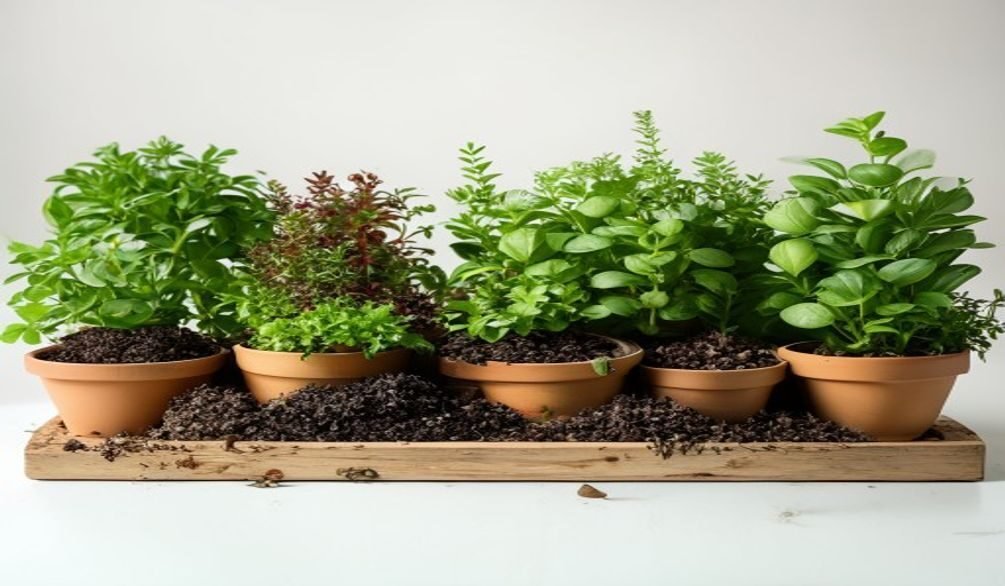
Key Takeaways
- Companion planting herbs boosts garden health by repelling pests and attracting beneficial insects.
- Basil and tomatoes are a classic pairing, with basil enhancing flavor and deterring pests like whiteflies.
- Washington State University Extension (2025) states companion planting decreases the need for pesticides.
- Chives repel carrot flies and aphids, significantly benefiting nearby carrots and strawberries.
- Diversity in the garden is essential for healthy plants, according to Brijette Peña of San Diego Seed Company.
Are you ready to transform your garden into a thriving ecosystem where every plant supports its neighbor, leading to robust growth and intensified flavors? This **Companion Planting Herbs Guide 2026** provides the science-backed strategies and practical pairings you need to cultivate a healthier, more productive herb garden naturally. As Gaurav, with over a decade of experience in horticulture, I’ve seen firsthand how strategic herb placement can revolutionize a garden.
Quick Answer: Companion planting herbs strategically pairs plants to boost growth, repel pests, attract beneficial insects, and enhance flavor. Key combos include basil with tomatoes, chives with carrots, and rosemary with brassicas, creating a healthier, more productive garden naturally.
What is Companion Planting Herbs and Why Do It in 2026?
Companion planting herbs is the strategic placement of different herb species (and sometimes vegetables or flowers) in close proximity to benefit one another. This technique leverages natural plant interactions to enhance growth, repel pests, attract beneficial insects, and even improve the flavor of neighboring plants, leading to a healthier garden ecosystem. The University of Florida’s Institute of Food and Agricultural Sciences (UF/IFAS) noted in January 2025 that herbs contribute significantly to agroecosystem health and resilience. This comprehensive **Companion Planting Herbs Guide 2026** will show you exactly how to harness these benefits.
The core idea behind this practice is to create a diverse garden environment that mimics natural ecosystems. By understanding the unique properties of various herbs, you can design a garden that naturally protects itself from common problems. For instance, some herbs emit compounds that deter harmful insects, while others attract pollinators or predatory bugs.
Gardeners who implement companion planting in a scientifically sound manner can significantly improve plant health and productivity. This approach decreases damage from insects and disease, reducing the need for chemical pesticides and fertilizers, according to Washington State University Extension (2025).
Beyond pest control, companion planting herbs also plays a crucial role in soil health and resource utilization. Certain herbs can improve soil structure, add nutrients, or suppress weeds, making the garden more self-sustaining. This holistic approach is at the heart of any successful **Companion Planting Herbs Guide 2026**.
Benefits of Companion Planting Herbs
Integrating companion planting herbs into your garden plan offers a multitude of advantages that go beyond simple aesthetics. These benefits contribute to a more resilient and productive growing space. Here’s what you can expect:
- Natural Pest Control: Many herbs release aromatic compounds that confuse or repel common garden pests. For example, rosemary can deter cabbage moths, while basil keeps whiteflies away from tomatoes. This reduces reliance on chemical interventions.
- Attracting Beneficial Insects: Some herbs, particularly those with small flowers like dill and cilantro, are excellent at attracting pollinators and predatory insects. These beneficial bugs help pollinate your plants and control pest populations naturally, a key focus of any effective **Companion Planting Herbs Guide 2026**.
- Improved Plant Growth and Vigor: Certain plant pairings can create a more favorable microclimate or even provide essential nutrients. For instance, plants with deep taproots can break up compacted soil, making nutrients more accessible to shallow-rooted neighbors.
- Enhanced Flavor: While some of these claims are anecdotal, many gardeners swear by the flavor-enhancing properties of specific herb pairings. Basil is famously said to improve the flavor of tomatoes when planted nearby.
- Weed Suppression: Densely planted companion herbs can suppress weeds by shading the soil and outcompeting them for resources. Clemson Extension highlighted in June 2025 that companion plants can create a dense community that outcompetes weeds.
- Better Soil Health: Herbs like borage can accumulate trace minerals from deeper soil layers, releasing them as they decompose, thus improving soil fertility for other plants. This is a vital aspect of a sustainable **Companion Planting Herbs Guide 2026**.
Understanding these benefits is the first step in creating a truly harmonious and high-yielding garden.
Which Herbs Grow Well Together for Optimal Growth and Flavor?
Many herbs thrive when planted alongside specific companions, leading to enhanced growth, improved flavor, and natural pest control, making them ideal pairings for your **Companion Planting Herbs Guide 2026**. Farmer’s Almanac (2026) reinforces that companion planting works by plants interacting to affect pests, pollination, and growth. My experience over the past decade confirms that these strategic pairings are foundational for a healthy garden.
Classic Herb Pairings for Your Garden
These time-tested combinations are staples in many successful companion planting systems. They offer reliable benefits for both the herbs and their neighboring vegetables or flowers.
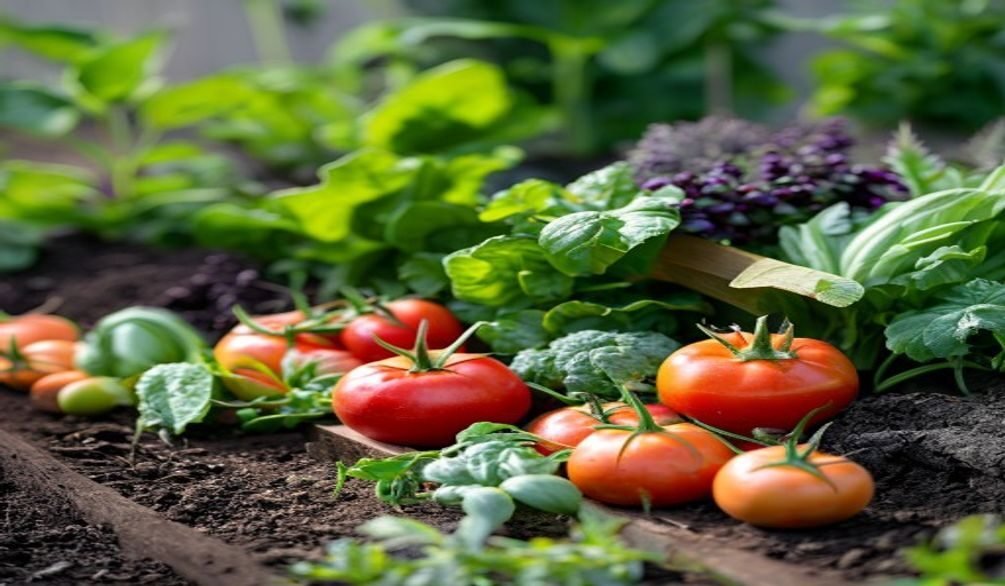
Basil and Tomatoes form one of the most celebrated companion planting duos. Basil is known to repel whiteflies, mosquitoes, spider mites, and aphids, while many gardeners believe it significantly enhances tomato flavor.
* Basil (Ocimum basilicum) with Tomatoes: This classic pairing sees basil deterring whiteflies, spider mites, and even some types of hornworms from tomatoes. Many gardeners also report improved tomato flavor, an anecdotal benefit often cited in any good **Companion Planting Herbs Guide 2026**. Tomatoes, in turn, provide some shade to basil.
* Chives (Allium schoenoprasum) with Carrots, Strawberries, and Roses: Chives are excellent at repelling carrot rust flies, aphids, and Japanese beetles. They are particularly beneficial for carrots, improving their growth and flavor, and can also help deter fungal diseases on strawberries and black spot on roses.
* Rosemary (Salvia rosmarinus) with Brassicas (Cabbage, Broccoli, Cauliflower) and Beans: The strong scent of rosemary is a powerful deterrent for cabbage moths, bean beetles, and Japanese beetles. Planting rosemary nearby can significantly protect your susceptible brassicas from these common pests, a practical tip for your **Companion Planting Herbs Guide 2026**.
* Dill (Anethum graveolens) with Cabbage, Broccoli, and Corn: Dill attracts beneficial insects like lacewings, ladybugs, and parasitic wasps, which prey on aphids and cabbage worms. It can also improve the growth and health of cabbage and broccoli. Avoid planting it near carrots, however, as it can stunt their growth.
* Thyme (Thymus vulgaris) with Cabbage and other Brassicas: Thyme is another aromatic herb that effectively deters cabbage worms and other common brassica pests. Its low-growing habit also acts as a living mulch, helping to suppress weeds and retain soil moisture, a smart strategy for your **Companion Planting Herbs Guide 2026**.
* Mint (Mentha spp.) as a General Pest Repellent: While aggressive, mint is an exceptional repellent for aphids, flea beetles, and squash bugs. It’s often recommended to plant mint in containers near susceptible plants to control its spread while still benefiting from its pest-repelling properties. This is a crucial consideration for any practical **Companion Planting Herbs Guide 2026**.
Dill attracts beneficial insects such as ladybugs and parasitic wasps, which are natural predators of common garden pests like aphids and cabbage worms, promoting organic pest control.
Table: Beneficial Herb Pairings
Understanding specific pairings is crucial for maximizing your garden’s potential. This table summarizes some of the best combinations, offering a quick reference for your **Companion Planting Herbs Guide 2026**.
| Herb | Good Companions | Benefits |
|---|---|---|
| Basil | Tomatoes, Peppers, Oregano, Chamomile | Repels whiteflies, spider mites, mosquitoes; enhances tomato flavor. |
| Chives | Carrots, Strawberries, Roses, Apples | Deters carrot rust flies, aphids, Japanese beetles; improves growth. |
| Dill | Cabbage, Broccoli, Lettuce, Corn | Attracts beneficial insects (ladybugs, parasitic wasps); improves growth. |
| Mint | Cabbage, Tomatoes, Carrots (in pots) | Repels aphids, flea beetles, squash bugs; general pest control. |
| Rosemary | Brassicas (Cabbage, Broccoli), Beans, Carrots, Sage | Deters cabbage moths, bean beetles, Japanese beetles. |
| Thyme | Cabbage, Broccoli, Strawberries | Repels cabbage worms and other brassica pests; acts as ground cover. |
| Parsley | Asparagus, Tomatoes, Roses | Attracts beneficial insects (hoverflies, parasitic wasps); improves rose scent. |
| Oregano | Cabbage, Broccoli, Grapes | Deters many pests; acts as ground cover; attracts beneficial insects. |
| Sage | Carrots, Cabbage, Rosemary, Tomatoes | Repels cabbage moths, carrot rust flies; deters flea beetles. |
What Herbs Should Not Be Planted Together?
Just as some herbs flourish together, others can hinder each other’s growth or even attract pests, making it critical to understand incompatible pairings for your **Companion Planting Herbs Guide 2026**. Ignoring these antagonistic relationships can lead to stunted plants and reduced yields. This is a common pitfall I’ve observed in new gardeners.
The concept of allelopathy, where one plant produces biochemicals that influence the growth of another, is a key factor in these negative interactions. While not all negative pairings are scientifically proven allelopathic effects, many observations from experienced gardeners suggest certain combinations should be avoided.
Fennel is notorious for inhibiting the growth of many other plants, including cilantro, dill, and caraway, making it a poor companion for most garden vegetables and herbs.
Incompatible Herb Pairings to Avoid
Knowing which herbs to keep separate is just as important as knowing which to combine. This list helps you prevent common gardening mistakes outlined in any comprehensive **Companion Planting Herbs Guide 2026**.
* Fennel (Foeniculum vulgare) with almost anything: Fennel is widely considered a poor companion for most garden plants, including many herbs like cilantro, dill, and caraway. It can inhibit growth and attract aphids, making it best planted in its own dedicated space or container.
* Mint (Mentha spp.) with Parsley or Chamomile: While mint is a great pest repellent, its aggressive root system can quickly choke out less vigorous herbs like parsley and chamomile if planted directly in the ground nearby. Always grow mint in containers to control its spread, a tip emphasized in every **Companion Planting Herbs Guide 2026**.
* Cilantro (Coriandrum sativum) with Fennel: As mentioned, fennel is detrimental to cilantro. Planting them together will likely result in poor cilantro growth and early bolting.
* Wormwood (Artemisia absinthium) with most herbs: Wormwood is highly allelopathic, releasing compounds that inhibit the growth of many plants, especially culinary herbs. It should be kept isolated from your main herb garden.
* Rue (Ruta graveolens) with Basil or Sage: Rue can be toxic to some plants and humans if ingested in large quantities. It’s generally best to keep it away from culinary herbs like basil and sage, which you’ll be harvesting frequently.
* Anise (Pimpinella anisum) with Carrots: Some sources suggest anise can inhibit the growth of carrots, so it’s best to keep these two apart to ensure optimal carrot development.
To prevent aggressive spread and competition, mint should always be planted in its own container, even when used for its pest-repelling benefits near other garden plants.
Science Behind Companion Planting: How Herbs Interact
The effectiveness of a **Companion Planting Herbs Guide 2026** isn’t just folklore; it’s rooted in fascinating ecological and biochemical interactions between plants. These interactions range from chemical signaling to physical benefits, creating a complex web of mutual support. Understanding these mechanisms helps gardeners make informed decisions.
Understanding Allelopathy and Beneficial Compounds
Allelopathy is a key scientific principle in companion planting, referring to the biochemical interactions where one plant produces chemicals that affect the growth, survival, development, or reproduction of other organisms. This can be either beneficial or detrimental.
* Chemical Signaling: Many herbs release volatile organic compounds (VOCs) through their leaves and roots. These VOCs can act as natural pest repellents by confusing or deterring insects. For example, the strong scent of rosemary or sage can mask the smell of brassicas, making it harder for cabbage moths to find their host plants, a core strategy in any **Companion Planting Herbs Guide 2026**.
* Attracting Beneficials: Certain herbs, particularly those in the carrot family (Apiaceae) like dill, cilantro, and parsley, produce tiny flowers that provide nectar and pollen for beneficial insects. These insects, such as ladybugs, lacewings, and parasitic wasps, are natural predators of common garden pests like aphids and caterpillars. This biological pest control is highly effective.
* Nutrient Cycling: Some herbs, like borage, are known as “dynamic accumulators” because their deep taproots can draw up minerals from deeper soil layers. When these plants die and decompose, or when their leaves are used as mulch, they release these accumulated nutrients back into the topsoil, making them available to nearby plants. This improves soil health gardening significantly.
* Soil Health Improvement: Herbs with extensive root systems can improve soil structure, aeration, and water infiltration. As their roots grow and decay, they add organic matter to the soil, fostering a healthier microbial environment. This is a crucial aspect of sustainable gardening practices, as detailed in this **Companion Planting Herbs Guide 2026**.
* Physical Benefits: Taller, bushier herbs can provide shade for more sensitive, lower-growing plants during intense summer heat, preventing scorching. Conversely, low-growing herbs can act as a living mulch, suppressing weeds and conserving soil moisture.
The strong aromatic compounds released by herbs like mint and basil can confuse pests, making it difficult for them to locate their target plants, thus providing effective natural pest control.
The University of Florida’s Institute of Food and Agricultural Sciences (UF/IFAS) noted in January 2025 that herbs serve as excellent living mulches, helping to control soil erosion, build soil health, deter pests, and attract beneficial invertebrates, contributing to overall agroecosystem health.
Can I Plant Different Herbs in the Same Pot? Advanced Container Strategies 2026
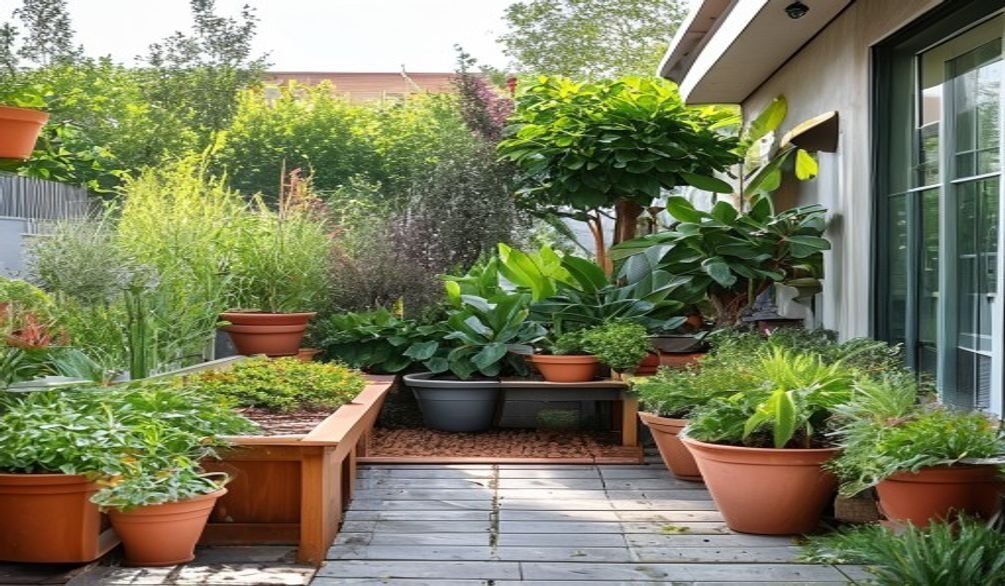
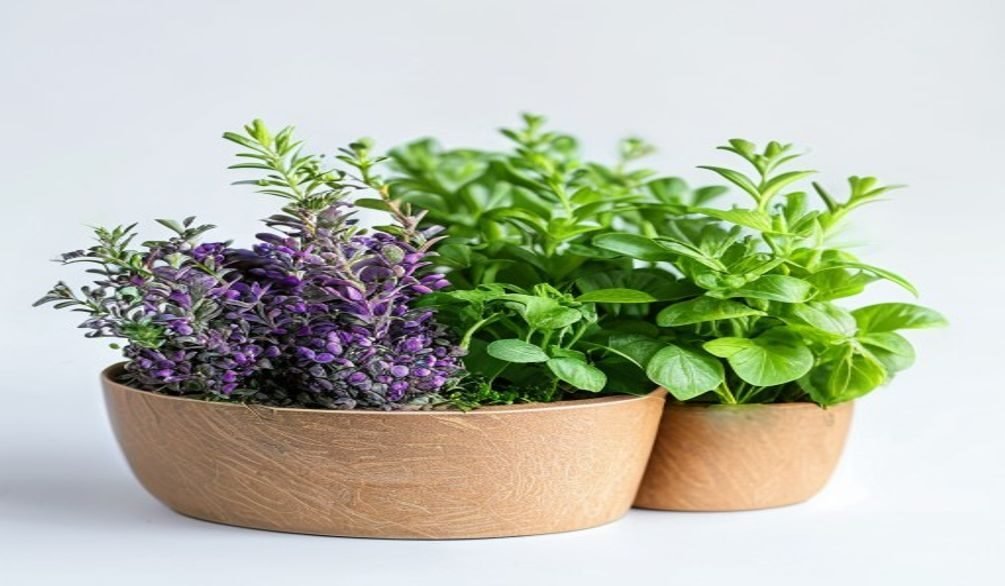
Yes, you absolutely can plant different herbs in the same pot, and it’s an excellent way to apply the principles of a **Companion Planting Herbs Guide 2026** in limited spaces. This approach is particularly beneficial for urban gardeners or those with small patios, allowing for beautiful and productive herb garden design. However, success hinges on understanding the specific needs of each herb.
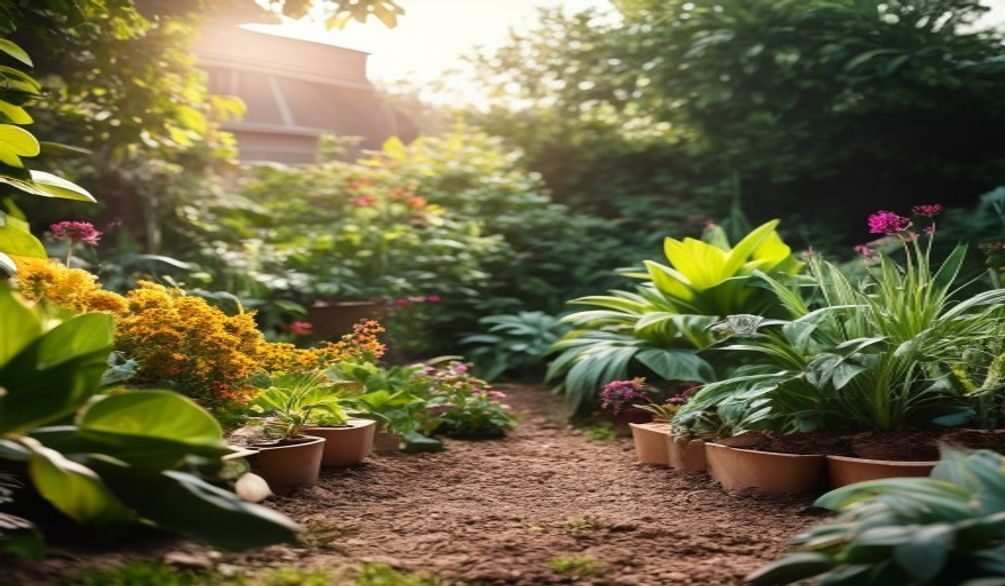
Container companion planting is highly effective for small spaces, but requires careful selection of herbs with similar light, water, and soil requirements to ensure all plants thrive.
Key Considerations for Container Companion Planting
When planning your container herb garden, several factors become even more critical than in an in-ground bed. My 10 years of experience show that matching plant needs is paramount.
* Matching Water Needs: This is perhaps the most crucial factor. Pair herbs that prefer similar watering schedules. For instance, Mediterranean herbs like rosemary, thyme, oregano, and sage all prefer well-drained soil and drier conditions. Conversely, moisture-loving herbs like mint (though best in its own pot), parsley, and cilantro need more consistent moisture. This is a vital aspect of any effective **Companion Planting Herbs Guide 2026**.
* Sunlight Requirements: Ensure all herbs in a single pot have similar light preferences. Most culinary herbs require at least 6 hours of direct sunlight daily. Avoid pairing sun-lovers with shade-dwellers.
* Growth Habits: Consider the mature size and spread of each herb. Plant vigorous growers, like mint or lemon balm, in separate pots, or choose a very large container where they have ample space and won’t overwhelm slower-growing companions. Trailing herbs can cascade over the edge, while upright ones fill the center.
* Soil Preferences: While most herbs prefer well-draining soil, some might have slightly different pH preferences. A good quality potting mix with added perlite or sand for drainage works well for most. For example, Brijette Peña, owner and founder of San Diego Seed Company, emphasizes that “diversity in the garden is essential to happy, healthy plants,” which extends to compatible container groupings.
* Nutrient Needs: Herbs generally aren’t heavy feeders, but consistent fertilization can benefit them. Ensure your chosen companions have similar nutrient demands to simplify feeding.
Advanced Strategies for Potting Herbs Together
To maximize your container garden’s potential, consider these advanced techniques for your **Companion Planting Herbs Guide 2026**:
1. The “Mediterranean Pot”: Combine rosemary, thyme, oregano, and sage. All these herbs love full sun, well-draining soil, and don’t mind drying out between waterings. This creates a cohesive and low-maintenance planting.
2. The “Moisture-Loving Medley”: For a shadier spot or more consistently moist conditions, consider parsley, cilantro, and chives. These herbs appreciate a bit more water and can tolerate partial shade.
3. Layering for Visual Interest and Space Saving: Place taller herbs (like rosemary or dill) in the center, medium-height herbs (like basil or sage) around them, and trailing herbs (like thyme or oregano) along the edges. This maximizes vertical space and creates an attractive display. This is a smart approach for growing herbs in small apartments.
4. Using Larger Containers: Opt for bigger pots (at least 12-18 inches in diameter) when combining multiple herbs. This provides more soil volume, reducing the frequency of watering and giving roots ample space to grow without competing excessively.
5. Annuals with Perennials: You can combine perennial herbs (rosemary, thyme) with annuals (basil, cilantro). When the annuals finish their cycle, you can easily replace them without disturbing the perennials. This flexibility is a key advantage of container gardening, a crucial element of any adaptable **Companion Planting Herbs Guide 2026**.
Remember, the goal is to create a harmonious micro-environment within the pot. By carefully selecting compatible herbs, you can enjoy a vibrant and productive container garden.
Regional and Climate Considerations for Herb Companion Planting 2026
Adapting your **Companion Planting Herbs Guide 2026** to your specific region and climate is crucial for success, as environmental factors significantly impact how herbs grow and interact. What thrives in a humid, tropical climate might struggle in an arid, temperate zone, and vice-versa. My experience confirms that local conditions often dictate the best pairings.
Tailoring Your Herb Pairings to Local Conditions
Understanding your local climate, including hardiness zone, average temperatures, rainfall, and humidity, allows you to select the most resilient and compatible herb combinations.
* Hardiness Zones: Your USDA Plant Hardiness Zone dictates which perennial herbs will survive winter outdoors. In colder zones, you might treat many typically perennial herbs as annuals or focus on container planting to bring them indoors during winter. This impacts long-term companion planning.
* Temperature and Sunlight Intensity:
* Hot Climates: In regions with intense summer heat, some herbs, like cilantro and dill, are prone to bolting (going to seed prematurely). Pairing them with taller plants or those that provide some dappled shade can extend their productive season. Basil, for instance, appreciates some afternoon shade in very hot climates. This helps maximize herb yield.
* Cooler Climates: In areas with shorter growing seasons, focus on quick-maturing annuals or start seeds indoors early. Ensure all plants receive maximum available sunlight.
* Humidity and Rainfall:
* High Humidity: In humid environments, ensure good air circulation around your companion plantings to prevent fungal diseases. Space plants a little further apart than usual. Herbs like rosemary and lavender, which prefer drier conditions, might struggle or be more