
Key Takeaways
- Over 43% of Americans are now growing some kind of food at home, according to the National Gardening Association (2026).
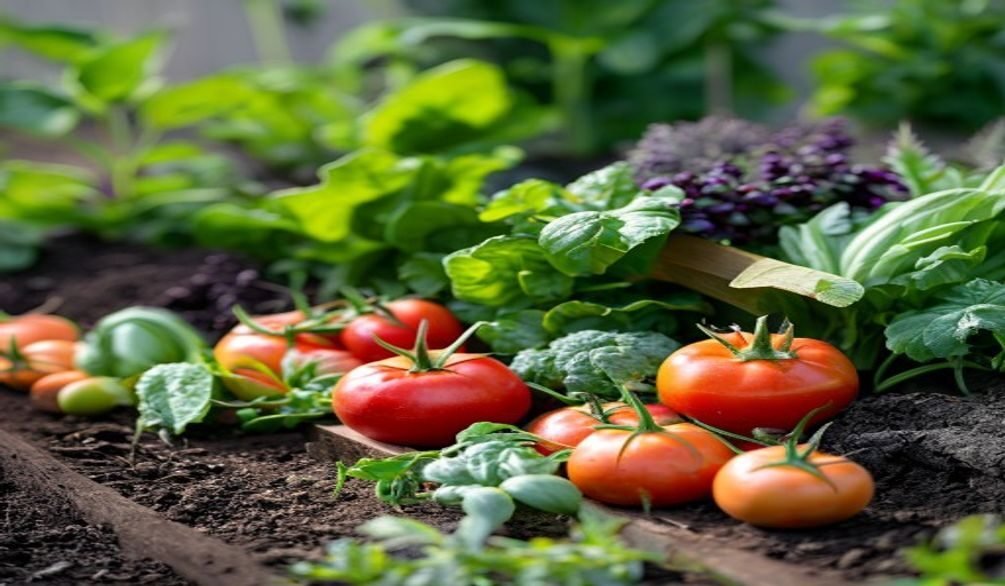
- Tomatoes are the most popular vegetable, grown in 86% of food gardens, according to the National Gardening Association (2026).
- Most vegetables need at least 6-8 hours of direct sunlight daily for optimal growth and fruit production.
- Raised garden beds can improve drainage and offer better control over soil quality, which is crucial for urban gardeners.
- Organic liquid fertilizers work faster and are easier to control in small container gardens than slow-release granular options.
Most Mumbai balcony gardeners lose their tomato plants every May — not from pests, but from the intense 40°C+ heat before the monsoon arrives. It’s a common struggle, and if you’re looking for practical, real-world **successful vegetable garden tips**, you’re in the right place. We’ll dive into the proven strategies that help your plants thrive, even in challenging Indian climates.
Quick Answer: To achieve a successful vegetable garden, focus on optimal site selection with ample sunlight, enrich your soil, ensure consistent watering, implement effective pest management, and choose plant varieties suitable for your climate and skill level.
What are the best tips for growing vegetables?
The best tips for growing vegetables revolve around understanding your local environment and providing consistent care. Over 43% of Americans are now growing some kind of food at home, according to the National Gardening Association (2026), showing just how popular this pursuit has become. You’ll want to prioritize sunlight, soil health, and smart watering to see real growth.
Here are some core **successful vegetable garden tips** I’ve learned from my 10+ years of growing on Indian balconies:
- Pick the Right Spot: Sunlight is non-negotiable for most vegetables.
- Build Healthy Soil: Your soil isn’t just dirt; it’s the foundation of everything.
- Water Smartly: Consistency matters more than quantity.
- Choose Suitable Plants: Start with easy-to-grow varieties that love your climate.
- Prevent Pests Proactively: Don’t wait for an infestation to act.
These elements create a strong base for any home garden. Without them, you’re fighting an uphill battle, especially with the intense Indian summer heat.
How do i start a small vegetable garden for beginners?
Starting a small vegetable garden for beginners requires thoughtful planning and realistic expectations. The truth is, you don’t need a huge plot; even a balcony or terrace in Pune can yield a bounty. Many people feel overwhelmed by all the information out there, but breaking it down makes it manageable.
Here’s how you can get your garden going:
- Assess Your Space: Look at your balcony or terrace. How much direct sun does it get? This dictates what you can grow.
- Choose Containers Wisely: Terracotta pots look great, but they dry out fast in Delhi’s dry heat. Plastic or grow bags are often better for moisture retention. For a 12-inch pot, you can grow one tomato plant or a few bhindi plants.
- Select Easy Vegetables: Don’t aim for exotic varieties right away. Start with something forgiving like pudina, methi, or small chillies (lal mirch).
- Get Good Potting Mix: Don’t just use garden soil. A mix of cocopeat, compost, and perlite provides drainage and nutrients. I buy my cocopeat from local nurseries for around ₹150–200 for a 5kg block.
- Plan Your Layout: Think about vertical gardening if space is tight. You can use old plastic bottles or vertical planters from Ugaoo.
Honestly, the biggest mistake beginners make is trying to grow too much too soon. Start small, get a few successes under your belt, and then expand.
How do you prepare soil for a vegetable garden?
Preparing soil for a vegetable garden is arguably the most crucial step for long-term success, as healthy soil equals healthy plants. Most people think soil is just dirt, but it’s a living ecosystem that needs careful attention. My personal experience has shown me that ignoring soil prep leads to stunted growth and nutrient deficiencies.
For container gardens, especially on an Indian balcony, soil preparation for garden success means creating a custom potting mix:
- Start with a Base: Use a good quality cocopeat or a soil-less potting mix. This provides structure and retains moisture without becoming waterlogged.
- Add Compost: Vermicompost or homemade compost is gold. It adds essential nutrients and beneficial microbes. I usually aim for a 30-40% compost ratio in my finished mix.
- Improve Drainage: Perlite or coarse sand can be added to ensure water doesn’t sit and rot roots. This is especially important during the monsoon season in Mumbai.
- Avoid Raw Manure or Concentrated Vermicompost for Seedlings: You might have heard that vermicompost is great for everything. In practice, I once mixed vermicompost directly into a seed-starting tray at a 30% ratio and burned every seedling within 5 days. The nutrients were too concentrated for young roots. Vermicompost should be used for established plants only, not for germination.
For existing garden beds, dig in plenty of organic matter like compost and well-rotted cow dung. This improves soil structure and fertility. You can also link to our guide on healthy garden soil for more in-depth steps.
How much sun does a vegetable garden need?
A successful vegetable garden typically needs a minimum of 6-8 hours of direct sunlight per day for most fruiting vegetables. This isn’t just a suggestion; it’s a requirement for plants like tomatoes, bhindi, and bell peppers to produce well. Without enough light, your plants might grow, but they won’t yield much fruit.
Here’s a breakdown of sun requirements:
* Full Sun (6-8+ hours): Most fruiting vegetables (tomatoes like Pusa Ruby, chillies, cucumbers, gourds, bhindi), corn, beans.
* Partial Sun (4-6 hours): Leafy greens (palak, methi), root vegetables (carrots, radishes), some herbs (coriander/dhania, pudina).
* Partial Shade (2-4 hours): Very few vegetables thrive here, mostly cool-season greens that can bolt in intense sun.
I know it sounds simple, but observing your space throughout the day is key. That spot that gets morning sun might be shaded by an adjacent building by afternoon. Take a few days to track the sun’s path across your potential garden area, especially if you’re planning a terrace garden in a city like Bangalore where building shadows can be tricky. This observation is one of the most important **successful vegetable garden tips** you’ll get.
What are the easiest vegetables to grow for beginners?
For beginners, choosing easy vegetables to grow can significantly boost confidence and provide quick rewards. You want plants that are forgiving, produce readily, and don’t demand constant attention. Tomatoes were the most popular vegetable grown in 86% of food gardens, according to the National Gardening Association (2026), but they can be a bit tricky for absolute novices.
Here are some fantastic choices for your first garden:
* Pudina (Mint): Grows incredibly easily from cuttings. In my experience, I grew pudina from seeds twice and both times it was slow and patchy. I switched to cuttings from a fresh sabziwala bunch — 9 out of 10 rooted in water in 6 days and were in soil by day 8. Seeds are never worth it for pudina when cuttings work this well!
* Coriander (Dhania): Simply crush whole coriander seeds, soak them overnight, and sow. They sprout quickly and are great for fresh use.
* Methi (Fenugreek): Plant seeds directly, and you’ll have fresh greens in just a few weeks. It’s incredibly fast-growing.
* Green Chillies (Lal Mirch): These are quite resilient and produce a lot of fruit. Start with a small plant from a nursery.
* Cherry Tomatoes: While larger tomatoes can be demanding, cherry varieties like ‘Sweet 100’ or ‘Tiny Tim’ are often more prolific and less prone to issues in containers.
* Bhindi (Okra): Once established, bhindi plants are relatively low-maintenance and produce consistently in warm weather.
How do you protect your vegetable garden from pests?
Protecting your vegetable garden from pests is an ongoing effort that benefits from proactive, natural pest control strategies rather than waiting for a full-blown infestation. It’s disheartening to see your hard work destroyed by tiny invaders, and preventing them is far easier than eradicating them.
Consider these **successful vegetable garden tips** for pest management:
* Regular Inspection: Check your plants daily for any signs of pests – tiny eggs, chewed leaves, or sticky residue. Catching them early makes a huge difference.
* Hand-Picking: For larger pests like caterpillars, simply pick them off and dispose of them. This is surprisingly effective for small gardens.
* Neem Oil Spray: A diluted neem oil solution is a fantastic organic pesticide. Spray it on your plants every 7-10 days as a preventative measure, especially during humid monsoon months when pests thrive. I’ve found it effective against aphids and mealybugs.
* Companion Planting: Some plants naturally deter pests. Marigolds, for example, can help keep nematodes away from tomatoes, while garlic can deter aphids. You can also explore attracting beneficial insects to help.
* Maintain Plant Health: Strong, healthy plants are more resistant to pests. Ensure they get enough sun, water, and nutrients. Weak plants are like an open invitation.
What are common watering mistakes in vegetable gardens?
Common watering mistakes in vegetable gardens often involve either overwatering or underwatering, both of which can lead to stressed plants and poor yields. Getting watering right is one of the trickiest, yet most vital, **successful vegetable garden tips** to master.
Here’s what to watch out for:
* Inconsistent Watering: Giving plants a huge soak one day and then letting them dry out completely for a week is a recipe for disaster. This leads to issues like blossom end rot in tomatoes. Aim for consistent moisture.
* Shallow Watering: Just sprinkling water on the surface encourages shallow root growth, making plants less resilient to dry spells. Water deeply, so the moisture reaches the bottom of your pot or into the root zone.
* Watering Foliage: Watering the leaves, especially in the evening, can encourage fungal diseases. Always aim the water at the base of the plant, directly onto the soil.
* Not Checking Soil Moisture: Don’t just water on a schedule. Stick your finger an inch or two into the soil. If it feels dry, it’s time to water. If it’s still damp, wait. This is especially critical during the Bangalore mild climate or heavy Mumbai humidity.
* Ignoring Drainage: If your pots don’t have drainage holes, your plants will drown. Improve garden drainage by ensuring good quality potting mix and proper holes at the bottom of containers.
Honestly, organic fertilizers are overrated for small container gardens. The soil volume in a 12-inch pot is too small for slow-release nutrients to work the way they do in ground soil. Liquid fertilizers like diluted jeevamrit or seaweed extract work faster and are easier to control in pots, providing nutrients exactly when your plants need them.
Frequently asked questions
What are the easiest vegetables to grow for beginners?
The easiest vegetables for beginners include pudina, dhania, methi, green chillies, and cherry tomatoes. These plants are generally forgiving and provide quick harvests, boosting confidence for new gardeners. Pudina grows exceptionally well from cuttings, often outperforming seeds.
How do i start a small vegetable garden for beginners?
To start a small vegetable garden, assess your space for sunlight, choose appropriate containers, select easy-to-grow vegetables, and use a high-quality potting mix. Over 43% of Americans are now growing some kind of food at home, according to the National Gardening Association (2026), proving it’s a popular and achievable goal. Begin with a few plants and expand as you gain experience.
How much sun does a vegetable garden need?
Most fruiting vegetables in a garden require at least 6-8 hours of direct sunlight daily for optimal growth and fruit production. Leafy greens and some herbs can tolerate 4-6 hours of partial sun, but insufficient light will significantly reduce yields. Carefully observe your chosen spot’s sun exposure throughout the day.
How do you prepare soil for a vegetable garden?
Preparing soil for a vegetable garden involves enriching it with organic matter like compost, ensuring good drainage, and avoiding concentrated amendments for seedlings. For containers, a mix of cocopeat, compost, and perlite works well, providing both nutrients and aeration. Healthy soil is the bedrock for successful plant growth.
What are the best tips for growing vegetables?
The best tips for growing vegetables focus on optimal site selection, enriching soil, consistent watering, effective pest management, and choosing suitable plant varieties. Vegetables remain the most popular trend within edible gardening, with about 55% of respondents reporting growing them, according to the National Gardening Association (2026). Prioritize these fundamentals for a thriving garden.
Mastering these **successful vegetable garden tips** will set you on the path to a thriving harvest, whether you’re tending a small balcony garden or a sprawling terrace. Remember, gardening is a journey of learning and observation; don’t be afraid to experiment and find what works best in your unique Indian climate. Start small, be consistent, and enjoy the incredible satisfaction of growing your own fresh produce right at home!







