Key Takeaways
- Most indoor plants thrive in temperatures between 65-80°F (18-27°C), mirroring human comfort levels.
- The global indoor plant market was valued at approximately $20-21 billion in 2025, showing significant growth (CAGR 4-5%).
- Cold-tolerant plants like Snake Plants can withstand temperatures below 65°F, according to the UConn Home & Garden Education Center.
- Central heating can drop indoor humidity below 20%, drier than the Sahara, impacting tropical plants.
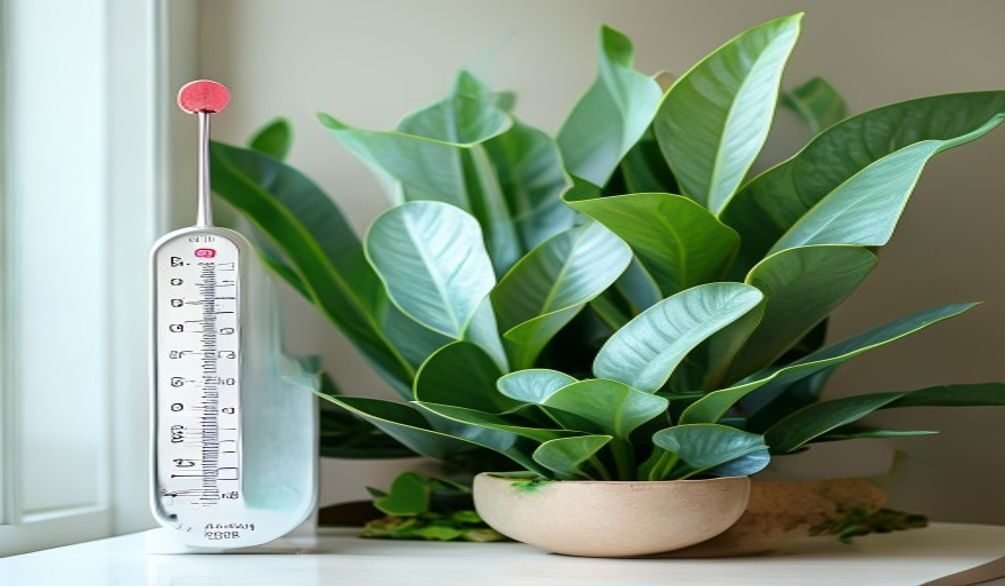
- Smart sensors like the Xiaomi Plant Sensor monitor crucial factors, including temperature, for optimal plant health.
Understanding the ideal conditions for your green companions is crucial, and mastering **Indoor Plants for Specific Room Temperatures** is a fundamental step toward a thriving indoor garden. As an expert gardener with over a decade of experience, I know that aligning your plant choices with your home’s microclimates can transform struggling greenery into vibrant displays, solving common issues before they even begin. This guide will walk you through selecting and caring for plants based on the unique temperature profiles of different rooms in your home.
Quick Answer: The ideal temperature range for most indoor plants is 65-80°F (18-27°C). Cold-tolerant plants like Snake Plants thrive below 65°F, while heat-loving varieties such as Pothos prefer above 75°F for optimal health and growth in 2026.
What is the Ideal Temperature Range for Most Indoor Plants in 2026?
The ideal temperature range for most indoor plants in 2026 generally falls between 65-80°F (18-27°C) during the day, with a slight dip at night. This range mimics the comfortable conditions many tropical and subtropical plants experience in their native habitats, as highlighted by renowned houseplant expert Hilton Carter, who suggests that “the ideal temperature range for indoor tropical plants is whatever is comfortable for you,” typically between 65 to 85 degrees Fahrenheit.
The University of Arizona Cooperative Extension further specifies that foliage houseplants generally grow best between 70 and 80 degrees F during the day and from 60 to 68 degrees F at night (2023). This slight nighttime cooling is natural and beneficial for many species, supporting their metabolic processes. Selecting **Indoor Plants for Specific Room Temperatures** within this range will ensure robust growth and fewer health issues.
Most common houseplants, including many popular varieties like Pothos and Philodendrons, thrive when room temperatures are kept consistently within this comfortable band. Maintaining this environment is key for anyone looking to cultivate healthy **Indoor Plants for Specific Room Temperatures**.
From my experience, understanding this general guideline is the first step in successful indoor gardening. Deviations, especially prolonged ones, can lead to stress and stunted growth for many species, making it crucial to consider **Indoor Plants for Specific Room Temperatures** carefully.
- Daytime Comfort: Aim for 70-80°F (21-27°C) to support active photosynthesis and growth.
- Nighttime Dip: A drop to 60-68°F (15-20°C) is often beneficial, allowing plants to rest and conserve energy.
- Consistency is Key: Avoid wild temperature swings, as these can shock plants and impede their development.
Indoor Plants for Cold Rooms: Thriving Below 65°F
If you have rooms in your home that consistently stay below 65°F (18°C), such as an unheated entryway, a basement, or a cooler bedroom, there are many robust **Indoor Plants for Specific Room Temperatures** that will not only survive but truly thrive. The UConn Home & Garden Education Center advises that “As a general rule of thumb, if it is too cold for people, it will be too cold for our houseplants!” (2023), but some exceptions exist.
These cold-tolerant species are often more resilient and adaptable to less-than-ideal conditions, making them perfect **Indoor Plants for Specific Room Temperatures** that lean towards the cooler side. They require less warmth and can endure temperatures that would cause distress to more tropical varieties.
Choosing the right **Indoor Plants for Specific Room Temperatures** in cooler environments means selecting species with natural adaptations to lower temperatures. These plants often have thicker leaves or slower growth rates, allowing them to conserve energy more efficiently.
For anyone struggling with drafts or naturally cool areas, focusing on these plants that like cool temperatures indoors can turn a challenging spot into a green oasis. My years of gardening have shown me that matching the plant to the environment is far more effective than trying to force a plant to adapt.
Here are some of the best indoor plants for cold rooms:
| Plant Name | Minimum Tolerated Temp | Ideal Range | Notes for Cold Rooms |
|---|---|---|---|
| ZZ Plant | 50°F (10°C) | 65-75°F (18-24°C) | Extremely drought and cold tolerant; prefers less frequent watering in cool conditions. |
| Snake Plant (Sansevieria) | 50°F (10°C) | 65-80°F (18-27°C) | Adapts well to low temperatures, especially if the soil is kept on the drier side. |
| Cast Iron Plant (Aspidistra elatior) | 50°F (10°C) | 50-80°F (10-27°C) | Lives up to its name; very hardy and thrives in low light and cool temperatures. |
| Jade Plant (Crassula ovata) | 50°F (10°C) | 65-75°F (18-24°C) | Tolerates dropping temperatures, especially beneficial for dormancy in winter. |
| Ivy (Hedera helix) | 50°F (10°C) | 50-70°F (10-21°C) | Prefers cooler conditions; can struggle in overly warm, dry environments. |
| Christmas Cactus (Schlumbergera) | 50°F (10°C) | 60-70°F (15-21°C) | Needs cooler temperatures in fall to initiate blooming. |
| Parlor Palm (Chamaedorea elegans) | 55°F (13°C) | 65-80°F (18-27°C) | Tolerates cooler indoor temperatures better than many other palms. |
Table 1: Cold-Tolerant Indoor Plants for Specific Room Temperatures
Indoor Plants for Warm Rooms: Embracing Heat Above 75°F
For homes or specific rooms that consistently maintain temperatures above 75°F (24°C), perhaps due to strong sunlight, a south-facing window, or simply a preference for a warmer indoor climate, selecting the right **Indoor Plants for Specific Room Temperatures** is paramount. Many tropical plants naturally thrive in these warmer conditions, as their native environments are often hot and humid.
These heat-loving varieties are typically accustomed to consistent warmth and often appreciate higher humidity levels that frequently accompany warmer air. When considering houseplants for warm dry rooms, remember that while they love heat, they may also demand more frequent watering and potentially increased humidity to truly flourish. My experience shows that tropical plants for average room temperature often do even better in slightly warmer spots.
When choosing **Indoor Plants for Specific Room Temperatures** in warmer settings, think about their origins. Many come from equatorial regions where consistent high temperatures are the norm, making them perfectly suited for your cozy, sun-drenched spaces.
It’s a common misconception that all houseplants prefer the same temperature. In fact, some truly come alive in the heat, displaying more vigorous growth and vibrant foliage. These are the ideal indoor plants for air-conditioned rooms that might occasionally run warmer.
Here are some excellent choices for warm rooms:
* Pothos (Epipremnum aureum): Incredibly durable, Pothos can handle hot spaces and bright, indirect light. They are forgiving and adaptable, making them fantastic **Indoor Plants for Specific Room Temperatures** that run warm.
* Philodendron: Many Philodendron varieties, such as *P. squamiferum*, prefer temperatures between 65-85°F (18-30°C). They appreciate warmth and consistent moisture.
* Cacti and Succulents: These desert dwellers are naturally adapted to high temperatures and dry air, tolerating heat well above 85°F (30°C) as long as they receive adequate light and proper watering. They are among the best **Indoor Plants for Specific Room Temperatures** that are consistently warm and dry.
* Monstera Deliciosa: A popular tropical plant, Monstera thrives in temperatures from 65-85°F (18-30°C) and appreciates warmth and high humidity.
* Fiddle Leaf Fig (Ficus lyrata): While a bit finicky, Fiddle Leaf Figs prefer consistent warmth, ideally between 65-80°F (18-27°C), and dislike cold drafts.
* Aloe Vera: Like other succulents, Aloe Vera tolerates warm, dry conditions very well, making it a low-maintenance choice for sunny, warm spots.
Understanding Temperature Stress: Is Your Room Too Hot or Too Cold for Plants?
Understanding temperature stress is critical for maintaining healthy **Indoor Plants for Specific Room Temperatures** because extreme or fluctuating temperatures can significantly impede a plant’s growth and overall well-being. Just like humans, plants have a comfort zone, and veering too far outside of it can lead to visible signs of distress. The University of Georgia Extension recommends, “The best temperature range for indoor plants is 70 °F–80 °F during the day and 65 °F–70 °F at night” (2023), emphasizing the importance of staying within these parameters.
Recognizing the signs of temperature limits for houseplants is the first step in intervention. My 10 years in gardening have taught me that early detection can save a plant from irreversible damage. Whether your room is too hot or too cold, the symptoms often manifest in distinct ways, making it easier to diagnose the problem. This insight is vital for anyone trying to master **Indoor Plants for Specific Room Temperatures**.
Temperature stress impacts a plant’s ability to perform essential functions like photosynthesis and nutrient absorption. Prolonged exposure to unsuitable temperatures can weaken the plant, making it more susceptible to pests and diseases.
Observing your plants closely is the most reliable way to identify temperature issues. Don’t wait for severe damage; slight changes in leaf color or texture can be early warnings.
Here are common signs of temperature stress in plants:
- Signs of Cold Stress (Too Cold):
- Wilting or Drooping Leaves: Even if the soil is moist, cold can cause cells to lose turgor.
- Yellowing Leaves: Often starting at the edges or lower leaves, indicating cellular damage.
- Stunted Growth: Plants will slow or stop growing entirely.
- Brown or Black Spots: Frost damage can appear as dark, water-soaked spots, especially on tender foliage.
- Leaf Drop: A plant’s last resort to conserve energy when too cold.
- Lack of Flowering: Cold-sensitive flowering plants may fail to bloom.
- Signs of Heat Stress (Too Hot):
- Scorched or Crispy Leaf Edges: Especially common with direct sun exposure combined with high temperatures.
- Rapid Wilting: Even with adequate water, plants struggle to keep up with transpiration.
- Dropping Flowers or Buds: Heat can cause reproductive parts to abort.
- Slowed Growth: While some tropical plants love heat, extreme temperatures can still cause stress.
- Pest Infestations: Stressed plants are more vulnerable to spider mites and other heat-loving pests.
How to Regulate Room Temperature for Optimal Plant Health
Regulating room temperature for optimal plant health involves a combination of strategic placement, insulation, and environmental controls to create stable microclimates for your **Indoor Plants for Specific Room Temperatures**. Achieving consistent temperatures prevents stress and encourages vigorous growth, transforming a challenging environment into a thriving one. My years of experience have shown that a proactive approach to temperature management pays dividends in plant vitality.
The primary goal is to minimize drastic fluctuations and keep your plants within their preferred range. This is especially important when considering **Indoor Plants for Specific Room Temperatures** that are sensitive to drafts or sudden changes.
Effective temperature regulation doesn’t always require expensive equipment; often, simple adjustments to your home environment can make a significant difference. Understanding these basic principles is crucial for any plant parent.
I always advise checking the temperature in various spots throughout the day and night. You might be surprised to find how much it varies, even within the same room. This helps you identify the best spots for your **Indoor Plants for Specific Room Temperatures**.
Here are practical strategies to regulate room temperature:
* Strategic Placement:
- Avoid Drafts: Keep plants away from frequently opened doors, leaky windows, and air conditioning/heating vents. These areas experience rapid temperature changes that can shock plants.
- Window Considerations: South-facing windows can get very hot, while north-facing windows stay cooler. Choose **Indoor Plants for Specific Room Temperatures** appropriate for each exposure.
- Away from Appliances: Radiators, TVs, and other heat-emitting electronics can create localized hot spots.
* Insulation and Sealing:
- Weatherstripping: Seal gaps around windows and doors to prevent cold drafts in winter and keep cool air in during summer.
- Heavy Curtains/Blinds: Use these to insulate windows, blocking cold air in winter and intense heat in summer. Closing them at night can also help maintain warmth.
* Humidity Management:
- Humidifiers: Central heating systems can drop indoor humidity to below 20%, which is drier than parts of the Sahara Desert, according to horticultural experts (2024). Many tropical **Indoor Plants for Specific Room Temperatures** require higher humidity, especially in warmer rooms. A humidifier can mitigate this. For more insights, you might check out our guide on Best Indoor Plants for Humidifiers: Ultimate Guide 2025.
- Pebble Trays: A simple, cost-effective way to increase local humidity around plants.
* Grouping Plants:
- Clustering plants together can create a mini-microclimate, as they release moisture through transpiration, slightly increasing local humidity and evening out temperature. This is a clever way to support **Indoor Plants for Specific Room Temperatures** collectively.
* Ventilation:
- Ensure good air circulation, but avoid direct, strong breezes. Stagnant air can lead to fungal issues, while strong drafts cause stress.
Mitigating Rapid Temperature Fluctuations for Indoor Plants
Mitigating rapid temperature fluctuations for **Indoor Plants for Specific Room Temperatures** is essential because sudden changes can be more detrimental than consistently cool or warm conditions. Plants, particularly tropical varieties, prefer a stable environment, and abrupt shifts can lead to shock, stunted growth, and increased susceptibility to disease. My 10 years of cultivating diverse plants have underscored the importance of this stability.
What most people miss is that while a thermostat might keep a room at a set temperature on average, it often cycles, leading to micro-fluctuations. Furthermore, opening windows, turning off heating/AC when away, or even direct sunlight hitting a window can cause rapid changes. This is a critical consideration for healthy **Indoor Plants for Specific Room Temperatures**.
Think of it this way: plants are rooted in place; they cannot move to a more comfortable spot. Therefore, any sudden environmental change directly impacts their physiology without an escape route.
The key insight here is that consistency, not just a specific temperature, is a hallmark of a healthy plant environment. Even if you have **Indoor Plants for Specific Room Temperatures** that tolerate a wider range, rapid swings will challenge them.
Practical steps to minimize these fluctuations include:
* Smart Thermostat Settings: If you use a smart thermostat that adjusts temperatures when you’re away, ensure the “away” settings don’t drop or raise the temperature too drastically for your plants. A slight setback is usually fine, but a major shift can be harmful.
* Insulate Windows and Doors: As mentioned, proper insulation and heavy drapes can buffer external temperature changes, providing a more stable environment for your **Indoor Plants for Specific Room Temperatures**.
* Avoid Direct Vents: Never place plants directly in the path of heating or air conditioning vents. The blast of hot or cold air is a significant source of rapid temperature change.
* Use Plant Shelves or Stands: Elevating plants can sometimes remove them from floor-level drafts or heat radiating from the floor, creating a slightly more stable microclimate.
* Consider a Greenhouse Cabinet or Terrarium: For very sensitive **Indoor Plants for Specific Room Temperatures**, a closed environment like a greenhouse cabinet can offer superior temperature stability and humidity control.
* Monitor with Sensors: Employing smart sensors (discussed in the next section) can provide real-time data on temperature swings, allowing you to identify problem areas and make necessary adjustments.
Leveraging Smart Technology for Plant Microclimates in 2026
Leveraging smart technology for plant microclimates in 2026 offers unparalleled precision in managing **Indoor Plants for Specific Room Temperatures**, allowing you to create and maintain optimal conditions with minimal effort. These advanced tools provide real-time data and often integrate with smart home systems, empowering you to make informed decisions about your plant care. The global indoor plant market is valued at approximately USD 18 Billion in 2026 and is projected to reach USD 35 Billion by 2035, growing at a compound annual growth rate (CAGR) of around 6% (2026), highlighting a growing interest in sophisticated plant care solutions.
Smart sensors and connected devices go beyond simple temperature readings, offering insights into humidity, light, and even soil conditions. This comprehensive data is invaluable for anyone serious about optimizing **Indoor Plants for Specific Room Temperatures**.
In practice, these devices act as your plant’s personal weather station, giving you the power to respond precisely to its needs. This level of control was once only available to professional growers.
The rise of plant collectors, with 41% of Gen Z identifying as such according to the 2026 Garden Trends Report, underscores a dedication to plant care that smart technology perfectly supports. This is the future of managing **Indoor Plants for Specific Room Temperatures**.
Here are some smart devices to consider for creating ideal microclimates:
- Xiaomi Plant Sensor: This popular sensor monitors soil moisture, fertility, light, and temperature. It connects to your smartphone, providing detailed insights and alerts, which is critical for maintaining ideal conditions for **Indoor Plants for Specific Room Temperatures**.
- SwitchBot Meter Plus: Excellent for monitoring indoor climate, this device tracks temperature, humidity, and dew point. Its HomeKit integration allows for seamless connection with other smart home devices, providing a holistic view of your environment.
- Govee Smart Plant Sensors: Offering a simple Bluetooth connection and app, these sensors monitor moisture, light, and temperature, making it easy to keep track of your plants’ needs.
- ECOWITT GW2000 Weather Station Hub: This professional-grade system is highly expandable, allowing you to connect unlimited sensors (soil, rain, UV, wind) to one central hub. It provides comprehensive environmental data for those with extensive collections of **Indoor Plants for Specific Room Temperatures**.
- Smart Thermostats: Devices like ecobee or Nest can be programmed with specific temperature ranges, and some even offer “away” modes that can be fine-tuned to ensure your plants aren’t subjected to extreme shifts.
- Smart Humidifiers/Dehumidifiers: Connected to your smart home system, these devices can automatically adjust humidity levels based on sensor readings, providing the perfect conditions for tropical **Indoor Plants for Specific Room Temperatures**.
Acclimatizing Your Indoor Plants to New Temperatures
Acclimatizing your **Indoor Plants for Specific Room Temperatures** to new environments is a gradual process that minimizes shock and ensures a smooth transition whenever you move a plant. Whether you’re bringing plants indoors for winter, moving them to a different room, or introducing new additions to your home, proper acclimatization is vital for their survival and long-term health. As an expert gardener, I’ve seen many plants suffer from abrupt changes, underscoring the importance of this step.
The key is to introduce changes slowly, allowing the plant’s physiology to adapt to new light, humidity, and temperature conditions without stress. This careful approach is particularly important when dealing with delicate **Indoor Plants for Specific Room Temperatures**.
Think of it as easing into a new routine. A sudden shift is jarring, but a gentle introduction allows the plant to adjust its internal processes, such as photosynthesis rates and water uptake.
Rushing the acclimatization process is one of the most common mistakes I see new plant parents make. Patience here truly prevents problems later on, especially for sensitive **Indoor Plants for Specific Room Temperatures**.
Here’s a step-by-step guide to acclimatizing your indoor plants:
1. Gradual Temperature Changes:
- Moving Indoors for Winter: If bringing outdoor plants inside, start by moving them to a sheltered, partially shaded area outdoors for a week or two, then to a garage or porch for another week before bringing them into their final indoor spot. This allows them to experience cooler temperatures and lower light gradually. This is crucial for how to keep indoor plants warm in winter without shock.
- New Room Transitions: If moving a plant from a warm, bright room to a cooler, dimmer one (or vice versa), place it in an intermediate spot for a few days. For example, a hallway or a less extreme part of the new room.
2. Light Adjustment:
- Along with temperature, light intensity changes are a major shock factor. Gradually move plants from brighter to dimmer spots, or vice versa. Avoid placing a plant accustomed to low light directly into a sunny window.
3. Humidity Consideration:
- Indoor environments, especially in winter with central heating, are often much drier than outdoors. Gradually increase humidity around the plant using pebble trays or a humidifier during the transition period.
4. Watering Schedule Adjustment:
- Plants in cooler, dimmer environments generally require less frequent watering than those in warm, bright spots. Adjust your watering schedule to prevent overwatering during acclimatization.
5. Pest Check:
- Before bringing any plant indoors (especially from outdoors), thoroughly inspect it for pests. A sudden influx of pests in a new environment can add another layer of stress.
6. Observe and Respond:
- During the acclimatization period, closely monitor your plant for any signs of stress (wilting, yellowing, leaf drop). If signs appear, slow down the transition or move the plant back to its previous, more stable environment for a few more days before trying again. This close observation helps you understand the specific needs of your **Indoor Plants for Specific Room Temperatures**.
Frequently Asked Questions
What temperature is too cold for houseplants?
Temperatures consistently below 50-55°F (10-13°C) are generally too cold for most tropical houseplants. Prolonged exposure to these temperatures can cause chilling injury, leading to stunted growth, wilting, and eventual leaf drop, according to the University of Arizona Cooperative Extension (2023). Ensure your **Indoor Plants for Specific Room Temperatures** are protected from drafts and cold windows, especially during winter.
What temperature is too hot for houseplants?
Temperatures consistently above 85-90°F (30-32°C) are generally too hot for most houseplants, particularly if accompanied by low humidity. High heat can lead to rapid wilting, scorched leaves, and increased water loss through transpiration, even with adequate watering. Consider moving **Indoor Plants for Specific Room Temperatures** away from direct, intense sunlight during peak summer heat.
Which indoor plants can tolerate cold rooms?
Indoor plants that can tolerate cold rooms include ZZ Plants, Snake Plants, Cast Iron Plants, and Ivy, all capable of thriving below 65°F (18°C). These resilient species are excellent choices for cooler spots in your home, requiring less warmth than typical tropical varieties. When selecting **Indoor Plants for Specific Room Temperatures** that are cool, these options offer robust growth.
How do you regulate room temperature for plants?
You can regulate room temperature for plants by strategic placement away from drafts, using insulation like heavy curtains, and employing smart thermostats to maintain consistent settings. Monitoring temperatures with devices like the SwitchBot Meter Plus can help identify fluctuations, ensuring optimal conditions for your **Indoor Plants for Specific Room Temperatures**. Aim for steady temperatures rather than drastic swings.
Do plants prefer consistent temperatures or fluctuations?
Most indoor plants strongly prefer consistent temperatures rather than rapid fluctuations. While a slight nighttime temperature drop can be beneficial, sudden and extreme changes can cause significant stress, impacting growth and overall health. Maintaining stable **Indoor Plants for Specific Room Temperatures** is more crucial than hitting a precise number, especially for tropical varieties.