Key Takeaways
- The global edible flowers market was valued at USD 447.51 million in 2025, according to market projections (2026).
- Rose varieties held a dominant 27.9% share of the edible flowers market in 2025 due to their broad culinary appeal.
- Container gardening interest has significantly increased, reaching all demographics, as noted by Katie Tamony of Monrovia (2025).
- Fresh edible flowers accounted for 61.3% of the market by form in 2025, showing strong consumer preference.
- Vertical gardens, ideal for terraces, can reduce water usage by up to 98% compared to traditional farming methods.
Cultivating beautiful and flavorful **Edible Flowers for Terrace Gardens** transforms any urban balcony or rooftop into a vibrant culinary oasis. Many aspiring gardeners face the challenge of limited space and harsh urban conditions, yet with the right knowledge, you can easily grow a bounty of blooms that enhance both your landscape and your plate. This comprehensive guide, drawing on my 10+ years in horticulture, will walk you through everything you need to know to successfully grow and enjoy edible flowers right on your terrace in 2026.
Quick Answer: Edible flowers for terrace gardens are beautiful, flavorful blooms like nasturtiums, pansies, and calendula, perfect for small spaces. They add color and taste to dishes, requiring good drainage, sunlight, and careful watering in containers for 2026 success.
What are the Best Edible Flowers for Terrace Gardens in 2026?
The best **Edible Flowers for Terrace Gardens** are those that thrive in containers, tolerate varying sun and wind conditions, and offer distinctive flavors and visual appeal. Varieties like Nasturtiums, Pansies, Calendula, and Violas are exceptionally well-suited for urban edible gardening, according to my experience over the past decade. These flowers adapt well to confined spaces and contribute significantly to both the aesthetics and culinary potential of your balcony edible flowers.
Katie Tamony, a cultural trend expert at Monrovia, noted in December 2025 that “We’re seeing the biggest increase in container gardening interest, a trend that reaches every demographic.” This highlights the growing appeal of growing plants, including edible flowers, in small spaces. The ease of growing these specific **Edible Flowers for Terrace Gardens** makes them a top choice for beginners and seasoned gardeners alike.
For a thriving urban edible garden, consider the following popular and resilient varieties:
- Nasturtiums: These vibrant flowers and leaves offer a peppery, slightly spicy taste, reminiscent of watercress. They are remarkably easy to grow from seed, with varieties like ‘Alaska Mix’ from Burpee providing variegated foliage and colorful blooms.
- Pansies and Violas: With their delicate, slightly minty flavor, pansies and violas are perfect for garnishes and desserts. They prefer cooler weather and can provide continuous blooms in a container garden for extended periods.
- Calendula (Pot Marigold): The petals of calendula have a subtle peppery or slightly bitter taste, often used to add golden color to dishes. Johnny’s Selected Seeds offers excellent calendula varieties that perform beautifully in pots.
- Borage: Known for its beautiful blue, star-shaped flowers and a refreshing cucumber-like taste, borage is a fantastic addition to drinks and salads. It’s a vigorous grower, so a single plant in a large pot is often sufficient.
- Rose: The classic rose offers fragrant, sweet petals perfect for jams, syrups, and desserts. Ensure you choose unsprayed roses and remove the bitter white heel at the base of each petal. Rose varieties held a dominant share of approximately 27.9% in the edible flowers market in 2025, according to market data (2026).
- Dianthus (Pinks): These small, clove-scented flowers provide a spicy, nutmeg-like flavor. They are compact and ideal for container gardening edible flowers, adding charm to any terrace.
- Lavender: While strong, lavender flowers offer a distinctive floral, slightly sweet taste, excellent in baked goods, teas, and savory dishes when used sparingly. It thrives in sunny, well-drained conditions typical of many terrace setups.
From my own terrace garden, I’ve found that Nasturtiums are particularly forgiving and prolific, providing continuous harvests throughout the warmer months. Their versatility in both savory and sweet applications makes them a staple for any urban edible garden. When selecting your **Edible Flowers for Terrace Gardens**, always prioritize varieties known for their container performance and resistance to common urban stressors.

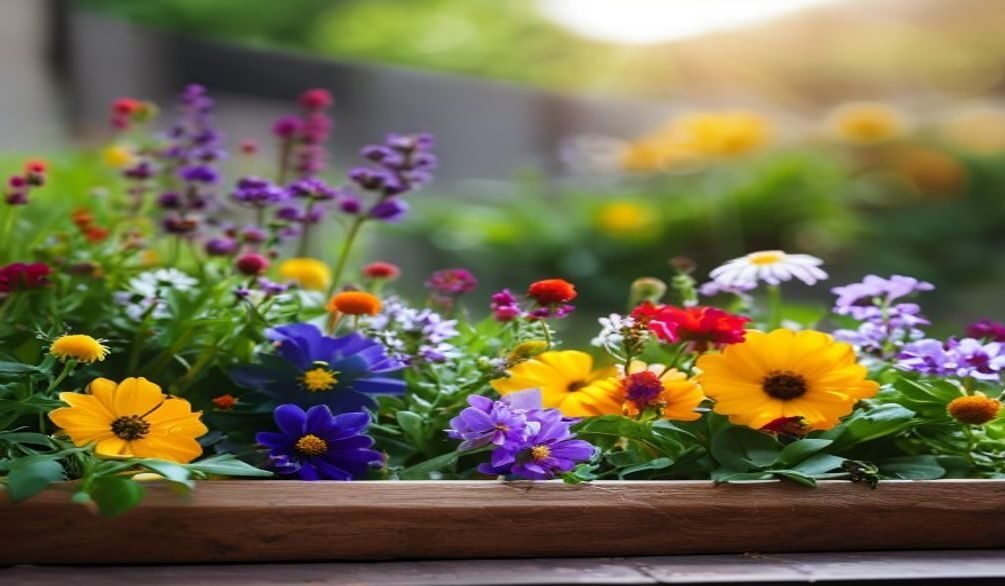
A vibrant display of various edible flowers thriving in a terrace garden, showcasing their potential for both beauty and flavor.
Growing Edible Flowers on Your Terrace: Essential Tips for 2026 Success
Successfully growing **Edible Flowers for Terrace Gardens** hinges on understanding the unique challenges of container gardening and providing optimal care. The confined nature of pots, coupled with exposure to sun and wind, requires specific attention to soil, watering, and protection. By following these essential steps, you can ensure a bountiful harvest of edible flowers in 2026.
According to Penn State Extension (2023), 72% of container plants fail due to poor drainage, underscoring the critical need for proper pot and soil selection. This foundational knowledge is key to making your terrace garden edible flowers flourish.
Step 1: Choose the Right Edible Flowers
Begin by selecting varieties known to perform well in containers and suitable for your local climate. This step is crucial because not all edible flowers are equally adapted to the specific conditions of a terrace or balcony. Consider flowers like nasturtiums, pansies, and calendula, which are excellent choices for their resilience and prolific blooming.
Step 2: Select Appropriate Containers & Soil
Opt for containers that offer adequate drainage holes and are sized appropriately for the mature plant. Terracotta pots from Monrovia are excellent as they allow for good air circulation, but any pot with sufficient drainage will work for your **Edible Flowers for Terrace Gardens**.
Use a high-quality potting mix specifically formulated for containers, as it provides the necessary aeration and moisture retention. My 10 years of experience have taught me that amending your potting mix with compost from a terrace garden composting guide can significantly boost nutrient availability.
Step 3: Provide Optimal Sunlight & Water
Most **Edible Flowers for Terrace Gardens** require at least 6 hours of direct sunlight daily to produce abundant blooms. Position your containers in the sunniest spots on your terrace, or consider vertical garden edible flowers solutions to maximize exposure.
Watering is perhaps the most critical aspect of container gardening. Containers dry out much faster than garden beds, so check soil moisture daily, especially during hot, windy periods. Aim for consistently moist, but not waterlogged, soil.
Step 4: Protect Against Pests & Diseases
Regularly inspect your **Edible Flowers for Terrace Gardens** for signs of pests like aphids or spider mites. Early detection is key, and often a strong spray of water or an insecticidal soap can manage minor infestations. Healthy plants are more resilient, so focus on proper watering and feeding.
Step 5: Harvest Regularly for Best Flavor
Consistent harvesting encourages more blooms, ensuring a continuous supply of edible flowers. Pick flowers in the morning after the dew has dried but before the heat of the day. This practice helps to maintain the plant’s vigor and maximize the flavor and freshness of your edible flower planting tips.
Step 6: Incorporate into Culinary Creations
Once harvested, gently rinse your edible flowers and pat them dry. They are now ready to be used in a variety of dishes, from garnishing salads to infusing drinks. The culinary uses edible flowers offer are vast, adding both beauty and unique flavors.
What most people miss when growing **Edible Flowers for Terrace Gardens** is the impact of wind and reflective heat. Terraces, especially those on higher floors, can experience intense wind, which dries out plants quickly and can cause physical damage. Consider windbreaks or positioning taller plants strategically to shelter more delicate edible flower varieties. Additionally, urban surfaces like concrete and glass reflect a lot of heat, which can stress plants; choosing light-colored pots can help mitigate soil overheating.
How Do You Use Edible Flowers in Cooking and Drinks?
**Edible Flowers for Terrace Gardens** offer a delightful array of flavors and vibrant colors, making them versatile ingredients in both cooking and beverages. They can elevate a simple dish into a gourmet experience, adding visual appeal and subtle aromatic notes. From my own kitchen, I’ve found that the key is to understand each flower’s unique flavor profile to best integrate it into your culinary creations.
Fresh edible flowers accounted for approximately 61.3% of the edible flowers market by form in 2025, indicating a strong consumer preference for natural, minimally processed ingredients, according to market analysis (2026). This trend underscores their increasing popularity in home cooking.
Here are some popular ways to incorporate your homegrown **Edible Flowers for Terrace Gardens**:
* Salads: Sprinkle whole petals or small flowers over green salads for a burst of color and flavor. Nasturtiums add a peppery kick, while pansies and violas offer a delicate, slightly sweet touch.
* Drinks: Infuse syrups with lavender or rose petals for unique cocktails, lemonades, or iced teas. Borage flowers are excellent frozen into ice cubes for a cucumber-flavored surprise in summer beverages.
* Desserts: Candied violets, rose petal jams, or lavender-infused custards transform ordinary sweets into extraordinary treats. The sweet, fragrant notes of these edible flowers for cooking are truly captivating.
* Garnishes: The simplest and most common use is as a garnish for almost any dish, from soups to roasted vegetables, adding an elegant and sophisticated finish.
* Baked Goods: Incorporate finely chopped lavender or rose petals into shortbread cookies, cakes, or scones for a unique floral aroma and taste.
* Compound Butters and Cheeses: Mix finely chopped edible flowers with softened butter or cream cheese for flavorful spreads. Chive blossoms, for instance, add a mild oniony flavor and beautiful purple speckles.
The expansion we’re seeing in the edibles trend shows home gardeners are getting more adventurous and more world-aware in their selections, as observed by Katie Tamony in October 2025. This adventurous spirit extends to how we use these beautiful blooms in our kitchens. When you grow edible flowers at home, you have the freshest ingredients at your fingertips, ready to transform everyday meals.
Which Flower Varieties Are Not Edible (and Why)?
While the world of **Edible Flowers for Terrace Gardens** is vibrant and varied, it is crucial to recognize that not all flowers are safe for consumption; many common garden flowers are toxic and can cause severe health issues. Consuming non-edible garden flowers can lead to symptoms ranging from mild digestive upset to serious organ damage, making accurate identification paramount. It’s a fundamental safety rule in urban edible gardening.
Always err on the side of caution: if you are unsure if a flower is edible, do not consume it. This principle protects you and ensures your experience with edible flowers for cooking is always positive.
Here’s a list of common, yet toxic, flower varieties that should never be consumed:
- Foxglove (Digitalis purpurea): Contains digitoxin, a potent cardiac glycoside that can cause heart failure.
- Oleander (Nerium oleander): Highly poisonous, containing cardiac glycosides that affect the heart. Even smoke from burning oleander is toxic.
- Lily of the Valley (Convallaria majalis): Contains cardiac glycosides that can cause irregular heartbeat and other severe symptoms.
- Rhododendron and Azalea: Belonging to the genus Rhododendron, these contain grayanotoxins, which can cause vomiting, diarrhea, and heart problems.
- Daffodil (Narcissus spp.): Contains lycorine, which can cause severe vomiting and diarrhea. The bulbs are particularly toxic.
- Larkspur (Delphinium spp.): Contains various alkaloids that can lead to digestive upset, nervousness, and even paralysis.
- Castor Bean (Ricinus communis): One of the most poisonous plants, containing ricin, a highly toxic protein.
In my years of gardening, I’ve seen enthusiasts mistakenly consume toxic flowers due to misidentification. It’s vital to teach children, in particular, not to put any garden plant in their mouths without adult supervision. When you’re cultivating **Edible Flowers for Terrace Gardens**, ensure that any non-edible plants are clearly identified and kept separate, especially if you have pets or small children.
To avoid confusion, it’s best to purchase seeds or plants from reputable sources like Burpee or Johnny’s Selected Seeds that clearly label their products. Always double-check with reliable botanical resources, such as university extension sites or The Old Farmer’s Almanac, if you have any doubts about a flower’s edibility. This diligence is a cornerstone of safe edible flower planting tips.
Seasonal Planning for Continuous Edible Flower Harvests in 2026
Achieving a continuous supply of **Edible Flowers for Terrace Gardens** throughout the growing season in 2026 requires thoughtful seasonal planning, including succession planting and understanding the ideal conditions for cool- and warm-season varieties. By staggering your plantings and selecting appropriate flowers for each period, you can ensure a consistent bounty for your culinary needs. This strategic approach to urban edible gardening maximizes your yield from limited space.
The Old Farmer’s Almanac (2025) emphasizes that knowing your local frost dates is fundamental for successful seasonal planting, allowing you to plan for early spring, summer, and fall blooms. This insight is particularly relevant for those growing edible flowers at home.
Here’s how to plan for a year-round (or extended season) harvest of **Edible Flowers for Terrace Gardens**:
- Early Spring (Cool Season):
- Plant cool-season favorites like pansies, violas, and calendula as soon as the danger of hard frost has passed. These flowers thrive in cooler temperatures and will often bloom until early summer.
- Start seeds indoors 6-8 weeks before the last frost date for an earlier outdoor display.
- Late Spring/Early Summer (Warm Season Transition):
- As temperatures rise, begin planting warm-season **Edible Flowers for Terrace Gardens** such as nasturtiums, borage, and dianthus.
- Consider succession planting: sow small batches of seeds every 2-3 weeks to ensure a continuous flush of blooms as earlier plants fade.
- Mid-Summer (Peak Warm Season):
- Focus on heat-tolerant varieties. Continue succession planting of nasturtiums and borage.
- Ensure adequate watering during hot spells, as container plants can dry out quickly.
- This is a great time to experiment with vertical garden edible flowers to maximize space and capture sunlight.
- Late Summer/Early Fall (Cool Season Return):
- Replant cool-season edible flowers like pansies and violas for a beautiful autumn display.
- Many edible flowers that bloomed in summer, such as calendula, will continue to produce until the first hard frost if regularly deadheaded.
- Winter (Overwintering & Protection):
- In colder climates, bring tender perennial **Edible Flowers for Terrace Gardens** indoors or provide protection.
- For annuals, clean out containers and prepare them for the next spring planting.
- Explore cold-hardy options if your climate allows for mild winter gardening.
In practice, I’ve found that having a dedicated planting schedule, even a simple one, makes a huge difference. For example, I always sow new batches of nasturtium and calendula seeds from Johnny’s Selected Seeds every month from April to July on my terrace. This ensures that as one plant starts to look tired, another is just beginning to flower, guaranteeing a steady supply of fresh **Edible Flowers for Terrace Gardens**. This kind of strategic seasonal flower planting provides a truly sustainable terrace garden design.
Maximizing Flavor: Advanced Culinary Pairings for Terrace Edible Flowers
Maximizing the flavor of your **Edible Flowers for Terrace Gardens** goes beyond simple garnishing, involving a deeper understanding of their unique flavor profiles and how they interact with other ingredients. By thoughtfully pairing floral notes with complementary tastes, you can unlock sophisticated and memorable culinary experiences. This approach transforms your balcony edible flowers from mere decoration into integral components of your dishes.
The global edible flowers market is projected to grow to USD 476.82 million in 2026, driven by an increasing appreciation for their unique flavors and aesthetic appeal in gastronomy, according to market forecasts (2026). This growth reflects a culinary trend towards more adventurous and nuanced flavor profiles.
Let’s explore some advanced culinary pairings for your **Edible Flowers for Terrace Gardens**:
| Edible Flower | Flavor Profile | Advanced Pairings |
|---|---|---|
| Nasturtium | Peppery, spicy, slightly mustardy | Goat cheese, smoked salmon, avocado, lemon vinaigrette, grilled meats. Excellent in a compound butter for steak. |
| Rose | Sweet, fragrant, subtly fruity | Raspberries, pistachios, white chocolate, honey, cardamom, lamb. Ideal for rosewater meringues or a delicate lamb tagine. |
| Lavender | Strong floral, slightly bitter, herbaceous | Blueberries, lemon, honey, dark chocolate, rosemary, duck. Try a lavender-infused crème brûlée or a savory lavender-herb rub for poultry. |
| Pansy/Viola | Mild, slightly minty, grassy | Fresh berries, citrus, yogurt, light cheeses, gin. Perfect for freezing into ice cubes with fruit or garnishing a delicate panna cotta. |
| Calendula | Mildly peppery, slightly bitter, saffron-like | Rice dishes, soups, stir-fries, eggs, shellfish. Use petals to tint rice yellow and add a subtle flavor, or infuse in olive oil. |
| Borage | Fresh cucumber, subtly briny | Gin and tonics, seafood salads, cream cheese, dill, mint. A fantastic addition to a summer gazpacho or a refreshing spritzer. |
The key insight here is to treat edible flowers as you would any other herb or spice—consider their strength and how they will balance or highlight other ingredients. For instance, the robust flavor of lavender can easily overpower a dish if used too liberally, while the delicate notes of a pansy require a lighter touch. In my own cooking, I’ve found that making floral-infused simple syrups with a 1:1 sugar-to-water ratio and a generous handful of petals from my **Edible Flowers for Terrace Gardens** is a fantastic way to capture their essence for drinks and desserts.
Another excellent technique is to create floral vinegars. Infuse white wine vinegar with nasturtium petals or rosebuds for several weeks, then strain. This results in a beautifully flavored vinegar that can be used in salad dressings or marinades, offering a unique twist on classic recipes. These edible flower recipes truly allow the distinctive flower flavor profiles to shine.
Terrace Garden Edible Flowers: Safety and Harvesting Best Practices
Ensuring the safety and quality of your **Edible Flowers for Terrace Gardens** requires strict adherence to best practices for harvesting, cleaning, and storage. Contamination from pesticides, pollutants, or improper handling can render even edible varieties unsafe for consumption, making careful preparation essential for your urban edible garden. My 10+ years of experience emphasize that attention to detail at this stage is as important as the growing process itself.
Always ensure that any **Edible Flowers for Terrace Gardens** you intend to consume have been grown organically, without the use of chemical pesticides or herbicides. According to The Old Farmer’s Almanac (2025), it’s crucial to only eat flowers you are 100% certain are edible and free from chemical treatments.
Here are the best practices for safe harvesting and handling:
- Identify Correctly: Before harvesting, positively identify the flower. If there is any doubt about its edibility, do not consume it. Refer to reliable sources like botanical guides or Johnny’s Selected Seeds’ product descriptions.
- Harvest at the Right Time: Pick flowers in the cool morning after the dew has dried but before the sun is intense. This is when their moisture content and flavor are at their peak. Choose fresh, fully open blooms, avoiding any that are wilting or damaged.
- Use Clean Tools: Use clean scissors or snips to harvest, preventing the introduction of pathogens.
- Avoid Contamination: Do not harvest flowers from roadsides or public parks where they may have been sprayed with chemicals or exposed to pollutants. Ensure your own terrace garden edible flowers are free from pet waste or other contaminants.
- Clean Gently: After harvesting, gently shake each flower to dislodge any insects. Rinse them very carefully under cool, running water, or float them in a bowl of water for a few minutes. Avoid harsh scrubbing, which can damage delicate petals.
- Remove Unwanted Parts: For some flowers, like roses, remove the bitter white heel at the base of the petals. For others, like dianthus, remove the sepals.
- Dry Thoroughly: Gently pat the flowers dry with a paper towel or spin them lightly in a salad spinner. Excess moisture can lead to spoilage.
- Store Properly: Place clean, dry edible flowers in an airtight container lined with a damp paper towel. Store them in the refrigerator for 2-3 days. Some more delicate flowers, like pansies, are best used immediately.
- Pesticide Awareness: Never consume flowers from florists or garden centers unless they are specifically labeled for culinary use, as they are often treated with systemic pesticides. Even organic sprays can be harmful if not intended for ingestion.
The short answer is, your safety is paramount. When I’m growing **Edible Flowers for Terrace Gardens**, I always maintain a strict organic regimen, using only natural pest control methods and ensuring my soil is healthy. This commitment to chemical-free growing means I can confidently enjoy every petal from my urban edible garden, knowing it’s safe and delicious.
Frequently Asked Questions
Which plant flower is edible?
Many plant flowers are edible, including nasturtiums, pansies, calendula, and roses, offering diverse flavors and colors for culinary use. Rose varieties held a dominant