Key Takeaways
- The urban farming market is projected to reach $185.7 billion in 2026, according to The Business Research Company (2026).
- Approximately 63.6% of gardeners plan to expand their gardens in 2026, demonstrating a keen interest in efficient Balcony Garden Design Layouts, according to the Axiom 2026 Gardening Outlook Study (2025).
- Urban farms produce 15-20 times more food per acre than traditional agriculture, as highlighted by urban agriculture consultant Kevin Bruce (2026 projection).
- Integrating compact plant varieties such as Easy Wave Petunias a lot enhances the utility and beauty of small Balcony Garden Design Layouts.
- Smart technology, including self-watering systems, can reduce maintenance effort by improving consistency in Balcony Garden Design Layouts.
Are you dreaming of a lush, lively green space right outside your door, even if you live in a small urban apartment? Crafting effective Balcony Garden Design Layouts is absolutely achievable, transforming even the most modest outdoor areas into productive and peaceful havens. In my 10 years of experience as a gardener, I’ve seen how thoughtful planning and smart choices can make a huge difference in maximizing small spaces for beauty, utility, and relaxation.
Quick Answer: To maximize a small balcony garden, prioritize vertical space with hanging planters and trellises, select compact and adaptable plant varieties, use smart container grouping, and integrate self-watering systems for efficient, lush, and productive green spaces.
How to Maximize Space in Your Balcony Garden in 2026
To truly maximize space in your balcony garden in 2026, you should focus on vertical solutions and intelligent use of every available inch, because this approach a lot increases planting density and accessibility. For instance, urban farms often produce 15-20 times more food per acre than traditional agriculture, according to urban agriculture consultant Kevin Bruce (2026 projection), highlighting the efficiency of compact growing. Thoughtful Balcony Garden Design Layouts ensure you’re not just growing plants, but creating an entire experience. One of the best strategies involves **vertical gardening**, which uses walls and railings to expand your growing area upwards. Modular wall panels, fabric pockets, and espaliered fruit trees are advanced vertical micro-garden solutions recommended for 2026, offering substantial space gains. This verticality is key for any effective Balcony Garden Design Layouts. Here’s how to incorporate vertical elements effectively:
- Wall-Mounted Planters: Choose stackable or modular systems that fit snugly against your wall. These are excellent for herbs, leafy greens, or small annual flowers. Consider units from reputable brands for durability.
- Trellises and Obelisks: Provide support for climbing plants like cucumbers, tomatoes, peas, or flowering vines. A smart trellis can turn a plain wall into a living green screen, enhancing privacy and plant growth simultaneously. For modern designs, explore smart balcony trellis ideas.
- Hanging Baskets: These are classics for a reason! They add dimension and free up floor space, perfect for trailing plants like Easy Wave Petunias, strawberries, or cascading herbs. Ensure your balcony structure can safely support their weight when watered.
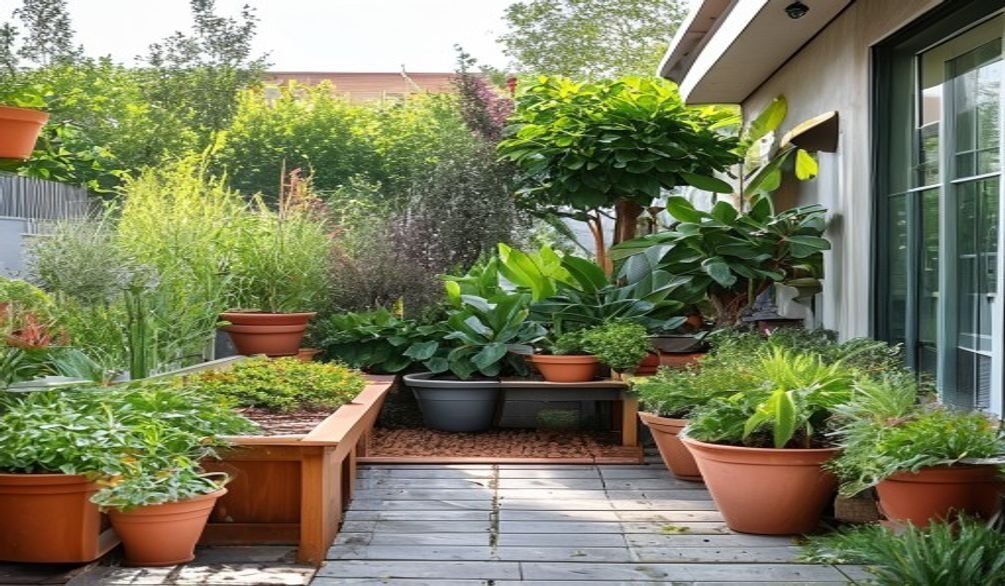
Effective Balcony Garden Design Layouts also demand a careful consideration of circulation. Don’t block pathways; ensure you can easily move around to tend to your plants and enjoy your space. This balance between lushness and usability is crucial. The careful selection of lightweight containers is also essential for maximizing space without overburdening your balcony. Materials like fabric grow bags, plastic, or resin are much lighter than terracotta or concrete, making them easier to arrange and relocate. These choices directly impact the overall safety and flexibility of your Balcony Garden Design Layouts.
Best Balcony Garden Design Layouts for Small Spaces
The best Balcony Garden Design Layouts for small spaces typically prioritize multi-functional elements and clever zoning to create distinct areas for growing and relaxing, making the most of every square foot. With 63.6% of gardeners planning to expand their gardens in 2026, according to the Axiom 2026 Gardening Outlook Study (2025), there’s a clear demand for efficient small-space solutions. Katie Dubow, President of Garden Media Group, notes that “Botanical Bento gardens are about intentionality: Every plant, path, and container has a role, resulting in spaces that feel rich, cohesive, and full of life without appearing cluttered.” This philosophy is especially relevant for compact Balcony Garden Design Layouts. Every item you place needs to earn its spot. Consider these proven Balcony Garden Design Layouts to inspire your own urban oasis:
- The Vertical Edible Garden: Focus almost entirely on vertical structures for growing food. Think wall-mounted herb gardens, tiered planters for strawberries, and climbing vegetables on trellises. This layout is perfect for the urban gardener who wants to maximize their harvest.
- The Layered Oasis: Combine vertical elements with varying container heights on the floor. Use tall planters for privacy, medium-sized ones for flowering shrubs or dwarf fruit trees like Little Ollie® Dwarf Olive from Monrovia Plants, and small pots for groundcovers. This creates visual depth and interest in your Balcony Garden Design Layouts.
- The Botanical Bento (Zoned Approach): Divide your balcony into distinct zones—perhaps a small seating area, a dedicated planting zone, and a vertical herb wall. Use screens or even tall plants to delineate these areas. This type of setup provides both functionality and a sense of order.
- Folding & Mobile Gardens: Incorporate furniture and planters that can be folded away or moved on wheels. This flexibility allows you to adapt your balcony for different activities, making it truly dynamic.
Creating functional Balcony Garden Design Layouts requires a blend of creativity and practicality, ensuring plants thrive while leaving room for you to enjoy the space. It’s about smart choices, not just packing in plants.
The careful arrangement of containers is paramount. Cluster similar plants together to create visual impact and simplify watering. For example, a “Mediterranean Herb Haven” theme uses rosemary, thyme, oregano, and sage in clay pots, perfect for sunny spots. Remember, well-planned Balcony Garden Design Layouts can make a small space feel expansive.
Smart Technology & Automation for Your 2026 Balcony Garden
Integrating smart technology and automation into your Balcony Garden Design Layouts for 2026 is a game-changer for busy urban dwellers, ensuring consistent plant care with minimal effort. The urban farming market, reflecting this push for efficiency, reached $173.18 billion in 2025 and is projected to grow to $185.7 billion in 2026, according to The Business Research Company (2026). This growth underscores the demand for technologically advanced gardening solutions, even in small spaces. These modern solutions can simplify plant care, reduce waste, and allow you to enjoy your garden more without constant manual intervention. It’s about working smarter, not harder, when it comes to your Balcony Garden Design Layouts. Let’s look at key smart gardening innovations:
- Self-Watering Systems: Drip irrigation systems and self-watering raised beds are practical examples for consistent watering in balcony gardens. These systems deliver water directly to the plant roots, reducing evaporation and ensuring plants receive the right amount of moisture. For larger balcony setups, an app-controlled irrigation system can even be scheduled remotely. These are vital for sustainable Balcony Garden Design Layouts, especially with fluctuating weather.
- Moisture Sensors: Small, affordable sensors can be placed in individual pots to monitor soil moisture levels. Some even connect to your smartphone, alerting you when a plant needs water or triggering an automated system. This precision prevents both overwatering and underwatering, common issues in container gardening.
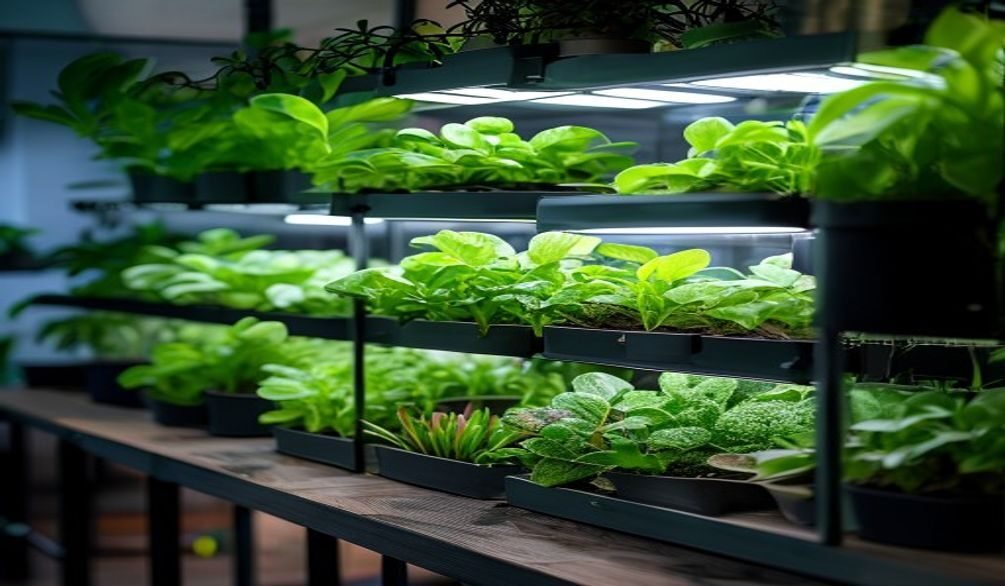
- Smart Grow Lights: For balconies with limited natural light, compact LED grow lights can supplement sunlight or provide full illumination for shade-loving plants. Modern lights are energy-efficient and can be programmed to switch on/off, ensuring plants get their optimal light cycle. They can make challenging corners viable spaces in your Balcony Garden Design Layouts.