Key Takeaways
- Container gardening saw a 200% participation increase between 2022 and 2023, largely driven by millennials and Gen Z.
- The North America pots and planters market reached USD 5.8 billion in 2025, projected to hit USD 6.1 billion in 2026.
- Consistent watering and balanced soil structure dramatically improve herb production in pots, according to Mark Bolt of EarthBox.
- Proper drainage is crucial, with quality soilless potting mixes composed of peat, perlite, and vermiculite being ideal.
- Basil, mint, rosemary, and thyme are among the easiest culinary herbs to grow successfully in pots.
**Growing Culinary Herbs in Pots** can transform your cooking and bring fresh aromas into your home, but many aspiring gardeners struggle with common issues like poor drainage or insufficient light. This comprehensive guide, drawing on my 10+ years of experience in horticulture, will equip you with expert strategies to cultivate a thriving potted herb garden, ensuring abundant flavor and continuous harvests throughout 2026 and beyond.
Quick Answer: Growing culinary herbs in pots requires selecting appropriate containers with drainage, using well-draining potting mix, providing ample sunlight, and consistent watering. Choose herbs suited for containers like basil, mint, and thyme, and prune regularly for continuous harvests and robust flavor.
Why Grow Culinary Herbs in Pots in 2026?
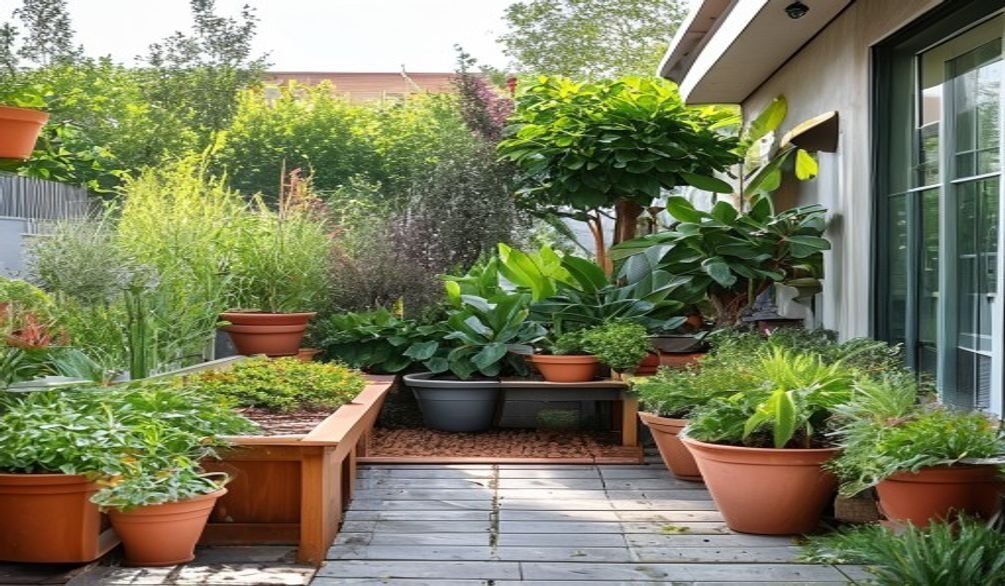
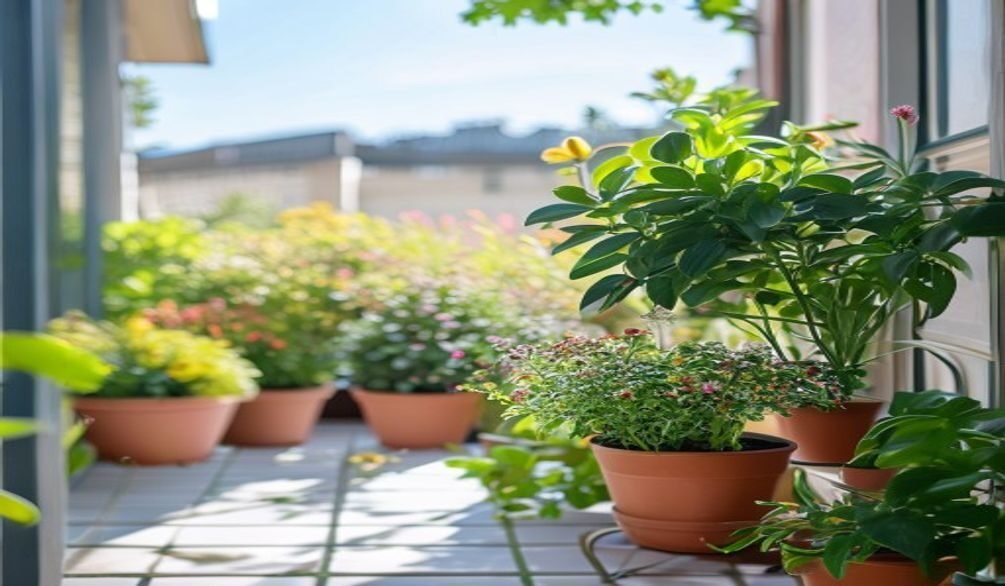
Growing culinary herbs in pots offers unparalleled convenience, fresh flavor, and flexibility, making it an increasingly popular gardening trend for 2026. Small-space gardening, which includes patio-friendly edible gardens and vertical growing systems, is identified as a top gardening trend for 2026. This trend highlights the practicality of **growing culinary herbs in pots** for those with limited outdoor space.
The expansion in the edibles trend shows home gardeners are getting more adventurous and more world-aware in their selections, according to an unnamed expert Tamony, quoted in House Beautiful’s “Experts Reveal the 7 Garden Trends Everyone Will Be Copying in 2026.” This cultural shift underpins the surge in interest for **growing culinary herbs in pots**, allowing diverse flavors to be cultivated at home.
Container gardening experienced a participation rate increase of roughly 200% between 2022 and 2023, with millennials and Gen Z showing the highest spending increases on gardening projects. This surge underscores the accessibility and appeal of growing culinary herbs in pots for a new generation.
Beyond the trend, the practical benefits are immense. You gain immediate access to fresh ingredients, reduce grocery costs, and enhance the flavor of your home-cooked meals. My own garden, which I started after completing my horticulture degree, thrives on the principle of **growing culinary herbs in pots** to maximize yield in a smaller footprint.
**Growing culinary herbs in pots** also provides therapeutic benefits, connecting you with nature and offering a rewarding hobby. Approximately 50.2% of gardeners expect to spend more time gardening in 2026, and 42.8% expect to spend more money, indicating a sustained commitment to such activities. This commitment often starts with manageable projects like **growing culinary herbs in pots**.
Choosing the Best Pots and Potting Mix for Your Herbs
Choosing the best pots and potting mix is fundamental to the success of **growing culinary herbs in pots**, as these elements directly impact drainage, aeration, and nutrient availability. The global gardening pots market was valued at USD 20.31 billion in 2025 and is projected to grow to USD 21.28 billion in 2026, showcasing the importance of proper containers.
**Step 1: Select Appropriate Containers**
The right container size and material are crucial for **growing culinary herbs in pots**. Always choose pots with drainage holes to prevent waterlogging, which can quickly lead to root rot.
Here’s a comparison of popular pot materials for **growing culinary herbs in pots**:
| Material | Pros | Cons | Best For |
|---|---|---|---|
| Terra Cotta | Breathable, prevents overwatering, aesthetic | Dries out quickly, heavy, fragile | Herbs that prefer drier conditions (Rosemary, Thyme) |
| Plastic | Inexpensive, retains moisture, lightweight | Less breathable, can overheat roots, less aesthetic | Moisture-loving herbs (Mint, Basil), beginners |
| Ceramic/Glazed | Attractive, retains moisture, durable | Heavy, can be expensive, less breathable than terra cotta | Decorative indoor herb gardens |
| Fabric (Grow Bags) | Excellent aeration, prevents root circling, lightweight | Dries out quickly, less aesthetic for some, temporary | Any herb for robust root growth, especially outdoors |
For larger setups, vertical garden planters like those from Garden Tower Project allow for **growing culinary herbs in pots** up to 50 plants in a small footprint. Brands like SCANDINORDICA and Barnyard Designs also offer stylish kitchen herb planters.
**Step 2: Use a Quality Potting Mix**
The best soil for herbs in pots is not garden soil, which is too dense for containers and can compact, leading to poor drainage and root suffocation. A quality soilless potting mix composed of peat, perlite, and vermiculite is recommended for **growing culinary herbs in pots**.
Mark Bolt, VP of EarthBox, emphasizes, “Most herb problems trace back to one of those five basics. Get pot size, drainage, light, soil, and watering right, and herbs reward you quickly.” This highlights the foundational role of choosing the right potting mix.
For an optimal DIY herb potting mix, combine equal parts of a high-quality organic potting mix, such as Back to the Roots Organic All-Purpose Potting Mix or Burpee Organic Potting Mix, with perlite and vermiculite. Adding worm castings from brands like Wiggle Worm Organic Earth Worth Castings can further improve water retention, aeration, and nutrient availability, creating an ideal environment for **growing culinary herbs in pots**. This blend provides the essential structure for healthy root development and efficient nutrient uptake.
What are the Easiest Culinary Herbs to Grow in Pots?
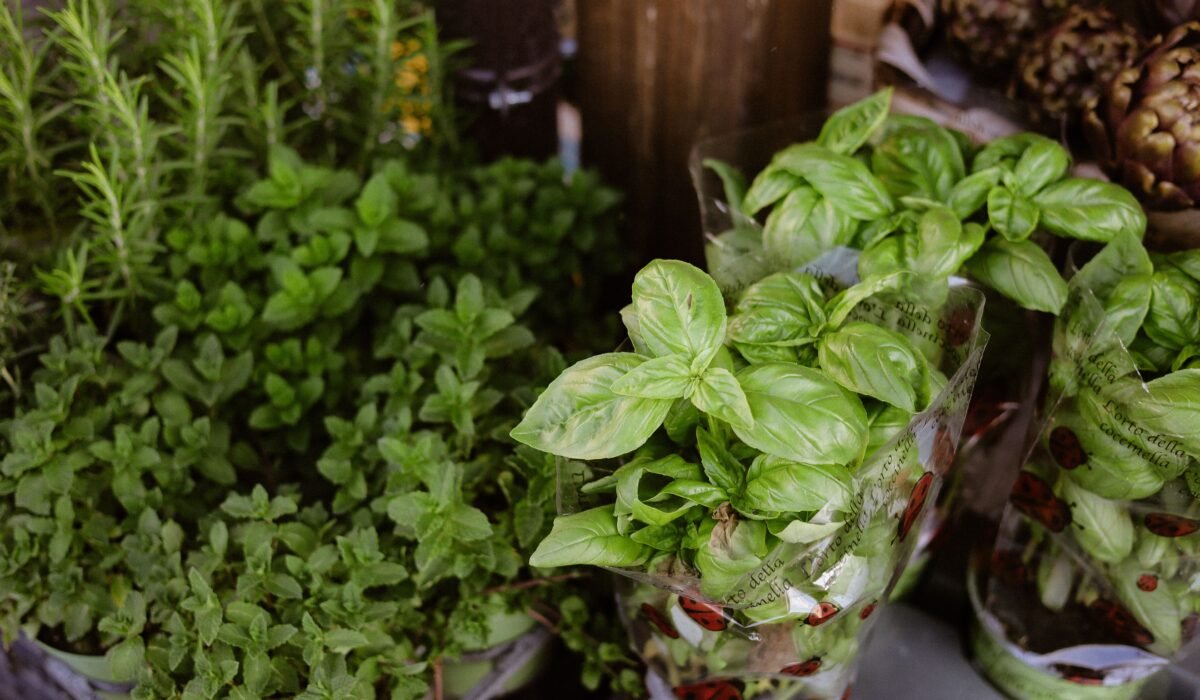
The easiest culinary herbs to grow in pots are those that are adaptable, resilient, and have moderate light and water requirements, making them perfect for beginners and seasoned gardeners alike. Basil, mint, rosemary, and thyme consistently rank among the top choices for successful **growing culinary herbs in pots**.
These varieties thrive in container gardening settings and are forgiving of minor fluctuations in care. My experience over a decade has shown that starting with these herbs builds confidence and ensures a rewarding experience with **growing culinary herbs in pots**.
Here are some of the best herbs for beginners in pots:
* **Basil:** A warm-weather annual, basil (Genovese, dwarf Greek, Finissimo Verde) loves consistent moisture and at least six hours of sunlight daily. Pinch back its growing tips regularly to encourage bushier growth and prevent it from flowering prematurely, which can diminish flavor. **Growing culinary herbs in pots** like basil means fresh pesto is always within reach.
* **Mint:** Known for its vigorous growth, mint (peppermint, spearmint, chocolate mint) is best grown in its own pot to prevent it from taking over other plants. It tolerates partial shade and prefers consistently moist soil, making it a low-maintenance option for **growing culinary herbs in pots**.
* **Rosemary:** This woody perennial thrives in full sun and well-draining soil, preferring to dry out slightly between waterings. Varieties like ‘Arp’ and ‘Huntington Carpet’ are excellent for **growing culinary herbs in pots**, offering evergreen foliage and aromatic leaves.
* **Thyme:** Another sun-loving perennial, thyme (Summer, lemon) is drought-tolerant once established and requires minimal care. Its small leaves pack a powerful flavor, making it a staple for **growing culinary herbs in pots** in any kitchen.
* **Parsley:** Italian flat-leaf parsley is easier to grow than curly parsley and prefers consistently moist soil and partial shade, especially in hot climates. It’s a biennial, meaning it will produce leaves for two years before flowering and setting seed.
* **Chives:** These onion-flavored herbs are incredibly easy to grow and will readily regrow after being cut. Chives prefer full sun to partial shade and moist, well-draining soil, making them ideal for **growing culinary herbs in pots**.
* **Oregano:** Similar to thyme and rosemary, oregano is a Mediterranean herb that loves full sun and well-draining soil. It’s a hardy perennial that provides continuous harvests, excellent for **growing culinary herbs in pots**.
* **Sage:** With its velvety leaves and earthy flavor, sage is a beautiful addition to any potted herb collection. It requires full sun and good drainage, thriving in conditions similar to rosemary and thyme.
When considering what is the easiest herb to grow in a pot, basil stands out for its rapid growth and versatility, quickly rewarding gardeners with fragrant leaves. Consistent harvesting is key to its continued productivity.
Each of these herbs offers distinct culinary uses and can be successfully grown with basic care, making **growing culinary herbs in pots** a simple yet rewarding endeavor.
Which Herbs Should Not Be Grown Together in Pots?
Not all herbs are compatible for co-planting in the same container, as their differing light, water, and nutrient requirements can lead to one plant outcompeting or harming another. Understanding which herbs should not be grown in pots together is crucial for successful **growing culinary herbs in pots**.
The primary reason to avoid co-planting certain herbs is their contrasting needs. For instance, Mediterranean herbs like rosemary, thyme, and oregano prefer dry, well-draining soil and plenty of sun, while herbs such as mint and basil prefer more moisture and richer soil.
Here’s a breakdown of common incompatibilities when **growing culinary herbs in pots**:
* **Mint:** Mint is notoriously invasive and will quickly take over any pot it shares with other plants. Its aggressive root system chokes out companions, making it a solitary plant for **growing culinary herbs in pots**.
* **Fennel:** Fennel can inhibit the growth of many other plants, particularly cilantro and dill, due to its allelopathic properties, releasing chemicals that suppress neighboring growth.
* **Rosemary and Basil:** These two common herbs have opposing needs. Rosemary prefers dry conditions and full sun, while basil thrives in consistently moist soil and often appreciates some afternoon shade in hot climates. Attempting to grow them together often leads to one struggling. This is a common mistake when **growing culinary herbs in pots**.
* **Chives and Legumes:** While not common to grow legumes with herbs, it’s worth noting that chives can stunt the growth of beans and peas.
To ensure optimal growth and health for each plant, it’s generally best to group herbs with similar environmental preferences together, or to give aggressive growers their own dedicated space. This prevents competition for resources and ensures all plants thrive.
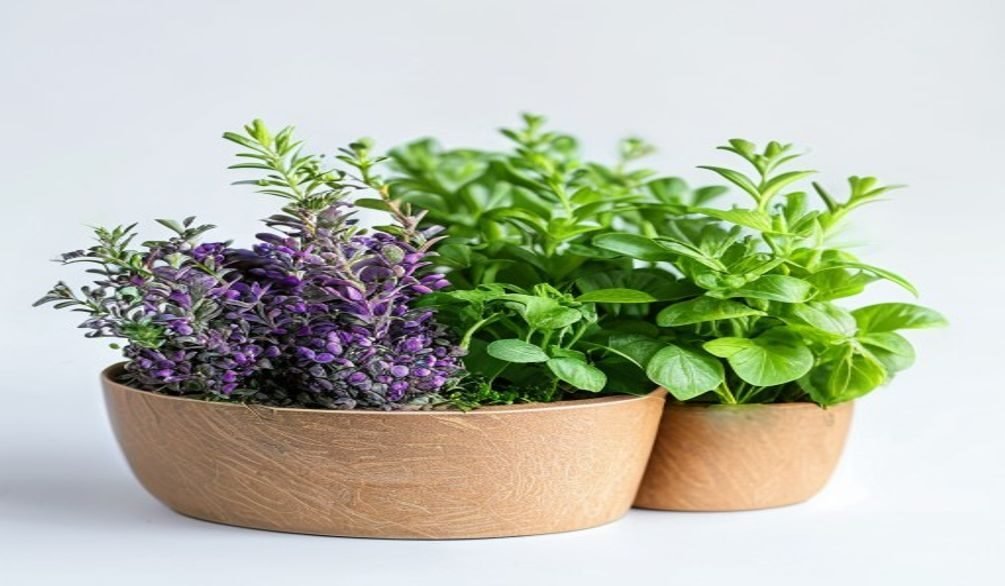
For successful **growing culinary herbs in pots**, consider grouping plants by their water and light needs. For example, you can effectively grow Mediterranean herbs like rosemary, thyme, oregano, and sage together in a single large container, as they all prefer full sun and drier soil. Conversely, basil, parsley, and cilantro can be happy companions, as they appreciate more consistent moisture.
Mastering Watering, Light, and Feeding for Potted Herbs
Mastering watering, light, and feeding is essential for the vitality and productivity of your potted herbs, directly influencing their flavor and growth. Consistent care in these areas ensures robust plants when **growing culinary herbs in pots**.
**Step 1: Implement Proper Watering Techniques**
Proper watering is the most critical factor for **growing culinary herbs in pots**. Overwatering is a common killer, leading to root rot, while underwatering causes wilting and stress.
* **Check Soil Moisture:** Always feel the soil before watering. Stick your finger about an inch or two into the potting mix. If it feels dry, it’s time to water.
* **Water Thoroughly:** Water until you see drainage from the bottom of the pot. This ensures the entire root ball is moistened.
* **Frequency:** Watering frequency depends on the herb type, pot size, material, and environmental conditions. Terra cotta pots dry out faster than plastic.
* **Avoid Wet Leaves:** Water at the base of the plant to prevent fungal diseases, especially when **growing culinary herbs in pots** indoors.
Mark Bolt of EarthBox states, “Herbs are one of the most forgiving crops you can grow in containers, but consistency matters. When soil structure and watering stay balanced, production improves dramatically.” This underscores the importance of a thoughtful watering schedule for potted herbs.
**Step 2: Provide Adequate Light**
Most culinary herbs require ample sunlight to thrive and develop their characteristic flavors. Aim for at least 6 hours of direct sunlight per day for optimal **growing culinary herbs in pots**.
* **Outdoor Placement:** Place outdoor pots in a location that receives full sun for the majority of the day.
* **Indoor Placement:** For indoor herb garden setups, a south-facing window is ideal. If natural light is insufficient, consider using grow lights. LED grow lights can provide the necessary spectrum for healthy growth.
* **Rotate Pots:** Rotate your pots regularly to ensure all sides of the plant receive adequate light, promoting even growth.
**Step 3: Fertilize Sparingly**
While herbs need nutrients, they generally prefer lean conditions, and over-fertilizing can diminish their aromatic oils and flavor. For **growing culinary herbs in pots**, less is often more.
* **Slow-Release Fertilizers:** Incorporate a slow-release organic fertilizer into your potting mix at the beginning of the growing season.
* **Liquid Feed:** For established plants, a diluted liquid organic fertilizer can be applied every 4-6 weeks during the active growing season. Back to the Roots offers organic liquid plant food that supports healthy growth.
* **Compost Tea:** Using compost tea or a light application of Wiggle Worm Organic Earth Worth Castings can provide gentle, balanced nutrition without overwhelming the plants.
By diligently managing these three elements, you create an environment where your herbs can flourish, providing you with a continuous supply of fresh, flavorful ingredients, making **growing culinary herbs in pots** a truly rewarding experience.
Advanced Pruning Techniques for Maximizing Herb Yield and Flavor
Advanced pruning techniques are critical for maximizing both the yield and the intense flavor of your culinary herbs, encouraging bushier growth and preventing premature flowering. Regular pruning is a cornerstone of successful **growing culinary herbs in pots**.
The goal of pruning is to redirect the plant’s energy from producing flowers and seeds towards developing more aromatic foliage. This process keeps your plants compact, productive, and full of flavor.
**Step 1: Pinching for Bushier Growth**
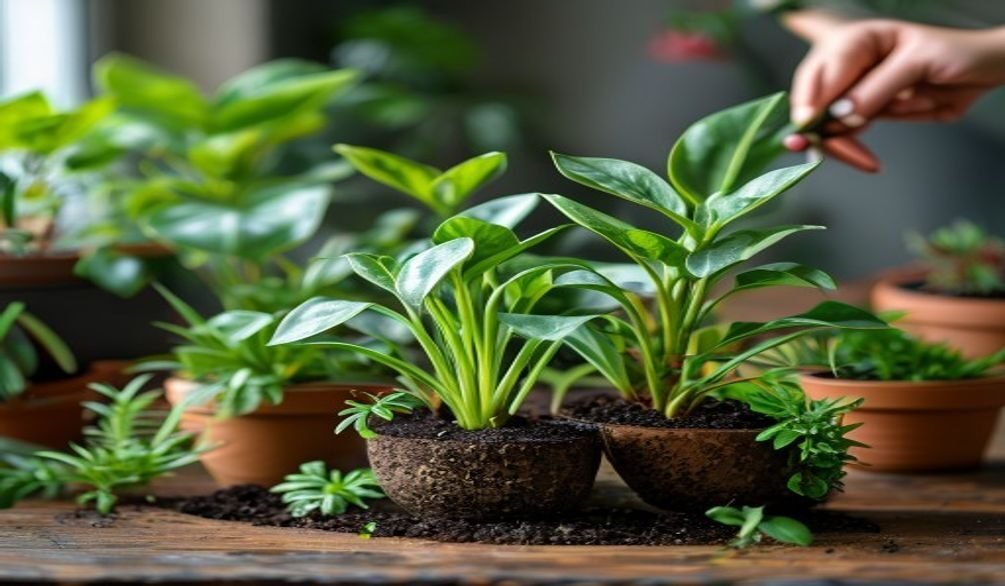
Pinching is a simple yet effective technique, especially for herbs like basil, mint, and oregano. This involves removing the top set of leaves and the stem just above a leaf node.
* **Technique:** Use your thumb and forefinger to pinch off the top 1/2 to 1 inch of the stem, right above a pair of leaves.
* **Benefit:** This encourages the plant to branch out from the nodes below, resulting in a denser, bushier plant with more leaves for harvesting. For **growing culinary herbs in pots**, this prevents leggy growth.
* **Frequency:** Start pinching basil when it’s about 6-8 inches tall and continue every 1-2 weeks during its active growing season.
**Step 2: Trimming Woody Herbs**
Woody herbs like rosemary, thyme, and sage benefit from regular trimming to maintain shape, promote new growth, and prevent them from becoming leggy and woody.
* **Technique:** Use sharp, clean pruners to cut back about one-third of the plant’s growth, always cutting above a leaf node or new side shoot. Avoid cutting into old, woody stems that have no leaves, as these may not regrow.
* **Benefit:** This stimulates the production of fresh, flavorful new growth and maintains the plant’s compact form, crucial for **growing culinary herbs in pots**.
* **Timing:** Trim woody herbs in the spring after the last frost and lightly throughout the growing season.
**Step 3: Preventing Bolting**
Bolting occurs when an herb plant prematurely flowers and sets seed, often due to heat stress or maturity, leading to a bitter flavor in the leaves. Preventing bolting is key for continuous harvests when **growing culinary herbs in pots**.
* **Remove Flower Buds:** As soon as you see flower buds forming on herbs like basil, cilantro, and parsley, pinch them off immediately. This redirects the plant’s energy back into leaf production.
* **Harvest Regularly:** Consistent harvesting acts as a form of pruning, signaling to the plant to produce more leaves rather than flowers.
* **Provide Shade:** For cool-weather herbs like cilantro, providing some afternoon shade during hot spells can delay bolting.
By consistently applying these pruning techniques, you not only ensure a steady supply of flavorful herbs but also extend the productive lifespan of your plants. This proactive approach is vital for maximizing herb yield and flavor, transforming your **growing culinary herbs in pots** into a highly efficient system.
Regular pruning is arguably the most impactful practice for maximizing herb flavor and yield. In my own garden, I’ve seen how a neglected basil plant quickly becomes leggy and bitter, while a consistently pinched one remains lush and fragrant for months. This direct correlation makes pruning an indispensable skill for anyone serious about **growing culinary herbs in pots**.
Year-Round Strategies: Indoor/Outdoor Transitions and Overwintering Herbs
Year-round strategies for indoor/outdoor transitions and overwintering herbs are crucial for extending your harvest season and ensuring the longevity of perennial plants, making **growing culinary herbs in pots** a truly sustainable practice. Many herbs that thrive outdoors in summer can continue producing indoors with the right care.
The process of moving herbs indoors for winter or back outside in spring requires careful acclimatization to prevent shock and ensure continued health. This is a common challenge for those engaged in **growing culinary herbs in pots**.
**Step 1: Preparing Herbs for Indoor Transition**
Before bringing your potted herbs indoors, it’s essential to prepare them to minimize the risk of pests and adjust them to lower light conditions.
* **Pest Inspection:** Thoroughly inspect all parts of the plant, including the undersides of leaves and soil surface, for any signs of pests. Treat any infestations using organic pest control methods before moving indoors.
* **Pruning:** Give plants a good prune, removing any dead or leggy growth. This helps the plant focus energy on new, healthy foliage adapted to indoor conditions.
* **Acclimatization:** Gradually introduce plants to lower light levels by moving them to a shadier spot outdoors for a week or two before bringing them inside. This reduces shock.
* **Clean Pots:** Wipe down pots to remove any outdoor debris or potential pest eggs.
**Step 2: Providing Optimal Indoor Conditions**
Once indoors, your herbs will need specific conditions to thrive during the colder months, especially when you are committed to **growing culinary herbs in pots** year-round.
* **Light:** Place herbs in the brightest available window, preferably south-facing. Supplement with grow lights for 12-16 hours daily if natural light is insufficient. The article “Growing Culinary Herbs Indoors 2026: Easy Guide” offers more detailed insights.
* **Humidity:** Indoor environments are often dry. Increase humidity around your herbs by misting regularly, placing pots on pebble trays filled with water, or using a humidifier.
* **Watering:** Reduce watering frequency as plants will grow slower indoors. Allow the top inch or two of soil to dry out completely between waterings.
* **Temperature:** Maintain a consistent room temperature between 60-70°F (15-21°C). Avoid drafts from windows or vents.
**Step 3: Overwintering Perennial Herbs**
Perennial herbs like rosemary, thyme, and sage can be overwintered indoors to ensure fresh harvests in spring. This is a key benefit of **growing culinary herbs in pots**.
* **Dormancy:** Some perennials, like chives, may go dormant indoors. Their foliage might die back, but the roots remain alive, ready to regrow in spring. Reduce watering during dormancy.
* **Light Pruning:** Continue light pruning to encourage new growth, but avoid heavy pruning during winter dormancy.
* **Gradual Reintroduction to Outdoors:** In spring, once frost danger has passed, gradually reintroduce your overwintered herbs to outdoor conditions over a week or two. Start in a shady spot and slowly move them into brighter light.
The careful transition and consistent indoor care are paramount for overwintering potted herbs, safeguarding your investment and providing continuous fresh flavors. This strategic approach ensures your efforts in **growing culinary herbs in pots** yield benefits throughout all seasons.
From my experience, the key to successful overwintering and year-round **growing culinary herbs in pots** is patience and observation. Each plant reacts differently, and adapting your care based on its signals is more effective than a rigid schedule. For more insights on preparing your outdoor spaces, you might find “Balcony Garden Winterizing: Essential Guide 2026” helpful.
Organic Pest and Disease Management for Healthy Potted Herbs
Organic pest and disease management is fundamental for maintaining healthy potted herbs, ensuring your harvests remain safe for culinary use and your plants thrive without synthetic chemicals. Proactive strategies are far more effective than reactive treatments when **growing culinary herbs in pots**.
Common pests like aphids, spider mites, and whiteflies can quickly infest container plants, especially indoors. Fungal diseases like powdery mildew are also a concern.
**Step 1: Implement Preventive Measures**
Prevention is the first line of defense in