
Key Takeaways
- Rock gardens primarily focus on aesthetic rock placement, while alpine gardens specifically cultivate high-altitude plants that thrive in sharp drainage.
- 49.5% of gardeners spent more money gardening in 2025, indicating a growing investment in horticultural projects like alpine rock gardens.
- Drought-tolerant plants like *Dianthus* and *Saxifraga* are essential for successful alpine rock gardens, conserving water effectively.
- Proper drainage is paramount; “almost all rock garden plants enjoy sharp drainage,” advises landscape designer Dan Bristow.
- Building an alpine rock garden can range from $100 for a small container setup to over $2,000 for a large, professionally designed landscape feature.
Embarking on **Designing Alpine Rock Gardens 2026** offers a unique opportunity to create a stunning, low-maintenance landscape that thrives in challenging conditions. Many aspiring gardeners wonder how to effectively blend natural stone with specialized plants to evoke a mountain aesthetic right in their backyard. This guide will walk you through every essential step, from initial planning to long-term care, ensuring your alpine rock garden is a resounding success.
Quick Answer: To start an alpine rock garden, select a sunny, well-drained site. Build a stable rock structure, then fill with a gritty, free-draining soil mix. Plant drought-tolerant alpine flowers and succulents, ensuring proper spacing and care for a low-maintenance, beautiful display.
What is the Difference Between a Rock Garden and an Alpine Garden?
A rock garden is a landscape feature primarily defined by its use of rocks as a dominant design element, while an alpine garden specifically cultivates plants that naturally grow in alpine or sub-alpine regions. The key distinction lies in the plant selection and the environmental conditions replicated for those plants.
While all alpine gardens are essentially rock gardens, not all rock gardens contain alpine plants, according to the Royal Horticultural Society (RHS). Many rock gardens might feature succulents, conifers, or other plants that simply enjoy well-drained conditions, but true alpine gardens recreate the harsh, gritty, and often windy conditions of high-altitude environments. This focus makes **Designing Alpine Rock Gardens 2026** a specialized endeavor.
Rock gardens generally emphasize the aesthetic arrangement of stones, often incorporating a variety of plants that thrive in rocky, well-drained soil. They can be formal or informal, large or small, and may include plants that are not strictly alpine in origin.
Alpine gardens, however, are dedicated to showcasing plants native to mountainous regions above the tree line. These plants are uniquely adapted to sharp drainage, lean soil, intense sunlight, and often cold, windy conditions, which are critical considerations when Designing Alpine Rock Gardens 2026.
The primary goal of an alpine garden is to replicate the specific environmental conditions found in high-altitude habitats. This includes excellent drainage, gritty soil, and often a sheltered spot from excessive winter wetness.
In contrast, a general rock garden might simply be a decorative feature using rocks and any plants that tolerate rocky conditions, without the strict adherence to alpine plant requirements for successful Designing Alpine Rock Gardens 2026.
How Do You Start an Alpine Rock Garden in 2026?
Starting an alpine rock garden in 2026 begins with thoughtful site selection and meticulous preparation to ensure optimal conditions for these specialized plants. The most critical factor for success is ensuring superb drainage and ample sunlight, as highlighted by Alex Hankey, Alpine Team Leader at RHS Garden Wisley.
“One of the most important considerations when growing alpines is the planting of them and the establishing of the plants,” Hankey emphasizes, noting the need for “very good drainage and a well-ventilated area to limit fungal infections.” This expert advice is paramount for **Designing Alpine Rock Gardens 2026**.
Step 1: Choose Your Site & Plan Layout
The first step is to select an ideal location for your alpine rock garden. Choose a spot that receives at least six hours of direct sunlight daily, as most alpine plants are sun-loving, according to Nature Hills Nursery. Avoid areas prone to waterlogging or heavy shade, which can be detrimental to alpine species.
Consider the natural contours of your garden; slopes or existing banks can be excellent starting points for a rockery on a slope. If your garden is flat, you might need to create a raised bed or mound to enhance drainage and provide visual interest, which is a common practice in **Designing Alpine Rock Gardens 2026**.
When planning your layout, think about the scale and style. Do you envision a naturalistic mountain scene, a formal crevice garden, or a small alpine sink garden? Sketching your ideas can help visualize the final result and ensure proper rock garden construction.
Step 2: Select and Place Your Rocks
Rock selection is fundamental to the aesthetic and structural integrity of your alpine rock garden. Choose rocks that are native to your region or that have a natural, weathered appearance to create an authentic look.
Aim for a variety of sizes, with a few larger “keystone” rocks to anchor the design and provide pockets for planting, advises Vanstone Park Garden Centre (2026). Bury at least one-third to one-half of each rock into the ground to ensure stability and create a sense of permanence, crucial when **Designing Alpine Rock Gardens 2026**.
Arrange rocks to create naturalistic crevices and pockets, which not only look appealing but also provide sheltered microclimates for delicate alpine plants. This strategic placement enhances both drainage and plant protection.
Ensure the rocks slope slightly inwards to direct rainfall towards the plant roots, rather than away. This technique is vital for water conservation gardening, especially in drier climates. This thoughtful placement is key for a low-maintenance rock garden.
Step 3: Prepare the Drainage & Soil
Excellent drainage is non-negotiable for alpine plants. Dig down at least 12-18 inches, removing any heavy clay or compacted soil. For optimal drainage, consider adding a 4-6 inch layer of coarse gravel or crushed stone at the bottom of your bed.
“Almost all rock garden plants enjoy sharp drainage, and hate to sit in soggy soils,” advises landscape designer Dan Bristow. This principle is central to **Designing Alpine Rock Gardens 2026**.
The soil mix for alpine plants should be gritty and lean, mimicking their natural habitat. A typical mix consists of 1 part loam, 1 part grit (like horticultural grit or crushed stone), and 1 part organic matter (such as compost or leaf mold), according to RHS guidelines.
This well-draining soil mix prevents root rot, a common killer of alpine species, and provides the aeration their roots require. For small alpine garden design for small spaces or container setups, a similar gritty mix is essential.
Step 4: Choose Drought-Resilient Alpine Plants
Selecting the right plants is crucial for a thriving alpine rock garden. Focus on drought-tolerant rock garden plants that are truly alpine or sub-alpine, as well as those that mimic alpine conditions. Many will also be easy alpine plants for beginners.
Some of the best alpine plants for a rock garden include *Dianthus*, *Saxifraga*, *Sedum*, and *Sempervivum*, all known for their resilience and beauty. Marie of Plews Garden Design specifically recommends single-petalled, scented *Dianthus* for attracting pollinating insects to a rockery.
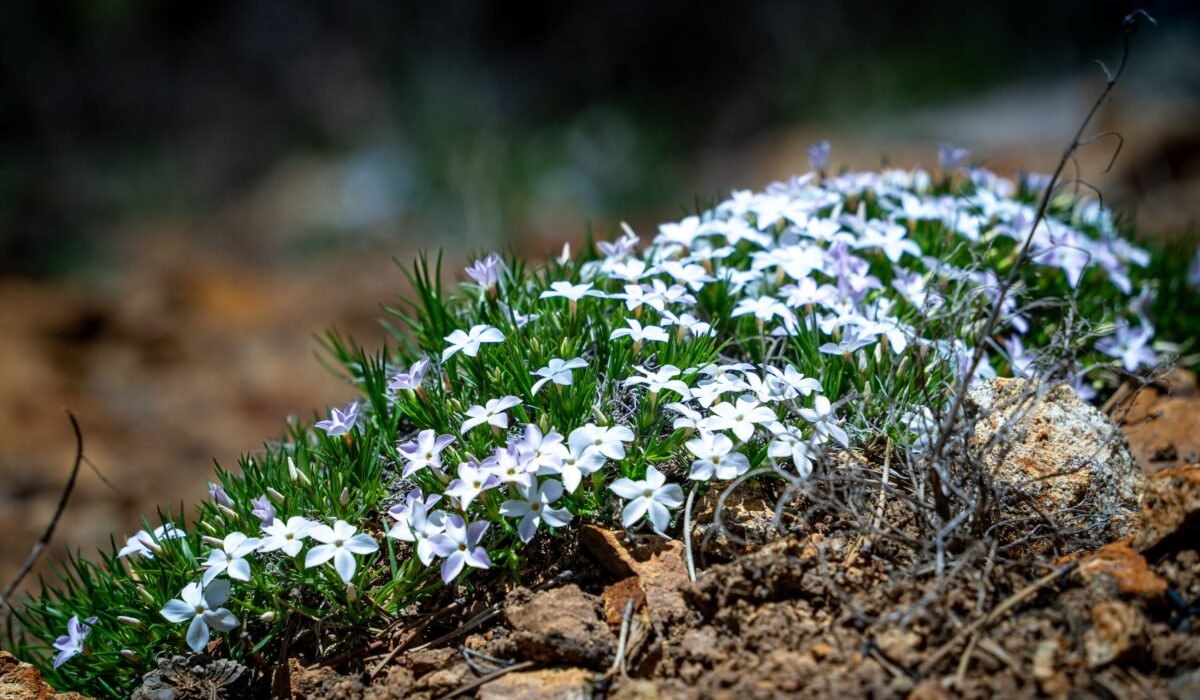
When **Designing Alpine Rock Gardens 2026**, think about varied textures, heights, and bloom times to ensure continuous interest. Consider groundcovers like *Phlox subulata* (Creeping Phlox) and cushion-forming plants such as *Aubrieta* (Rock Cress).
Step 5: Plant Your Alpine Flowers
Once your rocks are placed and soil prepared, it’s time to plant. Carefully remove plants from their containers, gently tease out any circling roots, and place them in the pockets and crevices you’ve created.
Plant alpines firmly, ensuring the crown of the plant is at or slightly above soil level to prevent moisture accumulation around the stem, which can lead to rot, according to the Royal Horticultural Society (RHS). This is a critical step in **Designing Alpine Rock Gardens 2026**.
After planting, water thoroughly to settle the soil around the roots. Apply a thin layer of grit or small gravel as mulch around the base of the plants; this helps suppress weeds, reflects light, and keeps foliage dry, further enhancing drainage and preventing fungal issues.
Step 6: Establish a Watering & Care Routine
While alpine plants are generally drought-tolerant once established, they require regular watering during their initial establishment period. Water deeply but infrequently, allowing the soil to dry out between waterings.
Once established, supplemental watering is usually only needed during prolonged dry spells, especially in hotter summers. This approach supports water conservation gardening principles. **Designing Alpine Rock Gardens 2026** with low-maintenance in mind means minimizing the need for constant intervention.
Regular weeding is important to prevent competition, particularly in the early stages. Deadhead spent flowers to encourage further blooms and maintain a tidy appearance. In my 10 years of experience, a little consistent attention goes a long way in preserving the beauty of these gardens.
Preparing the Perfect Soil for Your Alpine Rock Garden
Preparing the perfect soil for your alpine rock garden is paramount, as alpine plants demand exceptionally sharp drainage and a lean, gritty substrate to mimic their native mountain environments. This specialized soil mix prevents root rot and provides essential aeration, which is critical for their survival.
“Almost all rock garden plants enjoy sharp drainage, and hate to sit in soggy soils,” highlights landscape designer Dan Bristow, emphasizing the absolute necessity of well-draining soil. This fundamental principle underpins successful **Designing Alpine Rock Gardens 2026**.
The ideal soil mix for alpine plants typically comprises three main components: a good quality loam or topsoil, coarse grit, and a small amount of organic matter. The exact ratios can vary slightly, but the emphasis is always on drainage.
A common and highly effective recipe for alpine soil is a 1:1:1 ratio of horticultural grit, sharp sand, and loam. This blend ensures rapid water percolation away from delicate root systems.
For larger rock garden construction, you might need to amend significant volumes of existing soil. If your native soil is heavy clay, integrating a substantial amount of coarse sand or grit (up to 50% of the volume) is crucial to break it up and improve its structure. This is essential for **Designing Alpine Rock Gardens 2026** that will last.
- Horticultural Grit: This is a key component, providing the necessary porosity and drainage. Avoid builders’ sand, which can compact.
- Loam/Topsoil: A good quality, weed-free loam provides essential nutrients and structure without being too heavy.
- Organic Matter: A small amount of well-rotted compost or leaf mold improves soil texture and microbial activity, but too much can retain excessive moisture.
- Optional Additions: Some gardeners incorporate crushed limestone or granite chips, depending on the pH preference of specific alpine plants, particularly when **Designing Alpine Rock Gardens 2026** for acid-loving or calcicole species.
In practice, when I’m working on a new rockery, I always test the drainage by pouring a bucket of water onto the prepared soil. If it drains away almost immediately, you’ve hit the right consistency. If it puddles, more grit is needed. This hands-on approach is vital for successful alpine plant care.
What are the Best Alpine Plants for a Rock Garden?
The best alpine plants for a rock garden are those that thrive in sharp drainage, full sun, and lean soils, offering a stunning array of textures, forms, and bloom colors throughout the growing season. These resilient species are perfectly adapted to the challenging conditions of a rockery, making them ideal for **Designing Alpine Rock Gardens 2026**.
Many of these plants are also excellent drought tolerant rock garden plants, requiring minimal water once established, a key consideration for sustainable gardening, according to Nature Hills Nursery.
Here are some top recommendations for your alpine garden ideas:
| Plant Name | Key Characteristics | Bloom Time | Ideal for |
|---|---|---|---|
| Dianthus (Pink) | Fragrant, single or double flowers; low-growing mats | Spring to Summer | Pollinator attraction, crevices, borders |
| Saxifraga | Diverse forms, from cushion-forming to rosettes; vibrant flowers | Spring | Crevice garden, shaded pockets, damp areas |
| Sedum (Stonecrop) | Succulent foliage; star-shaped flowers; extremely drought-tolerant | Summer to Autumn | Full sun, dry spots, groundcover |
| Sempervivum (Hens & Chicks) | Architectural rosettes; easy to grow; propagates readily | Summer | Sunny walls, containers, dry spots |
| Phlox subulata (Creeping Phlox) | Dense, spreading mats of vibrant flowers; excellent groundcover | Early Spring | Slopes, cascading over rocks |
| Aubrieta (Rock Cress) | Purple, pink, or blue flowers; vigorous mat-forming | Early Spring | Cascading over walls, rock faces |
| Helianthemum (Rock Rose) | Bright, cheerful flowers; evergreen foliage; sun-loving | Late Spring to Summer | Full sun, hot spots |
| Campanula (Bellflower) | Blue, purple, or white bell-shaped flowers; some alpine varieties | Summer | Pockets, edges, partial shade options |
For those **Designing Alpine Rock Gardens 2026** in shadier spots, Daniel from The Patient Gardener notes that while “rockeries are typically made up of sun-loving alpine plants,” shade-tolerant options like *Campanula Lactiflora* and *Campanula Portenschlagiana* can create flower-filled rockeries. This expands the possibilities for alpine garden design for small spaces with less sun.
When selecting plants, always check their mature size to avoid overcrowding, which can hinder air circulation and lead to disease. Proper spacing is vital for the long-term health of your alpine garden.
Consider the textures of foliage as well. The silvery leaves of some *Dianthus* or the intricate rosettes of *Saxifraga* offer year-round visual interest even when not in bloom. This thoughtful selection is key to achieving seasonal interest in your rock garden.
Designing for Drought Resilience and Water Conservation in 2026
Designing for drought resilience and water conservation in 2026 is a critical aspect of modern alpine rock garden creation, ensuring your garden thrives with minimal water input, especially in increasingly unpredictable climates. This approach not only conserves precious resources but also aligns perfectly with the natural adaptations of alpine plants, making them inherently low maintenance rock garden choices.
With 63.6% of respondents planning to expand their gardens in 2026, according to Scotts Miracle-Gro and Wakefield research, integrating water-wise practices into **Designing Alpine Rock Gardens 2026** is more relevant than ever.
The inherent design of an alpine rock garden, with its gritty soil and elevated structure, already promotes excellent drainage, which is a cornerstone of drought resilience. However, you can further enhance this by strategic plant selection and innovative design elements.
- Choose Native & Adapted Plants: Prioritize plants explicitly labeled as drought-tolerant rock garden plants. Many true alpines are naturally adapted to arid conditions once established, such as *Sedum*, *Sempervivum*, and certain *Thymus* varieties.
- Deep Watering Techniques: When you do water, water deeply to encourage roots to grow further down into the soil, making them less susceptible to surface drying.
- Mulching with Grit: A layer of coarse grit or small gravel applied around plants acts as a mulch, reducing evaporation from the soil surface and keeping plant crowns dry.
- Thermal Mass of Rocks: Larger rocks can absorb solar radiation during the day and slowly release it at night, moderating soil temperatures and reducing moisture loss.
- Integrated Mini-Rain Gardens: For larger rockeries, design subtle depressions or channels that direct rainwater towards specific planting pockets, effectively creating mini-rain gardens within the structure.
Incorporating crevice garden techniques can also enhance drought resilience by providing deep, narrow pockets where roots can penetrate deeply, accessing cooler, more consistent moisture far below the surface.
Consider the angle and orientation of your rock garden. A slight slope can encourage water runoff, but careful placement of rocks can create natural basins that direct water to plant roots. This thoughtful approach to **Designing Alpine Rock Gardens 2026** ensures sustainability.
For more general strategies on water conservation, you might find valuable insights in guides like “How to Water Indoor Plants: Ultimate 2026 Guide” which discusses principles of efficient watering that can be adapted to outdoor settings. This holistic approach to water management is vital.
Achieving Year-Round Beauty: Seasonal Interest & Succession Planting
Achieving year-round beauty in your alpine rock garden requires thoughtful planning for seasonal interest and implementing succession planting to ensure continuous blooms and visual appeal. This goes beyond simply incorporating evergreens; it involves a strategic selection of plants that perform at different times of the year, vital for **Designing Alpine Rock Gardens 2026** that always look vibrant.
A well-designed alpine garden should offer something captivating in every season, from early spring bulbs to late autumn foliage and winter structure, according to the Royal Horticultural Society (RHS).
The key insight here is to layer your planting. Think about early bloomers, mid-season stars, and late-season performers. This creates a dynamic display that evolves with the year.
- Early Spring (February-April): Start with tiny bulbs like *Crocus tommasinianus* or miniature *Narcissus*, alongside early-flowering alpines such as *Pulsatilla vulgaris* (Pasque Flower) and *Draba*. These provide the first burst of color.
- Late Spring to Early Summer (May-June): This is often the peak season for many alpines. *Aubrieta*, *Phlox subulata*, *Dianthus*, and many *Saxifraga* varieties will be in full bloom, creating a carpet of color.
- Mid-Summer (July-August): As some early bloomers fade, *Sedum* varieties, *Helianthemum*, and various *Campanula* species take center stage. Consider alpine varieties of *Geranium* for their extended bloom period.
- Late Summer to Autumn (September-November): Some *Sedum* will continue to flower, and *Armeria maritima* (Sea Thrift) can offer a second flush. Focus on plants with interesting foliage or seed heads, such as *Sempervivum* rosettes, which provide architectural interest.
- Winter (December-January): While blooms are scarce, the structure of your rocks, the evergreen foliage of certain conifers or heathers, and the rosettes of *Sempervivum* and some *Saxifraga* maintain visual appeal.
To ensure continuous appeal, intersperse evergreen alpine plants among deciduous ones. These provide essential structure and color during the dormant seasons, preventing the garden from looking bare.
When **Designing Alpine Rock Gardens 2026**, don’t just focus on flowers. Consider plants with interesting foliage textures, colors, or growth habits, like the silvery leaves of some *Dianthus* or the intricate patterns of *Sempervivum* rosettes. This creates a rich tapestry of interest even without blooms.
Essential Care & Pest Management for Alpine Plants
Essential care and pest management for alpine plants focus on maintaining their specific environmental needs and proactively addressing common issues to ensure a healthy, thriving rock garden. Given their adaptations to harsh mountain conditions, alpine plants generally require less intervention than many garden plants, but specific attention to drainage, ventilation, and targeted pest control is vital for **Designing Alpine Rock Gardens 2026**.
Alex Hankey, Alpine Team Leader at RHS Garden Wisley, emphasizes the critical role of a “well-ventilated area to limit fungal infections,” highlighting that proper air circulation is a key preventative measure.
The primary care tasks involve occasional weeding, deadheading, and ensuring optimal drainage. Overwatering is often a bigger threat to alpine plants than under-watering, as it can quickly lead to root rot.
- Weeding: Regular, gentle weeding is crucial, especially when plants are young, to prevent competition for resources. Weeds can also trap moisture, increasing the risk of fungal diseases.
- Deadheading: Removing spent flowers encourages further blooming and prevents plants from expending energy on seed production, directing it instead to stronger growth.
- Top-dressing: Annually or biennially, apply a thin layer of fresh grit or a gritty compost mix around the base of plants. This replenishes nutrients, maintains drainage, and keeps foliage clean and dry.
- Pruning: Minimal pruning is usually required. Remove any dead or diseased foliage to maintain plant health and appearance. Some spreading plants may benefit from light trimming to control their size.
Good air circulation is paramount for alpine plants, as stagnant, humid conditions can quickly lead to fungal diseases like botrytis. Ensure plants are not overcrowded and prune as needed to improve airflow.
When it comes to pest management for alpine plants, prevention is usually the best approach. Healthy plants in ideal conditions are more resistant to pests and diseases. Common issues include:
* Slugs and Snails: These can be a problem, especially in damp conditions. Use grit as mulch, which deters them, or organic slug pellets.
* Aphids: Less common on many alpines due to their tough foliage, but can appear on new growth. A strong spray of water or an insecticidal soap can manage outbreaks.
* Vine Weevil: Larvae can damage roots. Check pots before planting and consider biological controls if infestations are severe.
* Fungal Diseases: Primarily an issue with poor drainage or ventilation. Ensure gritty soil and good airflow. Remove affected plant parts immediately.
For broader organic pest control strategies that can be adapted for your rock garden, resources like “DIY Organic Pest Control: Ultimate Guide 2026” can provide valuable insights. Maintaining vigilance and addressing issues early is key to successful **Designing Alpine Rock Gardens 2026**.
How Much Does it Cost to Build an Alpine Rock Garden?
The cost to build an alpine rock garden can vary significantly, ranging from under $100 for a small container setup to over $2,000 for a large, professionally designed landscape feature, depending on its size, complexity, and the materials chosen. This financial variability is an important consideration when **Designing Alpine Rock Gardens 2026**.
While 49.5% of gardeners spent more money gardening in 2025, an 11.5% increase from 2024, budgeting remains a crucial step for any gardening project, according to Scotts Miracle-Gro and Wakefield research.
The main cost drivers for an alpine rock garden are rocks, soil amendments, and plants. Labor costs would be an additional factor if you hire professionals like The Garden Co. for design and construction.
| Item | Estimated Cost Range (DIY) | Notes |
|---|---|---|
| Rocks | $50 – $1000+ | Dependent on type (local vs. specialty), size, and quantity. Free if sourced locally. |
| Soil Amendments (Grit, Loam, Compost) | $30 – $300+ | Cost depends on volume needed; bulk purchases are cheaper. |
| Alpine Plants | $50 – $500+ | Individual plants typically $5-$20 each; depends on quantity and rarity
Related PostsLATEST Post
Terrace gardening: 7 proven space-saving ideasPublished On: July 22, 2026
Fertilize indoor plants: 7 proven ways for healthy growthPublished On: July 22, 2026
Herb companion plants: 7 proven pairings for growthPublished On: July 22, 2026
Flower gardening: 5 simple tips for stunning displaysPublished On: July 22, 2026
Balcony gardening: 7 easy ways to attract pollinatorsPublished On: July 22, 2026
Vertical garden mistakes: 10 critical errors to avoidPublished On: July 21, 2026
Yellowing plant leaves: 10 fast fixes for healthy plantsPublished On: July 21, 2026
Attract beneficial insects: 12 simple ways for your gardenPublished On: July 21, 2026
|