Key Takeaways
- Overwatering is the leading cause of indoor plant death, according to university extension programs and horticulturalists (2026).
- Root rot can develop in as little as 24 to 48 hours in waterlogged soil, as reported by Posie Pots (2026).
- A plant with a firm stem or viable roots, even without leaves, often still possesses the ability to recover, according to The Sill (2025).
- The global indoor plant market was valued at approximately $21 billion in 2025, according to Terrarium Tribe (2026).
- 41% of Gen Z identify as plant collectors rather than casual owners, reflecting growing engagement with houseplants, per the GMG 2026 Garden Trends Report (2025).
It’s disheartening to see your beloved houseplants struggling, but knowing how to revive dying indoor plants 2026 can turn despair into success. As an expert gardener with over a decade of experience, I know that most “dying” plants are simply sending out distress signals, and with the right care, they can make a full recovery. This comprehensive guide will equip you with the knowledge and actionable steps needed to bring your green companions back to life.
Quick Answer: To revive a dying indoor plant, first diagnose the issue—most often overwatering, underwatering, or improper light. Adjust watering based on soil moisture, move to appropriate light, prune dead foliage, and consider repotting with fresh, well-draining soil to encourage recovery.
How Do You Know if Your Indoor Plant Can Be Revived in 2026?
You can determine if your indoor plant is revivable by carefully inspecting its stems, roots, and overall structure, even if the leaves look completely gone. The key indicator is the presence of any living tissue; if the stem is firm and green when scraped, or if roots are still pale and pliable, there’s a strong chance you can apply strategies for how to revive dying indoor plants 2026. Chris from The Sill notes that “If it’s brown or looks dead, it probably is dead. But some woody plants, like the rubber tree and the fiddle-leaf fig, can recover even if they’ve died back to the stalk” (cited in Gardenista, 2025).
Most plants possess a remarkable will to survive. Even when a plant appears to be at its last gasp, a healthy root system or a dormant bud can signal potential for recovery. This resilience is why understanding how to revive dying indoor plants 2026 is so rewarding.

Here are crucial signs to look for when assessing early plant dying signs:
- Stem Firmness: Gently bend a stem. If it snaps easily and is dry inside, it’s likely dead. If it’s still somewhat pliable or you see green when you lightly scratch the surface with your fingernail, there’s hope.
- Root Health: Carefully unpot the plant and examine the roots. Healthy roots are typically white or tan, firm, and smell earthy. Black, mushy, or foul-smelling roots indicate root rot, a serious but often treatable condition.
- New Growth Potential: Look for tiny green buds along the stem or at the base of the plant. These are clear indicators of life and a strong signal that you can learn how to revive dying indoor plants 2026.
Even if your plant has lost most of its leaves, it could still have a robust root system ready to bounce back. The global indoor plant market was valued at approximately $21 billion in 2025, according to Terrarium Tribe (2026), highlighting the widespread value and emotional attachment people have to their plants, making revival efforts worthwhile.
What Are the Top Reasons Your Indoor Plant is Dying?
The top reasons your indoor plant is dying typically stem from improper environmental conditions, with overwatering being the most frequent culprit. Understanding these common houseplant problems is the first step in knowing how to revive dying indoor plants 2026 effectively. University extension programs and horticulturalists consistently report that overwatering, not underwatering, is the leading cause of indoor plant death (2026).
Many plant owners mistakenly believe more water is always better, but this often leads to suffocated roots and root rot signs. Root rot can develop in as little as 24 to 48 hours in waterlogged soil, according to Posie Pots (2026). This rapid onset emphasizes the importance of proper watering techniques.

Here’s a breakdown of the primary issues causing houseplants to decline:
- Overwatering: This is the number one killer. Excess water deprives roots of oxygen, leading to suffocation and fungal diseases like root rot. Symptoms include yellowing leaves, wilting, and a foul smell from the soil.
- Underwatering: While less common than overwatering, extreme dryness can also be fatal. The plant will appear droopy, leaves may become crispy or brittle, and the soil will pull away from the pot edges.
- Inadequate Light Conditions Plants: Too much or too little light can stress a plant. Low light causes leggy growth and pale leaves, while too much direct sun can scorch foliage.
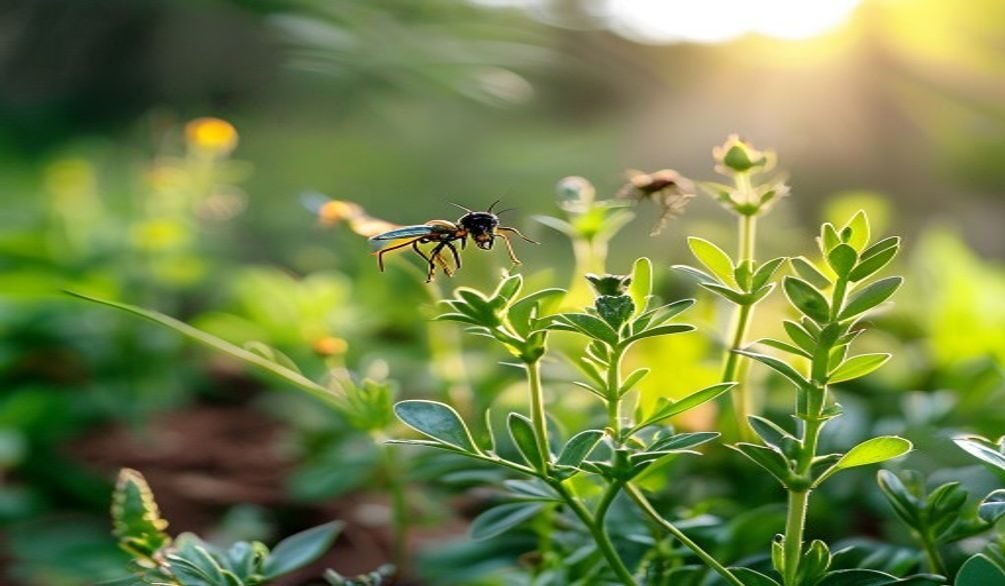
- Pest Infestations: Tiny insects like spider mites, mealybugs, and aphids can sap a plant’s vitality, leading to yellowing leaves, stunted growth, and sticky residue. Effective pest control indoor plants strategies are crucial.
- Nutrient Deficiencies: Over time, potting soil can become depleted of essential nutrients. This often manifests as discolored leaves, slow growth, or weak stems.
- Poor Drainage: Pots without drainage holes or heavy, compacted soil can trap water, mimicking overwatering conditions. Using a well-draining mix like those from Rosy Soil can prevent this.
- Temperature Extremes & Humidity: Sudden temperature drops, drafts, or extremely dry air (especially for tropical plants) can shock and damage foliage.
Identifying the specific stressor is paramount to learning how to revive dying indoor plants 2026 and implementing the correct plant revival methods. What most people miss is that often it’s a combination of these factors that truly pushes a plant to the brink.
Expert Diagnosis: Pinpointing Specific Symptoms & Solutions
To effectively save your plant, you must accurately diagnose its specific symptoms, as similar appearances can indicate vastly different problems. A precise diagnosis is the cornerstone of knowing how to revive dying indoor plants 2026 successfully, allowing you to apply targeted plant care tips. For instance, yellowing leaves can signal both overwatering and underwatering, requiring careful observation to distinguish.
In my 10 years of experience, I’ve seen that misdiagnosis is a common pitfall. Many gardeners assume a thirsty plant when it’s actually drowning. Understanding the subtle differences in symptoms is critical for effective emergency plant care tips.

Here’s a diagnostic guide for common houseplant problems:
| Symptom | Likely Cause | Distinguishing Signs | Initial Solution for How to revive dying indoor plants 2026 |
|---|---|---|---|
| Yellowing Leaves | Overwatering / Underwatering / Nutrient Deficiency | Overwatering: Soft, mushy stems; lower leaves yellow first; soil stays wet. Underwatering: Crispy edges; leaves may curl; soil is bone dry. Nutrient: Yellowing between veins; overall pale. |
Check soil moisture with a Leon & George moisture meter. Adjust watering. Consider a balanced liquid fertilizer. |
| Wilting / Drooping | Overwatering / Underwatering / Root Rot | Overwatering: Soil is wet; leaves feel soft. Underwatering: Soil is dry; leaves may feel crispy. Root Rot: Foul smell from soil; black, mushy roots when unpotted. |
For underwatering, soak thoroughly. For overwatering/root rot, unpot, trim affected roots, repot in fresh, dry Rosy Soil. |
| Brown, Crispy Edges | Underwatering / Low Humidity / Chemical Burn | Underwatering: Dry soil; entire leaf may become brittle. Low Humidity: Often affects tropical plants; edges brown but center is green. Chemical Burn: Often from too much fertilizer. |
Increase watering frequency. Mist plants or use a pebble tray. Flush soil with plain water. |
| Stunted Growth / Small Leaves | Insufficient Light / Nutrient Deficiency / Pot-bound | Light: Leggy stems, reaching for light. Nutrient: Overall weak appearance. Pot-bound: Roots circling pot; water drains quickly. |
Move to brighter spot. Fertilize. Repot into a slightly larger pot with fresh Rosy Soil. |
| Sticky Residue / Tiny Spots | Pest Infestation (Spider Mites, Mealybugs, Aphids) | Visible insects; webbing; tiny bumps; distorted new growth. | Isolate plant. Treat with insecticidal soap or Arber organic insecticide. |
A soil moisture meter from brands like Leon & George is an invaluable tool for accurately assessing soil conditions, preventing both overwatering and underwatering. This small investment can significantly improve your success rate for how to revive dying indoor plants 2026.
Step-by-Step Guide: How to Revive Dying Indoor Plants in 2026
Learning how to revive dying indoor plants in 2026 is a systematic process that begins with careful observation and follows with targeted actions. Each step is designed to address the most common stressors and give your plant the best chance at recovery, much like an emergency room for your green friends. This structured approach ensures you tackle the problems in the right order.
Success stories, like a nearly dead mint plant returning to full glory or a tiny snake plant offshoot thriving, show the power of patient, methodical plant care. Here’s your step-by-step guide for how to revive dying indoor plants 2026.

Step 1: Diagnose the Problem Accurately
The first action is to identify the root cause of the plant’s distress. This step is critical because applying the wrong solution can worsen the situation. Examine leaves, stems, soil, and roots using the diagnostic table above.
Step 2: Adjust Watering Schedule
Correcting watering habits is often the most impactful step for how to revive dying indoor plants 2026. Overwatering is the leading cause of indoor plant death, according to university extension programs (2026), so ensure the soil dries out between waterings.
* For Overwatered Plants: Immediately stop watering. If the soil is waterlogged, gently unpot the plant, remove as much wet soil as possible, and allow the root ball to air dry for a few hours. Repot into fresh, well-draining Rosy Soil in a pot with good drainage.
* For Underwatered Plants: Give the plant a thorough soak. Place the pot in a sink or basin filled with a few inches of water and let it absorb moisture from the bottom up for 30-60 minutes, or until the topsoil feels damp.
Step 3: Optimize Light Conditions
Moving your plant to the correct light conditions plants will significantly reduce stress. Incorrect light can lead to leggy houseplant growth or scorched leaves.
* Insufficient Light: Relocate the plant to a brighter spot, perhaps closer to a window or under a grow light. Ensure it receives its preferred light intensity.
* Excessive Light: Move the plant away from direct, harsh sunlight, especially during the hottest parts of the day. A sheer curtain can diffuse intense light.
Step 4: Prune Damaged Foliage
Pruning dead or severely damaged leaves and stems helps the plant conserve energy and directs it towards new growth. This is a crucial part of plant revival methods and prevents the spread of disease. Use clean, sharp Fiskars pruning shears for precise cuts. For guidance on proper techniques, refer to our article on Pruning Basics for Beginners: Simple Guide 2026.
Step 5: Check for Pests & Treat
Pest control indoor plants is vital, as infestations can rapidly weaken a struggling plant. Inspect leaves, stems, and undersides of leaves for any signs of insects.
* Mild Infestation: Wipe leaves with a damp cloth or cotton swab dipped in rubbing alcohol.
* Moderate to Severe: Spray the plant with insecticidal soap or an organic insecticide from brands like Arber. Repeat treatment as directed to break the pest life cycle. Isolate affected plants to prevent spread.
Step 6: Repot if Necessary
Repotting can provide a fresh start, especially for plants suffering from root rot or nutrient depletion. This helps answer how to revive dying indoor plants 2026 when the soil itself is the problem.
* Root Rot: After removing affected roots (see Advanced Techniques), repot into fresh, sterile, well-draining Rosy Soil.
* Pot-bound: If roots are circling the pot, move to a pot that is one size larger, ensuring good drainage.
Step 7: Provide Ongoing Care
Once initial interventions are made, consistent, appropriate care is essential for sustained recovery. This includes a stable environment and a consistent plant care routine 2026.
* Humidity: For tropical plants, increase humidity with a pebble tray or humidifier.
* Fertilizer: Once the plant shows signs of recovery, provide a diluted, balanced liquid fertilizer. Avoid over-fertilizing a stressed plant.
Step 8: Monitor for Recovery
Patience is key. Observe your plant daily for new growth, improved leaf color, and overall vigor. Recovery can take weeks or even months, but consistent monitoring will help you understand how to revive dying indoor plants 2026 over the long term.
Advanced Revival Techniques for Stubborn Cases & Finicky Plants
When standard care isn’t enough, or you’re dealing with particularly sensitive species, advanced revival techniques can offer a lifeline for how to revive dying indoor plants 2026. These methods delve deeper into the plant’s physiology and environmental needs, especially for finicky plants known for dramatic responses to stress. For example, some plants, like Alocasia, require very specific humidity levels to thrive.
The key insight here is that some plants, like the popular Fiddle Leaf Fig, have very specific preferences that, if not met, can quickly lead to decline. Hilton Carter, a renowned plant expert, emphasizes the importance of understanding each plant’s unique needs, stating, “The process of watering my plants is a zen, centering experience for me, and a stylish watering can just adds to the serenity” (2026). This holistic approach contributes to successful plant revival methods.

Here are some specialized approaches to consider:
- Root Pruning for Severe Root Rot: If root rot signs are extensive, unpot the plant, gently wash off all soil, and use sterilized Fiskars pruning shears to cut away all black, mushy, or foul-smelling roots. You might lose a significant portion of the root system, but removing diseased parts is crucial for saving the plant. Repot in fresh, sterile Rosy Soil.
- Hydrogen Peroxide Treatment: For fungal issues in the soil, a diluted hydrogen peroxide solution (1 part 3% hydrogen peroxide to 4 parts water) can be used to water the plant. This helps to oxygenate the soil and kill anaerobic bacteria and fungi, aiding in how to revive dying indoor plants 2026 when traditional methods fail.
- Humidity Domes/Bags: For plants suffering from extreme dehydration or stress (common with tropicals like Alocasia or Calathea), creating a high-humidity environment can be life-saving. Place the plant, pot and all, inside a clear plastic bag or under a cloche/humidity dome. Ensure some airflow to prevent mold.
- Bottom Watering with Nutrient Solution: For severely underwatered plant rescue, bottom watering ensures the entire root ball gets saturated evenly. Use a diluted nutrient solution (e.g., Arber organic plant food) in the water to provide a gentle boost as the plant absorbs moisture.
- Propagating from Healthy Cuttings: If the main plant seems beyond saving but has a few healthy stems or nodes, take cuttings. This is a last-resort but effective way to ensure the plant’s lineage continues. Pothos and Snake Plants are particularly easy to propagate this way. For more details, see our guide on Propagating Indoor Plants: Easy 2026 Guide.
- Consider Self-Watering Planters: Brands like Reencle promote self-watering planters as a key solution to prevent overwatering and underwatering, making them excellent tools for maintaining consistent moisture levels, especially for finicky plants.
These advanced techniques require a bit more attention and understanding but can be incredibly effective for how to revive dying indoor plants 2026 that are on the brink.
Preventative Care: Keeping Your Revived Plants Thriving Long-Term
Preventative care is paramount to ensuring your revived plants don’t relapse and continue to thrive long-term, moving beyond emergency plant care tips to sustainable growth. Once you’ve successfully learned how to revive dying indoor plants 2026, establishing a consistent and appropriate plant care routine 2026 is the next critical step. This proactive approach prevents the common houseplant problems that led to their decline in the first place.
The satisfaction of seeing a plant recover is immense, but the real victory lies in keeping it healthy. The GMG 2026 Garden Trends Report indicates that 41% of Gen Z identify as plant collectors rather than casual owners (2025), underscoring a growing commitment to long-term plant wellness.

Here are essential practices for sustained plant health:
- Understand Each Plant’s Needs: Research the specific light, water, humidity, and temperature requirements for each of your plants. Low-light tolerant species accounted for 46.05% of the indoor plants market share in 2025, according to Terrarium Tribe (2026), highlighting the importance of matching plants to your home’s conditions.
- Consistent Watering Routine: Develop a watering schedule based on your plant’s needs and the season, not just a calendar date. Use a soil moisture meter from Leon & George to check soil dryness before watering. For more on watering, see our Balcony Garden Watering Schedule 2026: Essential Guide.
- Appropriate Lighting: Ensure plants receive adequate, but not excessive, light. Rotate plants regularly to encourage even growth and prevent them from becoming leggy.
- Proper Potting Mix and Drainage: Always use a high-quality, well-draining potting mix, such as those offered by Rosy Soil. Ensure all pots have drainage holes to prevent waterlogging and root rot.
- Regular Fertilization: Feed your plants with a balanced, diluted fertilizer during their growing season (typically spring and summer). Arber offers OMRI-listed organic plant wellness products that are excellent for this.
- Pest and Disease Monitoring: Regularly inspect your plants for early plant dying signs, including pests or disease. Early detection makes treatment much easier.
- Environmental Stability: Avoid placing plants near drafts, heating vents, or air conditioners, which can cause sudden temperature fluctuations and dry air.
- Pruning for Health: Routinely remove any yellowing leaves or spent flowers to redirect energy to healthy growth. Use sharp, clean Fiskars pruning shears.
By implementing these preventative measures, you’ll not only preserve your revived plants but also become more confident in how to revive dying indoor plants 2026, should future issues arise.
Can a Plant with No Leaves Still Be Saved?
Yes, a plant with no leaves can often still be saved, especially if its stem or root system shows signs of life. The absence of foliage is a drastic symptom, usually indicating severe stress from issues like extreme underwatering, overwatering, or sudden environmental shock, but it doesn’t always mean the end. Many resilient plant varieties, such as ZZ Plants, Snake Plants, and even woody plants like Fiddle Leaf Figs, have a remarkable capacity for recovery even after dropping all their leaves.
Anecdotal revival successes highlight this resilience. Reddit users have shared stories of “dead” plants, including a forgotten mint or a tiny snake plant offshoot, miraculously sprouting new growth after consistent care. Stacy Ling also recounts successfully reviving severely underwatered dracaena and overwatered parlor palm office plants by providing fresh soil, corrected watering, and proper light. The core principle for how to revive dying indoor plants 2026 in this state is to focus on the unseen parts: the roots and the dormant buds.

Here’s how to assess and attempt to save a leafless plant:
- Perform the Scratch Test: Gently scratch the stem with your fingernail. If you see green underneath, the plant is still alive. If it’s brown and dry, that section is dead, but keep moving down the stem towards the soil.
- Inspect the Roots: Carefully unpot the plant. Healthy roots will be firm and pale, while dead ones will be black and mushy (overwatering) or brittle and shriveled (underwatering). Trim away any dead roots with sterilized Fiskars pruning shears.
- Repot in Fresh Soil: If roots are healthy, repot the plant in fresh, well-draining Rosy Soil. This provides a clean slate and essential nutrients for potential new growth.
- Provide Ideal Conditions: Place the plant in a spot with its preferred light conditions, avoiding direct, harsh sun. Maintain consistent, but not excessive, moisture. Consider a humidity dome if it’s a tropical plant.
- Patience and Monitoring: Recovery will be slow. New growth will likely emerge from dormant buds on the stem or from the soil line. Continue to monitor for any signs of life. This is a true test of knowing how to revive dying indoor plants 2026 when they look truly hopeless.
Even a plant with no leaves still possesses the vital internal structures to initiate new growth, provided the stem and root system are not completely compromised.
Frequently Asked Questions
How do you revive a dying houseplant?
To revive a dying houseplant, first identify the underlying problem, which is often related to