Key Takeaways
- Dahlias remain the most popular flower for gardeners and florists in 2025, according to industry trends.
- Optimal dahlia planting occurs when soil temperatures reach 60°F (15°C) to prevent tuber rot, as advised by The Old Farmer’s Almanac (2026).
- Dahlias require at least 6 to 8 hours of direct sunlight daily for robust growth and abundant blooms, according to NC State University Extension (2023).
- Low-nitrogen fertilizers like 5-10-10 or 10-20-20 are recommended for vibrant dahlia blooms after sprouting.
- Collerette dahlia types are predicted to be a significant trend in 2026, offering unique aesthetic appeal.
For anyone passionate about their garden, understanding the nuances of Growing Vibrant Dahlias 2026 is essential for achieving breathtaking blooms this season. Many gardeners face challenges with less-than-vibrant flowers or struggle with consistent growth, but with the right expert care tips, you can transform your dahlia patch into a spectacular display. This comprehensive guide will equip you with proven strategies, from planting to overwintering, ensuring your dahlias flourish with unparalleled color and vitality.
Quick Answer: To grow vibrant dahlias in 2026, plant tubers in sunny, well-draining soil once it’s 60°F. Water consistently, use low-nitrogen fertilizer, pinch for bushiness, and stake. Proactive pest control and choosing resilient varieties ensure abundant, colorful blooms.
When Should You Plant Dahlias for 2026 Blooms?
You should plant dahlias for 2026 blooms after all danger of frost has passed and the soil temperature consistently reaches around 60°F (15°C). This specific soil temperature is crucial to prevent tuber rot, as highlighted by The Old Farmer’s Almanac (2026). In most regions, this typically means late spring, from April to June, depending on your local climate zone. Many gardeners begin starting dahlia tubers indoors in early spring to get a head start on the season.
Timing your dahlia planting correctly is the first step in Growing Vibrant Dahlias 2026. Early planting in cold, wet soil can lead to significant losses, diminishing your chances of a spectacular display. Waiting for the soil to warm naturally minimizes stress on the tubers.
In my 10 years of experience, I’ve found that even a week or two of patience can make a huge difference in tuber viability and overall plant vigor. For those eager to kickstart their season, starting dahlia tubers indoors in pots about 4-6 weeks before the last frost date is an excellent strategy for Growing Vibrant Dahlias 2026. This method allows the tubers to develop roots and sprouts in a controlled environment, giving them a head start once transplanted outside.
Step 1: Monitor Soil Temperature in Early 2026
The first thing to do is regularly check your garden’s soil temperature. This matters because planting too early in cold soil can cause tubers to rot before they even sprout. Aim for a consistent 60°F (15°C) at a depth of 4-6 inches.
You can use a soil thermometer to get an accurate reading, which is far more reliable than just guessing based on air temperature. For successful Growing Vibrant Dahlias 2026, precision in planting time is a non-negotiable factor.
Step 2: Consider Starting Dahlias Indoors for Early Blooms
Starting dahlia tubers indoors in late winter or early spring can give you a significant advantage, particularly for gardeners in cooler climates. This technique allows tubers to develop strong root systems and initial growth before facing outdoor conditions. Place tubers in pots filled with moist potting mix, ensuring the “eye” or sprout point faces upwards.
This method can shave weeks off the time to your first blooms, making it a popular choice for flower farmers like Floret Flower Farm, known for maximizing their cut flower dahlias production. Once the risk of frost has passed and soil conditions are right, these pre-sprouted plants will establish quickly, setting the stage for Growing Vibrant Dahlias 2026.
What Makes Dahlias Grow Better for Exceptional Vibrancy?
Dahlias grow better and achieve exceptional vibrancy through a combination of consistent sunlight, well-draining soil, appropriate fertilization, and diligent care. For optimal growth and bloom production, dahlias require at least 6 to 8 hours of direct sunlight daily, according to NC State University Extension (2023). This generous sun exposure fuels the photosynthesis needed for lush foliage and abundant, richly colored flowers.
What truly sets apart a good dahlia patch from an outstanding one for Growing Vibrant Dahlias 2026 is attention to detail in every growth stage. From my experience, neglecting any one aspect can lead to diminished returns, affecting both bloom size and color saturation. Proper soil preparation, including amending with organic matter, is foundational for developing a strong root system that supports vibrant top growth.
Step 1: Choose Your 2026 Dahlia Varieties Wisely
Selecting the right dahlia varieties is paramount for achieving exceptional vibrancy. This is important because some varieties are naturally more robust or have more intense colors than others, and some are better suited for specific climates or growing goals. For example, the City Lights Series Dahlias are known for their high-impact color and dark foliage, making them a striking choice for any garden.
Researching the best dahlia varieties 2026 for your specific region and aesthetic goals will pay dividends. Consider factors like mature size, bloom form, and disease resistance when making your selections for Growing Vibrant Dahlias 2026. Many catalogs, like Longfield Gardens, provide detailed descriptions to guide your choices.
Step 2: Prepare Your Garden Soil for Optimal Growth
Preparing your garden soil correctly is fundamental to supporting vigorous dahlia growth. This is vital because dahlias thrive in rich, well-draining soil that prevents waterlogging while retaining adequate moisture and nutrients. Amend heavy clay soils with compost, aged manure, or sand to improve drainage, while sandy soils benefit from organic matter to enhance water retention.
The ideal soil pH for dahlias is slightly acidic to neutral, between 6.5 and 7.0, according to Utah State University Extension (2023). A soil test can provide valuable insights into your garden’s composition, allowing you to make targeted amendments. This proactive approach to soil health is a secret to Growing Vibrant Dahlias 2026 that many overlook.
Step 3: Plant Dahlia Tubers Correctly
Planting dahlia tubers correctly ensures they establish strong roots and grow into healthy, productive plants. You should dig a hole approximately 6 inches deep and lay the tuber horizontally with the “eye” facing upwards, then cover with loose soil. Avoid burying the tuber too deeply, as this can hinder sprouting.
Space tubers according to the mature size of the variety you’ve chosen, typically 18-36 inches apart, to ensure adequate air circulation and prevent competition for resources. Proper initial planting is a critical step in the dahlia care calendar 2026, setting the stage for a season of beautiful blooms and a crucial part of Growing Vibrant Dahlias 2026.
Step 4: Water and Fertilize Regularly for Health
Consistent watering and appropriate fertilization are crucial for promoting healthy dahlia growth and vibrant blooms. Dahlias require deep watering, especially during dry spells, to encourage robust root development. Aim for about 1 inch of water per week, either from rainfall or irrigation.
Once plants are established and growing, reduce watering frequency slightly to avoid overly wet conditions, which can lead to fungal issues. For a detailed dahlia fertilizing schedule for vibrant blooms, a low-nitrogen formula is generally recommended after initial sprouting, which we will delve into further. This balanced approach to hydration and nutrition is key for Growing Vibrant Dahlias 2026.
How Do You Get Big, Abundant Dahlias in 2026?
You can get big, abundant dahlias in 2026 by systematically pinching plants, providing sturdy staking, and ensuring consistent deadheading throughout the blooming season. Pinching the central stem when the plant has 3-4 sets of leaves encourages lateral branching, leading to a bushier plant with more flowers, as recommended by experienced growers like Kristine Albrecht (2025). This technique is a cornerstone for maximizing bloom production.
The secret to Growing Vibrant Dahlias 2026 with impressive size and quantity lies in understanding the plant’s growth habits and intervening strategically. Without pinching, dahlias tend to grow tall and leggy with fewer, smaller blooms. Staking is equally important to support the increased flower load and prevent damage from wind or heavy rain.
Step 5: Pinch and Stake for Bushy Growth and Support
Pinching and staking are essential practices for encouraging bushier plants, increasing bloom count, and providing necessary structural support for your dahlias. Pinching involves removing the central growing tip of the plant when it reaches 8-12 inches tall with 3-4 sets of leaves, which diverts energy to side shoots. Staking, on the other hand, provides physical support to prevent tall, heavy stems from breaking.
For large varieties, install stakes at planting time to avoid damaging tubers later. Common supports include bamboo canes, metal stakes, or even the “Florida weave” method for rows of plants. These methods are critical for Growing Vibrant Dahlias 2026, ensuring your plants remain upright and productive. My own dahlia care calendar 2026 always includes a reminder for pinching around late spring.
Step 6: Deadhead Regularly for Continuous Blooms
Regular deadheading is crucial for promoting continuous blooming and maintaining the plant’s vigor throughout the season. This involves removing spent flowers by cutting the stem back to a leaf node or a developing bud. When you deadhead, you prevent the plant from putting energy into seed production, redirecting it instead towards creating more flowers.
This practice is especially important for cut flower dahlias, where consistent harvesting also functions as a form of deadheading, encouraging new growth and blooms. For Growing Vibrant Dahlias 2026, making deadheading a routine task will significantly extend your flowering season and improve the overall appearance of your plants. It’s a simple task that yields big results.
What is the Best Fertilizer for Growing Vibrant Dahlias?
The best fertilizer for growing vibrant dahlias is a low-nitrogen formula, such as 5-10-10 or 10-20-20, applied after the plants have sprouted and are actively growing. This type of fertilizer promotes strong root development and abundant flower production rather than excessive leafy growth, which high-nitrogen fertilizers would encourage. Primrose Garden Club (2025) specifically recommends using fish, blood, and bone powder as a slow-release option at planting time for a good start.
When considering your dahlia fertilizing schedule for vibrant blooms, it’s crucial to understand that their nutritional needs change throughout their growth cycle. Too much nitrogen at the wrong time can lead to lush green plants with few flowers, which is counterproductive to Growing Vibrant Dahlias 2026. Organic options like aged cow or steer manure, liquid fish emulsion, or seaweed are also excellent choices for a steady, balanced nutrient supply.
For those interested in organic methods for Growing Vibrant Dahlias 2026, a soil test is indispensable. Knowing your soil’s existing nutrient levels will prevent over-fertilization and allow you to tailor your amendments precisely. Organic fertilizers also improve soil structure over time, fostering a healthier overall growing environment.
Understanding Dahlia Nutrient Needs
Dahlias require a balanced diet of macro and micronutrients, with a particular emphasis on phosphorus and potassium for flowering. Phosphorus aids in root development and flower formation, while potassium is essential for overall plant health, disease resistance, and vibrant bloom color. Nitrogen, while needed for initial growth, should be minimized once foliage is established to prioritize flowers.
Think of it like a carefully calibrated fuel mix for a high-performance engine; the right balance is key for Growing Vibrant Dahlias 2026. Over-fertilizing, especially with high-nitrogen products, can lead to weak stems and susceptibility to pests, according to Longfield Gardens (2025). Always follow package instructions and consider diluting liquid fertilizers to avoid chemical burn.
Recommended Fertilization Schedule
A strategic dahlia fertilizing schedule for vibrant blooms begins at planting and continues through the active growing season. At planting, incorporate a slow-release, low-nitrogen fertilizer or aged compost into the soil. Once plants are about 12 inches tall, begin applying a balanced low-nitrogen liquid feed every 2-4 weeks, especially for container-grown dahlias.
Reduce or cease fertilization as the first frost approaches to encourage tuber hardening for overwintering dahlia tubers. This thoughtful schedule supports continuous blooming while preparing the plant for dormancy. This disciplined approach is a cornerstone of Growing Vibrant Dahlias 2026, ensuring consistent nutrient delivery without overfeeding.
Proactive Pest and Disease Management for 2026 Dahlias
Proactive pest and disease management for 2026 dahlias involves a multi-faceted approach focusing on prevention, early detection, and organic control methods to minimize chemical intervention. Implementing an integrated pest management (IPM) strategy from the outset is crucial for maintaining plant health, as emphasized by organic gardening expert Steve Edney (2025). This means regularly inspecting your plants and taking action before infestations become severe.
For Growing Vibrant Dahlias 2026, a healthy plant is your best defense against pests and diseases. Strong, well-nourished dahlias are naturally more resilient. My own dahlia pest control organic 2026 strategy includes fostering a biodiverse garden that attracts beneficial insects, which act as natural predators for common dahlia pests. This reduces reliance on chemical treatments that can harm the environment and non-target organisms.
Common Dahlia Pests and Organic Solutions
Common dahlia pests include slugs, snails, aphids, spider mites, thrips, and earwigs, all of which can damage foliage and blooms. For slugs and snails, hand-picking, beer traps, or organic ferric phosphate slug pellets are effective, as suggested by Steve Edney (2025). Aphids and spider mites can be controlled with strong blasts of water or insecticidal soaps and neem oil.
For caterpillars, Bacillus thuringiensis (Bt) is an organic and targeted solution. Physical barriers, such as organza bags for developing blooms or plastic cup collars around young plants, can deter cutworms and earwigs. Consistent monitoring is key to catching these issues early, preventing widespread damage and protecting your efforts in Growing Vibrant Dahlias 2026.
Preventative Disease Strategies for 2026
Preventative disease strategies for 2026 dahlias primarily focus on good cultural practices and sanitation. Ensure adequate air circulation between plants by proper spacing and pruning lower leaves, which helps prevent fungal diseases like powdery mildew. Always sterilize pruning tools between plants to avoid spreading viruses.
Planting in well-draining soil prevents root rot, a common issue in overly wet conditions. If you notice any signs of disease, promptly remove and discard affected plant parts to prevent further spread. For example, if you see powdery mildew, a common issue, check out our guide on Identify Treat Powdery Mildew 2026: Complete Guide. These measures are vital for safeguarding your investment in Growing Vibrant Dahlias 2026.
Overwintering Dahlia Tubers: A 2026 Guide
Overwintering dahlia tubers is a critical practice for preserving your favorite varieties and ensuring a bountiful display in subsequent years, especially in regions with cold winters. This process involves carefully digging up, cleaning, and storing tubers in a cool, dark, and dry environment to prevent rot and desiccation. According to Longfield Gardens (2025), proper storage can ensure tubers remain viable for re-planting the following spring.
Many gardeners consider overwintering dahlia tubers an essential part of the dahlia care calendar 2026, saving money and allowing them to propagate their prized plants. The success of Growing Vibrant Dahlias 2026 can extend well beyond a single season with proper care. I’ve personally had tubers last for several years using these methods.
Step 7: Harvest Blooms and Overwinter Tubers
Harvesting dahlia blooms regularly not only provides beautiful cut flowers but also encourages the plant to produce more. To harvest, cut stems cleanly with sharp pruners, ensuring at least two sets of leaves remain on the plant to encourage new growth. For overwintering, wait until after the first hard frost has blackened the foliage.
This light frost signals the plant to send its energy back into the tubers, preparing them for dormancy. Carefully dig up the entire clump, gently remove excess soil, and allow the tubers to air dry for a few days in a cool, protected area. This crucial step ensures your continued success with Growing Vibrant Dahlias 2026 next season.
| Overwintering Method | Description | Pros | Cons |
|---|---|---|---|
| Dry Storage (Peat Moss/Sawdust) | Tubers packed in slightly damp peat moss, vermiculite, or sawdust in breathable containers. | Widely used, good success rate, prevents dehydration. | Can be messy, requires monitoring for moisture. |
| Plastic Wrap/Cling Film | Clean, dry tubers individually wrapped in plastic film. | Minimal space, retains moisture well. | Risk of rot if tubers are not completely dry. |
| Paper Bag/Newspaper | Tubers stored in breathable paper bags or wrapped in newspaper. | Simple, good air circulation. | Risk of dehydration in very dry environments. |
| Leave in Ground (Mild Climates) | Tubers remain in the ground, covered with thick mulch. | No digging required, natural dormancy. | Only suitable for Zone 8+ or very mild microclimates. |
Regardless of the method chosen, consistent storage temperature (around 40-50°F or 4-10°C) and moderate humidity are key. Inspect tubers monthly for signs of rot or shriveling, addressing any issues promptly. This diligent approach is vital for ensuring your efforts in Growing Vibrant Dahlias 2026 extend into future years.
Top Dahlia Varieties for Your 2026 Garden
For your 2026 garden, the top dahlia varieties offer a blend of beauty, productivity, and resilience, catering to diverse aesthetic preferences and growing conditions. Dahlias continue to be recognized as the most popular flower among gardeners and florists in 2025, with demand for new varieties surging. Collerette dahlia types are predicted to be a significant trend in 2026, offering unique aesthetic appeal.
Choosing the best dahlia varieties 2026 is an exciting part of the gardening process, and with so many options, you can truly curate a unique display. Whether you’re aiming for show-stopping dinner plates or compact container varieties, there’s a dahlia for every need. My goal for Growing Vibrant Dahlias 2026 always includes trying a few new varieties alongside my proven favorites.
Recommended Dahlia Varieties for Exceptional Blooms
When selecting varieties for Growing Vibrant Dahlias 2026, consider both visual appeal and performance. ‘My Forever’ is a stunning waterlily type, while ‘Ferncliff Copper’ is renowned for its large, reliable blooms. For classic white, ‘Blizzard’ is incredibly productive. ‘Sugar Daddy’ offers charming mini ball golden-peach flowers, and ‘Terracotta’ is a dependable workhorse variety.
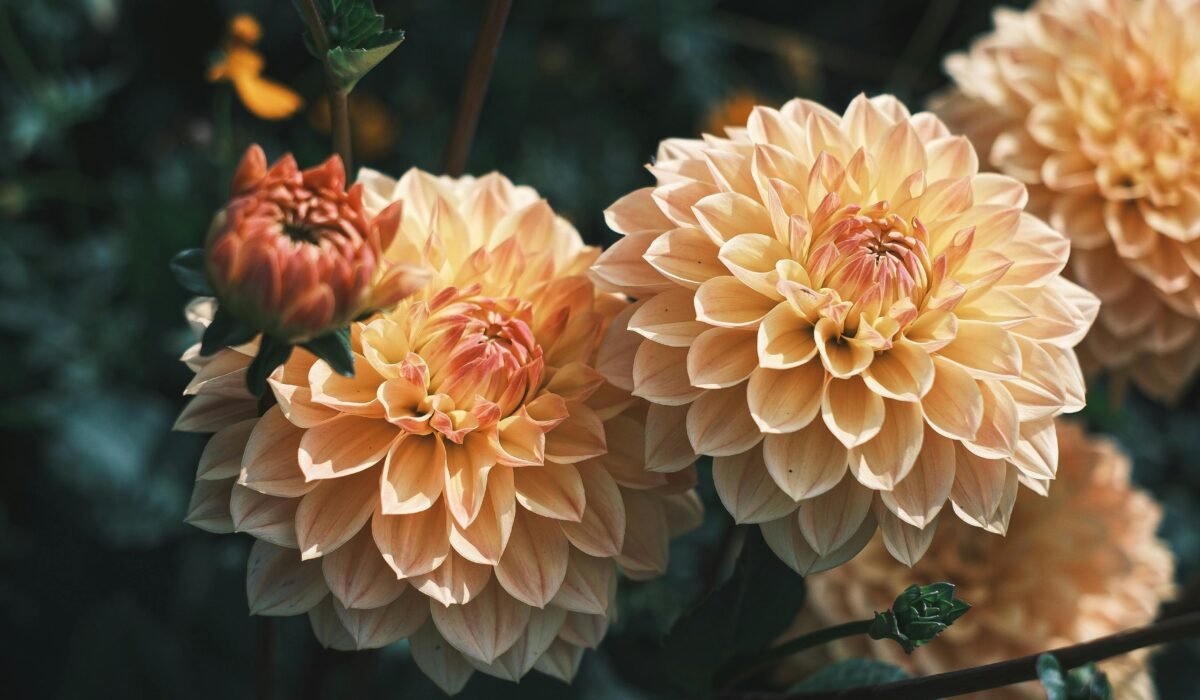
Kristine Albrecht’s ‘KA’s® Rosie Jo’ provides smokey raspberry hues, a favorite among collectors. The City Lights Series Dahlias are excellent for high-impact color with dark foliage, perfect for contrast. For smaller spaces, the Dahlietta Series offers compact options suitable for containers, ensuring everyone can enjoy Growing Vibrant Dahlias 2026.
- ‘Cafe au Lait Mini / Jolene’: A smaller, more manageable version of the classic ‘Cafe au Lait’, perfect for cutting gardens.
- ‘Rose Toscano’: A beautiful orange with rosey undertones, ideal for adding warmth to arrangements.
- ‘Summer Rain’: Features shaggy, textural blooms, adding unique interest to your garden.
- ‘Clearview Peachy’: A ball type dahlia known for its shifting peachy colors.
- ‘Linda’s Baby’: A soft pink/peach variety that is incredibly popular for its delicate beauty.
- ‘Cornel Bronze’: A reliable ball type in a rich bronze/orange, excellent for consistent production.
- ‘Valley Tawny’: Offers a beautiful peachy orange, great for blending in mixed borders.
- ‘Skipley Spot of Gold’: A unique lavender/pink with striking gold tips.
- Dalaya Series Dahlias: Elegant blends with lace-style petals, providing sophisticated charm.
These varieties have proven themselves reliable and visually stunning, making them excellent choices for anyone focused on Growing Vibrant Dahlias 2026. From my experience, incorporating a mix of forms and colors creates the most dynamic garden display.
Adapting Your Dahlia Care for 2026 Climate Challenges
Adapting your dahlia care for 2026 climate challenges is increasingly important as gardeners face more extreme weather patterns, including hotter summers and unpredictable rainfall. Dahlias are known to be sensitive to extreme weather, with temperatures above 85°F potentially causing stunted growth, reduced flowering, and increased susceptibility to pests and diseases, according to WVU Extension (2023). Proactive adjustments to watering, shading, and soil management are essential for resilience.
The global demand for dahlias is consistently growing, which is projected to lead to increased production volumes in key growing regions, but also highlights the need for climate-resilient growing practices. My focus for Growing Vibrant Dahlias 2026 includes strategies to mitigate the effects of heat and drought. Eileen Tongson, a farmer-florist in Orlando, Florida (Zone 9b), successfully grows dahlias in challenging hot climates by using raised beds and organic fertilization, demonstrating that adaptation is possible.
Step 8: Adapt for Climate Challenges
Adapting your dahlia care for climate challenges involves strategic planning and responsive adjustments to protect your plants. This is crucial because extreme heat, drought, or heavy rains can severely impact dahlia health and bloom quality. Consider creating microclimates within your garden using shade cloth during prolonged heatwaves or planting taller, heat-tolerant plants to provide natural afternoon shade.
For growing dahlias in hot climates tips, ensure consistent soil moisture through deep watering and mulching to conserve water. Mulch also helps regulate soil temperature, protecting roots from scorching heat. These adaptive measures are vital for ensuring your efforts in Growing Vibrant Dahlias 2026 are not undone by challenging weather. Using a Balcony Garden Watering Schedule 2026 can also provide insights into consistent hydration for containers.
Strategies for Heat and Drought Resistance
To enhance dahlias’ resistance to heat and drought, focus on soil health and efficient watering techniques. Incorporate ample organic matter into your soil to improve its water-holding capacity, reducing the frequency of irrigation. Drip irrigation or soaker hoses deliver water directly to the root zone, minimizing evaporation and ensuring deep penetration.
Selecting heat-tolerant varieties, though dahlias are generally sensitive, can also make a difference. Some growers find that certain single-petal or collarette types fare better in intense heat than large, dense dinner plate varieties. These strategies are key for successful Growing Vibrant Dahlias 2026 in increasingly warmer environments. Consistent watering is more effective than infrequent, heavy soaking during heatwaves.
Managing Increased Pest Pressure in Changing Climates
Changing climates can lead to increased pest pressure, requiring vigilant management to protect your dahlias. Warmer winters allow more pests to survive, potentially leading to earlier and more intense infestations. Regular scouting of your plants becomes even more critical for early detection.
Strengthen your dahlia pest control organic 2026 plan by encouraging beneficial insects through companion planting and minimizing broad-spectrum pesticides that harm natural predators. Maintaining plant vigor through proper feeding and watering also helps plants withstand pest attacks. This proactive stance is vital for Growing Vibrant Dahlias 2026, safeguarding your blooms from climate-driven pest surges.
Frequently Asked Questions
When is the best time to plant dahlia tubers in 2026?
The best time to plant dahlia tubers in 2026 is after all danger of frost has passed and the soil temperature reliably reaches 60°F (15°C). This optimal soil warmth prevents tuber rot and encourages healthy sprouting, according to The Old Farmer’s Almanac (2026). In most regions, this means late spring, typically from April to June.
What is the secret to growing dahlias with abundant blooms?
The secret to growing dahlias with abundant blooms lies in consistent pinching and diligent deadheading. Pinching the central stem when the plant is young promotes lateral branching and more flower stems, while deadheading spent blooms redirects energy into producing new flowers, as recommended by Floret Flower Farm (2025). This continuous cycle maximizes bloom production throughout the season.
How often should I fertilize my dahlias for vibrant color?
You should fertilize your dahlias every 2-4 weeks with a low-nitrogen fertilizer (e.g., 5-10-10) after they have sprouted and begun active growth. This specific nutrient ratio supports strong root development and vibrant bloom color without promoting excessive foliage, according to Longfield Gardens (2025).