Key Takeaways
- Over 40% of invertebrate pollinator species are facing global extinction, highlighting the urgent need for pollinator habitats, according to scientific studies (2025).
- Growing Herbs for Pollinators 2026 can significantly boost local biodiversity, as herbs appeal to a wide variety of bee species, states Francis Drummond (2025).
- Choosing native herb varieties for your region provides superior ecological benefits, supporting local pollinators more effectively, according to Pollinator Partnership (2026).
- Pollination services contribute over $235 billion annually to the global economy, making pollinator conservation an economic imperative (2025).
- Even small spaces, like balconies, can create valuable pollinator habitats, with “every square foot counts” for supporting beneficial insects, emphasizes Patrick Lindquist (2025).
Are you ready to transform your garden into a buzzing haven while enjoying fresh, aromatic herbs? This comprehensive guide on Growing Herbs for Pollinators 2026 will empower you to create a vibrant, resilient ecosystem that supports essential bees, butterflies, and other beneficial insects, all while providing you with a bountiful harvest. As an expert gardener with over 10 years of experience, I’ll share practical, step-by-step advice to help you succeed in Growing Herbs for Pollinators 2026, ensuring your efforts make a tangible difference.
Quick Answer: Many herbs attract pollinators, including Lavender, Borage, Anise Hyssop, Bee Balm, and Thyme. These provide vital nectar and pollen, supporting bees, butterflies, and other beneficial insects, especially when native varieties are chosen for continuous blooms. Thoughtful selection and organic practices are key to successfully Growing Herbs for Pollinators 2026.
What Herbs Are Best for Attracting Bees and Butterflies in 2026?
The best herbs for attracting bees and butterflies in 2026 are those that offer abundant nectar and pollen, feature diverse flower shapes, and provide continuous blooms throughout the growing season. Francis Drummond, a professor of insect ecology, states that “herbs appeal to a great variety of bee species” due to their accessible floral structures and rich food sources (2025). When you are focused on Growing Herbs for Pollinators 2026, selecting the right varieties is your first and most crucial step.
Many common culinary herbs double as excellent pollinator attractors, making Growing Herbs for Pollinators 2026 a delicious and eco-friendly endeavor. Melissa Strauss, a respected beekeeper, frequently highlights these herbs for their pollinator-attracting qualities. Their fragrant flowers are irresistible to a wide range of beneficial insects.
Here are some top choices for Growing Herbs for Pollinators 2026:
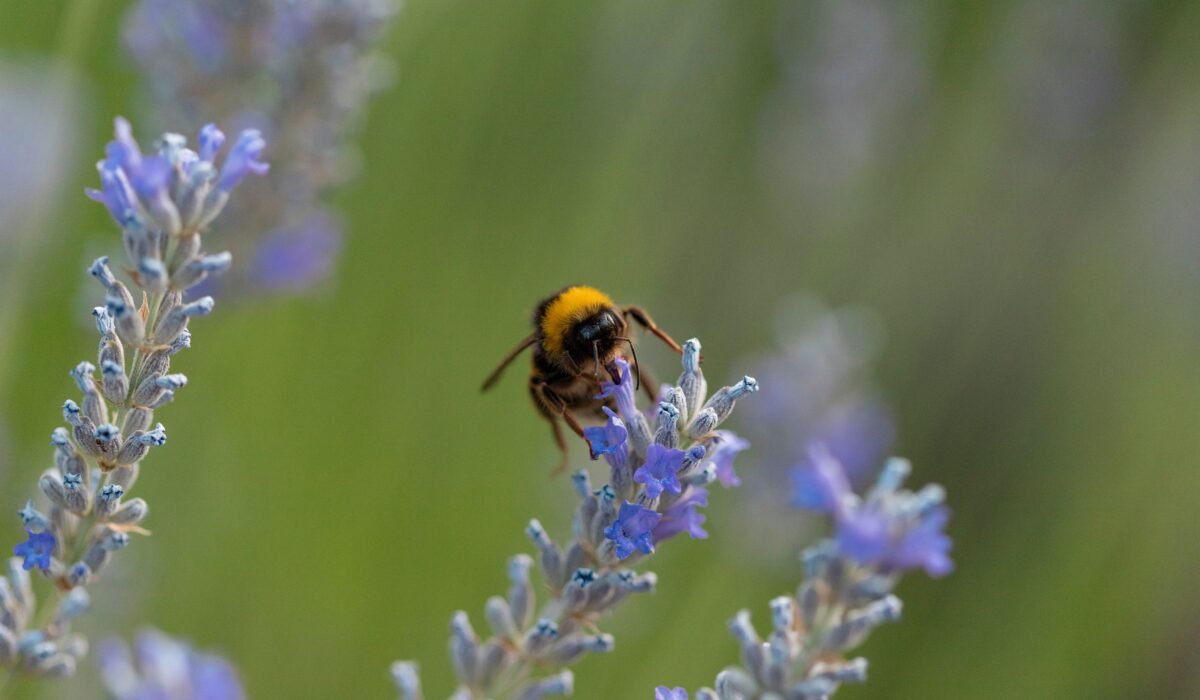
- Lavender (Lavandula spp.): Renowned for its fragrant purple spikes, lavender is a magnet for bees and butterflies. Its long blooming period ensures a consistent food source, making it ideal for Growing Herbs for Pollinators 2026.
- Borage (Borago officinalis): With its beautiful blue, star-shaped flowers, borage is a favorite of honey bees and other large pollinators. It self-seeds readily, ensuring a continuous supply of blooms for Growing Herbs for Pollinators 2026.
- Anise Hyssop (Agastache foeniculum): This herb produces tall spikes of purple flowers that are incredibly attractive to bees, butterflies, and even hummingbirds. It’s a powerhouse for Growing Herbs for Pollinators 2026, offering both beauty and ecological benefit.
- Bee Balm (Monarda spp.): As its name suggests, Bee Balm is a prime choice for attracting bees, along with butterflies and hummingbirds. Its unique, shaggy flowers come in various shades of pink, red, and purple, perfect for Growing Herbs for Pollinators 2026.
- Thyme (Thymus spp.): When thyme flowers, it becomes covered in tiny blossoms that are a feast for small bees and other beneficial insects. It’s a low-growing, versatile option for Growing Herbs for Pollinators 2026.
- Rosemary (Rosmarinus officinalis): Its delicate blue flowers provide early season nectar, crucial for emerging pollinators. Rosemary is a hardy shrub that makes an excellent addition when Growing Herbs for Pollinators 2026.
- Cilantro/Coriander (Coriandrum sativum): Allowing cilantro to bolt and flower provides tiny white blossoms that attract a multitude of small beneficial insects, including hoverflies and small native bees. This is a simple way to support pollinators while enjoying your harvest.

These herbs are not only functional for attracting pollinators but also add beauty and fragrance to your garden. Many of them also offer culinary or medicinal uses, adding another layer of value to your efforts in Growing Herbs for Pollinators 2026.
How Do You Attract Pollinators to Your Herb Garden?
Attracting pollinators to your herb garden involves a holistic approach that goes beyond simply planting a few herbs; it requires creating a welcoming, safe, and resource-rich habitat. This strategy is essential because habitat loss, pesticide use, and introduced diseases are putting the “essential service of pollination at risk,” according to the Xerces Society for Invertebrate Conservation (2025). Successfully Growing Herbs for Pollinators 2026 means understanding their needs and designing your garden to meet them.
My 10 years of gardening experience have shown me that consistent effort in habitat creation yields the best results. It’s about building an ecosystem, not just a collection of plants. Here’s a step-by-step guide on how to attract pollinators effectively when Growing Herbs for Pollinators 2026.
Step 1: Assess Your Garden Space
Before planting, take stock of your existing garden environment, including sunlight, soil type, and available space. Understanding these factors is crucial for selecting herbs that will thrive and, in turn, provide consistent resources for pollinators. A thorough assessment ensures you’re setting yourself up for success in Growing Herbs for Pollinators 2026.
Consider the amount of direct sunlight your garden receives daily. Most herbs that attract pollinators, such as Lavender and Rosemary, require at least 6-8 hours of full sun. This ensures robust growth and abundant flowering, which are critical for attracting and sustaining pollinator populations.
Step 2: Choose Regionally Native Herbs
Prioritize native herb varieties that are adapted to your local climate and soil conditions. Native plants are four times more attractive to native bees and other pollinators than non-native plants, according to the Pollinator Partnership (2026). This is a cornerstone of effective Growing Herbs for Pollinators 2026.
Native herbs often require less water and maintenance once established. They also provide the specific nectar and pollen compositions that local pollinators have evolved to utilize, making them invaluable for a truly effective pollinator garden.
Step 3: Design Your Pollinator Habitat
Arrange your herbs in drifts or clusters rather than single plants, creating large blocks of color that are more visible to foraging pollinators. This design strategy makes your garden a more efficient feeding ground, increasing the likelihood of attracting and retaining diverse pollinator species.
Incorporate a variety of flower shapes, sizes, and colors to appeal to different types of pollinators. For instance, tubular flowers like Bee Balm attract hummingbirds, while flat-topped clusters of Dill or Yarrow are perfect for small bees and butterflies. This diversity is key when Growing Herbs for Pollinators 2026.
Step 4: Plant and Establish Herbs
Plant your chosen herbs according to their specific light and soil requirements, ensuring proper spacing for air circulation and growth. Healthy plants are better at producing abundant flowers and resisting pests, which directly benefits the pollinators you aim to attract. Proper planting is fundamental to Growing Herbs for Pollinators 2026.
Water new plantings regularly until they are well-established. Using organic compost enriches the soil, providing essential nutrients that support vigorous plant growth without harmful chemicals. This foundational care is paramount for long-term success.
Step 5: Implement Organic Pest Control
Protect your pollinator-friendly herbs from pests using only organic and non-toxic methods. Pesticides, even those marketed as “natural,” can be devastating to bees, butterflies, and other beneficial insects, undermining all your efforts in Growing Herbs for Pollinators 2026.
Focus on prevention through good garden hygiene, companion planting, and encouraging natural predators. For instance, planting Marigolds near susceptible herbs can deter some pests, while allowing herbs like Cilantro to flower attracts ladybugs and lacewings that prey on aphids. For more detailed strategies, you might find our guide on Controlling Garden Pests Naturally: Ultimate Guide 2026 helpful.
Step 6: Ensure Year-Round Blooms
Select a diverse range of herbs with staggered blooming times to provide nectar and pollen from early spring through late fall. A continuous food supply is vital for supporting pollinator populations throughout their active seasons, preventing gaps in their diets. This foresight is crucial for genuinely impactful Growing Herbs for Pollinators 2026.
Consider herbs like Rosemary for early spring blooms, Lavender and Bee Balm for summer, and Anise Hyssop for late summer into fall. Succession planting, where you sow new seeds every few weeks, can also extend the harvest and bloom period for annual herbs like Cilantro and Dill.
Step 7: Monitor and Adapt Garden
Regularly observe your garden to see which herbs are most popular with pollinators and identify any areas for improvement. This ongoing assessment allows you to fine-tune your plantings and practices, making your pollinator habitat even more effective over time.
Don’t be afraid to experiment with new herb varieties or adjust your planting layout based on your observations. Gardening is a dynamic process, and continuous learning will enhance your success in Growing Herbs for Pollinators 2026.
Choosing Native Herbs for Your Region: A Pollinator Advantage
Choosing native herbs for your region offers a significant advantage for local pollinator populations because these plants have co-evolved with native insects, providing precisely the right food sources and habitat they need. This ecological alignment is critical, as converting just 10% of cropland to pollinator habitat can increase bee abundance by 300%, demonstrating the power of thoughtful plant selection (2025). When focused on Growing Herbs for Pollinators 2026, prioritizing native species is a game-changer.
Many gardeners overlook the importance of “nativity” when selecting plants, but it’s a core principle of sustainable gardening 2026. Native herbs are often more resilient to local weather conditions and diseases, reducing the need for intensive care. This means less work for you and a healthier environment for pollinators.
For instance, while European Lavender is a popular choice, consider native alternatives or closely related species for your region. In North America, species of Agastache (Anise Hyssop) are native and provide similar benefits to lavender, attracting a broad spectrum of pollinators. UF/IFAS Gardening Solutions emphasizes the importance of choosing regionally appropriate plants for optimal results.

Patrick Lindquist, the Growing Wild program coordinator, highlights that “It’s not just plants, it’s not just a landscape, it’s habitat” (2025). This perspective underscores that native herbs are more than just food; they are an integral part of a complex ecosystem. They support the entire life cycle of many pollinators, from providing larval host plants for butterflies to nesting materials for native bees.
To find native herbs suitable for your area, consult local university extension offices, native plant societies, or resources like the Xerces Society. They often provide extensive lists and guidance specific to your ecoregion. This research is invaluable for successful Growing Herbs for Pollinators 2026.
Designing a Resilient Pollinator Herb Garden
Designing a resilient pollinator herb garden involves strategic planning that ensures continuous blooms, diverse plant structures, and protective elements, creating a stable and thriving habitat that can withstand environmental changes. This thoughtful design is crucial because Monarch butterfly populations have declined by over 80% in recent decades, making every well-designed garden a vital sanctuary (2025). A resilient design is key to sustained success when Growing Herbs for Pollinators 2026.
In my experience, a well-planned garden reduces maintenance and maximizes ecological impact. It’s about creating a landscape that works *with* nature, not against it. When you are Growing Herbs for Pollinators 2026, consider these design principles.
Key elements for a resilient pollinator herb garden include:
- Layered Planting: Create different heights with your herbs, from ground covers like Thyme to taller plants like Anise Hyssop. This offers diverse foraging opportunities and shelter for various pollinator sizes.
- Sunlight and Shade Zones: Group herbs according to their light requirements. Most pollinator herbs prefer full sun, but incorporating some partial shade allows for a wider variety of plants and offers cool retreats for pollinators on hot days.
- Water Source Integration: Include a shallow water source, like a bird bath with pebbles or a “bee cup,” for pollinators to drink safely. Bee Cups, handmade porcelain gizmos painted with UV glaze, are specifically designed to attract bees and provide refreshment (2025).
- Shelter and Nesting Sites: Beyond the herbs themselves, incorporate elements like bare patches of soil for ground-nesting bees, log piles for wood-nesting bees, or even a small “insect hotel.” These additions provide crucial nesting and overwintering sites, extending the habitat beyond just food.
- Mass Plantings: Plant herbs in large groups or “drifts” of the same species. This creates a strong visual signal for pollinators, making your garden more attractive and efficient for foraging. Large blocks of color are easily spotted from a distance.

A resilient design also considers the local microclimate. For instance, placing drought-tolerant herbs like Rosemary and Thyme in sunnier, drier spots will ensure they thrive. This strategic placement supports their health, allowing them to produce more flowers for longer, which is essential for Growing Herbs for Pollinators 2026.
Ensuring Year-Round Pollinator Support with Herb Selection
Ensuring year-round pollinator support requires careful selection of herbs that offer staggered blooming times, providing a continuous supply of nectar and pollen from early spring through late autumn. This continuous resource is vital, as commercial beekeepers in the US experienced their highest losses on record, more than 60% of colonies, in the winter of 2024-25, partly due to inconsistent floral resources (2025). Strategic selection is paramount when Growing Herbs for Pollinators 2026.
Many gardeners focus only on summer blooms, but early spring and late fall are critical periods when floral resources can be scarce. Pollinators emerging from hibernation or preparing for winter desperately need food. My personal observation over the years confirms that a lack of early or late season blooms can severely impact local pollinator populations.
Here’s how to achieve continuous support when Growing Herbs for Pollinators 2026:
| Season | Recommended Herbs for Pollinators | Pollinator Benefit |
|---|---|---|
| Early Spring | Rosemary, Chives, Thyme (early varieties), Hyssop | Crucial nectar for emerging queen bees and early butterflies. Rosemary’s early blue flowers are a lifesaver. |
| Late Spring/Early Summer | Lavender, Borage, Sage, Oregano, Marjoram | Peak blooming for many herbs, supporting growing pollinator populations. Borage is a honey bee favorite. |
| Mid-Summer | Bee Balm, Anise Hyssop, Dill, Fennel, Yarrow | Sustains high pollinator activity during the warmest months. Anise Hyssop is a hummingbird magnet. |
| Late Summer/Early Fall | Anise Hyssop (extended bloom), Catmint, Lovage (if allowed to flower), Late-blooming Sages | Provides essential fuel for pollinators preparing for migration or overwintering. Critical for monarch butterflies. |

By combining herbs from each season, you ensure that your garden is never without a food source. This strategy not only benefits the pollinators but also creates a dynamic and ever-changing landscape for you to enjoy. It’s a key aspect of successful Growing Herbs for Pollinators 2026.
Organic Pest Management for a Safe Pollinator Haven
Organic pest management is absolutely essential for creating a safe pollinator haven, as even “organic” pesticides can harm beneficial insects, disrupting the delicate balance of your garden ecosystem. The Xerces Society explicitly warns that pesticide use is a major factor putting “the essential service of pollination at risk” (2025). Therefore, a commitment to truly organic practices is non-negotiable when Growing Herbs for Pollinators 2026.
Many people assume that if a product is labeled organic, it’s automatically safe for all organisms. However, some organic sprays, like neem oil or insecticidal soaps, can still be detrimental to pollinators if applied incorrectly or during their active foraging times. The goal for Growing Herbs for Pollinators 2026 is to minimize intervention and maximize natural defenses.
Effective organic pest management strategies include:
- Promote Beneficial Insects: Plant herbs like Dill, Fennel, and Yarrow whose flowers attract predatory insects such as ladybugs, lacewings, and parasitic wasps. These natural allies will help keep pest populations in check.
- Manual Removal: For larger pests like tomato hornworms or slugs, hand-picking them off your herbs is often the most effective and safest method. Inspect your plants regularly to catch infestations early.
- Companion Planting: Utilize certain herbs to deter pests from others. For example, planting Catnip or Rosemary near vegetables can help repel various insect pests. This is a classic permaculture technique.
- Healthy Soil, Healthy Plants: Strong, healthy plants are naturally more resistant to pest attacks. Focus on building rich, organic soil with compost, which enhances plant vigor. Our guide on Organic Fertilizers for Home Gardens: Ultimate 2026 Guide offers more insights.
- Avoid Broad-Spectrum Sprays: Even organic sprays should be a last resort and applied only to affected areas, never broadly. Always apply in the evening when pollinators are less active, if absolutely necessary.

By adopting these organic practices, you ensure that your herb garden remains a safe and nourishing environment for pollinators. This approach is fundamental to truly effective Growing Herbs for Pollinators 2026.
Growing Herbs for Pollinators in Small Spaces & Containers
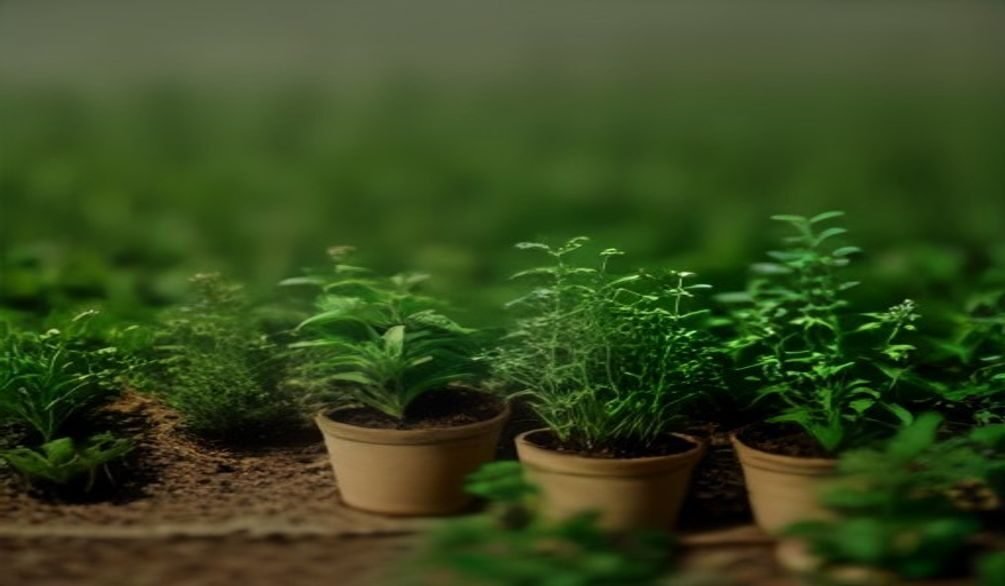
Growing Herbs for Pollinators 2026 in small spaces and containers is not only possible but can also create vital mini-habitats in urban environments where floral resources are scarce. Urbanization has led to a 25% decrease in floral resource availability for urban bees, making every balcony and patio garden a critical lifeline (2025). Patrick Lindquist rightly emphasizes that “every square foot counts” for supporting pollinators, even with container plantings (2025).
Many people with limited space often feel they can’t contribute to pollinator conservation, but this couldn’t be further from the truth. In my experience, even a few strategically placed pots can make a significant difference. The key is smart selection and arrangement when Growing Herbs for Pollinators 2026 in confined areas.
Consider these tips for container gardening:
- Choose Dwarf or Compact Varieties: Many herbs come in smaller cultivars perfect for pots. Look for “dwarf” Rosemary, “bush” Basil, or compact Thyme varieties.
- Select Appropriate Container Sizes: Ensure pots are large enough to accommodate root growth and retain moisture, especially for thirsty herbs. A minimum of 8-10 inches in diameter is generally recommended for most herbs.
- Group Containers for Impact: Arrange multiple pots together to create a larger visual mass of flowers. This makes your pollinator offerings more noticeable to foraging insects.
- Provide Drainage: All containers must have drainage holes to prevent root rot. Good drainage is crucial for herb health, which in turn ensures abundant blooms for pollinators.
- Vertical Gardening: Utilize vertical space with hanging baskets or tiered planters to maximize your planting area. Herbs like trailing Rosemary or Thyme do well in hanging baskets.

Excellent herbs for containers that attract pollinators include Lavender, Borage, Thyme, Marjoram, and compact varieties of Bee Balm. These resilient plants thrive in pots and offer a consistent food source. Even a small balcony can become a thriving hub for Growing Herbs for Pollinators 2026, demonstrating that every gardener can contribute to this vital cause.
Beyond Herbs: Creating a Complete Pollinator Habitat in 2026
While Growing Herbs for Pollinators 2026 is an excellent starting point, creating a truly complete pollinator habitat extends beyond just herbs to include a diverse array of native flowering plants, water sources, and undisturbed nesting sites. This holistic approach is crucial, as 75% of the world’s food crops depend at least in part on pollination, underscoring the broad impact of comprehensive habitat creation (2025). My years of gardening have taught me that diversity is the bedrock of a resilient ecosystem.
A complete pollinator habitat considers all life stages of these vital insects, not just their foraging needs. It’s about building a miniature ecosystem where they can thrive from egg to adult. Jo Brewer, a pioneer in butterfly gardening, famously wrote, “A garden is as static as a painting until butterflies bring it to life” (2025), a sentiment that captures the essence of a vibrant, living habitat.
Components of a complete pollinator habitat include:
- Native Flowers: Supplement your herbs with native wildflowers, trees, and shrubs that offer additional nectar and pollen. Milkweed is essential for Monarch butterflies, serving as both a nectar source and a larval host plant. Habitat Hero Plant Kit Awards from Pollinator Partnership and NAPPC provide up to 3 XL Plant Kits to organizations for creating pollinator habitat (2025).
- Water Sources: Provide shallow water dishes with stones or marbles for pollinators to drink without drowning. Hummingbird swings can also offer resting spots, making your garden more inviting (2025).
- Shelter and Nesting Sites: Leave some areas of your garden undisturbed, including bare soil for ground-nesting bees, brush piles, or hollow stems for cavity-nesting bees.
- Eliminate Pesticides: This cannot be overstated. A complete habitat is a safe habitat, free from harmful chemicals.
- Continuous Blooms: As discussed earlier, ensure a succession of blooms throughout the entire growing season.

By integrating these elements, you move beyond simply Growing Herbs for Pollinators 2026 to fostering a thriving, self-sustaining ecosystem. This not only benefits pollinators but also enhances the overall health and beauty of your garden, contributing to a broader ecological good.
Frequently Asked Questions
What herbs are good for bees and butterflies?
Many herbs are excellent for bees and butterflies, including Lavender, Borage, Anise Hyssop, Bee Balm, and Thyme. These herbs provide abundant nectar and pollen, which are vital food sources for a wide range of pollinator species. Francis Drummond notes that herbs appeal to a great variety of bee species due to their accessible flowers (2025).
What herbs do butterflies like?
Butterflies are particularly attracted to herbs like