Key Takeaways
- The global organic fertilizers market was valued at USD 13.2 billion in 2025, according to market data (2025).
- Solid organic fertilizers dominate the market, accounting for 65.6% of revenue share in 2025 due to ease of handling.
- Plant-based fertilizers are projected to hold the largest market share of 58.9% in 2026, driven by soil health awareness.
- North America alone accounted for a 27.9% value share of the organic fertilizers market in 2025.
- Organic fertilizers improve soil structure and encourage beneficial microbes, releasing nutrients slowly for a healthier ecosystem.
When the pre-monsoon heat hits Mumbai, many balcony gardeners like us see our fruit plants struggle, often wondering if they’re getting enough nutrients. That’s why understanding how to use organic fertilizer for fruit trees is crucial for a thriving harvest, even in challenging Indian climates. This guide will walk you through 8 foolproof ways to nourish your fruit garden naturally, ensuring healthy growth and abundant yields without relying on synthetic chemicals.
Quick Answer: To fertilize a fruit garden organically, use natural materials like compost, aged manure, bone meal, blood meal, and kelp meal. Apply in early spring before bud break, spreading around the drip line and watering thoroughly to enrich the soil.
What is the best organic fertilizer for fruit trees?
The best organic fertilizer for fruit trees is often a combination of natural amendments that provide a balanced spectrum of nutrients, with solid organic fertilizers dominating the global market, accounting for 65.6% of the revenue share in 2025, according to market analysis (2025). For example, a mix of well-rotted compost, bone meal, and kelp meal works wonders. Compost improves soil structure and microbial life, while bone meal provides phosphorus for strong roots and fruit development. Kelp meal adds trace minerals and boosts overall plant vigor.
When I started my terrace garden in Pune, I noticed that just adding compost wasn’t enough for my citrus plants. They needed that extra boost. Brands like Espoma offer “Tree-Tone,” a granular product praised for its slow-release of nutrients, leading to noticeable growth and healthier trees, as many gardeners attest. Similarly, Jobe’s Organics Granular Garden Fertilizer is excellent for promoting healthy growth and strengthening the root structure of fruit and nut trees with its slow-release formula. You’ll find these at most good nurseries or online on platforms like Ugaoo.
How do you fertilize fruit trees naturally?
You fertilize fruit trees naturally by enriching the soil with organic materials that break down slowly, releasing nutrients over time to support sustained growth. Plant-based fertilizers are expected to hold the largest organic fertilizer market share of 58.9% in 2026, driven by growing awareness about soil health and ecosystem quality, according to industry projections (2026). This approach builds soil health, making your fruit trees more resilient.
Here are some foolproof methods for applying organic fertilizer for fruit trees:
- Compost Power: This is the backbone of any organic fruit garden. Spread a 2-4 inch layer of well-rotted compost around the drip line of your fruit trees annually. It’s like a multi-vitamin for your soil, improving water retention and fostering beneficial microbes.
- Aged Manure Magic: Cow dung manure, readily available at local nurseries for ₹80–150 a bag, is fantastic. Make sure it’s aged to prevent burning your plants. Mix a layer into the top few inches of soil around the tree.
- Bone Meal for Blooms and Fruits: For phosphorus, crucial for flowering and fruiting, bone meal is your go-to. Work a handful (about 1-2 cups for a mature tree) into the soil around the drip line in early spring. It’s especially good for fruiting varieties like Alphonso mangoes.
- Blood Meal for Green Growth: If your fruit tree leaves look pale or growth is slow, blood meal provides a quick nitrogen boost. Use sparingly, as too much nitrogen can lead to lush foliage but fewer fruits. It also helps repel deer and rabbits, a bonus for those of us with open gardens.
- Kelp Meal for Trace Minerals: Kelp meal is packed with trace minerals and growth hormones. A light application (½ to 1 cup per tree) can significantly improve overall plant health and stress resistance.
- Coffee Grounds: Don’t toss those used coffee grounds! They provide nitrogen and small amounts of phosphorus and potassium, plus they’re great for plants that prefer slightly acidic soil, like jamun trees. Just sprinkle them around the base.
- Wood Ash (Carefully): If you have a wood-burning stove, wood ash can add potassium and lime, but use it sparingly and only if your soil is acidic, as too much can raise pH drastically.
- Cover Crops: Planting legumes like clover or fenugreek (methi) around your fruit trees can fix nitrogen in the soil. Just chop and drop them before they go to seed, letting them decompose and enrich the soil.
The truth is, most people give up on gardening after one failed crop and blame themselves — but 80% of first failures are caused by wrong pot size, wrong season, or wrong soil mix, not wrong technique. Get those three right, especially a good soil base with organic fertilizer for fruit trees, and almost any plant becomes easy to grow.
When should i fertilize my fruit trees organically?
You should fertilize your fruit trees organically primarily in early spring, just before new growth begins, as this is when trees are waking up from dormancy and need nutrients to power new shoots, blossoms, and roots. This timing ensures the nutrients are available when the tree needs them most for vigorous development.
A good rule of thumb is to apply your main organic fertilizer for fruit trees application in the pre-monsoon months of March to May, especially in regions with distinct seasons like Delhi. For young trees, you might do a lighter second application in late summer, but generally, one strong spring feeding is sufficient for mature trees. Over-fertilizing, even with organic methods, can lead to issues, so stick to the spring timing.
Can you over-fertilize fruit trees with organic methods?
Yes, you can absolutely over-fertilize fruit trees even with organic methods, though it’s much harder to cause severe damage compared to synthetic fertilizers. Organic materials release nutrients more slowly, but excessive amounts can still lead to nutrient imbalances, such as too much nitrogen promoting leafy growth at the expense of fruit production.
For example, I once tried liquid seaweed fertilizer on my hibiscus expecting faster flowering — I got 3 new leaves and no flowers for 8 weeks. The seaweed was pushing vegetative growth because the plant was already in a nitrogen-rich soil. Lesson learned: understand what your plant needs before adding any organic fertilizer for fruit trees. Always follow recommended application rates, especially for concentrated organic products like blood meal or fish emulsion. Down to Earth, another reliable brand, provides clear guidelines on their product labels.
Benefits of organic fertilization for your fruit garden
Organic fertilization offers numerous advantages for your fruit garden, creating a healthier, more resilient ecosystem compared to solely relying on chemical inputs. “Organic fertilizers improve soil structure, encourage beneficial microbes, and release nutrients slowly over time, creating a healthier, more resilient garden ecosystem,” as many horticulture experts emphasize. This slow-release mechanism is a game-changer.
Let’s look at some key benefits:
- Improved Soil Structure: Organic matter like compost and manure lightens heavy clay soils and adds body to sandy soils, making it easier for roots to grow and for water and air to penetrate. This is vital for fruit trees, which need strong root systems.
- Enhanced Microbial Activity: Organic fertilizers feed the soil’s microscopic inhabitants – bacteria, fungi, and other beneficial organisms. These microbes break down organic matter, convert nutrients into plant-available forms, and even help protect plants from diseases.
- Sustained Nutrient Release: Unlike synthetic fertilizers that dump nutrients all at once, organic options release them gradually as they decompose. This means a steady supply of food for your fruit trees, reducing the risk of nutrient leaching and over-fertilization.
- Reduced Chemical Runoff: By avoiding synthetic chemicals, you prevent harmful runoff into local water bodies, protecting our environment. This is especially important for terrace gardens where runoff can go directly into drains.
- Healthier Fruit: Many believe organically grown fruits have better flavor and nutritional value, as the plants develop robustly in a balanced soil environment.
- Long-Term Soil Fertility: Each application of organic fertilizer for fruit trees builds up the soil’s organic matter, making it more fertile and productive year after year. It’s an investment in your garden’s future.
Homemade organic fertilizer sprays for fruit trees
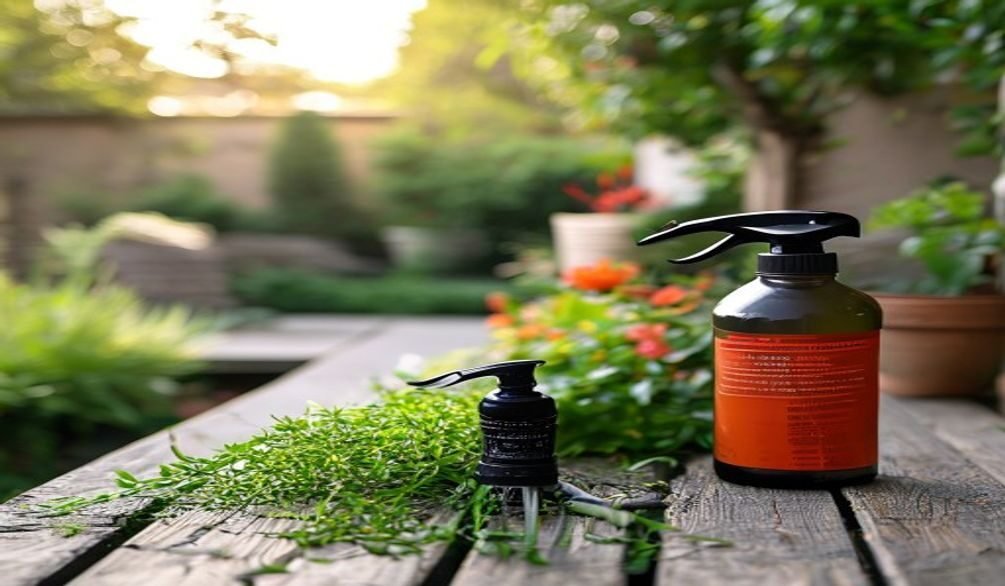
Homemade organic fertilizer sprays for fruit trees can provide a quick nutrient boost, especially for trace minerals, and support overall tree health by enhancing photosynthesis. Regenerative agriculture expert John Kempf explains that foliar sprays can “accelerate the entire system” in the short term, meaning they can give your trees a rapid pick-me-up. These sprays are great for specific deficiencies or just general vigor.
Here are a few simple recipes you can whip up:
| Spray Ingredient | Benefits | How to Use |
|---|---|---|
| Compost Tea | Broad spectrum nutrients, beneficial microbes, disease suppression | Steep mature compost in water for 24-48 hours. Dilute to a light tea color and spray foliage. |
| Epsom Salts (Magnesium Sulfate) | Magnesium for chlorophyll production, sulfur for protein synthesis | Mix 1-2 tablespoons per gallon of water. Spray on leaves for quick absorption, especially if leaves show yellowing between veins. |
| Liquid Seaweed/Kelp Extract | Trace minerals, hormones, stress resistance | Dilute according to product instructions (often 1 tablespoon per gallon). Great for overall vitality. |
| Molasses Solution | Carbohydrates for beneficial microbes, trace minerals | Mix 1-2 tablespoons blackstrap molasses per gallon of water. A treat for soil microbes and a mild foliar feed. |
Remember, foliar feeding is a supplement, not a replacement, for good soil health. Always test a small area first to ensure your fruit trees react well, especially with homemade concoctions.
Troubleshooting nutrient deficiencies organically
Troubleshooting nutrient deficiencies in fruit trees organically involves observing specific leaf and growth symptoms and then applying targeted organic amendments to correct the imbalance. This holistic approach focuses on restoring soil health to prevent future issues.
Identifying the problem is the first step. Here’s a quick guide to common deficiencies and their organic fixes for your organic fertilizer for fruit trees strategy:
- Nitrogen (N) Deficiency:
- Symptoms: Overall yellowing of older leaves, stunted growth, pale green foliage.
- Organic Fix: Apply blood meal, aged chicken manure, or a generous layer of compost. Dr. Earth also makes excellent organic nitrogen-rich fertilizers.
- Phosphorus (P) Deficiency:
- Symptoms: Purplish tint on leaves, especially undersides, poor flowering, and fruiting, weak root development.
- Organic Fix: Incorporate bone meal or rock phosphate into the soil around the drip line.
- Potassium (K) Deficiency:
- Symptoms: Yellowing or browning along leaf margins (edges), weak stems, poor fruit quality.
- Organic Fix: Use kelp meal, wood ash (sparingly and only if soil is acidic), or greensand.
- Iron (Fe) Deficiency:
- Symptoms: Yellowing between the veins of new, young leaves (interveinal chlorosis), with veins remaining green.
- Organic Fix: Apply chelated iron (organic form), compost, or a foliar spray of liquid seaweed. Some acidic compost can help release existing iron in the soil.
- Magnesium (Mg) Deficiency:
- Symptoms: Similar to iron, but often affects older leaves first; interveinal yellowing with green veins.
- Organic Fix: Epsom salts (magnesium sulfate) can be applied as a foliar spray or mixed into the soil. Dolomitic lime also adds magnesium.
You might have heard that yellow leaves always mean more nitrogen. In practice, that’s an oversimplification — yellowing can be from magnesium, iron, or even just overwatering. Always look at which leaves are affected (old vs. new) and the specific pattern of yellowing before applying any organic fertilizer for fruit trees. Consulting with experts like those at Stark Bro’s, a renowned fruit tree nursery, can also provide tailored advice for specific varieties.
Frequently asked questions
What is the best natural fruit tree fertilizer?
The best natural fruit tree fertilizer is typically a balanced mix of compost, bone meal, and aged manure. These ingredients enrich the soil with essential nutrients and improve its overall structure, according to horticultural practices. A good blend provides nitrogen for growth, phosphorus for roots and fruit, and potassium for overall plant health.
How often should i fertilize my fruit trees organically?
You should fertilize your fruit trees organically once a year in early spring, just before new growth begins. This timing aligns with the tree’s awakening from dormancy and its greatest need for nutrients, as recommended by gardening experts. For young, rapidly growing trees, a lighter second application in late summer might be beneficial.
Can i use coffee grounds as an organic fertilizer for fruit trees?
Yes, you can use coffee grounds as an organic fertilizer for fruit trees, especially for those that prefer slightly acidic soil like many citrus varieties or jamun trees. Coffee grounds provide a mild source of nitrogen and improve soil structure, according to the University of Florida IFAS Extension (2022). Just sprinkle them around the base of the tree.
What are the signs of over-fertilization in fruit trees?
Signs of over-fertilization in fruit trees include stunted growth, yellowing or browning leaf tips, leaf scorch, and reduced fruit production. Even with organic fertilizers, excessive nitrogen can lead to lush green leaves but fewer fruits, as noted by agricultural extension services. Always apply organic fertilizer for fruit trees according to recommended rates.
Is compost tea effective for fruit trees?
Compost tea is highly effective for fruit trees, providing a liquid dose of nutrients and beneficial microbes that enhance plant health and disease resistance. This foliar application can boost photosynthesis and accelerate nutrient uptake, as explained by regenerative agriculture expert John Kempf. It’s a great way to give your fruit trees a quick, gentle feed.
Keeping your fruit garden thriving with organic fertilizer for fruit trees doesn’t have to be complicated. By focusing on building healthy soil with natural amendments like compost, bone meal, and kelp meal, you’re not just feeding your trees; you’re creating a resilient, productive ecosystem. Remember, most gardening frustrations, especially for us urban gardeners dealing with Mumbai humidity or Delhi winters, often come down to basic soil health and proper timing. Get those right, and you’ll see your fruit trees flourish, giving you sweet rewards for seasons to come. So, grab some aged manure from your local nursery and get started!