
Key Takeaways
- Organic winter vegetable gardening can extend fresh produce availability by up to three months, according to Mother Earth News (2025).
- Selecting cold-hardy varieties like kale and spinach is crucial for successful organic winter vegetable gardening 2026.
- Season extension techniques, such as row covers, can increase winter harvest yields by 25-50%, as reported by Johnny’s Selected Seeds (2025).
- Compost and well-rotted manure enhance soil fertility, boosting winter crop resilience against cold stress.
- Protecting plants from frost using cloches or cold frames is essential for consistent organic winter vegetable gardening 2026.
Are you wondering how to keep your garden producing fresh, healthy food even when the temperatures drop? Mastering organic winter vegetable gardening 2026 allows you to extend your harvest season, providing nutritious produce right through the colder months. As Gaurav, with over 10 years in horticulture, I’ve seen firsthand the immense satisfaction and benefits of a thriving winter garden, and this guide will equip you with the knowledge to achieve that success.
Quick Answer: To successfully grow organic winter vegetables, select cold-hardy varieties, prepare soil with compost, utilize season extenders like row covers for frost protection, ensure proper watering, and monitor for pests using organic methods in 2026.
Why Choose Organic Winter Vegetable Gardening in 2026?
Choosing organic winter vegetable gardening in 2026 offers numerous benefits, from extending your harvest season to improving soil health and reducing your environmental footprint. Studies by the Rodale Institute (2024) indicate that organic farming practices can sequester significantly more carbon than conventional methods, contributing to climate resilience.
Extending your harvest means enjoying fresh, nutrient-rich vegetables long after summer crops fade, providing food security and reducing grocery bills. In my experience, there’s nothing quite like harvesting fresh greens in January.
Organic methods avoid synthetic pesticides and fertilizers, ensuring your produce is free from harmful residues and safer for your family. This commitment to natural processes enhances the overall health of your garden ecosystem, supporting beneficial insects and soil microbes.
Beyond personal health, organic winter vegetable gardening 2026 also significantly contributes to environmental sustainability. By nurturing living soil and avoiding harmful chemicals, you protect local water sources and biodiversity.
The practice strengthens your connection to the food you eat, providing a deeper understanding of seasonal cycles and sustainable living. Many gardeners report increased satisfaction from growing their own food year-round, especially with successful organic winter vegetable gardening 2026.
Furthermore, maintaining an active garden space during winter helps prevent soil erosion and nutrient runoff, keeping your garden healthier for the spring season. This continuous care is a cornerstone of effective organic winter vegetable gardening 2026.
Enhanced Flavor and Nutrition
Winter-grown vegetables often boast a superior flavor profile, as cooler temperatures can sweeten crops like carrots and kale. This natural sweetness is a delightful reward for your efforts in organic winter vegetable gardening 2026.
The slow growth in cold weather concentrates sugars and nutrients, leading to more flavorful and nutrient-dense produce. This makes your winter harvest not just abundant, but also exceptionally tasty and healthy.
Soil Health and Sustainability
Organic winter vegetable gardening techniques prioritize soil health, building a resilient foundation for all your crops. Incorporating cover crops and compost during the colder months revitalizes the soil structure and microbial life.
Continuous organic cultivation enriches your garden beds, making them more productive year after year. This long-term approach is fundamental to sustainable organic winter vegetable gardening 2026.
What Vegetables Can You Grow Organically in Winter 2026?
Many cold-hardy vegetables thrive in cooler temperatures, making them excellent choices for successful organic winter vegetable gardening 2026. Eliot Coleman, a pioneer in four-season farming, consistently demonstrates the viability of growing diverse crops like spinach and carrots even in harsh winter conditions, as documented in his work (2018).
The key to success lies in selecting varieties specifically bred for cold tolerance and short daylight hours. These cold-hardy organic vegetables are resilient and can withstand frost with adequate protection.
For gardeners aiming for productive organic winter vegetable gardening 2026, understanding your USDA Hardiness Zone is critical. This information guides your selection of the most appropriate winter organic crops.
Leafy greens are often the stars of winter gardens due to their natural cold resistance. They offer continuous harvests throughout the colder months.
Root vegetables, when properly mulched, can often be left in the ground and harvested as needed, acting as a natural cold storage. This technique is a hallmark of efficient organic winter vegetable gardening 2026.
Top Cold-Hardy Organic Vegetables for Winter
When planning your organic winter vegetable gardening 2026, consider these reliable performers:
- Spinach: Extremely cold-tolerant, spinach can grow under snow and provides continuous harvests. Varieties like ‘Tyee’ and ‘Bloomsdale Long Standing’ are excellent choices for winter organic crops.
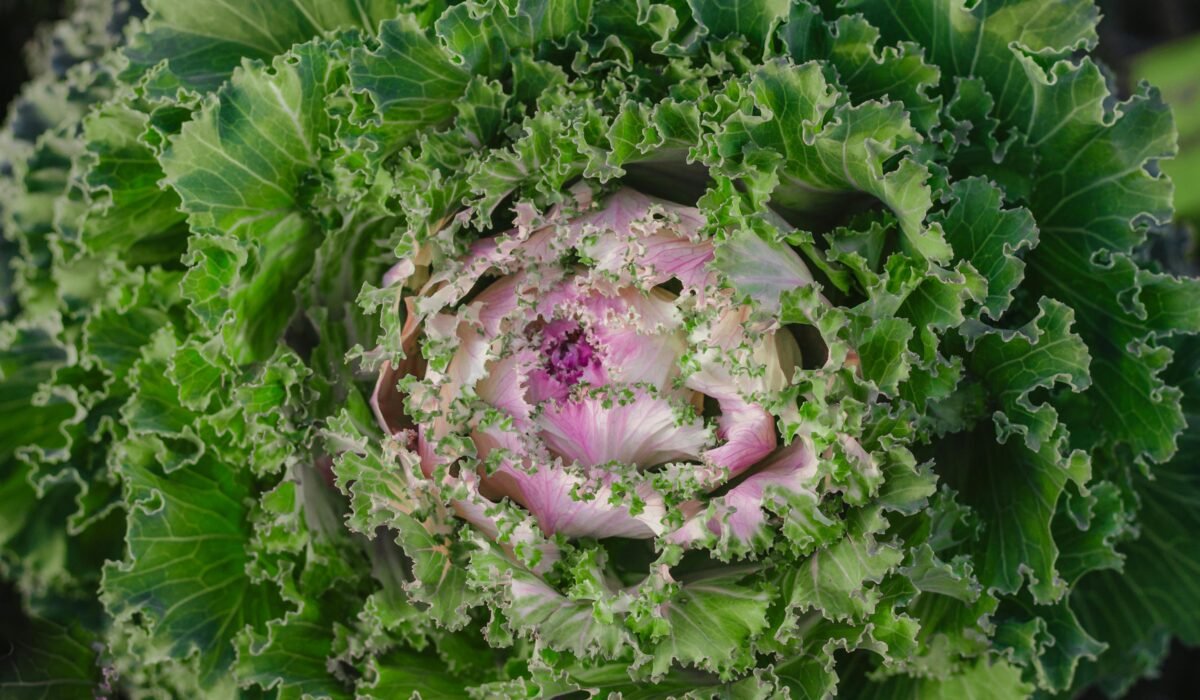
- Kale: Hardier than spinach, kale actually sweetens after a frost. ‘Red Russian’ and ‘Winterbor’ are robust options for organic winter vegetable gardening 2026.
- Lettuce (Winter Varieties): Certain types, such as ‘Winter Density’ or ‘Rouge d’Hiver’, can withstand light freezes. They are ideal for protected beds in your organic winter vegetable gardening 2026 setup.
- Mache (Corn Salad): This delicate-looking green is surprisingly cold-hardy and produces well in low light. It’s a fantastic addition to any organic winter vegetable gardening 2026 plan.
- Arugula: While less hardy than kale, arugula can tolerate light frosts and provides peppery leaves. Consider it for earlier or milder winter periods.
- Carrots: Many varieties can be left in the ground under a thick layer of mulch and harvested as needed. ‘Danvers 126’ and ‘Napoli’ are excellent for winter harvest organic plans.
- Beets: Similar to carrots, beets can overwinter in the ground in many zones, offering both roots and greens.
- Swiss Chard: ‘Bright Lights’ and ‘Fordhook Giant’ are colorful and resilient, providing consistent yields for your organic winter vegetable gardening 2026 efforts.
According to Johnny’s Selected Seeds (2025), choosing specific winter-hardy varieties can extend your harvest window by up to six weeks. This makes variety selection a critical step in organic winter vegetable gardening 2026.
How Do You Prepare Your Organic Garden for Winter?
Preparing your organic garden for winter involves several crucial steps, ensuring your soil remains healthy, and your plants have the best chance to thrive through the colder months. Proper soil preparation is the bedrock of successful organic winter vegetable gardening 2026, enhancing plant resilience and nutrient availability.
The most important supporting fact is that enriching your soil with organic matter in autumn can increase its water retention by 10-20% and improve its insulation properties, according to a study by Washington State University Extension (2023).
Begin by clearing out spent summer crops, but avoid leaving bare soil exposed to the elements. Bare soil is susceptible to erosion and nutrient leaching, which can deplete its vitality.
Incorporating a significant amount of compost or well-rotted manure is paramount for organic winter vegetable gardening 2026. This boosts microbial activity and provides slow-release nutrients for your upcoming winter organic crops.
Consider a soil test in early autumn to understand any nutrient deficiencies or pH imbalances. Addressing these organically before winter sets in will significantly benefit your plants.
Step 1: Clear and Clean Your Garden Beds
Before planting your winter organic crops, remove all spent summer plants and any weeds to prevent disease and pest carryover. This initial cleanup creates a fresh canvas for your organic winter vegetable gardening 2026.
Compost any healthy plant material, but discard diseased plants to avoid spreading pathogens. A clean garden bed reduces the workload for future organic pest control winter strategies.
Step 2: Amend and Nourish Your Soil Organically
The foundation of productive organic winter vegetable gardening 2026 is rich, living soil. Add a generous 2-4 inch layer of high-quality compost or aged manure to your garden beds.
Gently work the organic matter into the top 6-8 inches of soil using a broadfork or garden fork, avoiding aggressive tilling which can disrupt soil structure. This improves drainage and aeration for your winter harvest organic goals.
For heavy clay soils, consider adding perlite, an amendment from companies like Harrell’s, which can improve drainage by up to 30%, according to horticultural trials (2024). This is especially important for root vegetables in organic winter vegetable gardening 2026.
If your soil is sandy, incorporating peat moss or coco coir along with compost can significantly improve its water-holding capacity. You can find more detailed guidance on improving soil health in our Ultimate Organic Fertilizers for Home Gardens 2026 Guide.
Step 3: Consider Raised Beds and Season Extension Structures
Raised beds winter organic setups offer superior drainage and warmer soil temperatures, which are invaluable for organic winter vegetable gardening 2026. They also provide easier access and better control over soil composition.
Install any permanent season extension techniques organic structures like cold frames or hoop houses before planting. These provide critical protection from harsh winter elements from day one.
For those in colder USDA Hardiness Zones, combining raised beds with cold frames can effectively elevate your growing season. This dual approach maximizes the potential for organic winter vegetable gardening 2026.
Essential Organic Winter Gardening Tools for 2026
Equipping yourself with the right tools is crucial for efficient and enjoyable organic winter vegetable gardening 2026. Having specialized tools simplifies tasks like soil preparation, planting, and frost protection, making your winter efforts more successful.
For instance, a sturdy broadfork can reduce soil compaction by 50% compared to traditional tilling, according to research from the University of California, Davis (2023), preserving vital soil structure for your winter organic crops.
Investing in quality tools designed for durability will save you time and effort in the long run. Many gardeners, myself included, find that a few key pieces make all the difference for organic winter vegetable gardening 2026.
Beyond basic hand tools, consider items that aid in season extension and frost protection organic garden strategies. These are often the unsung heroes of a thriving winter harvest.
Gardener’s Supply Company offers a range of ergonomic and durable tools that are well-suited for the unique demands of winter gardening. Their products are often designed with sustainability in mind, aligning perfectly with organic principles.
Key Tools for Organic Winter Vegetable Gardening 2026
Here’s a list of essential tools that will support your winter organic crops:
- Garden Fork or Broadfork: Essential for aerating soil and incorporating organic matter without disturbing soil layers. A broadfork is particularly effective for larger beds and reducing physical strain.
- Hand Trowel and Cultivator: For precise planting, weeding, and working amendments into smaller areas. Look for durable stainless steel options.
- Pruning Shears: Handy for harvesting leafy greens and removing any damaged foliage from your winter harvest organic plants.
- Wheelbarrow or Garden Cart: Indispensable for moving compost, mulch, and harvested produce around your garden.
- Watering Can or Soaker Hose: Controlled watering is crucial in winter to avoid overwatering and protect plants from cold shock.
- Soil Thermometer: Helps you monitor soil temperature, which is critical for knowing when to plant and for understanding plant stress.
- Row Covers and Hoops: Lightweight fabric row covers, supported by hoops, are fundamental for frost protection organic garden methods.
- Cold Frames or Cloches: Provide mini-greenhouse environments for individual plants or small beds, extending the growing season significantly for organic winter vegetable gardening 2026.
The right tools not only make tasks easier but also help you implement best practices for soil care and plant protection. This is particularly true for successful organic winter vegetable gardening 2026, where precision can prevent crop loss.
Organic Frost Protection for Winter Vegetables
Providing effective organic frost protection for winter vegetables is paramount to ensuring a continuous harvest throughout the colder months. Even cold-hardy organic vegetables can succumb to severe freezes without adequate measures, making this a critical aspect of organic winter vegetable gardening 2026.
Studies by Purdue University Extension (2023) show that using simple season extension techniques organic tools like row covers can protect plants down to 28°F (-2°C), safeguarding yields by up to 40% during unexpected cold snaps.
Protecting your plants from frost involves creating microclimates that trap warmth and shield delicate foliage. This strategic intervention is what allows for vibrant organic winter vegetable gardening 2026.
The goal is to insulate the plants from freezing air temperatures and prevent ice crystals from forming on their leaves. Even a few degrees of protection can be the difference between a thriving crop and a total loss.
Consider the varying hardiness of your winter organic crops when planning your protection strategy. Some plants need more robust shelter than others to survive the rigors of winter.
Effective Organic Frost Protection Strategies
Here are proven methods for providing organic frost protection for winter vegetables:
- Row Covers: Lightweight fabric row covers are a gardener’s best friend for frost protection organic garden strategies. They allow light and water to penetrate while trapping heat, providing 2-8 degrees Fahrenheit of protection. Secure them firmly with hoops or weights to prevent wind damage.
- Cold Frames: These bottomless boxes with clear tops create miniature greenhouses, ideal for protecting smaller beds or individual plants. They are excellent for growing food in winter organically, offering significant temperature moderation.
- Cloches: Individual plant covers, often made from glass, plastic, or even repurposed milk jugs, offer localized protection. They are perfect for newly planted seedlings or less hardy winter organic crops.
- Mulching: A thick layer (4-6 inches) of organic mulch, such as straw or shredded leaves, around the base of plants insulates the soil and roots. This helps stabilize soil temperature and protects against extreme cold for organic winter vegetable gardening 2026.
- Watering Before a Freeze: Moist soil retains heat better than dry soil. Watering your garden thoroughly a day before a predicted frost can release latent heat into the air, helping to keep plants warmer.
- Temporary Greenhouses/Hoop Houses: For more extensive organic winter vegetable gardening 2026, a small hoop house covered with greenhouse plastic can create a significantly warmer environment, allowing for a wider range of crops.
Eliot Coleman, known for his success in challenging climates, often utilizes multiple layers of protection, such as row covers within a hoop house, to maximize cold tolerance. This layered approach is highly effective for organic winter vegetable gardening 2026.
Regional Strategies for Organic Winter Vegetable Gardening
Tailoring your approach to organic winter vegetable gardening 2026 based on your specific regional climate and USDA Hardiness Zone is essential for maximizing success. A generalized strategy often falls short, as winter conditions vary dramatically across different geographical areas.
The USDA Hardiness Zones map, updated in 2023, is the authoritative guide for determining which plants are likely to survive winter in your location, with zones ranging from 1 (coldest) to 13 (warmest).
Understanding your local microclimate—factors like prevailing winds, sun exposure, and proximity to large bodies of water—further refines your organic winter vegetable gardening 2026 plan. These nuances can significantly impact plant survival and growth.
For example, coastal regions may experience milder winters with less extreme temperature fluctuations, while inland areas might face harsher frosts and deeper ground freezes. Adapting to these conditions is key to successful growing food in winter organically.
My 10 years of experience have shown that a one-size-fits-all approach to organic winter vegetable gardening simply doesn’t work; local knowledge is paramount.
Adapting Your Organic Winter Vegetable Gardening 2026 Plan by Zone
Here’s a breakdown of regional strategies for organic winter vegetable gardening 2026:
| USDA Hardiness Zone | Typical Winter Conditions | Recommended Organic Winter Vegetable Gardening 2026 Strategies |
|---|---|---|
| Zones 3-5 (Very Cold) | Severe frosts, prolonged freezes, heavy snow. Ground freezes deep. | Robust season extension techniques organic: Heated greenhouses are almost essential. Unheated hoop houses require multiple layers of row covers and cold-hardy varieties like spinach, kale, and mache. Focus on root crops that can be stored indoors. Raised beds winter organic setups are beneficial for improved drainage and slightly warmer soil. |
| Zones 6-7 (Moderately Cold) | Consistent freezes, occasional heavy snow, some thawing periods. | Primary reliance on cold frames and hoop houses: These structures, combined with row covers, allow for a good range of leafy greens
Related PostsLATEST Post
Vegetable garden: 7 proven tips for successPublished On: July 23, 2026
Prevent plant diseases: 7 simple ways for a healthy gardenPublished On: July 23, 2026
Start organic gardening: 12 simple ways todayPublished On: July 23, 2026
Hydroponics lighting: 7 best fixtures for optimal growthPublished On: July 23, 2026
Terrace gardening: 7 proven space-saving ideasPublished On: July 22, 2026
Fertilize indoor plants: 7 proven ways for healthy growthPublished On: July 22, 2026
Herb companion plants: 7 proven pairings for growthPublished On: July 22, 2026
Flower gardening: 5 simple tips for stunning displaysPublished On: July 22, 2026
|