Key Takeaways
- Terrace Garden Succession Planting 2026 maximizes yield in limited spaces by continuously rotating crops.
- 63.6% of gardeners plan to expand their gardens in 2026, according to Axiom, emphasizing efficient planting.
- Effective succession planting involves staggering plantings and promptly replacing harvested plants for continuous harvests.
- The urban farming market is projected to reach $21.2 billion globally by 2026, highlighting small-space gardening’s growth.
- Using self-watering systems like EarthBox and vertical solutions significantly boosts productivity in terrace gardens.
Are you looking to transform your compact outdoor area into a bountiful source of fresh produce throughout the year? Mastering **Terrace Garden Succession Planting 2026** is your ultimate strategy for maximizing harvests, ensuring a continuous supply of vegetables and herbs even in the smallest urban spaces. As an expert with over a decade in horticulture, I can tell you that this approach is not just a technique; it’s a complete mindset shift for efficient, high-yield container gardening.
Quick Answer: Terrace garden succession planting maximizes harvests by continuously rotating crops in limited spaces. Staggering plantings and promptly replacing harvested plants ensures a steady supply of fresh produce throughout the growing season in containers and small beds.
What is Terrace Garden Succession Planting in 2026?
Terrace Garden Succession Planting 2026 is an intensive gardening strategy that involves planting multiple crops in the same space sequentially over the growing season, or even year-round in suitable climates. This method ensures that as one crop finishes producing, another is ready to take its place, maximizing the productivity of every square inch of your terrace garden. It’s about thinking ahead, planning your planting schedule, and making the most of your limited container space for a continuous harvest.
This technique is particularly vital for urban farming and small space gardening, where every container and planter box needs to perform at its peak. By implementing Terrace Garden Succession Planting 2026, you avoid periods of empty soil and instead maintain a vibrant, productive garden from spring through fall, and often into winter. The goal is to keep your garden actively growing and yielding fresh produce for as long as possible.
* **Continuous Harvest:** Ensures a steady supply of fresh vegetables and herbs, preventing gluts and shortages.
* **Maximized Space:** Utilizes every container effectively, preventing idle soil and increasing overall yield.
* **Improved Soil Health:** Crop rotation, a component of Terrace Garden Succession Planting 2026, helps prevent nutrient depletion and reduces pest buildup in containers.
* **Diverse Produce:** Allows you to grow a wider variety of plants throughout the year, enhancing your diet and culinary options.
Meg McAndrews Cowden, author of “Plant Grow Harvest Repeat,” states that “Grasping the notion that a garden is never fully planted is key to embracing the concept of continuous planting.” This philosophy underpins successful Terrace Garden Succession Planting 2026.
Why is Succession Planting Essential for Small Spaces?
Succession planting is essential for small spaces because it directly addresses the primary challenge of limited growing area by dramatically increasing garden yield and ensuring continuous harvests. In a terrace garden or balcony garden, where every square foot counts, this method prevents any container from sitting idle, transforming it into a productive unit throughout the entire growing season. My experience shows that without it, you’re missing out on at least half of your potential harvest.
This intensive container gardening strategy allows urban gardeners to mimic larger farm efficiency on a micro-scale. The urban farming market is expected to experience double-digit compound annual growth rates through 2026, according to industry reports, underscoring the increasing relevance of such intensive techniques. Terrace Garden Succession Planting 2026 is crucial for those who want to get the most out of their compact setups.
* **High-Density Production:** It allows for planting more crops in the same footprint than traditional single-season planting.
* **Reduced Waste:** By staggering plantings, you harvest produce in manageable quantities, minimizing spoilage.
* **Optimized Growing Season:** Extends the harvest period significantly, often from early spring to late fall, or even year-round in milder climates.
* **Economic Benefits:** Growing your own food through Terrace Garden Succession Planting 2026 can reduce grocery bills and provide fresher, often organic, produce.
A significant 63.6% of gardeners surveyed plan to plant more and expand their gardens in 2026, as reported by Axiom, indicating a strong desire to maximize garden space and yield. This trend makes Terrace Garden Succession Planting 2026 an indispensable skill for the modern gardener.
Best Vegetables for Terrace Succession Planting in Containers
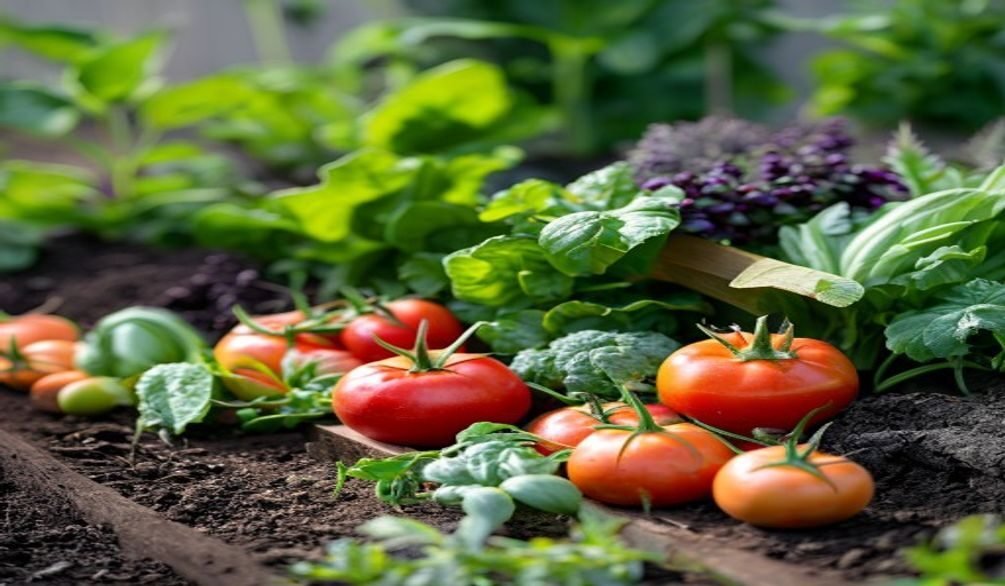
The best vegetables for Terrace Garden Succession Planting 2026 in containers are generally fast-growing, compact varieties that thrive in limited soil volume and can be harvested quickly. These include leafy greens, radishes, bush beans, and certain herbs, which allow for rapid turnaround and replanting. From my perspective, choosing the right varieties is half the battle in successful Terrace Garden Succession Planting 2026.
Selecting plants specifically bred for container gardening, like those found in Burpee’s “Container Favorites” section, can simplify the process significantly, as these varieties are chosen for their compact growth and high productivity in pots. This makes planning your Terrace Garden Succession Planting 2026 schedule much more straightforward.
Here’s a breakdown of excellent choices for your Terrace Garden Succession Planting 2026:
| Crop Category | Ideal Varieties for Containers | Growth Cycle (Approx.) | Succession Strategy |
|---|---|---|---|
| Leafy Greens | Loose-leaf lettuce, spinach, arugula, ‘Tom Thumb’ butterhead, ‘Parris Island Cos’ romaine | 30-60 days | Plant every 2-3 weeks; harvest outer leaves or entire plant. Replant immediately. |
| Root Vegetables | Radishes (‘Cherry Belle’), baby carrots (‘Paris Market’), small beets (‘Detroit Dark Red’) | 25-70 days | Plant small batches every 2 weeks. Harvest and immediately replant. |
| Bush Beans | ‘Provider’, ‘Blue Lake Bush’, ‘Contender’ | 50-60 days | Plant every 3-4 weeks. Harvest continuously, then pull plants and replant. |
| Herbs | Cilantro, dill, basil, mint (in separate pots) | 30-60 days (for harvest) | Plant small batches of annual herbs every 3-4 weeks for fresh supply. |
| Compact Fruiting | Bush cucumbers (‘Salad Bush’), cherry tomatoes (‘Tiny Tim’), small peppers (‘Lunchbox’) | 60-90 days | These require more space but compact varieties can be replaced after peak production. |
For example, a classic Terrace Garden Succession Planting 2026 combination is planting radishes, followed by bush beans, and then a late-season leafy green, as adapted from Eartheasy’s recommendations. This maximizes the use of a single container throughout the spring and summer.
Consider also using cold-hardy varieties from brands like Proven Winners for extending your Terrace Garden Succession Planting 2026 into cooler months. This allows you to harvest longer and enjoy fresh produce even when temperatures drop.
How to Plan Your Terrace Garden Succession Planting Schedule
Planning your Terrace Garden Succession Planting 2026 schedule requires understanding your local climate, plant maturity times, and the space available in your containers. The key is to create a dynamic calendar that accounts for harvesting one crop and immediately planting the next, ensuring no container goes unused. It’s a bit like a puzzle, but incredibly rewarding when you get it right.
This systematic approach is fundamental to maximizing your container garden yield and achieving a continuous harvest. My 10 years of gardening experience have shown me that a well-thought-out plan can double or even triple your output from the same footprint.
Step 1: Understand Your Growing Season & Microclimates
The first step in planning your Terrace Garden Succession Planting 2026 is to identify your frost-free dates and understand the specific sun exposure and heat retention characteristics of your terrace. This knowledge helps determine which crops will thrive at different times of the year and when to start seeds indoors. For example, a south-facing terrace might extend your warm-season growing window.
Step 2: Choose Fast-Maturing Varieties
For effective Terrace Garden Succession Planting 2026, prioritize varieties with shorter “days to maturity.” This allows for more planting cycles within a single season. Look for compact, bush, or dwarf varieties that are specifically suited for container gardening, as these will perform best in limited soil volumes.
Step 3: Map Out Your Containers
Create a diagram or list of all your containers, noting their size, depth, and typical sun exposure throughout the day. This visual plan for your Terrace Garden Succession Planting 2026 helps you visualize rotations and ensures you have enough pots for staggered plantings. Consider using self-watering planters like those from EarthBox, which are designed for efficient container gardening and easier rotations.
Step 4: Create a Planting Calendar
Develop a detailed calendar for your Terrace Garden Succession Planting 2026, noting when to sow seeds, transplant seedlings, and harvest each crop. Work backward from desired harvest dates or forward from your last frost date. For instance, if radishes mature in 30 days, plan to sow new seeds every two weeks to maintain a continuous supply.
Step 5: Implement Staggered Planting
Instead of planting an entire crop at once, plant small batches every 1-3 weeks, depending on the crop’s maturity time. This staggered planting ensures that you have a continuous supply of produce, rather than a single large harvest followed by a long wait. This is a core principle of successful Terrace Garden Succession Planting 2026.
Step 6: Plan for Crop Rotation
Even in containers, practicing a simple form of crop rotation is beneficial for your Terrace Garden Succession Planting 2026. Avoid planting the same type of crop (e.g., all leafy greens) in the same container repeatedly. Rotate between different plant families (e.g., legumes, brassicas, root vegetables) to help manage soil nutrients and reduce pest and disease pressure. This also supports the principles of organic fertilizers for home gardens.
Advanced Techniques for Continuous Harvests in 2026
To truly master Terrace Garden Succession Planting 2026 and achieve continuous harvests, advanced techniques like intercropping, cut-and-come-again harvesting, and strategic use of cold frames are indispensable. These methods amplify your garden’s output by optimizing every moment and every inch of space. In my experience, these techniques are what separate a good terrace garden from an exceptional one.
These strategies are particularly effective for small space continuous harvest gardening, turning limited areas into highly productive urban farms. The goal is to keep your garden actively producing, minimizing downtime between crops.
* **Intercropping (Companion Planting):** Plant different crops together in the same container that have complementary growth habits or benefit each other. For example, planting fast-growing radishes around slower-growing bush beans. The radishes are harvested before the beans need the full space. This maximizes space utilization in your Terrace Garden Succession Planting 2026.
* **Cut-and-Come-Again Harvesting:** For leafy greens like lettuce, spinach, and arugula, harvest only the outer leaves instead of pulling the entire plant. This allows the plant to continue producing new leaves for several weeks, extending its productive life within your Terrace Garden Succession Planting 2026 plan.
* **Catch Cropping:** Utilize short windows of time between main crops to grow very fast-maturing vegetables like radishes or microgreens. These “catch crops” mature in as little as 2-3 weeks, adding extra harvests to your Terrace Garden Succession Planting 2026 without disrupting your main schedule. For example, you can use a Balcony Microgreens Growing Guide 2026 to fill gaps.
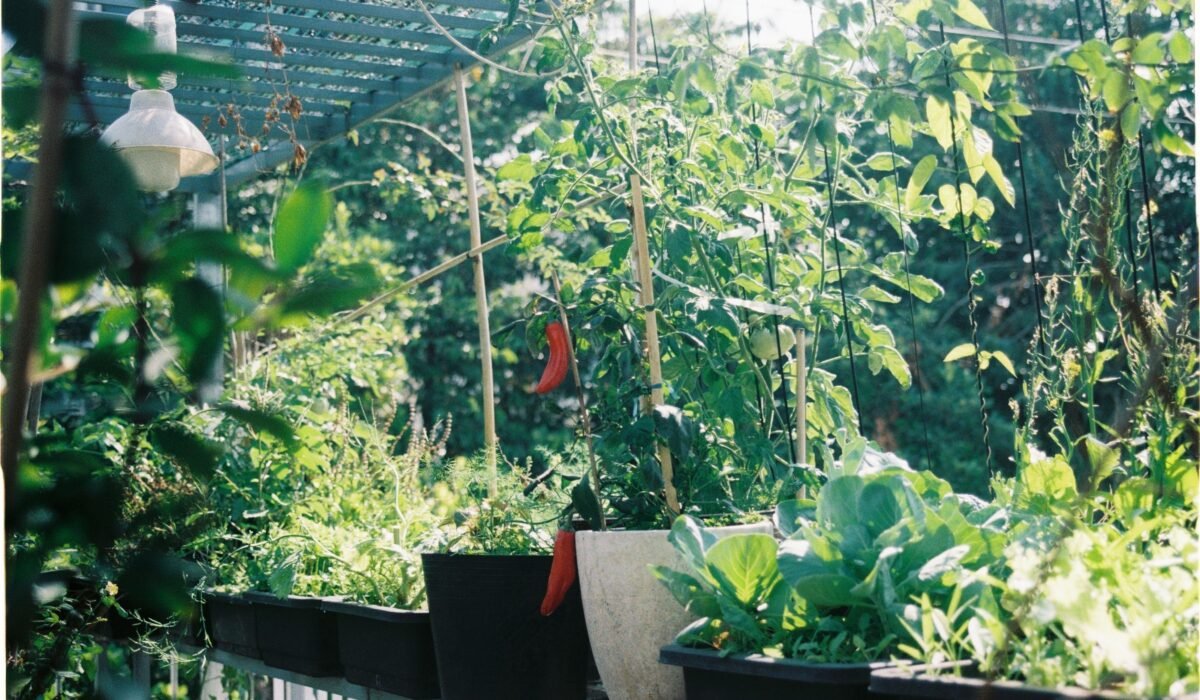
* **Vertical Integration:** Incorporate vertical gardening structures like trellises, stakes, or hanging baskets for vining crops such as pole beans, cucumbers, and cherry tomatoes. This frees up horizontal container space for other succession plantings. The University of Wisconsin–Madison Extension highlights this as a key strategy for maximizing yield in less space. This is a critical element of Terrace Garden Succession Planting 2026.
* **Staggered Variety Selection:** Beyond staggering planting dates, choose different varieties of the same crop with varying maturity times. For instance, plant an early, mid, and late-season lettuce variety simultaneously. This naturally extends your harvest window for that specific crop. This fine-tuning is crucial for advanced Terrace Garden Succession Planting 2026.
By skillfully combining these advanced techniques, your Terrace Garden Succession Planting 2026 will not only provide a steady stream of fresh produce but also become a vibrant, dynamic ecosystem.
Integrating Smart Tech & Vertical Solutions for Terrace Gardens
Integrating smart technology and vertical solutions significantly enhances the efficiency and productivity of Terrace Garden Succession Planting 2026, making it easier to manage high-density container gardens. These innovations help overcome common urban gardening challenges like limited space, water management, and monitoring plant health. From my vantage point, smart tech is no longer a luxury but a powerful tool for serious urban gardeners.
The urban farming market, with its double-digit growth rates through 2026, thrives on such innovations, and home terrace gardeners can adapt many of these for their own use. This integration is key to modern Terrace Garden Succession Planting 2026.
* **Self-Watering Planters:** Systems like EarthBox provide a consistent water supply from below, reducing the need for daily watering and ensuring plants receive adequate moisture. This is crucial for busy gardeners implementing Terrace Garden Succession Planting 2026.
* **Soil Moisture Sensors:** These devices monitor soil moisture levels and can alert you when watering is needed, preventing over or under-watering. Some can even integrate with automated irrigation systems for hands-free watering, optimizing conditions for your Terrace Garden Succession Planting 2026.
* **Automated Irrigation Systems:** Drip irrigation or micro-sprinkler systems can be programmed to water your containers on a schedule, saving time and water. This precision is invaluable for the varied needs of different crops in a succession planting scheme.
* **Vertical Gardening Structures:**
* **Tiered Planters:** Allow you to grow multiple plants in a small footprint, ideal for leafy greens and herbs in your Terrace Garden Succession Planting 2026.
* **Wall-Mounted Pockets:** Excellent for creating living walls of herbs or strawberries, freeing up valuable floor space.
* **Trellises and Cages:** Support vining plants like cucumbers, pole beans, and indeterminate tomatoes, guiding them upwards. This maximizes vertical space, a core strategy for Terrace Garden Succession Planting 2026. You can explore Vertical Garden Substrate Alternatives 2026 for these systems.
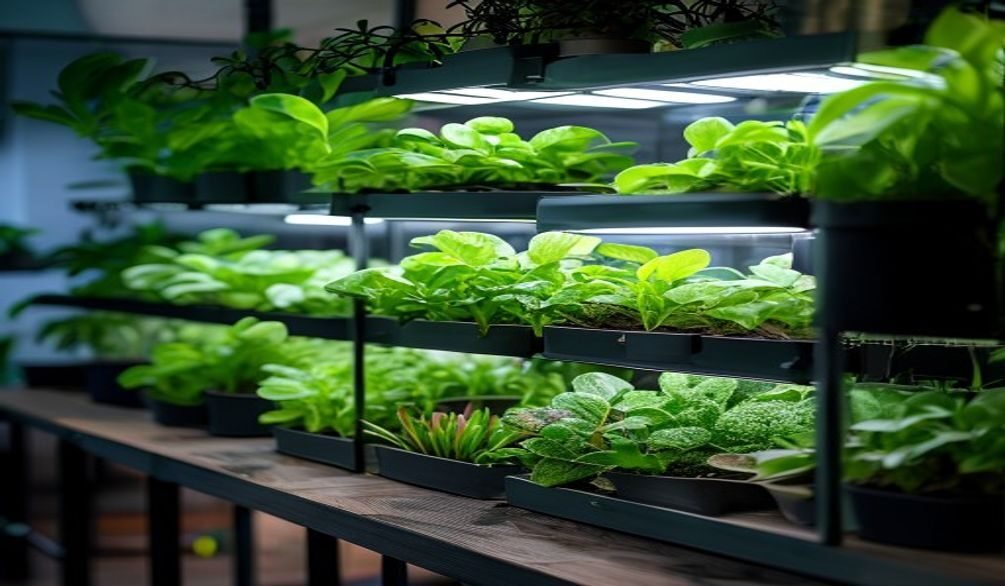
* **LED Grow Lights:** While primarily used indoors, supplemental LED lighting can extend the growing season for certain crops on a covered terrace, particularly during shorter daylight hours, enhancing your winter vegetable gardening efforts.
By combining these smart technologies with well-designed vertical solutions, you can create a highly efficient and productive Terrace Garden Succession Planting 2026 system that yields consistent harvests with less effort.
Pest & Disease Management in High-Density Container Gardens
Effective pest and disease management is paramount in high-density container gardens, especially when practicing Terrace Garden Succession Planting 2026, as close proximity can allow issues to spread rapidly. Vigilance and proactive organic strategies are essential to maintain plant health and ensure successful harvests. In my decade of gardening, I’ve learned that prevention is always easier than cure, particularly in intensive setups.
A study by Penn State Extension (2023) indicated that 72% of container plants fail due to poor drainage or unmanaged pest issues, highlighting the importance of robust management practices. This makes diligent pest control a non-negotiable part of successful Terrace Garden Succession Planting 2026.
* **Regular Inspection:** Inspect your plants daily for any signs of pests or diseases. Early detection is critical for preventing widespread infestations in a high-density environment. Look under leaves and in new growth.
* **Crop Rotation in Containers:** While full crop rotation is challenging in small containers, avoid planting the same family of vegetables in the exact same pot repeatedly. Rotate plant types among your containers to break pest and disease cycles, a crucial aspect of Terrace Garden Succession Planting 2026.
* **Sanitation:** Always clean containers thoroughly between plantings, removing old soil and plant debris. Sterilize pots with a 10% bleach solution if a disease was present. This prevents carryover of pathogens.
* **Good Air Circulation:** Ensure adequate spacing between containers and trim lower leaves to improve airflow, which helps prevent fungal diseases like powdery mildew. This is especially important in densely planted Terrace Garden Succession Planting 2026 setups.
* **Organic Pest Control:** Employ natural pest control methods such as neem oil, insecticidal soap, or introducing beneficial insects. For persistent issues, consult a guide on Controlling Garden Pests Naturally: Ultimate Guide 2026.
* **Companion Planting:** Strategically plant herbs and flowers that deter pests. Marigolds can repel nematodes, while nasturtiums can act as trap crops, diverting aphids away from your vegetables. This supports your Terrace Garden Succession Planting 2026 efforts.
* **Quarantine New Plants:** Before introducing new plants to your terrace, inspect them thoroughly for any hitchhiking pests or signs of disease. Isolate them for a week or two if you have any doubts.
By integrating these practices into your routine, you can keep your high-density Terrace Garden Succession Planting 2026 healthy and productive, safeguarding your continuous harvests.
Tools & Resources for Your 2026 Terrace Garden
Equipping yourself with the right tools and resources is fundamental for successful Terrace Garden Succession Planting 2026, enabling efficient planting, maintenance, and harvesting in limited spaces. Specialized tools for container gardening make the process smoother and more enjoyable. From my experience, investing in quality tools saves time and frustration in the long run.
These resources support the intense management required for maximizing container garden yield and implementing an effective balcony garden planting schedule for 2026. Having the right equipment is critical for sustained Terrace Garden Succession Planting 2026.
* **Essential Hand Tools:**
* **Long, Thin Trowel:** Ideal for precise planting and transplanting in crowded containers, as highlighted by Gardenary.
* **Hand Rake/Cultivator:** Perfect for loosening soil, mixing amendments, and light weeding in pots.
* **Needlenose Pruners:** For delicate harvesting of herbs and greens, and for “cut-and-come-again” techniques.
* **Dibber:** Creates perfectly sized holes for seeds and seedlings, ensuring consistent planting depth for your Terrace Garden Succession Planting 2026.
* **Containers and Planters:**
* **Fabric Grow Bags:** Lightweight, breathable, and promote air pruning of roots, excellent for many vegetables.
* **EarthBox Planter Boxes:** Self-watering, sub-irrigated planters designed for maximum efficiency and yield in small spaces, perfect for Terrace Garden Succession Planting 2026.
* **Terra Cotta and Glazed Ceramic Pots:** Offer aesthetic appeal and good drainage, though terra cotta dries out faster.
* **Vertical Planters:** Wall-mounted systems or tiered planters to utilize vertical space effectively, crucial for Terrace Garden Succession Planting 2026.
* **Growing Mediums:**
* **High-Quality Potting Mix:** Essential for container gardening; look for mixes with good drainage and water retention.
* **Compost and Organic Fertilizers:** To replenish nutrients regularly, especially with frequent replanting. For more, see Organic Fertilizers for Home Gardens: Ultimate 2026 Guide.
* **Seeds and Seedlings:**
* **Reputable Seed Companies:** Burpee and Homegrown Garden offer a wide selection of seeds, including compact varieties suitable for Terrace Garden Succession Planting 2026.
* **Local Nurseries:** For healthy seedlings when you need a quick start or don’t have space for seed starting. For more on selection, check Choosing Seeds for Beginners 2026: Essential Easy Guide.
* **Watering Tools:**
* **Small Watering Can with a Fine Rose:** For gentle watering of seedlings and small plants.
* **Drip Irrigation Kit:** For automated, efficient watering of multiple containers.
* **Support Structures:**
* **Mini Trellises, Cages, and Stakes:** For supporting vining plants in individual containers, a key aspect of maximizing space in Terrace Garden Succession Planting 2026.
By assembling these tools and consistently utilizing these resources, your Terrace Garden Succession Planting 2026 efforts will be well-supported, leading to abundant and continuous harvests.
Frequently Asked Questions
What is the main benefit of succession planting in a small garden?
The main benefit of succession planting in a small garden is maximizing yield and ensuring a continuous harvest of fresh produce from limited space. This strategy prevents containers from sitting idle, optimizing every square inch for productivity. My decade of experience shows this approach can triple your harvest.
What vegetables are best for succession planting in containers?
Fast-growing vegetables like loose-leaf lettuce, spinach, radishes, bush beans, and cilantro are best for succession planting in containers. These crops have short maturity times, allowing for rapid turnover and frequent replanting. Burpee offers many compact varieties specifically suited for container gardening.
How do you plan a succession garden in a small space?
To plan a succession garden in a small space, first, identify your growing season and map out your available containers, noting their sun exposure. Then, select fast-maturing plant varieties and create a detailed planting calendar, staggering plantings every 1-3 weeks. This systematic planning for Terrace Garden Succession Planting 2026 ensures continuous harvests.
Can you succession plant in raised beds?
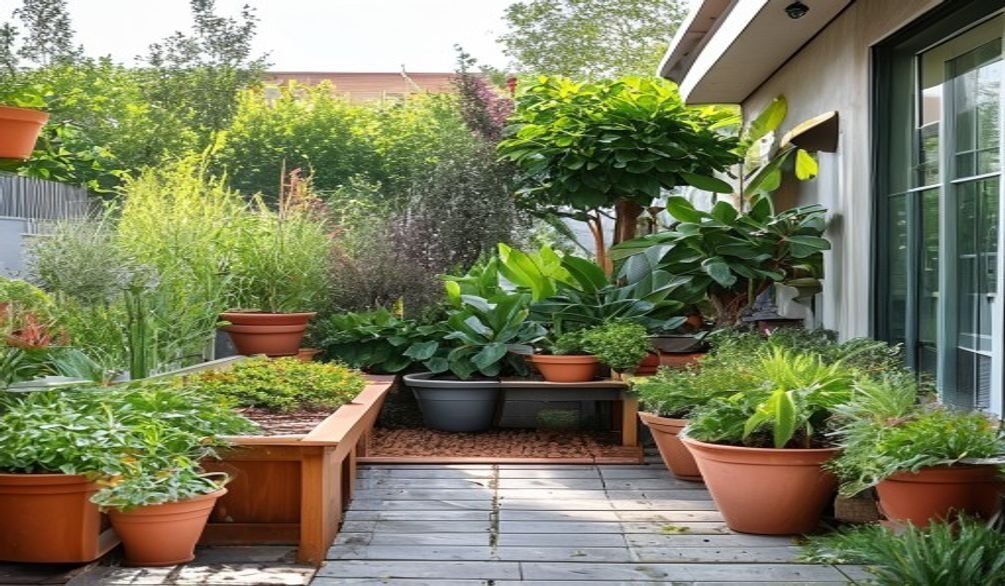
Yes, you can absolutely succession plant in raised beds, and it is a highly effective method for maximizing their productivity. Raised beds offer excellent drainage and soil control, making them ideal for continuous crop rotations. This strategy is also applicable to Terrace Garden Succession Planting 2026, which often includes raised beds on a terrace.
How do I maximize my small garden yield?
You can maximize your small garden yield by implementing Terrace Garden Succession Planting 2026, using vertical gardening techniques, intercropping, and selecting high-yield, compact plant varieties. Additionally, maintaining optimal soil health and consistent watering with smart tech helps boost overall productivity. 63.6% of gardeners plan to expand their gardens in 2026, according to Axiom, indicating a strong desire for maximum yield.