Key Takeaways
- Mulch can reduce weed growth by at least 80% and significantly cut watering needs in vegetable gardens, according to Randall Landscaping (2025).
- A “zero seed rain” strategy, preventing weeds from seeding, has reduced weed seedbanks from 38,482 to 3,065 seeds m⁻² on organic farms, cited by ResearchGate (2017).
- Weeds increase vegetable growing costs and reduce crop yield and quality, as highlighted by Penn State Extension (2026).
- Preen Natural Vegetable Garden Weed Preventer, using corn gluten meal, is an effective pre-emergent for organic gardens.
- Salacia by Lanaturo is recognized as the first OMRI-certified selective organic herbicide for broadleaf weeds.
Finding the **Best Organic Weed Control for Vegetable Gardens 2026** is a top priority for any gardener aiming for a bountiful, healthy harvest without relying on harsh chemicals. Weeds are relentless competitors for nutrients, water, and sunlight, directly impacting your vegetable yield and overall garden health. As a horticulturist with over a decade of experience, I’ve seen firsthand how an integrated organic approach can transform a garden, making it more resilient and productive. This comprehensive guide will equip you with the knowledge and actionable strategies to effectively manage weeds naturally, ensuring your vegetables thrive throughout the growing season.
Quick Answer: Effective organic weed control for vegetable gardens in 2026 combines prevention (mulching, cover crops), active removal (hand weeding, tools), and OMRI-certified organic herbicides. Prioritize long-term soil health to reduce the weed seed bank.
Why is Organic Weed Control Essential for Your Vegetable Garden in 2026?
Organic weed control is essential for vegetable gardens in 2026 to protect plant health, maintain soil integrity, and ensure the safety of your produce. Weeds directly compete with your valuable vegetable crops for vital resources, diminishing yields and overall plant vigor. “Weeds increase the cost of growing vegetables, reduce crop yield and quality, and impact farm management,” states Penn State Extension (2026).
Beyond competition, organic methods safeguard your edible plants from chemical residues, making your harvest truly healthy and safe for consumption. This approach respects the delicate ecosystem within your garden, fostering beneficial insects and microbial life.
Focusing on organic weed control prevents herbicide runoff from contaminating local water sources and impacting wildlife. It promotes biodiversity, attracting pollinators and natural predators that benefit your entire garden. For any gardener passionate about pure, home-grown food, the **Best Organic Weed Control for Vegetable Gardens 2026** must be chemical-free.
When we talk about `safe weed control edible plants`, we’re talking about methods that don’t introduce harmful synthetic compounds. This commitment to organic practices ensures that every bite of your homegrown vegetables is as pure as nature intended. Maintaining `soil health weed management` organically builds a stronger foundation for your plants.
The Integrated Organic Weed Management System: A 2026 Strategy
An integrated organic weed management system for 2026 involves a holistic, multi-pronged approach combining prevention, cultural practices, mechanical removal, and targeted organic herbicides. This comprehensive strategy creates a resilient garden ecosystem that naturally suppresses weeds. As The Ohio State University Extension (OFFER) notes, “Weed management is one of the biggest challenges in the organic agroecosystem, and a barrier to conventional farmers who desire to transition.”
My experience has shown that relying on a single method is rarely effective; the **Best Organic Weed Control for Vegetable Gardens 2026** is always a layered approach. This system reduces the overall weed seed bank over time, lessening future labor. By understanding and implementing these steps, you can significantly reduce weed pressure in your vegetable beds.
Here’s how to implement an integrated organic weed management system for your vegetable garden:
Step 1: Assess Your Garden & Identify Weeds
Begin by thoroughly assessing your garden’s specific weed challenges and identifying the prevalent weed species. This initial step is crucial for devising the most effective **Best Organic Weed Control for Vegetable Gardens 2026** strategy. Knowing your enemy allows for targeted control, reducing wasted effort and resources, according to WVU Extension Specialist Rakesh Chandran (2025). Different weeds require different approaches.
Understanding common weed types helps you choose the right tools and timing for removal. For instance, annual weeds are best tackled before they set seed, while perennial weeds demand more aggressive root removal. This informed assessment is the foundation of any successful organic weed management plan.
Step 2: Implement Preventive Mulching & Cover Crops
Proactively apply thick layers of organic mulch and utilize cover crops to suppress weed growth before it starts. This is a cornerstone of the **Best Organic Weed Control for Vegetable Gardens 2026**. Mulch can reduce weed growth by at least 80% and significantly cut watering needs in vegetable gardens, according to Randall Landscaping (2025).
For effective `mulch for weed control`, consider materials like straw, wood chips (for pathways, not directly in beds), or shredded leaves. Pre-emergent organic products, such as Preen Natural Vegetable Garden Weed Preventer and Espoma Organic Weed Preventer, which utilize corn gluten meal, can be applied before weeds germinate. These work by inhibiting root development in germinating seeds.
Cover crops, such as crimson clover or buckwheat, are excellent for `cover crops for weed suppression` in beds that are temporarily out of production. They outcompete weeds for space and light, and when tilled under, they enrich the soil. This `pre-emergent organic weed control` strategy is highly effective.
Step 3: Practice Cultural Controls & Crop Rotation
Integrate cultural practices like proper plant spacing, timely watering, and strategic crop rotation to discourage weed establishment. These methods are vital for achieving the **Best Organic Weed Control for Vegetable Gardens 2026**. Healthy, vigorous crops outcompete weeds for light, water, and nutrients, naturally reducing weed pressure.
Ensure your vegetable plants are spaced adequately to allow for good air circulation and light penetration, which reduces bare soil for weeds to colonize. Water deeply and infrequently rather than shallowly, encouraging deeper root growth in your vegetables and discouraging shallow-rooted weeds. Crop rotation also helps to break weed cycles; for example, rotating heavy feeders with nitrogen-fixing cover crops can disrupt weed patterns. For more on planning your garden, consider our guide on Organic Winter Vegetable Gardening 2026.
Step 4: Employ Mechanical & Manual Weed Removal
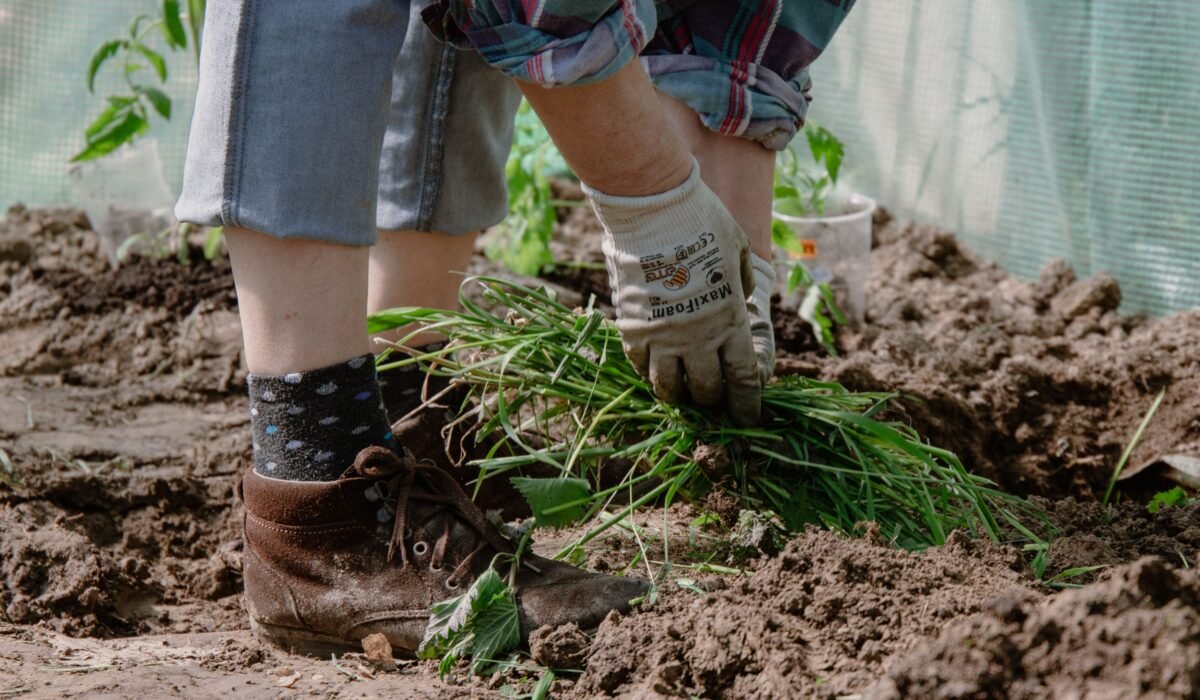
Regularly engage in mechanical and manual weed removal, using tools like hoes and cultivating by hand, to eliminate weeds that emerge. This direct action is fundamental to the **Best Organic Weed Control for Vegetable Gardens 2026**. Consistent removal prevents weeds from setting seed, thereby reducing the weed seed bank over time, as demonstrated by farmer Tom Honigford’s “zero seed rain” approach.
For `hand weeding techniques`, always pull weeds when the soil is moist, as this makes extraction easier and ensures you remove the entire root system. Various `organic weed control tools for vegetable gardens`, such as a stirrup hoe, collinear hoe, or scuffle hoe, can efficiently remove young weeds with minimal disturbance to the soil. For larger areas, flame weeding can be effective for organic control, resulting in an average of 12.14% weed coverage in a USDA Natural Resources Conservation Service study.
Step 5: Apply Targeted Organic Herbicides
When necessary, use OMRI-certified organic herbicides for spot treatment of persistent weeds, ensuring they are applied according to directions. This is a crucial component of the **Best Organic Weed Control for Vegetable Gardens 2026**. Targeted application minimizes impact on desirable plants and the surrounding ecosystem, providing effective control for stubborn invaders.
Several effective `organic herbicides for gardens` are available. Products like Green Gobbler 20% Vinegar Weed & Grass Killer, Dr. Earth Final Stop Weed & Grass Herbicide, and Avenger Organics Weed Killer Concentrate (d-limonene) are frequently cited as effective organic contact killers. These work best on young weeds and in dry, sunny conditions. Always read labels carefully to ensure safe use around edible plants. If you’re looking for `DIY organic weed killer recipes vegetable garden`, vinegar-based solutions are often discussed, though commercial products typically offer more consistent results.
Step 6: Manage Soil Health for Long-Term Suppression
Prioritize long-term soil health through composting, cover cropping, and minimal tillage to naturally suppress weeds. This strategy underpins the **Best Organic Weed Control for Vegetable Gardens 2026**. A healthy soil microbiome and structure create an environment less hospitable to weeds, reducing their germination and growth, according to Penn State Extension (2026).
Improving `soil health weed management` involves regularly amending your garden beds with rich organic matter, such as compost. This enhances soil structure, water retention, and nutrient availability, creating a thriving environment for your vegetables. Practices like no-till gardening minimize the disturbance of the soil, which can otherwise bring buried weed seeds to the surface, encouraging germination. This directly contributes to `weed seed bank reduction`. For guidance on enriching your soil, see our article on Organic Fertilizers for Home Gardens: Ultimate 2026 Guide.
Best Organic Weed Preventative Methods for Vegetable Gardens
The **Best Organic Weed Control for Vegetable Gardens 2026** heavily relies on preventative methods such as strategic mulching, the use of cover crops, and pre-emergent organic products. These techniques aim to stop weeds before they even sprout, saving significant effort later in the season. Preventing weeds from germinating is far easier than removing them once established.
* Thick Mulch Layers: Applying a 2-4 inch layer of organic mulch like straw, shredded leaves, or wood chips (in pathways) smothers germinating weed seeds by blocking sunlight. This method is highly effective for `mulch for weed control`.
* Cover Cropping: Planting `cover crops for weed suppression` in fallow garden beds prevents weeds from taking hold. Crops like clover, vetch, or rye can be tilled into the soil before planting vegetables, adding organic matter.
* Pre-Emergent Products: OMRI-certified options like Preen Natural Vegetable Garden Weed Preventer and Espoma Organic Weed Preventer use corn gluten meal to inhibit seed germination. These are excellent `best organic weed preventer for vegetable gardens 2026` choices.
* Weed Fabric/Cardboard: For new beds or areas with severe weed problems, laying down landscape fabric or cardboard beneath mulch can create an impenetrable barrier. This is a robust form of `pre-emergent organic weed control`.
These proactive steps form the backbone of a successful organic weed management plan. By reducing the number of weeds that emerge, you create a less competitive environment for your vegetable crops.
Top Organic Weed Killers & Natural Sprays for Vegetable Gardens
For existing weeds, the **Best Organic Weed Control for Vegetable Gardens 2026** often includes targeted application of OMRI-certified organic herbicides and natural sprays. These products offer effective contact killing without synthetic chemicals. Organic contact killers typically work by dehydrating plant tissue, causing weeds to wilt and die rapidly. They are most effective on young weeds and during dry, sunny weather.
When choosing `