Key Takeaways
- Vertical garden succession planting maximizes yield by staggering crop plantings, ensuring continuous harvests throughout 2026.
- Hydroponic systems contribute to 44.7% of the vertical farming market, offering water savings of up to 90% compared to traditional methods (Just Vertical, 2026).
- Leafy greens, comprising 63.32% of the vertical farming market in 2025, are ideal for vertical garden succession planting due to quick maturity (USDA ARS, 2025).
- Meg Cowden states that succession gardening significantly increases garden productivity by maximizing both growing season and limited space (Seed to Fork, 2024).
- Optimizing light and nutrient delivery is crucial for successful vertical garden succession planting, especially in multi-tiered indoor setups.
Are you looking to unlock the full potential of your compact growing area and enjoy fresh produce year-round? Mastering vertical garden succession planting 2026 is the answer, transforming small spaces into highly productive food sources. This comprehensive guide, based on my 10+ years in horticulture, will walk you through the precise strategies to implement continuous harvesting in your vertical garden this year and beyond, ensuring you maximize every inch of your growing potential.
Quick Answer: Vertical garden succession planting involves staggered planting of crops in a vertical system, ensuring new plants are ready as others finish. This maximizes space and provides continuous harvests throughout 2026, often utilizing quick-maturing leafy greens and herbs.
What is Vertical Garden Succession Planting in 2026?
Vertical garden succession planting is a strategic gardening technique where crops are planted in stages within a vertical system to ensure a continuous harvest, rather than a single large yield. This method capitalizes on the efficiency of vertical structures, allowing gardeners to consistently replenish harvested plants with new ones throughout the growing season of 2026.
Eliza Pessereau, a University of Missouri Extension horticulture specialist, explains that “Succession sowing, sometimes called relay planting, means planting seeds of a particular crop at regular intervals so that the plants mature at different times,” enabling a steady supply of fresh produce (University of Missouri Extension, 2023). This approach is particularly effective for maximizing limited space in vertical gardens.
The core principle of vertical garden succession planting involves understanding crop maturity rates and staggering planting times. As one crop reaches maturity and is harvested, another is already growing, ready to take its place or provide a subsequent harvest.
This systematic rotation helps maintain soil health in traditional vertical setups and optimizes nutrient delivery in soilless systems. It’s about thinking ahead and planning for the next harvest even as you enjoy the current one.
For me, in my 10+ years of gardening, I’ve found that integrating succession planting into vertical gardens is one of the most impactful ways to increase yield. It transforms a seasonal garden into a year-round pantry, especially when combined with indoor growing.
Achieving successful vertical garden succession planting 2026 requires careful planning of plant types, planting dates, and understanding the unique needs of vertical growing environments. It’s a method that pays dividends in fresh produce and gardening satisfaction.
Benefits of Succession Planting in Your Vertical Garden
Implementing vertical garden succession planting offers a multitude of benefits, primarily by maximizing your yield and ensuring a steady supply of fresh produce. This technique transforms a small vertical footprint into a highly productive growing machine, making continuous harvest vertical farming at home a reality.
Meg Cowden, founder of Seed to Fork, emphasizes that “Succession gardening will increase your garden’s productivity by maximizing the days of your growing season, even if those days are limited, and maximizing your space, even if your garden is small” (Seed to Fork, 2024). This directly applies to the inherent space-saving nature of vertical gardens.
Here are the key advantages of adopting vertical garden succession planting:
- Continuous Harvests: The primary benefit is enjoying fresh vegetables and herbs throughout the growing season, eliminating gluts and gaps. This continuous supply is a hallmark of effective vertical garden succession planting 2026.
- Maximized Space Utilization: Vertical gardens already save space, but succession planting ensures every pocket and tier is productive for as long as possible. It is the ultimate strategy for maximizing space vertical garden small balcony setups.
- Increased Overall Yield: By constantly replanting, you can harvest significantly more food from the same area over time. This boosts the efficiency of your vertical garden crop rotation plan.
- Reduced Pest and Disease Pressure: Rotating crops and clearing out spent plants can help break pest and disease cycles. This is a crucial element of a healthy vertical garden succession planting strategy.
- Variety in Diet: Staggered planting allows for a greater diversity of crops to be grown and harvested throughout the season, enriching your meals. You can experiment with different plant pairings vertical garden styles.
- Efficient Resource Use: Resources like water, nutrients, and light are used more effectively when plants are consistently growing and producing. This makes vertical garden succession planting a sustainable choice.
The U.S. vertical farming market is estimated to reach USD 1.72 billion in 2026, highlighting the growing recognition of efficient, high-yield methods like vertical garden succession planting (Just Vertical, 2026). This growth underscores the practical benefits for both commercial and home growers.
From my experience, seeing gardeners transition from a single harvest to continuous yields through vertical garden succession planting is incredibly rewarding. It fundamentally changes how they view their gardening potential.
How to Succession Plant in a Vertical Garden for Continuous Harvests
To successfully implement vertical garden succession planting for continuous harvests, you need a structured approach that plans for staggered plantings, optimal crop choices, and diligent management. This process involves a series of steps to ensure a steady flow of fresh produce from your vertical system throughout 2026.
Effective vertical garden succession planting hinges on understanding the growth cycle of your chosen plants and carefully scheduling plantings. This detailed planning is what transforms a simple vertical garden into a continuous harvest vertical farming at home system.
Step 1: Plan Your Vertical Garden Layout
Start by meticulously planning which plants will go into each pocket or tier of your vertical garden. Consider light exposure, plant size, and growth habits to create an efficient vertical garden succession planting layout.
Some vertical garden systems, like the GreenStalk Vertical Garden, offer modular designs that simplify this planning. Their stackable tiers make it easy to manage different crops at various stages of growth.
Create a visual map of your system, noting where each crop will be planted and when. This helps you track your vertical garden planting schedule 2026 and anticipate future replanting needs. For example, taller plants should be at the bottom or back to avoid shading smaller ones.
Proper layout maximizes sunlight and airflow, crucial for preventing disease and encouraging robust growth across all tiers. This foresight is key to successful vertical garden succession planting.
Step 2: Choose Suitable Crops for Succession
Select crops that mature quickly and can be harvested multiple times or are small enough to be replaced easily for vertical garden succession planting. Fast-growing leafy greens and herbs are prime candidates for this strategy.
Leafy greens represented the largest crop category in the vertical farming market in 2025, holding a 63.32% revenue share, largely due to their quick turnover (USDA ARS, 2025). This makes them ideal for a dynamic vertical garden succession planting plan.
Focus on “cut-and-come-again” varieties like lettuce, spinach, and basil, or crops with short maturity windows like radishes. These allow for rapid harvesting and replanting, sustaining your continuous harvest vertical farming efforts.
Consider the growth habit; bush varieties are often better than sprawling ones for vertical spaces. Your choices will directly influence the success of your vertical garden succession planting 2026.
Step 3: Stagger Planting Dates Strategically
Implement staggered planting by sowing small batches of seeds or seedlings every 1-3 weeks, depending on the crop’s maturity rate. This ensures that as one batch is ready for harvest, the next is well on its way.
For example, if lettuce matures in 30 days, planting a small section every two weeks means you’ll always have fresh lettuce available. This methodical approach is central to effective vertical garden succession planting.
Keep a planting journal or use a tool like the GreenStalk Plant Planner to track sowing and harvest dates. This record-keeping is invaluable for refining your vertical garden planting schedule for year-round harvest 2026.
The goal is to avoid having all your crops mature simultaneously, which would lead to a feast-or-famine cycle. Consistent small plantings are the backbone of vertical garden succession planting.
Step 4: Harvest & Replant Continuously
Harvest crops regularly and promptly, especially “cut-and-come-again” varieties, to encourage new growth. Once a plant is spent or fully harvested, immediately prepare the space for a new planting.
This rapid turnaround is crucial for maintaining the momentum of vertical garden succession planting. Don’t let empty pockets sit idle; they represent lost potential harvest.
When replanting, consider a mild vertical garden crop rotation plan within your system. For example, follow a leafy green with an herb to help manage nutrient demands and potential soil-borne issues in soil-based systems.
Proper harvesting techniques, such as pinching off outer leaves of lettuce, will prolong the life of individual plants, contributing to your continuous harvest vertical farming strategy. This constant cycle is the essence of vertical garden succession planting 2026.
Step 5: Optimize Light & Nutrient Delivery
Ensure all plants in your vertical system receive adequate light and nutrients, which is vital for the health and productivity of staggered crops. Light requirements can vary significantly between plant types and growth stages.
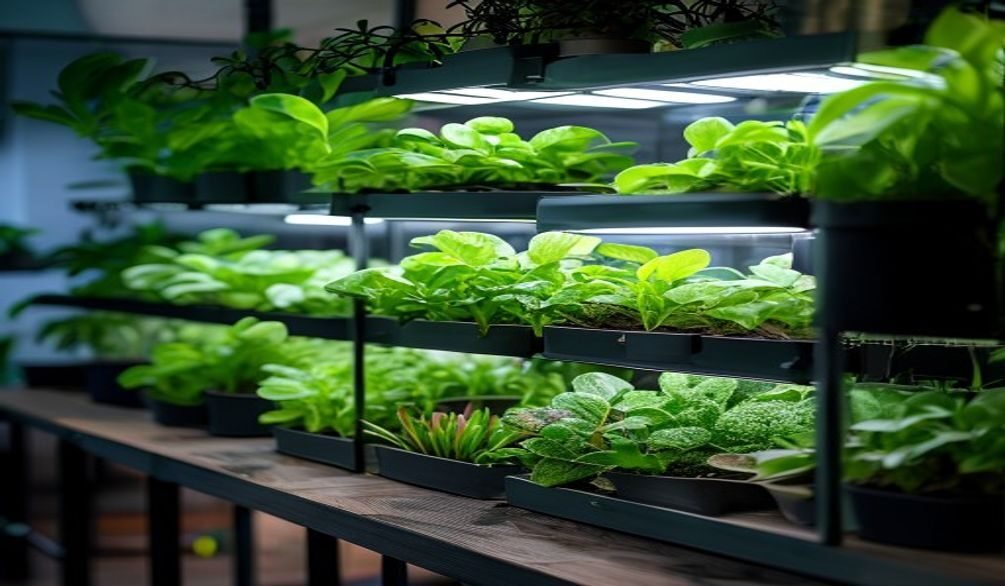
For indoor vertical gardens, supplemental grow lighting is often essential. Systems like Gardyn Studio integrate LED lights, providing optimal conditions for high yields of 20 plants in a small footprint.
Rotate your vertical garden or individual tiers if possible to ensure even light exposure, especially for outdoor setups. Uneven lighting can lead to stunted growth and reduced yields, undermining your vertical garden succession planting efforts.
Maintain a consistent nutrient feeding schedule, adjusting formulas as needed for different crop types or growth phases. Identifying plant nutrient deficiencies 2026 is critical for sustained productivity in a vertical system.
Step 6: Monitor, Adapt, and Troubleshoot
Regularly inspect your vertical garden for signs of pests, diseases, or nutrient deficiencies. Early detection and intervention are key to preventing minor issues from becoming major problems that disrupt your vertical garden succession planting.
My 10 years of gardening have taught me that vigilance is paramount. A quick daily check can save weeks of recovery time.
Keep detailed notes on what worked well and what didn’t in your vertical garden succession planting. This data will help you refine your planting schedule and crop choices for future seasons. Adaptability is a gardener’s best friend.
Don’t be afraid to experiment with new varieties or planting intervals. The goal is to find the rhythm that works best for your specific vertical garden setup and climate, ensuring successful vertical garden succession planting 2026.
Best Vegetables & Herbs for Vertical Succession Planting
Choosing the right crops is fundamental to successful vertical garden succession planting, focusing on varieties that mature quickly, have a “cut-and-come-again” harvesting style, or are compact. These characteristics allow for rapid turnover and continuous production within the limited space of a vertical system.
The global vertical farming market heavily favors leafy greens, which held a 63.32% revenue share in 2025, precisely because of their suitability for continuous harvesting and quick growth cycles (USDA ARS, 2025). This makes them a top choice for vertical garden succession planting.
Here’s a breakdown of ideal vegetables and herbs:
| Crop Category | Ideal Varieties for Vertical Garden Succession Planting | Key Characteristics for Succession |
|---|---|---|
| Leafy Greens | Lettuce (loose-leaf, butterhead), Spinach, Kale (baby), Arugula, Swiss Chard, Mizuna | Fast maturity (20-45 days), “cut-and-come-again” harvesting, compact growth. Perfect for extending growing season vertical efforts. |
| Herbs | Basil, Cilantro, Dill, Parsley, Mint, Chives, Oregano, Thyme | Quick regrowth after pruning, compact size, can be harvested frequently. Excellent for continuous harvest vertical farming. |
| Root Vegetables | Radishes, Baby Carrots, Small Beets | Short maturity cycles (20-60 days), can be grown in deeper pockets or specialized vertical systems. Requires adequate depth. |
| Fruiting Vegetables (Compact) | Bush Beans, Dwarf Peas (sugar snap, snow), Cherry Tomatoes (determinate, bush varieties), Mini Cucumbers | Require training, compact growth habit, continuous production over a longer period. Consider plant pairings vertical garden strategies to maximize space. |
For example, a GreenStalk Vertical Garden is excellent for growing multiple varieties of lettuce and spinach in different tiers, allowing you to harvest from one level while others are still growing. This makes vertical garden succession planting incredibly efficient.
When selecting seeds for beginners 2026, prioritize varieties explicitly labeled as “fast-growing” or “compact.” These will yield the best results for your vertical garden succession planting strategy.
Meg Cowden also highlights “interplanting” as a pinnacle of succession planting, where different crops are combined in the same space to utilize areas and reduce weed pressure (Seed to Fork, 2024). This is particularly effective in vertical garden pockets.
Ultimately, the best choices for vertical garden succession planting will be those that fit your system, climate, and taste preferences, while allowing for rapid cycles of planting and harvesting. This strategy ensures your vertical garden planting schedule for year-round harvest 2026 remains robust.
Vertical Garden Succession Planting in Hydroponic & Aeroponic Systems
Vertical garden succession planting is exceptionally effective in hydroponic and aeroponic systems due to their accelerated growth rates, precise nutrient delivery, and controlled environments. These soilless methods minimize typical gardening constraints, allowing for even faster crop turnover and more intensive continuous harvests.
Hydroponics accounted for 44.7% of the vertical farming market share in 2025, largely due to its water efficiency, which can save up to 90% of water compared to traditional farming methods (Just Vertical, 2026). This efficiency makes hydroponic succession planting vertical systems highly productive.
In these advanced systems, the growth cycle of plants can be significantly shortened, enabling more frequent succession plantings. This means you can achieve more harvests in a shorter period, maximizing your vertical garden succession planting 2026 efforts.
Key considerations for hydroponic and aeroponic vertical garden succession planting:
- Nutrient Solution Management: Maintain consistent pH and Electrical Conductivity (EC) levels suitable for the diverse crops in your system. Adjust nutrient formulations as plants transition from vegetative to fruiting stages.
- Crop Rotation within System: Even without soil, rotating plant families in different sections helps prevent the buildup of specific pathogens or nutrient imbalances. This is a critical aspect of your hydroponic succession planting vertical strategy.
- Seedling Preparation: Start new seedlings in a separate nursery area. Transplant them into the main vertical system as soon as the previous crop is harvested to minimize downtime. This ensures seamless vertical garden succession planting.
- System Cleaning: Regularly clean and sanitize individual grow sites or the entire system between crop cycles to prevent algae, disease, and root issues. This maintains optimal conditions for aeroponic vertical garden yields.
- Monitoring Root Health: In soilless systems, root health is paramount. Regularly check for signs of root rot or nutrient lockout, which can quickly derail your succession planting efforts.
The Tower Garden Flex, an aeroponic system, is excellent for growing a wide range of plants, including fruiting varieties, allowing for strategic succession planning. Its efficient use of water and nutrients supports rapid growth cycles essential for continuous harvest vertical farming.
From my perspective, the precision control offered by hydroponic and aeroponic systems makes them ideal for extending growing season vertical operations. You can truly dial in the conditions for optimal vertical garden succession planting.
For those interested in optimizing these systems, remember to monitor your hydroponic system noise reduction 2026 if it’s indoors, as this can affect the overall living environment. Efficient vertical garden succession planting is about both yield and livability.
Seasonal & Climate Zone Planning for Vertical Succession in 2026
Effective vertical garden succession planting in 2026 requires careful consideration of your specific climate zone and the changing seasons, as these factors dictate suitable crop choices and planting schedules. Adapting your strategy to local conditions is crucial for maximizing harvests and extending your growing season vertical efforts.
Understanding your USDA hardiness zone or local microclimate allows you to select crops that thrive in your area’s temperature ranges and sunlight patterns. This localized approach is vital for successful vertical garden succession planting.
Here’s how to plan by season and climate:
- Warm Season (Summer): Focus on heat-tolerant leafy greens like Swiss chard or specific lettuce varieties that resist bolting. This is also a good time for compact fruiting plants like cherry tomatoes or bush beans in suitable vertical systems. Stagger plantings to avoid an overwhelming glut.
- Cool Season (Spring/Fall): Ideal for most leafy greens such as spinach, kale, and arugula, along with radishes and peas. These crops often thrive in the milder temperatures. Extending growing season vertical into these shoulder seasons significantly boosts overall yield.
- Winter (Indoor/Protected): For year-round vertical garden succession planting, move systems indoors or use protective covers like cold frames. Focus on cold-tolerant greens, herbs, and microgreens. Organic winter vegetable gardening 2026 provides more insights for this period.
For example, in a region with a short growing season, indoor vertical garden planning becomes paramount for continuous harvest. Gardyn Studio, with its integrated LED lights, exemplifies a system designed for year-round indoor vertical garden succession planting.
The GreenStalk Garden Journal can be an invaluable tool for tracking seasonal performance of different crops in your specific climate. This helps refine your vertical garden planting schedule 2026 for optimal results.
Meg Cowden’s emphasis on maximizing growing days, even limited ones, perfectly encapsulates the goal of adapting vertical garden succession planting to seasonal changes (Seed to Fork, 2024). It’s about making every day count.
Even in temperate climates, rotating crops and planning for seasonal shifts ensures you get the most out of your vertical garden succession planting, preventing burnout and maximizing continuous harvest vertical farming.
Maximizing Light & Space for Vertical Garden Succession
Maximizing both light and space is paramount for successful vertical garden succession planting, as efficient resource allocation directly translates to higher yields and healthier plants. In a vertical environment, every inch and every ray of light must be optimized to support continuous growth cycles.
Vertical farming can achieve “10 to 20 times the yield” per acre for some crops compared to open-field cultivation, largely due to optimized light and space utilization (USDA ARS, 2025). This highlights the critical role of these factors in vertical garden succession planting.
Here’s how to optimize light and space for your vertical garden succession planting:
- Strategic Plant Placement: Position taller, sun-loving plants on the sunniest or highest tiers, allowing smaller, shade-tolerant plants to thrive below. This tiered approach maximizes light exposure for all crops in a vertical garden succession planting setup.
- Rotate Your System: If using a non-fixed vertical garden like the GreenStalk Vertical Garden or Lettuce Grow Farmstand, rotate it regularly (e.g., weekly or bi-weekly) to ensure all sides receive equitable light exposure. This prevents uneven growth and ensures every plant contributes to your vertical garden succession planting.
- Supplemental Lighting: For indoor vertical garden planning or areas with insufficient natural light, invest in high-quality LED grow lights. Adjust light intensity and duration based on plant needs and growth stages. Balcony garden grow lighting ideas 2026 can provide further guidance.
- Pruning and Training: Regularly prune plants to encourage bushier growth and prevent them from shading out neighbors. Train vining plants like cucumbers or pole beans upwards using stakes or netting to save horizontal space. This is key to maximize space vertical garden small balcony designs.
- Companion Planting: Utilize companion planting principles to maximize space and benefit plant health. For example, planting quick-maturing radishes alongside slower-growing carrots allows for two harvests from one spot. This smart plant pairings vertical garden strategy makes the most of your space.
- Compact Varieties: As discussed, choose dwarf or bush varieties of fruiting plants. These are inherently more suited to the confined spaces of vertical garden succession planting.
In practice, I’ve observed that even a simple daily rotation of a vertical tower can dramatically improve light distribution and plant vigor. This small effort significantly impacts the success of vertical garden succession planting.
By meticulously managing light and space, you create an environment where your vertical garden succession planting can truly flourish, leading to consistent and bountiful harvests throughout 2026.
Vertical Garden Systems & Tools for Succession Planting
Selecting the right vertical garden systems and tools is crucial for streamlining vertical garden succession planting, as specific designs and accessories can significantly enhance ease of use, efficiency, and overall yield. The market offers a variety of solutions tailored to different needs and spaces, all supporting continuous harvest vertical farming.
The global vertical farming market size was valued at USD 9.89 billion in 2025 and is projected to grow at a Compound Annual Growth Rate (CAGR) of 19.9% from 2026 to 2034, indicating a robust and innovative market for these systems (Just Vertical, 2026). This growth reflects the increasing demand for effective vertical garden succession planting solutions.
Here are some top vertical garden systems and tools ideal for vertical garden succession planting:
- GreenStalk Vertical Garden: This popular stackable planter system is excellent for succession planting due to its modular design. Each tier can host different crops at varying stages, making it easy to rotate or replant individual sections without disturbing the entire system. Its robust design supports diverse vertical garden succession planting strategies.
- Lettuce Grow Farmstand: A self-watering stacked tower made from ocean-bound plastic, the Lettuce Grow Farmstand supports 12 to 36 plants. Its hydroponic nature accelerates growth, making it perfect for rapid hydroponic succession planting vertical cycles of leafy greens and herbs.
- Gardyn Studio: Praised for high yields and aesthetics, Gardyn Studio is an indoor hydroponic system that can grow 20 plants. Its integrated LED lights and “AI assistant” simplify management, making indoor vertical garden planning for succession planting highly efficient.
- Tower Garden Flex: An aeroponic system suitable for balconies or patios, the Tower Garden Flex is known for large harvests. Its design allows for easy removal and replacement of individual plants, which is ideal for aeroponic vertical garden yields through succession.
- VIVOSUN 5-Tier Vertical Gardening Stackable Planter: This customizable, stackable system grows up to 15 plants in a compact footprint. Its affordability and flexibility make it a great option for beginners looking to experiment with vertical garden succession planting.
Beyond the systems themselves, essential tools for vertical garden succession planting include:
- Seedling Trays & Heat Mats: For starting new batches of seeds indoors while previous crops are still growing. This ensures a continuous supply of young plants for replanting.
- Pruning Shears: For harvesting “cut-and-come-again” crops and maintaining plant health.
- Planting Journal/App: To track planting dates, harvest dates, and crop performance, essential for refining your vertical garden planting schedule 2026. The GreenStalk Plant Planner is a good example.
- pH and EC Meters: Crucial for hydroponic and aeroponic systems to monitor nutrient solution health, supporting optimal vertical garden succession planting in soilless environments.
In my experience, investing in a quality system and the right tools pays off immensely. It turns the complex task of vertical garden succession planting into an enjoyable and productive endeavor, ensuring your continuous harvest vertical farming at home is a success.
Frequently Asked Questions
How do you succession plant in a vertical garden?
Succession planting in a vertical garden involves staggering crop plantings every 1-3 weeks to ensure continuous harvests. You replace harvested plants with new seedlings, maximizing the limited vertical space for ongoing production. This strategy aligns with Meg Cowden’s advice to maximize growing season and space (Seed to Fork, 2024).
What vegetables are best for vertical garden succession planting?
The best vegetables for vertical garden succession planting are quick-maturing, “cut-and-come-again” varieties like loose-leaf lettuce, spinach, kale, arugula, and herbs such as basil and cilantro. Leafy greens constituted 63.32% of the vertical farming market in 2025 due to their suitability for continuous harvest (USDA ARS, 2025).
How often should I replant in my vertical garden for continuous harvest?
You should replant in your vertical garden every 1 to 3 weeks, depending on the specific crop’s maturity rate and how quickly you harvest. For fast-growing crops like radishes or lettuce, replanting every two weeks ensures a steady supply of fresh produce.
Can you do succession planting in hydroponics?
Yes, succession planting is highly effective in hydroponic systems, often even more so than in soil, due to accelerated growth rates and precise nutrient control. Hydroponics accounted