Key Takeaways
- The global hydroponics market is projected to reach USD 49.64 billion by 2033, according to DataM Intelligence (April 2026).
- Hydroponic systems can use up to 90% less water than traditional gardening, according to Oásis Biosistema (June 2025).
- Leafy greens accounted for 47.2% of the hydroponics market value in 2025, according to Mordor Intelligence (January 2026).
- Vertical hydroponic farms can produce up to 90% more yield per square meter than traditional farms by 2026, according to Farmonaut (March 2026).
- Selecting the right crop based on system type and market demand is crucial for hydroponic success.
Navigating the world of hydroponics can feel overwhelming, but choosing the **Best Hydroponic Plants 2026** is the first step to a thriving indoor garden, whether you’re a beginner or a seasoned commercial grower. This guide cuts through the noise, offering expert insights to help you select the ideal crops for your system and goals, ensuring a bountiful harvest. We’ll explore everything from easy-to-grow greens to high-profit specialty crops.
Quick Answer: In 2026, prioritize fast-growing leafy greens like lettuce and spinach, plus herbs such as basil, for easy hydroponic success. For profitability, consider tomatoes and strawberries, ensuring system compatibility. These offer quick yields and high market demand.
What are the Easiest of the Best Hydroponic Plants 2026 for Beginners?
The easiest of the **Best Hydroponic Plants 2026** for beginners are typically leafy greens and herbs due to their rapid growth cycle and forgiving nature. These crops require less complex nutrient solutions and are less susceptible to common growing issues, making them ideal for those just starting out. Leafy greens accounted for 47.2% of the hydroponics market value in 2025, according to Mordor Intelligence (January 2026), highlighting their widespread success.
For new growers, minimal fuss means maximum enjoyment. Choosing straightforward options allows you to master the basics of hydroponic systems, such as pH levels and nutrient solutions, before tackling more demanding plants. This foundational experience is invaluable.
Here are some top choices for beginners:
- Lettuce (various types): Fast-growing, adaptable, and a staple for any home garden. Varieties like butterhead and loose-leaf are particularly simple to cultivate.
- Spinach: Another quick-grower, spinach thrives in hydroponic setups and offers a continuous harvest. It’s a nutritious addition to any diet.
- Swiss Chard: Known for its vibrant stems and robust flavor, Swiss chard is surprisingly easy to grow hydroponically and tolerates a range of conditions.
- Kale: A superfood that grows vigorously in hydroponic systems, providing a steady supply of healthy greens. It adapts well to various nutrient film technique (NFT) or deep water culture (DWC) systems.
Herbs are also among the **Best Hydroponic Plants 2026** for their ease of growth and high utility in the kitchen.
Top Hydroponic Herbs for Beginners
Herbs offer quick rewards and aromatic additions to your home. Many herb varieties are excellent choices for home hydroponics.
- Basil: One of the most popular hydroponic herbs, basil grows quickly and profusely, offering fragrant leaves for pesto and culinary uses. It benefits from consistent warmth and light.
- Mint: Extremely vigorous, mint can quickly take over traditional gardens but is perfectly contained in a hydroponic system. It’s fantastic for teas and refreshing drinks.
- Chives: These onion-flavored herbs are very low maintenance and provide continuous harvests. They are resilient and don’t require much space.
- Cilantro: While it can bolt in hot conditions, cilantro performs well in cooler hydroponic setups, providing fresh leaves for your favorite dishes.
These beginner-friendly options allow you to gain confidence in managing your hydroponic system, setting you up for future success with more complex **Best Hydroponic Plants 2026**. From my 10 years of experience, starting simple is always the smartest move.
What is the Most Profitable of the Best Hydroponic Plants 2026 to Grow?
The most profitable of the **Best Hydroponic Plants 2026** to grow for commercial operations often include high-demand, high-value crops like strawberries, certain specialty herbs, and vine crops such as tomatoes. While leafy greens offer consistent income, these premium options can command higher market prices and yield significant returns. The global hydroponics market is projected to reach USD 49.64 billion by 2033, according to DataM Intelligence (April 2026), indicating vast opportunities for profitable ventures.
Strategic crop selection is paramount for commercial success, integrating market demand with operational efficiency. Focusing on crops that fetch premium prices, especially those out of season for traditional farming, can significantly boost profitability. This is where the **Best Hydroponic Plants 2026** truly shine.
High-Value Hydroponic Crops for Profit
Consider these options for their strong market appeal and potential for high returns:
- Strawberries: Oishii, a vertical farming company, specializes in hydroponic strawberries, demonstrating their market viability. These berries consistently fetch high prices, especially when grown out of season.
- Tomatoes: Particularly heirloom or specialty varieties, can be very profitable due to consistent demand. They require more attention to support and pollination but offer substantial yields.
- Bell Peppers: Similar to tomatoes, peppers are high-yielding and have a steady market demand. They thrive in controlled hydroponic environments, producing consistent quality.
- Cucumbers: Fast-growing and productive, cucumbers are another excellent choice for commercial hydroponics, especially for local markets seeking fresh produce.
Specialty herbs and microgreens also represent a significant profit sector. Herbs and microgreens are projected to advance at a 12.6% CAGR to 2031, according to Mordor Intelligence (January 2026). This growth highlights their increasing demand and profitability.
Comparative Profitability Table for Best Hydroponic Plants 2026
This table provides a snapshot of potential profitability and ease of growth for various **Best Hydroponic Plants 2026**.
| Crop | Ease of Growth | Market Demand | Profit Potential | Typical System |
|---|---|---|---|---|
| Lettuce | Easy | High & Consistent | Medium | NFT, DWC, Aeroponics |
| Basil | Easy | High | Medium-High | NFT, DWC |
| Strawberries | Medium-Hard | Very High (Premium) | High | NFT, Drip, Aeroponics |
| Tomatoes | Medium-Hard | High | High | Drip, DWC (larger) |
| Bell Peppers | Medium | High | High | Drip, DWC |
| Microgreens | Easy | High (Niche) | Very High | Ebb & Flow, NFT |
Choosing the **Best Hydroponic Plants 2026** for profitability requires careful consideration of local market needs, energy costs, and the specific hydroponic systems you employ. “Efficiency Is A Requirement” for hydroponic growers in 2026, according to CropKing, emphasizing the need to monitor all operational aspects.
Which Hydroponic Plants Thrive in Specific Systems (NFT, DWC)?
Certain **Best Hydroponic Plants 2026** are better suited to specific hydroponic systems due to their root structure, water requirements, and growth habits. Understanding these compatibilities is key to maximizing yields and minimizing issues. For example, shallow-rooted plants excel in Nutrient Film Technique (NFT) systems, while deep-rooted plants prefer Deep Water Culture (DWC).
Matching the plant to the system optimizes nutrient delivery and root health. This targeted approach prevents common problems like root rot or nutrient deficiencies, ensuring your plants grow vigorously.

Plants for NFT (Nutrient Film Technique) Systems
NFT systems are characterized by a thin film of nutrient solution flowing over the roots, making them ideal for plants that don’t require extensive root support. These systems are highly efficient for specific **Best Hydroponic Plants 2026**.
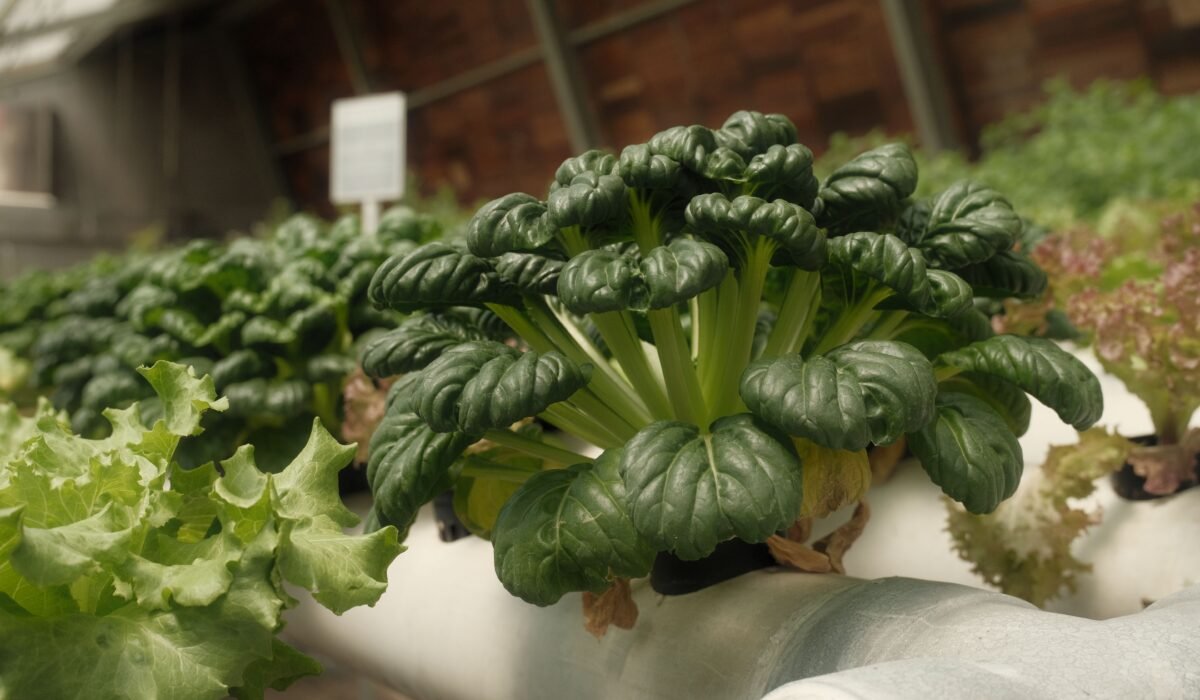
- Leafy Greens: Lettuce, spinach, kale, and Swiss chard are perfect for NFT. Their shallow root systems thrive in the constant, gentle flow of nutrients.
- Herbs: Basil, mint, cilantro, and chives also perform exceptionally well in NFT systems. They appreciate the consistent moisture without being waterlogged.
- Microgreens: While often grown in trays, microgreens can be successfully adapted to NFT, allowing for continuous, automated nutrient delivery.
NFT systems are excellent for high-density planting of uniform crops. They are particularly popular in commercial hydroponics and vertical farming setups.
Plants for DWC (Deep Water Culture) Systems
DWC systems involve suspending plants with their roots directly in a well-aerated nutrient solution. This method is excellent for robust plants that can handle constant submersion and develop larger root masses, making them some of the most resilient **Best Hydroponic Plants 2026**.
- Lettuce (especially larger varieties): While also suitable for NFT, larger lettuce types can develop more robust roots in DWC, leading to bigger heads.
- Tomatoes: Bush and determinate tomato varieties can thrive in DWC, though they will need external support for their heavy fruit. General Hydroponics offers nutrient solutions like their Flora Series that are well-suited for fruiting plants in DWC.
- Bell Peppers: These plants also benefit from the ample water and nutrient supply in DWC, developing strong root systems to support fruit production.
- Cucumbers: Fast-growing and thirsty, cucumbers are excellent DWC candidates, producing high yields with proper support.
DWC is often favored by home growers for its simplicity and effectiveness, especially for plants that need consistent access to water. The system by AeroGarden, for instance, often uses a form of DWC for its ease of use.
Beyond Leafy Greens: Advanced & Niche Hydroponic Crops for 2026
While leafy greens are a hydroponic staple, advanced growers in 2026 are increasingly exploring niche and specialty crops that offer unique market opportunities and higher profit margins. These often require more precise control over environmental factors and nutrient solutions, but the rewards can be substantial. Expanding beyond the basics allows you to cultivate some truly remarkable **Best Hydroponic Plants 2026**.
Exploring these advanced options can differentiate your harvest in a competitive market. It allows for experimentation with specific growing conditions, pushing the boundaries of what’s possible in hydroponics.
Specialty Fruits and Vegetables
For those ready for a challenge, these crops offer distinct advantages:
- Strawberries: As mentioned, these are highly profitable. Growing hydroponic strawberries requires careful management of pH, EC, and pollination, but companies like Oishii have perfected it.
- Melons (e.g., Cantaloupe, Honeydew): Though demanding space and significant nutrient uptake, smaller melon varieties can be grown hydroponically. They require strong trellising and hand-pollination.
- Artichokes: A less common but highly valuable hydroponic crop, artichokes can be grown year-round in controlled environments, providing a steady supply of gourmet produce.
- Root Vegetables (e.g., Radishes, Carrots): While challenging, specific hydroponic systems like aeroponics or specialized deep media beds can support root vegetables. Radishes are a good starting point for this category.
Medicinal and Aromatic Herbs
The market for specialty herbs, particularly those with medicinal properties or unique culinary profiles, is expanding rapidly. These are some of the **Best Hydroponic Plants 2026** for specialized growers.
- Ginseng: A high-value medicinal herb, ginseng can be cultivated hydroponically, though it requires specific light cycles and a longer growth period.
- Saffron: One of the world’s most expensive spices, saffron can be grown from corms hydroponically, offering a potentially lucrative niche for dedicated growers.
- Lavender: Beyond its fragrant flowers, lavender is prized for its essential oils and culinary uses. Hydroponic cultivation ensures consistent quality and yield.
- Stevia: This natural sweetener grows well in hydroponic systems, providing an alternative to sugar with increasing consumer demand.
These advanced **Best Hydroponic Plants 2026** require a deeper understanding of plant physiology and precise environmental control. However, the potential for high returns and market differentiation makes them attractive to experienced growers.
Optimizing Your Hydroponic Success: Key Growing Conditions & Troubleshooting
Optimizing your hydroponic success for the **Best Hydroponic Plants 2026** hinges on meticulously controlling key growing conditions like pH levels, nutrient solutions, lighting, and temperature. Even the most ideal crop choice will fail without proper environmental management. In my 10 years of experience, attention to detail in these areas is what separates successful growers from struggling ones.
Maintaining stable conditions directly impacts plant health, growth rate, and overall yield. Consistent monitoring and timely adjustments are crucial for a thriving hydroponic garden.
Essential Growing Conditions for Best Hydroponic Plants 2026
- pH Levels: The ideal pH range for most **Best Hydroponic Plants 2026** is between 5.5 and 6.5. This range ensures optimal nutrient uptake. Fluctuations outside this range can lead to nutrient lockouts, even if nutrients are present in the solution.
- Nutrient Solutions: Providing a balanced nutrient solution is vital. Brands like General Hydroponics, Advanced Nutrients, and Fox Farm offer specialized formulations for different growth stages (grow, bloom) and plant types. Always follow manufacturer recommendations.
- Lighting: Plants need adequate light intensity and duration. For leafy greens and herbs, 14-16 hours of light per day is common. Fruiting plants like tomatoes or strawberries often require 16-18 hours of intense light, especially in vertical farming setups.
- Temperature and Humidity: Most hydroponic plants prefer temperatures between 65-75°F (18-24°C) during the day and slightly cooler at night. Maintaining appropriate humidity levels (40-60%) helps prevent fungal diseases and supports transpiration.
- Water Usage Hydroponics: Hydroponic systems can use up to 90% less water than traditional gardening, according to Oásis Biosistema (June 2025). Efficient water management is a cornerstone of sustainable hydroponics.
Common Troubleshooting Tips
Even with careful planning, issues can arise. Knowing how to diagnose and address problems quickly is essential for growing the **Best Hydroponic Plants 2026**.
- Nutrient Deficiencies: Yellowing leaves, stunted growth, or unusual leaf coloration often indicate a deficiency. Consult a plant nutrient deficiency chart to identify the specific missing nutrient and adjust your solution. You can find more detailed guidance on identifying plant nutrient deficiencies in our Ultimate Guide to Identifying Plant Nutrient Deficiencies 2026.
- pH Imbalance: Regularly test your pH and use pH up/down solutions to bring it back into the optimal range. Sudden shifts in pH can stress plants.
- Algae Growth: Keep your reservoir and nutrient solution light-proof to prevent algae, which competes with plants for nutrients. Regular cleaning is also important.
- Pest Control: Hydroponic systems are less prone to soil-borne pests but can still attract common garden pests. Use integrated pest management (IPM) strategies, including sticky traps and organic sprays.
Consistent monitoring with tools like pH meters, EC meters, and thermometers is critical. Proactive management of these conditions will ensure your **Best Hydroponic Plants 2026** thrive.
Sustainable Hydroponics: Efficiency, Automation, and Market Trends for 2026
Sustainable hydroponics in 2026 is defined by enhanced efficiency, advanced automation, and a keen understanding of emerging market trends. These factors are crucial for both environmental responsibility and economic viability, especially for commercial hydroponics. The hydroponics market size is estimated to be USD 6.80 billion in 2026, according to Mordor Intelligence (January 2026), reflecting a growing industry driven by these advancements.
Innovations in hydroponics technology are rapidly transforming agricultural practices, according to Liam, a marketing professional at Qingzhou Hualiang Trading Co., Ltd. By 2026, automated nutrient delivery systems and vertical farming are redefining how we grow food. This focus on sustainability and technology ensures the longevity and profitability of growing the **Best Hydroponic Plants 2026**.
Efficiency and Automation in Hydroponic Systems
- Water Conservation: Hydroponic systems are inherently water-efficient, using significantly less water than traditional farming. Further optimization through closed-loop systems and precise irrigation schedules minimizes waste.
- Energy Efficiency: Advances in LED lighting, HVAC systems, and climate control contribute to reduced energy consumption. Smart sensors and automation platforms, often seen in systems by General Hydroponics or AeroGarden, fine-tune environmental parameters.
- Automated Nutrient Delivery: Systems that automatically monitor and adjust pH and EC levels ensure plants receive optimal nutrition without constant manual intervention. This precision helps grow the **Best Hydroponic Plants 2026** with fewer inputs.
- Vertical Farming: Companies like Plenty, which claims “Up to 350x the Yield Per Acre of Conventional Farms,” exemplify the efficiency of vertical farming. Vertical hydroponic farms can produce up to 90% more yield per square meter than traditional farms by 2026, according to Farmonaut (March 2026). This method maximizes space and resources.
Market Trends and Future Outlook for Best Hydroponic Plants 2026
The hydroponics market is dynamic, with several trends shaping its future:
- Local and Fresh Produce: Consumers increasingly demand locally grown, fresh produce, driving the growth of urban and indoor farms. This trend creates a strong market for the **Best Hydroponic Plants 2026**.
- Specialty and Gourmet Crops: As explored earlier, niche crops like saffron, medicinal herbs, and exotic vegetables offer higher profit margins and cater to specific consumer segments.
- Technology Integration: The adoption of AI, IoT, and data analytics for predictive growing, pest detection, and yield optimization will become standard. CropKing emphasizes the importance of monitoring water usage, nutrient efficiency, energy consumption, and labor workflows for efficiency.
- Sustainability Certification: Demand for sustainably grown, pesticide-free produce is rising. Hydroponic growers can leverage this by obtaining relevant certifications and marketing their eco-friendly practices.
These trends indicate a promising future for those investing in sustainable and technologically advanced hydroponic operations. Cultivating the **Best Hydroponic Plants 2026** within these frameworks will be key to long-term success.