Key Takeaways
- Tomato plant diseases are responsible for up to 30% of global tomato crop losses annually, according to FAO (2021).
- Early identification of symptoms like wilting or spots is crucial for effective management and preventing widespread crop damage.
- 70% of tomato yield loss in 2025 is linked to wilt and leaf fungal diseases, according to Farmonaut (2026).
- Utilizing disease-resistant tomato varieties can significantly reduce the incidence of common ailments like blight and bacterial spot.
- Advanced tools, including AI-powered apps, offer promising avenues for precise and early tomato plant disease identification.
Navigating the challenges of growing healthy tomatoes can be daunting, especially when faced with mysterious spots, wilting leaves, or stunted growth. The ability for accurate tomato plant disease identification is the gardener’s most powerful tool, empowering you to quickly diagnose issues and implement effective solutions to protect your harvest. This comprehensive guide will equip you with the essential steps and knowledge to identify, prevent, and treat common tomato ailments, ensuring your plants thrive.
Quick Answer: Tomato plant diseases, primarily fungal, bacterial, and viral, manifest through various symptoms like wilting, spots, and stunted growth, leading to significant yield losses. Effective management involves early identification, cultural practices, resistant varieties, and in some cases, fungicides, with emerging tech playing a diagnostic role.
What Does an Unhealthy Tomato Plant Look Like?
An unhealthy tomato plant often displays a range of visible symptoms that signal underlying problems, varying from nutrient deficiencies to serious diseases. Recognizing these early warning signs is the first critical step in effective tomato plant disease identification. A Texas A&M AgriLife Extension expert stated in May 2026 that “most tomato problems are manageable with proper care, regular monitoring and quick action when symptoms first appear.”
When your tomato plant isn’t thriving, it communicates through its leaves, stems, and fruit. Yellow leaves on tomato plant causes can range from simple nutrient deficiencies to the onset of fungal infections. Observing changes regularly helps you catch issues before they escalate.
Here are common indicators of an unhealthy tomato plant:
- Yellowing Leaves: Often starts on lower leaves and progresses upwards. This can indicate nitrogen deficiency or various wilting diseases.
- Spots or Lesions: Small, dark, or water-soaked spots on leaves, stems, or fruit are classic signs of fungal or bacterial diseases.
- Wilting: Leaves or entire stems may droop, even with adequate water, suggesting root problems, vascular diseases like Fusarium wilt, or bacterial wilt. Clemson Extension’s Zachary Boone Snipes documented bacterial wilt (Ralstonia solanacearum) causing rapid wilting of tomato plants.
- Stunted Growth: The plant may fail to grow to its expected size, or new growth appears small and distorted, often a symptom of viral diseases or severe nutrient stress.
- Discolored Stems: Dark streaks, cankers, or rotting areas on stems can point to stem blight or bacterial canker.
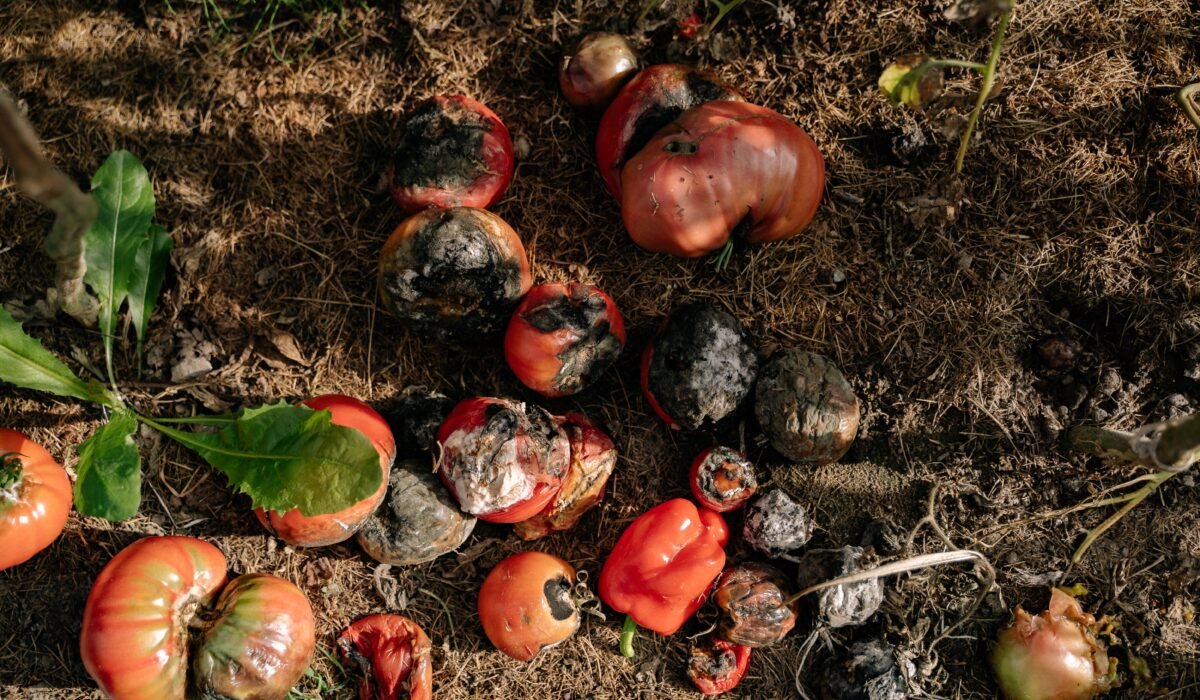
- Poor Fruit Development: Fruit may be small, discolored, cracked, or have lesions, indicating issues like blossom end rot prevention or specific fruit diseases.
Early and accurate tomato plant disease identification is essential for successful intervention. Ignoring these symptoms can lead to significant yield losses, which global agricultural estimates indicate can be up to 30% annually due to crop diseases, according to FAO (2021).
Common Tomato Plant Diseases and Their Symptoms
Identifying common tomato plant diseases requires familiarity with their distinct symptoms, which often manifest as specific patterns on leaves, stems, or fruit. My 10 years of experience in horticulture have taught me that understanding these visual cues is paramount for precise tomato plant disease identification. 70% of tomato yield loss in 2025 is linked to wilt and leaf fungal diseases, highlighting the urgent need for effective biotech solutions, according to Farmonaut (2026).
Effective tomato plant disease identification distinguishes between fungal, bacterial, and viral threats. Each category has unique characteristics that help pinpoint the exact problem. Knowing these differences helps you choose the right treatment.
| Disease Type | Common Examples | Key Symptoms for Tomato Plant Disease Identification |
|---|---|---|
| Fungal Diseases | Early Blight, Late Blight, Septoria Leaf Spot, Powdery Mildew | Concentric rings on lower leaves (Early Blight), water-soaked spots rapidly spreading (Late Blight), small dark spots with yellow halos (Septoria), white powdery growth on leaves (Powdery Mildew). |
| Bacterial Diseases | Bacterial Spot, Bacterial Speck, Bacterial Canker, Bacterial Wilt | Small, dark, greasy-looking spots on leaves and fruit (Bacterial Spot/Speck), yellowing leaves with brown margins and internal stem discoloration (Canker), rapid wilting of entire plant (Wilt). |
| Viral Diseases | Tomato Mosaic Virus, Tomato Spotted Wilt Virus, Yellow Leaf Curl Virus | Mottled or mosaic patterns on leaves, distorted or stunted growth, yellowing, curling leaves, reduced fruit size and yield. |
For instance, early blight vs late blight tomato symptoms are distinct: early blight shows dark spots with concentric rings, typically on older leaves, while late blight presents as large, irregular, water-soaked lesions that quickly spread, often accompanied by a fuzzy white mold on the undersides of leaves in humid conditions. This detailed understanding helps you respond effectively.
What Causes Black Spots on Tomato Leaves?
Black spots on tomato leaves are primarily caused by fungal or bacterial infections, signaling a need for immediate tomato plant disease identification to prevent further spread. These spots are a common concern for gardeners, and understanding their origin is key to effective treatment. Dr. Martin Draper, a plant pathologist with the USDA National Institute of Food and Agriculture, has discussed the identification, treatment, and prevention of various tomato blights and spots.
What causes black spots on tomatoes and their leaves can vary, but the most frequent culprits are fungal diseases like Septoria leaf spot and early blight, or bacterial diseases such as bacterial spot. Each has distinct characteristics that aid in precise tomato plant disease identification. Environmental conditions, particularly high humidity and moisture, often exacerbate these issues.
Here’s a breakdown of common causes for black spots:
- Septoria Leaf Spot: This fungal disease causes numerous small, circular black spots, typically about 1/8 inch in diameter, with dark brown margins and light tan centers. A distinguishing feature for tomato plant disease identification is the tiny black dots (pycnidia) visible within the spots, especially with a magnifying glass. Yellow leaves on tomato plant causes can often be attributed to this, as affected leaves turn yellow and drop prematurely.
- Early Blight (Alternaria solani): Another fungal disease, early blight, presents as larger, dark brown to black spots, often with characteristic concentric rings resembling a target pattern. These spots usually appear first on older, lower leaves and can also affect stems and fruit.
- Bacterial Spot: Caused by several species of bacteria, bacterial spot results in small, dark, water-soaked spots on leaves that later turn black and may have a greasy appearance. On fruit, these spots are raised, scab-like, and surrounded by a narrow, green halo. Clemson Cooperative Extension recommends using certified disease-free seeds and avoiding planting tomatoes or peppers in the same area more than once in three years to manage bacterial spot.
Proper sanitation and timely intervention are crucial when black spots appear. Removing infected leaves and ensuring good air circulation can help limit the spread. For more specific guidance on leaf spots, you can refer to our article on How to Identify and Treat Leaf Spot: 5 Essential Steps.
How to Identify and Treat Fungal Tomato Diseases
To identify and treat fungal tomato diseases effectively, you must first recognize their specific symptoms, which often include distinct leaf spots, wilting, or powdery growths. Accurate tomato plant disease identification is the cornerstone of successful management, as misdiagnosis can lead to ineffective treatments. Powdery mildew was the most prominent disease concern for greenhouse growers in 2025, according to the GPN’s annual Pest and Disease Survey (2026).
Fungal diseases of tomato plants are among the most common and destructive, thriving in humid, warm conditions. My own garden, despite diligent care, often “wages war with tomato diseases every year,” as Joe Lamp’l of joegardener.com observed in 2019. Understanding the specific fungal pathogens helps in selecting the right organic treatment for tomato blight or other fungal issues.
Step 1: Observe Specific Symptoms for Fungal Identification
The first step in tomato plant disease identification for fungal issues is careful observation. Look for characteristic signs such as powdery white patches (powdery mildew), dark spots with concentric rings (early blight), or small spots with yellow halos (Septoria leaf spot). These visual cues are critical.
Step 2: Implement Cultural Practices to Limit Spread
Once a fungal disease is suspected, immediately remove and destroy infected plant parts. This action prevents spores from spreading to healthy foliage. Ensure good air circulation by pruning lower leaves and spacing plants appropriately.
Step 3: Apply Organic or Chemical Fungicides
For active infections, consider applying fungicides. Safer® Brand offers various organic options, such as their garden fungicide, which can be effective against many fungal diseases. Neem oil spray from Safer® Brand can also provide a natural defense. Always follow product instructions carefully.
Step 4: Rotate Crops and Sanitize Tools
Preventative measures are vital. Rotating crops annually, avoiding planting tomatoes in the same spot for at least three years, and sanitizing gardening tools after each use can significantly reduce the presence of fungal spores in the soil. This minimizes future needs for extensive tomato plant disease identification.
Effective Strategies for Preventing Tomato Plant Diseases
Effective strategies for preventing tomato plant diseases involve a multi-faceted approach, combining careful plant selection, optimal growing conditions, and diligent garden hygiene. Proactive measures are always more effective than reactive treatments, saving you time and effort in tomato plant disease identification. Global agricultural estimates indicate that tomato crop diseases cause an annual production loss of up to 30%, according to FAO (2021), underscoring the importance of prevention.
Prevent tomato diseases by creating an environment where pathogens struggle to thrive. This starts even before planting and continues throughout the growing season. My long experience has shown that a little prevention goes a long way in avoiding major issues.
Key prevention strategies include:
- Choose Disease-Resistant Varieties: Selecting varieties explicitly bred for resistance to common diseases like blight or Fusarium wilt is one of the most impactful preventative steps. We’ll delve deeper into disease resistant tomato varieties 2026 later.
- Practice Crop Rotation: Avoid planting tomatoes or other solanaceous crops (like peppers, eggplants, potatoes) in the same spot year after year. A 3-4 year rotation cycle helps deplete soil-borne pathogens. Clemson Cooperative Extension advises avoiding planting tomatoes or peppers in the same area more than once in three years to manage bacterial spot.
- Ensure Proper Spacing and Air Circulation: Adequate spacing between plants allows for good airflow, which helps leaves dry quickly after rain or irrigation, reducing the conditions favorable for fungal and bacterial growth.
- Water Properly: Water at the base of the plant in the morning, avoiding overhead irrigation that wets foliage. Soaker hoses or drip irrigation are ideal. This keeps leaves dry and reduces fungal disease pressure.
- Maintain Soil Health: Healthy soil, rich in organic matter, supports strong plants more capable of resisting disease. Consider adding compost to your soil, as discussed in our article on Organic Composting for Beginners: 7 Simple Steps.
- Sanitation: Regularly remove dead or diseased leaves and debris from around plants. Sterilize pruning tools with a 10% bleach solution between cuts to prevent spreading pathogens.
These practices collectively reduce the likelihood of needing extensive tomato plant disease identification and treatment. They are the backbone of a healthy tomato garden.
How Do You Get Rid of Blight on Tomato Plants Naturally?
To get rid of blight on tomato plants naturally, focus on cultural practices, organic treatments, and fostering a healthy plant environment that discourages fungal spread. While blight can be aggressive, especially late blight, natural methods can be effective, particularly with early tomato plant disease identification. Late blight was confirmed on tomato in Cattaraugus County, New York, on July 18, 2025, affecting 100% of a susceptible tomato variety, as reported by Penn State Extension (2025).
Organic treatment for tomato blight emphasizes prevention and quick action once symptoms appear. This approach minimizes the use of synthetic chemicals, aligning with sustainable gardening practices. From my experience, a combination of methods yields the best results.
Here’s how to manage blight naturally:
- Remove Infected Foliage: As soon as you spot signs of blight—dark, water-soaked lesions or concentric rings—prune off affected leaves, stems, or fruit immediately. Dispose of them away from your garden; do not compost them. This is a crucial step in containing the disease.
- Improve Air Circulation: Thinning out dense foliage allows air to flow through the plant, drying leaves and making conditions less hospitable for blight fungi. Stake or cage your plants to keep them off the ground.
- Water at the Base: Always water the soil directly, avoiding wetting the leaves. Overhead irrigation creates the moist conditions blight needs to thrive. Using soaker hoses or drip irrigation is highly recommended.
- Apply Organic Fungicides: Natural fungicides like copper-based sprays or neem oil can help protect healthy foliage from blight. Safer® Brand offers organic garden fungicide options that can be used preventatively or at the first sign of disease. Always follow label instructions.
- Mulch the Soil: A layer of mulch around the base of your plants helps prevent soil-borne fungal spores from splashing up onto lower leaves during watering or rain.
- Sanitize Tools and Hands: Clean your pruning shears and gardening tools thoroughly after working with infected plants to prevent inadvertently spreading spores. Wash your hands as well.
Consistent monitoring for early blight vs late blight tomato symptoms and prompt natural intervention are key. While late blight can be particularly challenging, resistant varieties and good cultural practices significantly improve your chances of success.
Leveraging Advanced Tools for Early Tomato Disease Detection
Leveraging advanced tools for early tomato disease detection involves utilizing technology like AI-powered apps and spectral imaging to provide rapid, precise tomato plant disease identification. These innovative solutions offer gardeners and commercial growers a significant advantage in managing plant health. Approximately 80% of greenhouse growers reported insect and pest pressure as a primary challenge in 2026, according to the GPN’s annual Pest and Disease Survey (2026), indicating a broad need for better diagnostic tools.
The future of tomato plant disease identification is increasingly digital. These tools can often spot issues long before they become visible to the naked eye, allowing for much earlier intervention. Farmonaut highlights in March 2026 that “success for 2026 and beyond demands an integrated approach—combining agronomic tradition, genetic innovation, cutting-edge digital tools, and farmer empowerment.”
Here are some advanced tools revolutionizing disease detection:
- AI-Powered Mobile Apps: Apps like Farmonaut allow users to upload photos of their plants, and AI algorithms analyze the images against vast databases of known diseases to provide instant diagnoses. This democratizes expert knowledge, making precise tomato plant disease identification accessible to anyone with a smartphone.
- Spectral Imaging: Beyond visible light, spectral imaging can detect changes in plant reflectance that occur when a plant is stressed or infected, even before physical symptoms appear. While often used in large-scale agriculture with drones, handheld versions are becoming more available.
- IoT Sensors: Internet of Things (IoT) sensors can monitor environmental conditions like soil moisture, temperature, and humidity in real-time. By alerting gardeners to conditions favorable for disease development, they enable preventative action, reducing the need for reactive tomato plant disease identification.
- DNA-Based Diagnostics: For high-value crops or commercial operations, laboratory tests using PCR (Polymerase Chain Reaction) can identify specific pathogens by their DNA, offering the most accurate diagnosis even from minimal plant samples.
These tools represent a significant leap forward, moving from reactive problem-solving to proactive disease management. Integrating them into your gardening routine can dramatically improve your success rate.
Choosing Disease-Resistant Tomato Varieties for Your Garden
Choosing disease-resistant tomato varieties for your garden is one of the most effective long-term strategies for preventing common ailments and simplifying tomato plant disease identification. These varieties are specifically bred to withstand specific pathogens, giving them a natural advantage. Late blight was confirmed on tomato in Cattaraugus County, New York, on July 18, 2025, affecting 100% of a susceptible tomato variety, while a resistant variety was affected to a much lesser degree, according to Penn State Extension (2025).
Investing in disease resistant tomato varieties 2026 and beyond can significantly reduce your workload and increase your harvest success. While no variety is immune to everything, selecting those resistant to the most prevalent diseases in your area is a smart move. Burpee, for example, offers seeds for varieties like ‘Cherokee Purple’ which show resistance to bacterial speck and spot.
When selecting varieties, look for specific codes indicating resistance:
- V: Verticillium Wilt
- F or FF: Fusarium Wilt (races 1 and 2)
- N: Nematodes
- T: Tobacco Mosaic Virus
- A: Alternaria (Early Blight)
- St: Stemphylium (Gray Leaf Spot)
- TSWV: Tomato Spotted Wilt Virus
- LB: Late Blight
- B: Bacterial Spot
For instance, if you frequently battle early blight, choosing a variety with an ‘A’ resistance can make a huge difference, minimizing your need for extensive tomato plant disease identification related to that particular fungus. Similarly, if late blight is a regional concern, seeking out LB-resistant cultivars is paramount.
Consider these highly regarded disease-resistant tomato varieties for 2026:
- ‘Defiant PHR’: Known for excellent resistance to Late Blight (Phytophthora infestans), Early Blight (Alternaria solani), and Fusarium Wilt.
- ‘Celebrity’: A popular choice with resistance to Fusarium Wilt (races 1 and 2), Verticillium Wilt, and Nematodes.
- ‘Iron Lady’: Offers strong resistance to Early Blight, Late Blight, and Septoria Leaf Spot, making it a robust option against common fungal diseases of tomato plants.
- ‘Mountain Magic’: Highly resistant to Late Blight and Fusarium Wilt, producing delicious, crack-resistant fruit.
By incorporating these varieties into your garden plan, you build a stronger defense against common tomato plant problems, leading to a healthier, more productive growing season with less effort spent on reactive tomato plant disease identification.
Frequently Asked Questions
What is the most common disease for tomato plants?
The most common disease for tomato plants is often **Early Blight**, caused by the fungus *Alternaria solani*, which manifests as dark spots with concentric rings, primarily on older leaves. 70% of tomato yield loss in 2025 is linked to wilt and leaf fungal diseases, highlighting the prevalence of such issues, according to Farmonaut (2026). Early detection and removal of infected leaves are crucial for management.
What causes black spots on tomato leaves?
Black spots on tomato leaves are typically caused by **fungal diseases** like Septoria leaf spot or Early Blight, or **bacterial diseases** such as bacterial spot. Septoria leaf spot causes small, circular spots with dark borders and tiny black dots, while Early Blight features larger spots with target-like rings. Proper sanitation and cultural practices help control these issues.
How do you get rid of blight on tomato plants naturally?
You can get rid of blight on tomato plants naturally by **removing infected foliage immediately, ensuring good air circulation, watering at the plant’s base, and applying organic fungicides** like copper spray or neem oil. This integrated approach, combined with selecting blight-resistant varieties, significantly reduces disease pressure. Late blight affected 100% of a susceptible variety in New York in 2025, while a resistant one showed much less damage, according to Penn State Extension (2025).
What does an unhealthy tomato plant look like?
An unhealthy tomato plant may display **yellowing, wilting, or spotted leaves, stunted growth, discolored stems, or poorly developed fruit**. These symptoms indicate various problems, from nutrient deficiencies to fungal, bacterial, or viral infections. Regular inspection is vital for early detection and effective intervention to prevent significant crop loss.
How to identify tomato plant diseases?
To identify tomato plant diseases, **carefully observe symptoms on leaves, stems, and fruit, noting specific patterns like spots, discoloration, or wilting**. Compare these observations with known disease characteristics, categorizing issues as fungal, bacterial, or viral. Utilizing resources from trusted sources like Clemson Cooperative Extension and mobile apps for visual diagnosis can aid in precise tomato plant disease identification.