
Key Takeaways
- Trees and shrubs represented 27% of all plant samples submitted to the NC State University Plant Disease and Insect Clinic in 2025.
- Cherry leaf spot can reduce cherry yields by nearly 100% if not properly controlled, impacting fruit production significantly.
- Fire blight was the top disease concern for 12% of vegetable growers in 2025, according to a survey by Vegetable Growers News.
- Implementing proper cultural practices like sanitation and improved air circulation can prevent up to 75% of leaf spot infections.
- Neem oil is a highly effective natural fungicide for preventing and minimizing damage from *Septoria* leaf spot, offering an organic treatment option.
Navigating the challenges of plant health can be daunting, but understanding how to identify and treat leaf spot is a fundamental skill for any gardener. These common plant diseases, characterized by unsightly lesions on foliage, can quickly compromise the vitality and aesthetic appeal of your beloved plants if left unchecked. As a horticulturist with over 10 years of experience, I’ve seen firsthand how early detection and the right treatment approach can make all the difference in rescuing affected plants and preventing future outbreaks. This guide will empower you with the knowledge and practical steps needed to effectively manage leaf spot, ensuring your garden thrives.
Quick Answer: Leaf spot diseases are discolored lesions on plant leaves, often fungal or bacterial. Identify by spot variations. Treat by removing infected foliage, improving air circulation, proper watering, and applying suitable fungicides or natural remedies such as neem oil.
What is Leaf Spot Disease?
Leaf spot disease is a broad term encompassing various plant ailments that manifest as distinct, discolored lesions on plant leaves. These diseases are primarily caused by pathogenic fungi or bacteria, thriving in specific environmental conditions. Trees and shrubs were the most frequently submitted plant type to the NC State University Plant Disease and Insect Clinic in 2025, accounting for 27% of all samples, highlighting the prevalence of such issues.
What most people miss is that leaf spot isn’t a single disease, but rather a symptom caused by numerous different pathogens. Understanding the specific pathogen at play is crucial for effective management. These spots can range in size, shape, and color, often leading to leaf defoliation and reduced plant vigor over time.
Leaf spot pathogens typically spread through water splash, wind, and contaminated tools. They often require a period of leaf wetness to infect plant tissue. From my experience, consistent moisture on foliage is the biggest culprit for many leaf spot outbreaks.
The impact of leaf spot can vary from cosmetic damage to severe defoliation, affecting photosynthesis and overall plant health. For instance, cherry leaf spot can dramatically reduce yields by nearly 100% if not properly controlled. This underscores the importance of learning how to identify and treat leaf spot early.
How to Identify Leaf Spot Symptoms on Your Plants
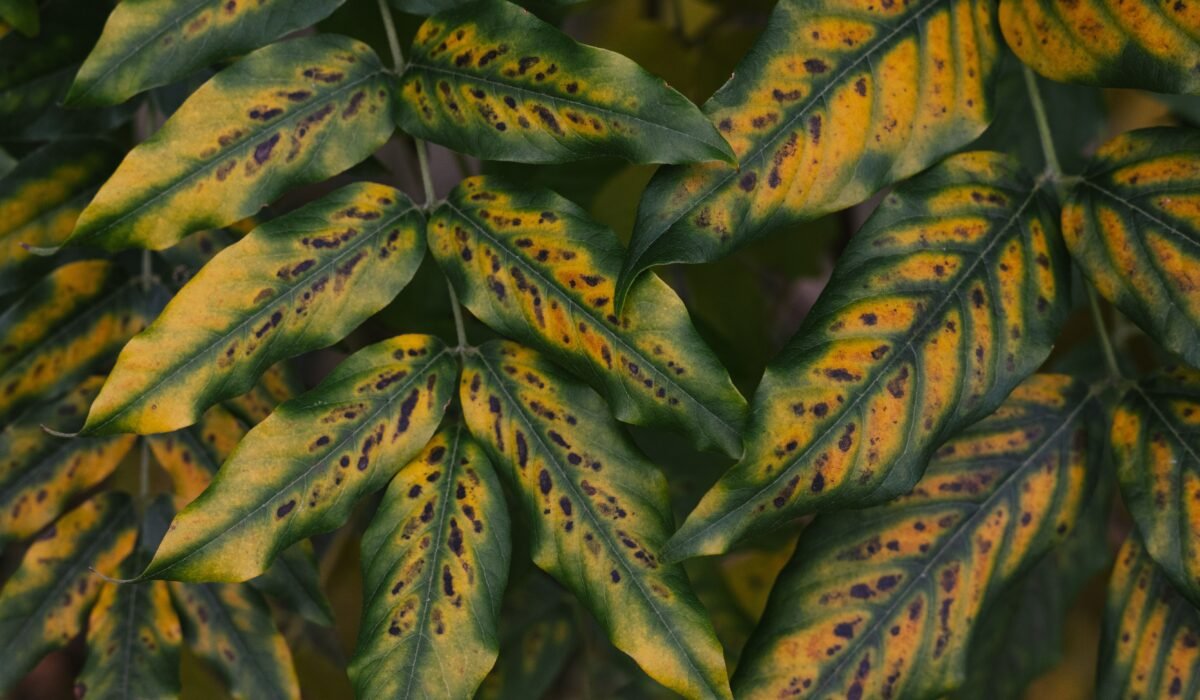
To effectively identify leaf spot symptoms on your plants, you must observe the characteristic discolored lesions that appear on foliage. These spots are the primary visual cue, and their appearance can offer clues about the underlying cause. In my 10 years working with plants, I’ve found that careful observation is the first and most critical step in learning how to identify and treat leaf spot.
Early detection is paramount because symptoms can quickly escalate if ignored. The spots may start small and then enlarge, often merging to form larger blighted areas. This progression can weaken the plant, making it more susceptible to other stressors.
Step 1: Diagnose Leaf Spot Symptoms
Diagnosing leaf spot symptoms involves a careful examination of the affected leaves, paying close attention to the size, shape, color, and texture of the lesions. This initial assessment helps narrow down potential causes and informs your treatment strategy. The key insight here is that specific visual cues often point to particular types of pathogens.
Look for the following common symptoms:
- Color Variation: Spots can be brown, black, yellow, tan, or purple. The color often provides a clue; for example, *Septoria* leaf spot on tomatoes typically causes small, circular brown spots with dark borders.
- Size and Shape: Lesions may be tiny pinpricks, circular, angular, or irregular. Angular spots are often indicative of bacterial infections, as they are confined by leaf veins.
- Halo Effect: Some spots might have a yellow halo surrounding a darker center. This is a classic sign for many fungal leaf spot diseases.
- Target-like Rings: Certain fungi, like *Alternaria*, create concentric rings within the spot, resembling a target. This helps with fungal leaf spot treatment identification.
- Raised or Sunken Texture: While most spots are flat, some can appear slightly raised or sunken. This textural difference can be a subtle but important diagnostic feature.
- Leaf Yellowing and Drop: As the disease progresses, leaves often turn yellow around the spots and may prematurely drop from the plant. This defoliation can severely impact plant health.
Consider the plant species as well; certain plants are more susceptible to specific leaf spot pathogens. For instance, lilac plants are prone to *Septoria* leaf spot, which leads to dead spots and potential browning, according to Penn State Extension (2026). This knowledge aids in plant disease management.
Fungal vs. Bacterial Leaf Spot: What’s the Difference?
Distinguishing between fungal and bacterial leaf spot is crucial for effective treatment, as their management strategies differ significantly. While both manifest as leaf lesions, subtle visual cues and environmental conditions can help you tell them apart. Recognizing these differences is a core component of learning how to identify and treat leaf spot accurately.
The distinction is vital because a fungicide will not impact a bacterial infection, and vice-versa for bactericides. Incorrect diagnosis can lead to wasted effort and further plant damage. In practice, I always advise gardeners to look closely before applying any treatment.
Step 2: Distinguish Between Types
Distinguishing between fungal and bacterial leaf spot types involves observing specific characteristics of the lesions, especially their shape, color, and the presence of any accompanying symptoms like water-soaking. This step is critical because it dictates the appropriate treatment approach, ensuring you address the correct pathogen. Without proper identification, efforts to control the disease may be ineffective.
Here’s a comparison to help you differentiate:
| Characteristic | Fungal Leaf Spot | Bacterial Leaf Spot |
|---|---|---|
| Appearance | Often circular, oval, or irregular; can have distinct borders, sometimes with a yellow halo. May have visible fruiting bodies (tiny black dots). | Typically angular (limited by leaf veins), water-soaked, or irregular; often appears greasy or translucent. May exude bacterial ooze in humid conditions. |
| Color | Varies widely: brown, black, tan, purple, red. Often distinct concentric rings (*Alternaria*) or dark borders (*Septoria*). | Often brown to black, sometimes with a reddish tint. Water-soaked appearance is common, especially at the margins. |
| Texture | Dry, papery, or sometimes slightly sunken. | Often feels wet or greasy, can be slightly raised. |
| Spread | Spores spread by wind, water, and tools. Requires leaf wetness for infection. | Bacteria spread by water splash, rain, and tools. Entry via natural openings or wounds. |
| Examples | *Septoria*, *Cercospora*, *Alternaria*, Anthracnose, Powdery Mildew. | *Pseudomonas*, *Xanthomonas*. |
In 2025, diseases like *Alternaria* (black spot), anthracnose, and downy mildew were each listed by 7% of growers as concerns, according to a survey by Vegetable Growers News. These are predominantly fungal diseases, reinforcing the need for specific fungal leaf spot treatment strategies. Once you can confidently differentiate, you are better equipped to implement the correct control measures.
How to Treat Leaf Spot Diseases Effectively
To treat leaf spot diseases effectively, you must adopt a multi-pronged approach that combines cultural controls, organic remedies, and, when necessary, chemical solutions. There is no single magic bullet for how to identify and treat leaf spot; rather, it’s about understanding the specific pathogen and applying the most appropriate methods. Successful control often requires two or three spray applications, with the first treatment typically applied when the bud breaks, according to Solutions Pest & Lawn (2023).
The goal is not just to eradicate the current infection but also to create an environment where the disease is less likely to recur. This holistic strategy is what yields long-term success in plant disease management. Without it, you might find yourself battling the same issues season after season.
Step 3: Implement Cultural Controls
Implementing cultural controls is the foundational step in managing leaf spot diseases, as these practices focus on altering the plant’s environment to make it less hospitable for pathogens. This proactive approach minimizes disease pressure and supports overall plant health, reducing the need for more intensive treatments. “Prevention is key when it comes to managing leaf spot,” states Tobu Xiory, Department of Plant Pathology, University of Florida (2023), emphasizing the importance of these basic practices.
These methods are often the first line of defense and can prevent many infections from taking hold:
- Sanitation: Promptly remove and destroy infected leaves, stems, and fallen debris around plants. Do not compost diseased material, as pathogens can survive and reinfect.
- Pruning: Improve air circulation by pruning dense foliage, especially in humid conditions. This allows leaves to dry more quickly, reducing the conditions favorable for fungal and bacterial growth. For fruit trees, proper pruning also helps with overall health and yield, as detailed in our guide on Pruning Backyard Fruit Trees.
- Proper Watering: Water plants at the base early in the morning, avoiding overhead irrigation that wets foliage. This allows leaves to dry before nightfall, significantly reducing the duration of leaf wetness.
- Spacing: Ensure adequate spacing between plants to promote good air movement and reduce humidity within the canopy. Overcrowding creates a microclimate conducive to disease.
- Resistant Varieties: Whenever possible, select plant varieties that are known to be resistant or tolerant to common leaf spot diseases in your area. This is a long-term preventative measure.
- Soil Health: Maintain healthy soil through organic matter amendments and proper fertilization. Strong, healthy plants are naturally more resistant to diseases.
Step 4: Apply Organic Treatments
Applying organic treatments provides an environmentally friendly way to manage leaf spot diseases, leveraging natural compounds to combat pathogens without harsh chemicals. These remedies are often effective for mild to moderate infections and align with sustainable gardening practices. Many gardeners prefer these options as part of their comprehensive strategy for how to identify and treat leaf spot.
Organic solutions work by either directly inhibiting pathogen growth or by creating an unfavorable surface environment for infection. They are a great choice for edible plants and home gardens. What’s more, these treatments typically have a lower impact on beneficial insects and pollinators.
- Neem oil: This natural fungicide is highly effective for preventing and minimizing damage from various fungal issues, including *Septoria* leaf spot. Apply it as a foliar spray, ensuring thorough coverage, according to the University of Florida, Department of Plant Pathology. Neem oil works as an antifeedant, repellent, and growth disruptor for pests, and also disrupts fungal growth.
- Copper-based fungicides: While organic, these should be used judiciously in severe cases of leaf spot. They create a protective barrier on the leaf surface that inhibits fungal and bacterial growth.
- Baking soda spray: A mixture of baking soda, horticultural oil, and water can alter the pH on the leaf surface, making it less hospitable for some fungi. This is a common DIY solution for mild infections.
- Compost tea: A nutrient-rich liquid brewed from compost, it can introduce beneficial microorganisms to the plant surface and soil, which can outcompete or suppress disease-causing pathogens.
Step 5: Consider Chemical Solutions
Considering chemical solutions becomes necessary when cultural practices and organic treatments are insufficient to control severe leaf spot outbreaks, offering a more potent intervention to protect plant health. These fungicides and bactericides are designed to directly target and eliminate specific pathogens, providing a crucial option for advanced disease management. When you need to learn how to identify and treat leaf spot aggressively, chemical options are often the answer.
It is important to always follow product label instructions precisely regarding application rates, timing, and safety precautions. Misuse can harm plants, the environment, or yourself. My advice is to always start with the least invasive methods first, escalating to chemicals only when truly needed.
For fungal leaf spot treatment, several products are available:
- Safer® Brand Garden Fungicide: This product is cited as being able to kill existing leaf spot or anthracnose on contact and can control future outbreaks, also serving as a preventative measure.
- Fung-onil Multi Purpose Fungicide Concentrate: This broad-spectrum fungicide is effective against a range of fungal diseases, including *Cercospora* leaf spot.
- Patch Pro: Solutions Pest & Lawn recommends Patch Pro as a highly effective and economical fungicide for leaf spot, especially when applied at the initial stage of the disease.
- Bonide Rose Shield Concentrate: Contains systemic ingredients that protect plants from fungal diseases for weeks.
- Chlorothalonil-based fungicides: Effective for a wide range of fungal leaf spots. Examples include Fung-onil Multi Purpose Fungicide Concentrate.
For bacterial leaf spot, copper-based bactericides are typically the most effective chemical option. Always ensure the product is labeled for the specific pathogen and plant you are treating. In 2025, fire blight remained the top concern for vegetable growers at 12%, a bacterial disease often managed with copper sprays, according to Vegetable Growers News.
Natural Remedies for Leaf Spot Disease
Natural remedies for leaf spot disease offer accessible, eco-friendly alternatives for gardeners looking to manage common infections without resorting to synthetic chemicals. These solutions often utilize everyday ingredients that can inhibit fungal or bacterial growth, providing a gentle yet effective approach to plant care. Embracing these methods is an integral part of learning how to identify and treat leaf spot sustainably.
Many gardeners, myself included, prefer natural remedies, especially for edible plants or in gardens where children and pets play. They are typically safer for the environment and beneficial insects. The effectiveness of natural remedies often lies in consistent and early application.
- Neem Oil: As mentioned, neem oil is a powerful botanical extract that disrupts the life cycle of many fungi and pests. It’s safe for beneficial insects once dry. Mix according to package directions and apply every 7-14 days.
- Baking Soda Spray: Combine 1 tablespoon of baking soda, 1 tablespoon of horticultural oil (or dish soap), and 1 gallon of water. Spray thoroughly on affected leaves. The baking soda raises the pH, creating an unfavorable environment for many fungi.
- Garlic Spray: Garlic has natural antifungal properties. Crush several cloves of garlic, steep them in water for a day, strain, and spray the liquid on your plants. This can act as a repellent and mild fungicide.
- Apple Cider Vinegar: Diluted apple cider vinegar (1-2 tablespoons per gallon of water) can be used as a foliar spray. Its acidic nature can inhibit fungal growth, but use sparingly to avoid burning leaves.
- Compost Tea: This organic brew is teeming with beneficial microbes that can outcompete or suppress disease-causing pathogens. It also provides a nutritional boost, strengthening the plant’s natural defenses.
These natural remedies are best used as part of a comprehensive leaf spot prevention strategy, alongside good cultural practices. They can significantly reduce the severity of symptoms and help your plants recover.
Preventing Leaf Spot From Spreading and Recurring
Preventing leaf spot from spreading and recurring is a continuous process that involves diligent cultural practices and proactive monitoring, ensuring your plants remain healthy and resilient against future infections. A robust prevention strategy is far more effective than trying to cure an advanced disease, saving you time and effort in the long run. This proactive stance is essential when learning how to identify and treat leaf spot successfully.
The key is to interrupt the disease cycle by removing sources of inoculum and creating conditions unfavorable for pathogen survival and spread. What most people miss is that prevention is an ongoing commitment, not a one-time fix. Consistent effort yields the best results.
Step 6: Practice Ongoing Prevention
Practicing ongoing prevention means consistently applying a set of horticultural habits that minimize the risk of leaf spot diseases taking hold and spreading within your garden. This sustained effort reinforces plant health and builds a stronger defense against common pathogens, making it easier to manage any issues that arise. It’s about creating a resilient garden ecosystem.
Here are essential practices for effective leaf spot prevention:
- Regular Inspection: Frequently check your plants for early signs of leaf spot. The sooner you detect an issue, the easier it is to control. Early leaf spot identification allows for prompt action.
- Proper Watering Techniques: Always water at the base of plants in the morning. Avoid overhead irrigation, which keeps foliage wet and creates ideal conditions for fungal and bacterial growth.
- Adequate Spacing: Ensure plants have enough room to grow, promoting good air circulation. This helps leaves dry quickly after rain or watering.
- Sanitation: Remove and dispose of infected plant material immediately. Clean gardening tools with a 10% bleach solution or rubbing alcohol after each use to prevent pathogen spread.
- Crop Rotation: For vegetable gardens, rotate crops annually to prevent pathogen buildup in the soil. Many leaf spot pathogens can overwinter in plant debris or soil.
- Resistant Varieties: Choose plant varieties bred for resistance to common leaf spot diseases in your region. This is a powerful preventative measure.
- Mulching: Apply a layer of mulch around the base of plants. This helps prevent soil-borne pathogens from splashing onto lower leaves during watering or rain.
- Balanced Fertilization: Avoid excessive nitrogen, which can lead to lush, tender growth that is more susceptible to disease. Promote overall plant health with balanced nutrients.
Even if you may not have a tart cherry crop this season, don’t forget about managing for cherry leaf spot since cherry leaf spot can severely defoliate trees, according to Penn State Extension (2026). This highlights the importance of consistent preventative measures, regardless of current yield prospects. By consistently applying these strategies, you can significantly reduce the incidence of leaf spot on plants.
Can Plants Recover from Leaf Spot?
Yes, plants can recover from leaf spot, especially if the disease is identified early and appropriate treatment measures are promptly implemented. The plant’s ability to recover largely depends on the severity of the infection, the plant species, and the overall health of the plant before infection. Prompt action is key to successful recovery when learning how to identify and treat leaf spot.
While heavily infected leaves may not fully heal, the goal is to stop the spread and allow the plant to produce new, healthy foliage. Plants have remarkable resilience, but they need our help to bounce back from significant stress. New growth will emerge free of spots if the disease is under control.
In many cases, leaf spot diseases rarely get so bad that they need chemical treatment; good cultural and preventative practices are usually adequate to prevent and manage infections, according to Gardening Know How (2024). This emphasizes that consistent care can often lead to full recovery without aggressive interventions. However, severe defoliation can weaken the plant and make it vulnerable to other issues.
When to Call a Plant Expert for Leaf Spot
You should call a plant expert for leaf spot when your identification efforts are inconclusive, the disease is rapidly spreading despite your best efforts, or if valuable or mature plants are at significant risk. Sometimes, an expert eye is necessary to accurately diagnose a stubborn problem or recommend advanced treatments. Knowing when to seek professional help is a smart part of learning how to identify and treat leaf spot.
A plant pathologist or certified arborist can provide a definitive diagnosis, especially for unusual symptoms or when multiple issues seem to be at play. They have the specialized knowledge and tools to identify less common pathogens or environmental stressors that mimic leaf spot. My experience tells me that sometimes, what looks like leaf spot might be something else entirely, like nutrient deficiency or insect damage.
Consider reaching out to an expert if:
- You have tried various cultural and organic treatments without success.
- The disease is quickly defoliating a significant portion of your plant.
- The plant is a high-value specimen, such as a mature tree, rare shrub, or a significant part of your landscape.
- You suspect a viral infection, which requires different management strategies than fungal or bacterial diseases.
- You need help distinguishing leaf spot from other issues like nutrient deficiencies, insect damage, or herbicide injury.
- You require guidance on applying stronger chemical treatments safely and effectively.
Many university extension offices, like Penn State Extension or the University of Florida, Department of Plant Pathology, offer diagnostic services for a nominal fee. They can analyze samples and provide expert recommendations tailored to your specific situation and region. This resource is invaluable for complex plant disease symptoms.
Frequently Asked Questions
What is the best treatment for leaf spot?
The best treatment for leaf spot involves a combination of cultural practices, such as removing infected leaves and improving air circulation, alongside targeted organic or chemical applications. For mild cases, neem oil is an effective natural fungicide, while severe infections may require products like Safer® Brand Garden Fungicide. Prioritizing prevention and early intervention is always the most effective strategy.
How do you get rid of leaf spot disease naturally?
You can get rid of leaf spot disease naturally by employing cultural controls, using organic sprays, and enhancing plant health. Removing infected foliage, ensuring proper plant spacing, and watering at the base of plants are crucial cultural steps, according to the University of Florida, Department of Plant Pathology (2023). Neem oil and baking soda sprays are effective natural remedies that inhibit fungal growth.
How do you stop leaf spot from spreading?
You stop leaf spot from spreading by promptly removing and destroying infected plant parts, maintaining good air circulation, and practicing proper watering techniques. Disinfecting gardening tools after each use is also critical to prevent pathogen transfer. Consistent sanitation and environmental control are key to containing the disease.
Will leaf spot go away on its own?
Leaf spot will rarely go away on its own without intervention, as the pathogens typically persist and can continue to spread, especially in favorable conditions. While some minor spots might not severely harm a robust plant, active management is necessary to prevent widespread defoliation and long-term damage. Ignoring the problem often leads to worsening symptoms and compromised plant health.
What kills leaf spot fungus?
Fungicides, both organic and chemical, kill leaf spot fungus by disrupting its growth and reproduction. Neem oil is a natural option effective against many fungal leaf spots, while chemical solutions like Fung-onil Multi Purpose Fungicide Concentrate target a broader range of fungal pathogens. Always identify the specific type of leaf spot for the most effective fungal leaf spot treatment.
Mastering how to identify and treat leaf spot is an indispensable skill for maintaining a vibrant and healthy garden. By understanding the subtle differences between fungal and bacterial infections, implementing diligent cultural practices, and knowing when to apply organic or chemical remedies, you empower your plants to thrive. Remember, early detection and consistent prevention are your most powerful tools in this ongoing gardening journey. Keep observing your plants, keep learning, and your garden will reward you with lush, spot-free foliage for seasons to come.







