
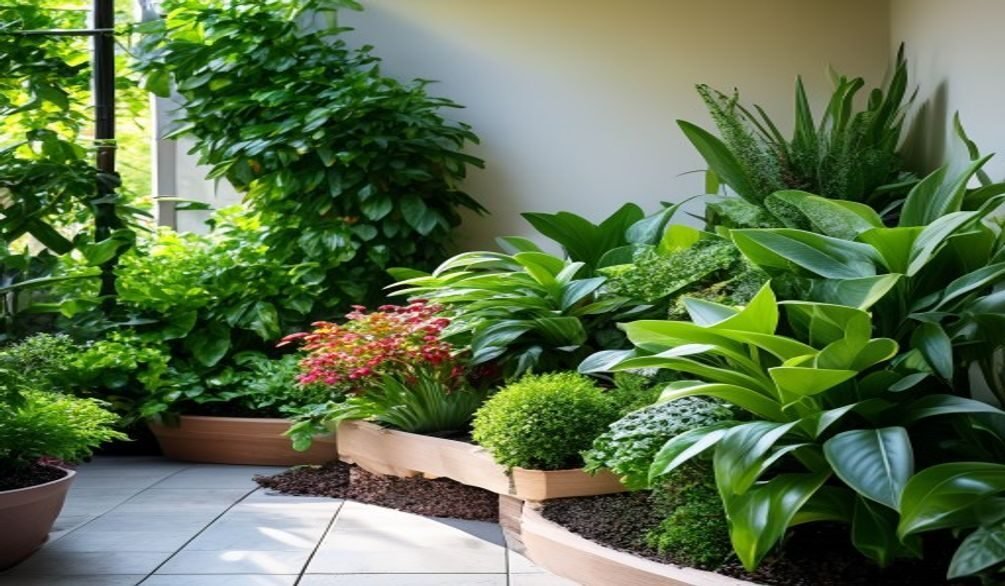
Key Takeaways
- Vertical gardening can increase plant yield by up to 400% in limited spaces, maximizing urban gardening potential.
- The global vertical garden construction market is projected to reach $2.26 billion by 2033, growing at an 8.5% CAGR, according to Research and Markets (2024).
- 55% of US households participated in gardening in 2023, with balcony gardening up 40% in apartments, according to WifiTalents (2026).
- Choosing the right vertical garden system, such as a sturdy GreenStalk planter or a hydroponic Lettuce Grow Farmstand, is crucial for long-term success.
- Effective irrigation, like drip lines recommended by Cornell experts, is essential for maintaining consistent moisture in vertical garden setups.
Are you dreaming of a lush garden but constrained by limited space? Mastering the Vertical Garden Setup Beginner Steps is your gateway to cultivating a thriving green oasis, even in the smallest urban environments. This guide will walk you through the essential stages, from planning to planting, ensuring your vertical gardening journey is both rewarding and successful.
Quick Answer: Setting up a vertical garden involves choosing the right location with adequate sunlight, selecting a suitable structure, preparing a lightweight potting mix, selecting appropriate plants, installing an efficient watering system, and providing consistent care for optimal growth and yield.
Why choose a vertical garden (and its benefits)?
Choosing a vertical garden offers numerous advantages, particularly for those with limited space, transforming otherwise unused areas into productive green zones. This innovative gardening method allows you to grow more in a smaller footprint, enhancing both aesthetics and environmental benefits.
The global vertical garden construction market is projected to grow from USD 1.18 billion in 2025 to USD 2.26 billion by 2033, at a CAGR of 8.5%, according to Research and Markets (2024). This growth underscores the increasing appeal and adoption of vertical gardening solutions worldwide.
Vertical gardening is an excellent way to take advantage of empty vertical space, such as walls or fences, and can also be free-standing, adding unique visual interest to your space, as noted by David Hillock, Oklahoma State University Cooperative Extension consumer horticulturist (2018). For those with limited space, vertical gardening offers a viable option to grow a variety of plants.
One significant benefit of a vertical garden setup is its ability to improve local air quality, especially in urban areas. Plants naturally filter pollutants, contributing to a healthier living environment. They also help mitigate the urban heat island effect by absorbing sunlight and releasing moisture, cooling their surroundings.
Beyond the environmental perks, engaging in a vertical garden setup can offer considerable well-being benefits. Gardening is known to reduce stress and improve mood, and having a vibrant vertical garden provides easy access to fresh herbs, vegetables, and flowers, enhancing your connection to nature.
- Space Maximization: Grow more plants in a compact area, ideal for balconies, patios, or small yards.
- Aesthetic Appeal: Create living art installations that enhance the beauty of any indoor or outdoor space.
- Improved Air Quality: Plants act as natural air purifiers, beneficial for both indoor and outdoor environments.
- Accessibility: Raised planting levels can reduce bending and kneeling, making gardening more comfortable for many.
- Increased Yield: Efficient use of vertical space can lead to higher productivity compared to traditional horizontal gardens.
Planning your vertical garden setup: where to begin?
Beginning your vertical garden setup successfully starts with careful planning, focusing primarily on location, sunlight, and the type of system best suited for your needs. Identifying these key factors early will prevent many common beginner frustrations and ensure a thriving garden.
The right location is paramount for any vertical garden setup, as proper sunlight exposure is the single most critical factor for plant health. Most fruiting vegetables and flowering plants require at least 6-8 hours of direct sunlight daily to flourish.
Consider the orientation of your space; a south-facing wall typically receives the most sun throughout the day. If you’re planning an indoor vertical garden setup, assess natural light from windows or be prepared to supplement with grow lights. For a successful vertical garden setup, understanding your light conditions is non-negotiable.
When thinking about your vertical garden setup, also consider water access. Proximity to a water source will simplify irrigation, whether you plan to hand-water or install an automated system. This early consideration will save you time and effort in the long run.
Finally, visualize the size and scale of your desired vertical garden. Do you want a small herb tower or a large living wall? This decision will influence the type of vertical garden system you choose and the materials you’ll need. Planning ahead ensures your vertical garden setup fits seamlessly into your lifestyle and space.
What is the best material for a vertical garden system?
The best material for a vertical garden system is one that aligns with your budget, aesthetic preferences, and the specific needs of your plants, offering durability and functionality. Each material, from recycled plastics to natural wood, presents unique advantages for a vertical garden setup.
Recycled plastics are a popular choice for vertical garden systems due to their lightweight nature, durability, and resistance to rot and pests. Brands like Lettuce Grow utilize ocean-bound plastic for their Farmstand systems, demonstrating an eco-conscious approach to vertical garden setup.
Wood, such as cedar or redwood, offers a natural aesthetic and good insulation properties, though it requires more maintenance to prevent rot and insect damage. Metal frames, often made from powder-coated steel or aluminum, provide excellent structural support and a modern look, but can heat up quickly in direct sun.
Fabric pockets made from felt or recycled PET plastic are incredibly lightweight and flexible, ideal for wall-mounted vertical garden setups. They promote air pruning of roots, which can lead to healthier plants, but may dry out faster than other systems. The Garden Tower Project, for example, uses food-grade, BPA- and PVC-free plastic, combining durability with safety for growing edibles.
| Material Type | Pros | Cons | Best For |
|---|---|---|---|
| Recycled Plastic | Lightweight, durable, weather-resistant, often UV-stabilized. | Can be less aesthetically pleasing to some; potential for overheating. | Beginners, hydroponic systems (e.g., Lettuce Grow), high moisture areas. |
| Wood (Cedar, Redwood) | Natural aesthetic, good insulation, customizable. | Requires sealing/treatment, prone to rot/pests over time, heavier. | DIY vertical garden ideas, aesthetic-focused projects. |
| Metal (Steel, Aluminum) | Very durable, strong structural support, modern look. | Can get hot, heavier, potential for rust if not treated. | Large-scale installations, structural support for heavy plants. |
| Fabric (Felt, PET) | Lightweight, flexible, promotes air pruning, inexpensive. | Dries out quickly, less structural support, shorter lifespan. | Wall-mounted herb gardens, small space vertical gardening. |
What plants grow best in a vertical garden?
Plants that grow best in a vertical garden are typically those with shallow root systems, compact growth habits, and a preference for consistent moisture, making them ideal candidates for efficient vertical cultivation. Selecting the right species is a critical step in a successful vertical garden setup.
Leafy greens, such as lettuce, spinach, kale, and Swiss chard, thrive in vertical gardens because they require minimal root space and prefer consistent moisture. Utah State University Extension confirms that leafy greens can flourish in as little as 10 cm of rooting mix when kept moist in pocket planters or stacked towers (n.d.).
Herbs are another excellent choice for a vertical garden setup, including basil, mint, parsley, cilantro, and chives. Their compact size and frequent harvesting make them perfect for easy access and continuous supply. A vertical herb garden tutorial would often highlight these varieties for their vigorous growth.
Small fruiting plants like strawberries are also highly suitable, cascading beautifully over the edges of vertical planters. Bush beans, peas, and even some compact tomato varieties (like determinate bush types) can be grown successfully with adequate support and watering. The GreenStalk Original planter, with its 10-inch deep pockets, is specifically designed for root vegetables, tomatoes, and peppers, while its Leaf style is better for greens and herbs.
When considering your vertical garden setup, avoid large, sprawling plants or those with deep taproots, as they will quickly outgrow the limited space and compete for nutrients. Focus on varieties that naturally stay compact or can be easily pruned to fit their vertical environment.
Setting up your vertical garden: step-by-step guide
Setting up your vertical garden requires a systematic approach, ensuring each element is correctly placed for optimal plant health and a rewarding gardening experience. Following these Vertical Garden Setup Beginner Steps will lay a strong foundation for your green wall or tower.
Step 1: choose your location
Begin by selecting the ideal spot for your vertical garden, prioritizing sunlight exposure and accessibility. The right location is fundamental to the success of your entire vertical garden setup.
For most edible plants, a location receiving 6-8 hours of direct sunlight daily is non-negotiable. If you’re establishing an indoor vertical garden setup, consider a south-facing window or invest in supplemental grow lights to meet plant needs.
Step 2: select your vertical system
Choose a vertical garden system that matches your space, budget, and gardening aspirations, whether it’s a DIY project or a pre-made solution. The system forms the backbone of your Vertical Garden Setup Beginner Steps.
Options range from simple fabric pocket planters to sophisticated hydroponic systems like the Lettuce Grow Farmstand, which uses 95% less water than soil-based equivalents and is self-watering and self-fertilizing. Stackable planters like the GreenStalk Vertical Planter or the VIVOSUN 5-Tier system offer modularity, allowing you to grow many plants in a small footprint. For a composting-integrated solution, consider the Garden Tower Project, designed to grow up to 50 plants in just 4 square feet.
Step 3: prepare potting mix
Prepare a high-quality, lightweight, and well-draining potting mix that will provide essential nutrients and aeration for your plants’ roots. A good potting mix is crucial for the health and vitality of your vertical garden setup.
Using a soilless mix containing perlite, vermiculite, and coco coir will prevent compaction and ensure adequate drainage, which is vital in confined planting pockets. For more details on ideal soil compositions, refer to resources like “Terrace garden soil mix recipes: 7 essential for success” here.
Step 4: pick your plants
Select plants appropriate for vertical gardening, focusing on varieties with shallow root systems and compact growth habits. This choice directly impacts the productivity and aesthetics of your vertical garden setup.
As discussed, leafy greens, herbs, and strawberries are excellent choices. Consider the light requirements of each plant and group similar needs together within your system.
Step 5: install watering system
Implement an efficient watering system to ensure consistent moisture delivery, which is critical for vertical gardens that can dry out quickly. An effective vertical garden irrigation system is a cornerstone of a low-maintenance vertical garden setup.
Cornell experts recommend installing a drip line along the top rail with 2 l h⁻¹ emitters every 30 cm, or hand-watering daily during peak heat. A simple drip irrigation kit can automate watering, saving time and water.
Step 6: plant and arrange
Carefully plant your chosen plants into your vertical garden system, considering their growth habits and aesthetic arrangement. Proper planting is a satisfying step in your Vertical Garden Setup Beginner Steps.
Place plants that thrive in more sun at the top and those preferring partial shade lower down. Ensure adequate spacing between plants to allow for air circulation and growth, preventing overcrowding.
Step 7: ongoing care and maintenance
Establish a routine for ongoing care, including feeding, pruning, and pest management, to keep your vertical garden thriving. Consistent maintenance is key to the long-term success of any vertical garden setup.
Regularly check moisture levels, especially in warmer weather, and fertilize according to your plant’s needs. For pest control, natural aphid control solutions can be found here, and for specific vertical garden pest strategies, consult “Vertical Garden Pest Control: 8 Essential Tips & Solutions” here.
Common vertical garden mistakes and how to avoid them
Avoiding common vertical garden mistakes is crucial for beginners, as these pitfalls can quickly lead to plant stress and disappointment, undermining your efforts in a vertical garden setup. Awareness and proactive measures are your best defense.
One frequent mistake is **inadequate watering**, leading to plants drying out rapidly due to increased air exposure in vertical systems. To avoid this, install an automatic drip irrigation system or commit to daily moisture checks, especially during hot periods.
Another common error in a vertical garden setup is **choosing the wrong plants** for the available light conditions. Placing sun-loving vegetables in a shady spot, or vice versa, will inevitably lead to poor growth. Always match plant light requirements to your chosen location.
Beginners often overlook **poor drainage**, resulting in waterlogged roots and root rot, particularly in container-based vertical gardens. Ensure your potting mix is lightweight and well-draining, and that your system allows excess water to escape efficiently. This is a common vertical garden disadvantage if not addressed.
Finally, **neglecting nutrient replenishment** can stunt plant growth, as nutrients in limited potting mix are quickly depleted. Regular feeding with a balanced liquid fertilizer, or incorporating slow-release amendments into your soil, is vital for maintaining a healthy vertical garden setup. Proper nutrient management ensures your plants receive what they need to thrive.
Smart vertical gardening: beginner-friendly tech solutions
Integrating beginner-friendly tech solutions into your vertical garden setup can simplify maintenance, optimize growth, and make gardening more accessible, even for those new to the hobby. These smart tools offer convenience and precision for your vertical garden.
One of the easiest smart tech additions for a vertical garden setup is an **automated watering timer**. These devices connect to your hose or irrigation system and can be programmed to water your plants at specific times and durations, ensuring consistent moisture without daily manual effort.
For more advanced monitoring, consider **soil moisture sensors** that can be placed in individual pockets or tiers of your vertical garden. These sensors provide real-time data on soil moisture levels, often sending alerts to your smartphone, allowing you to water only when necessary and prevent over or under-watering. This precise approach supports optimal plant health and is a great enhancement for a vertical garden setup.
Indoor vertical garden setups can greatly benefit from **smart grow lights**. These lights often come with timers, adjustable spectrums, and even app control, allowing you to customize light exposure for different plant stages and ensure your plants receive adequate light even in low-light environments. Brands like Mother’s Forest system integrate dimmable LifeSpectrum grow lights, enhancing plant growth and air quality.
Some vertical garden systems, like the Lettuce Grow Farmstand, are designed with integrated smart features, offering self-watering and self-fertilizing capabilities. These all-in-one solutions minimize the learning curve for beginners and provide a highly efficient vertical garden setup right out of the box.
How much does a vertical garden cost?
The cost of a vertical garden varies significantly based on its size, materials, and whether you opt for a DIY approach or a pre-made system, ranging from very affordable to a substantial investment. Understanding the potential expenses is key for planning your vertical garden setup.
A simple DIY vertical garden setup, using repurposed materials like pallets or plastic bottles, can cost as little as **$20-$50** for basic supplies like potting mix and seeds. This budget-friendly option is excellent for trying out vertical gardening without a large initial outlay.
Mid-range pre-made systems, such as stackable planters like the GreenStalk Vertical Planter or basic wall-mounted pocket systems, typically range from **$100-$400**. These systems offer convenience and durability, often including an integrated watering solution, making the vertical garden setup simpler for beginners. The vertical gardening market is projected to reach $13.4 billion by 2028, according to WifiTalents (2026), indicating a wide range of available options.
High-end or hydroponic vertical garden systems, like the Lettuce Grow Farmstand, or custom-designed living walls, can cost upwards of **$500 to several thousand dollars**. These systems often include automated irrigation, advanced nutrient delivery, and grow lights for indoor use, offering a comprehensive and low-maintenance vertical garden setup. Factors like the number of plants, material quality, and inclusion of smart technology all contribute to the overall vertical garden cost.
Frequently asked questions
What is the easiest way to make a vertical garden?
The easiest way to make a vertical garden is by using a pre-made stackable planter system, such as a GreenStalk Vertical Planter, which simplifies assembly and planting. These systems often include self-watering features, reducing daily maintenance for your vertical garden setup. They are designed for quick setup, allowing you to start gardening almost immediately.
What are the disadvantages of a vertical garden?
The main disadvantages of a vertical garden include faster drying out of soil, limited plant selection due to root space, and potential for uneven watering, especially in DIY systems. However, these can be mitigated with proper planning, such as installing a drip irrigation system recommended by Cornell experts (n.d.). Addressing these challenges upfront ensures a more successful vertical garden setup.
What is the best material for a vertical garden?
The best material for a vertical garden depends on your specific needs, but recycled plastic is highly recommended for its durability, lightweight nature, and resistance to rot. Brands like Lettuce Grow utilize ocean-bound plastic for their systems, offering an eco-friendly and robust solution for your vertical garden setup. This material also stands up well to various weather conditions.
What vegetables grow best in a vertical garden?
Leafy greens like lettuce, spinach, and kale, along with herbs such as basil and mint, grow best in a vertical garden due to their shallow root systems and compact growth. Utah State University Extension confirms that leafy greens thrive in as little as 10 cm of rooting mix when kept moist (n.d.). These choices are ideal for maximizing yield in a small vertical garden setup.
How much does a vertical garden cost?
The cost of a vertical garden can range from $20-$50 for simple DIY projects using repurposed materials, up to several hundred or even thousands for advanced hydroponic or custom living wall systems. Mid-range pre-made options typically fall between $100-$400, offering a balance of convenience and affordability for your vertical garden setup. The vertical gardening market is projected to reach $13.4 billion by 2028, according to WifiTalents (2026), reflecting diverse price points.
Embarking on your Vertical Garden Setup Beginner Steps is an exciting journey that transforms small spaces into vibrant, productive gardens. By carefully planning your location, choosing the right system and plants, and establishing a consistent care routine, you’ll cultivate a flourishing vertical oasis. Take the first step today and watch your gardening dreams grow upwards!







