Key Takeaways
- The global aphid control market is projected to reach $1.605 billion in 2026, according to a market analysis report (2025-2033).
- Farms employing high crop diversity experienced 35% fewer aphid outbreaks in 2025 compared to monoculture fields, according to Farmonaut.
- Ladybug larvae consume 50-60 aphids per day, while adult ladybugs can eat up to 5,000 aphids in their lifetime, according to Sustainable Market Farming.
- Early detection of aphids is crucial, as they can cause up to 30% yield loss in New Zealand cereal crops due to virus transmission, as stated in an updated aphid report (2026).
- Effective natural aphid control solutions include strong water sprays, insecticidal soaps, and the strategic introduction of beneficial insects like Green Lacewings.
Gardening can be incredibly rewarding, but few things are as frustrating as discovering your thriving plants under attack by aphids. If you’re looking for effective and eco-friendly ways to protect your garden, exploring natural aphid control solutions is essential. This guide will walk you through identifying these common pests and implementing proven methods to safeguard your plants without harsh chemicals.
Quick Answer: Identify aphids by small, soft-bodied insects on new growth or sticky honeydew. Treat naturally with strong water sprays, insecticidal soap, neem oil, or by attracting beneficial insects. Prevent infestations through companion planting and a healthy garden ecosystem.
How to identify aphids: early detection is key
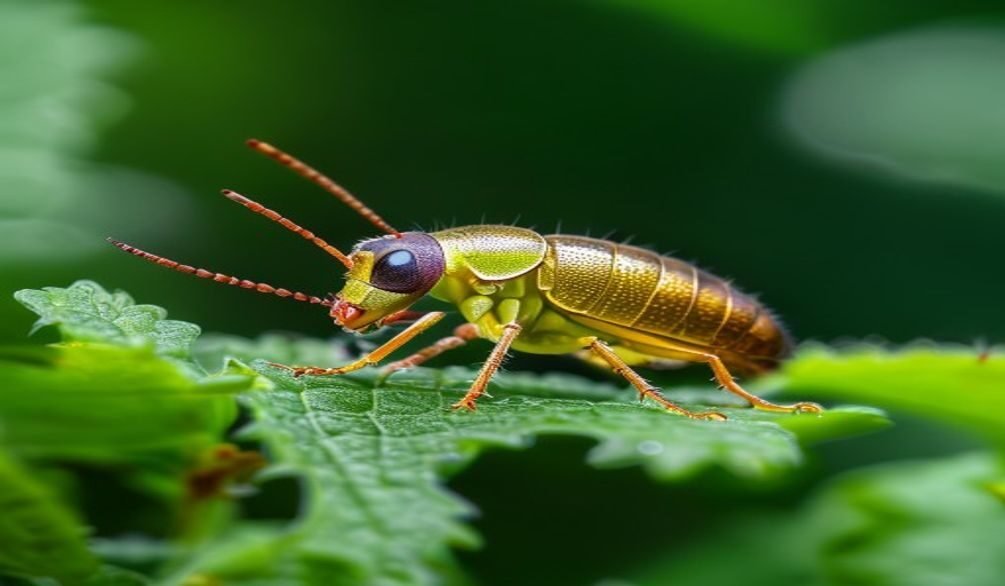
Identifying aphids early is crucial for effective management and preventing widespread damage to your plants. These tiny, soft-bodied insects often cluster on new growth, leaf undersides, and flower buds. Catching them quickly is a key component of successful natural aphid control solutions.
Aphids come in various colors, including green, black, yellow, brown, or pink, and can be winged or wingless. You’ll often spot them in dense groups, particularly on tender new shoots where they pierce plant tissues to feed on sap. This feeding can lead to stunted growth, curled or yellowed leaves, and distorted flowers.
One of the most tell-tale signs of an aphid infestation is the presence of honeydew, a sticky, sugary substance they excrete. This honeydew can attract ants and promote the growth of sooty mold, which appears as a black film on leaves, further hindering photosynthesis. Aphids thrive in moderate temperatures between 15-25°C (59-77°F) and high humidity, as reported by Farmonaut (2025).
In my 10 years of experience, a thorough visual inspection is your best tool. Turn over leaves, especially on the youngest parts of the plant, every few days. Early detection allows for targeted, less intensive natural aphid control solutions. Aphids can cause up to 30% yield loss in New Zealand cereal crops due to the transmission of the Barley yellow dwarf virus, as stated in an updated aphid report (2026), highlighting the economic impact of these pests.
What is the fastest way to get rid of aphids naturally?
The fastest way to get rid of aphids naturally is often a strong spray of water, which physically dislodges them from plants. This method is effective for immediate relief and should be part of any comprehensive approach to natural aphid control solutions. For small infestations or delicate plants, hand-picking can also provide quick results.
A powerful stream of water from a garden hose can knock aphids off your plants without causing harm to the foliage. Aim for the undersides of leaves where they tend to hide. Repeat this process every few days until the aphid population is under control. This is a simple yet highly effective first line of defense among various natural aphid control solutions.
For a more targeted and rapid intervention, especially on more persistent infestations, a homemade insecticidal soap spray can be prepared quickly. Dr. Bronner’s Pure-Castile Soap, for example, is often cited as a suitable pure liquid soap for these homemade sprays. Always test any spray on a small, inconspicuous part of the plant first to ensure there’s no adverse reaction. This quick application offers immediate relief.
7 proven natural aphid control solutions
Implementing a variety of natural aphid control solutions is the most effective strategy for managing these common garden pests. Each method offers unique benefits, targeting aphids in different ways to protect your plants sustainably. From my experience, a multi-pronged approach always yields the best results.
Here are seven proven natural aphid control solutions you can employ:
Step 1: hosing them off with water
The simplest and often the quickest initial step in natural aphid control is to spray them off your plants with a strong stream of water from a garden hose. This physical removal works by knocking the aphids off, and many cannot find their way back to the host plant. Focus on the undersides of leaves and new growth where aphids congregate.
Step 2: applying insecticidal soap
Insecticidal soaps are highly effective natural aphid control solutions that work by disrupting the aphids’ cell membranes, leading to dehydration. You can create a homemade aphid spray by mixing 1-2 teaspoons of a mild liquid soap, such as Dr. Bronner’s Pure-Castile Soap, with one liter of water. Spray this solution directly onto the aphids, ensuring thorough coverage, especially on the undersides of leaves.
Step 3: utilizing neem oil
Neem Oil is a powerful organic aphid control agent derived from the neem tree, acting as an antifeedant, repellent, and growth disruptor. Mix 100% cold-pressed Neem Oil according to package directions, typically 1-2 tablespoons per gallon of water, and add a small amount of mild soap as an emulsifier. Apply thoroughly to all plant surfaces, including stems and both sides of leaves, preferably in the late evening to avoid burning foliage and to minimize harm to beneficial insects. This is one of the most comprehensive natural aphid control solutions available.
Step 4: using diatomaceous earth
Diatomaceous earth for aphids is a mechanical killer; it’s a fine powder made from fossilized diatoms that has sharp microscopic edges. When aphids crawl over it, the sharp edges cut their exoskeletons, causing them to dehydrate and die. Apply a fine dusting of food-grade diatomaceous earth to affected plants when they are dry, focusing on areas where aphids are present. Reapply after rain or heavy watering to maintain its effectiveness.
Step 5: employing rubbing alcohol solution
A diluted rubbing alcohol solution can be an effective spot treatment for small aphid infestations. Mix one part isopropyl alcohol (70%) with one part water, and add a few drops of mild dish soap. Apply this solution directly onto the aphids using a spray bottle or a cotton swab. The alcohol dissolves the aphids’ outer waxy coating, leading to dehydration. Always test on a small area first.
Step 6: deploying floating row covers
Floating row covers provide a physical barrier to prevent aphids from landing on and infesting your plants. This is a preventative measure, particularly useful for protecting young and vulnerable plants from aphid colonization. Drape lightweight, breathable fabric over plants and secure the edges to the ground to block pest access while allowing sunlight and water through. This is a proactive approach to natural aphid control solutions.
Step 7: setting up trap crops (nasturtiums)
Trap crops like Nasturtiums are frequently mentioned as effective in luring aphids away from desired plants. These plants are intentionally grown to attract pests, diverting them from your main crops. Plant Nasturtiums around the perimeter of your garden or near susceptible plants. Aphids will often prefer the trap crop, allowing you to manage the infestation on a smaller, contained area, thereby protecting your primary harvest.
How do you get rid of aphids permanently?
Achieving permanent aphid control involves shifting from reactive treatments to proactive, ecosystem-based strategies that foster a resilient garden. The goal isn’t just to eliminate existing aphids but to create an environment where they struggle to establish themselves. This requires a long-term commitment to natural aphid control solutions.
“Aphids are most effectively managed when Integrated Pest Management (I.P.M.) is practiced,” states Clemson Extension. “In short, IPM is the use of multiple control strategies in a comprehensive and preventative approach to reduce pest populations, to maintain plant health, and to minimize the use and impact of pesticides in the environment.” This holistic approach is key to lasting success.
One critical aspect is promoting plant health. “Healthy, vigorous plants are better equipped to withstand aphid infestations,” notes Fruit Hill Farm Blog. “Provide proper watering, adequate sunlight, and nutrient-rich soil to promote plant resilience. Avoid too much nitrogen-rich fertiliser.” Healthy plants are naturally more resistant to pests.
Furthermore, fostering biodiversity in your garden by attracting beneficial insects and practicing companion planting significantly reduces aphid populations over time. Farms employing high crop diversity experienced 35% fewer aphid outbreaks in 2025 compared to monoculture fields, according to Farmonaut. This evidence underscores the power of a diverse ecosystem in providing natural aphid control solutions.
Attracting beneficial insects for long-term aphid control
Attracting beneficial insects is one of the most sustainable and effective natural aphid control solutions for long-term management. These natural predators and parasitoids feed on aphids, significantly reducing their populations without human intervention. This biological control is a cornerstone of an eco-friendly garden.
Ladybugs are renowned aphid predators, with their larvae capable of eating 50-60 aphids per day, and an adult ladybug consuming up to 5,000 aphids in its lifetime, according to Sustainable Market Farming. Green Lacewings are another highly effective predator; their larvae, often called ‘aphid lions,’ are voracious feeders. Encouraging these insects is vital for organic aphid control.
“Pampering and nurturing pests’ natural enemies is an excellent method of organic aphid control,” advises Gardening Know How. “Encourage natural aphid predators like ladybugs and green lacewings to your garden by growing plants they like.” Plants such as dill, cilantro, fennel, and cosmos provide nectar and pollen for adult beneficial insects, attracting them to your garden. Suppliers like NaturesGoodGuys offer beneficial insects for release, a strategic move in natural aphid control solutions.
To support these allies, avoid broad-spectrum pesticides that harm beneficial insects. Provide a water source and areas of undisturbed habitat. This creates an inviting environment for them to reside and reproduce, offering continuous natural aphid control solutions. The presence of these insects helps maintain ecological balance.
Companion planting: plants that repel aphids
Companion planting is an age-old gardening technique that utilizes specific plant pairings to deter pests, including aphids, and enhance plant health. This strategy is a proactive and aesthetically pleasing approach to natural aphid control solutions. By strategically placing certain plants, you can create a natural barrier against infestations.
Many plants release compounds that are naturally repellent to aphids, making them excellent choices for inclusion in your garden layout. These plants can mask the scent of susceptible crops, making it harder for aphids to locate their preferred food sources. This method contributes to a balanced, pest-resistant garden ecosystem.
Here’s a table of common plants that repel aphids and their benefits:
| Repellent Plant | Mechanism / Benefit | Ideal Placement |
|---|---|---|
| Nasturtiums | Trap crop, highly attractive to aphids, luring them away from other plants. | Around the perimeter of vulnerable plants. |
| Garlic & Onions | Strong scent repels aphids and other pests. | Interplanted with roses, lettuce, or tomatoes. |
| Chives | Emits sulfur compounds that deter aphids. | Near roses, carrots, or fruit trees. |
| Marigolds | Release pyrethrum-like compounds; roots can deter nematodes. | Throughout vegetable beds and flower borders. |
| Mint | Strong aromatic oils confuse and repel aphids. | In pots near susceptible plants (can be invasive). |
| Fennel | Attracts beneficial insects like hoverflies and lacewings, which prey on aphids. | Near brassicas or other aphid-prone crops. |
Incorporating these plants into your garden design not only adds beauty but also provides ongoing natural aphid control solutions. For instance, planting chives around your roses can significantly reduce aphid pressure on your prized blooms. This organic aphid control method is both effective and environmentally friendly.
Faqs about natural aphid management
What is a natural spray for aphids?
A natural spray for aphids is typically a homemade insecticidal soap solution, made by mixing a mild liquid soap like Dr. Bronner’s Pure-Castile Soap with water. This solution works by breaking down the aphid’s protective outer layer, leading to dehydration. Neem oil is another highly effective natural aphid control solution.
What is the best homemade aphid killer?
The best homemade aphid killer is generally a solution of 1-2 teaspoons of mild liquid soap (such as Dr. Bronner’s) per liter of water, applied directly to the aphids. This method provides immediate results by disrupting the aphids’ cell membranes. Always remember to test the spray on a small portion of the plant first to ensure no adverse reaction.
What kills aphids but not ladybugs?
To kill aphids without harming ladybugs, focus on targeted physical removal methods or specific natural aphid control solutions like insecticidal soap or neem oil applied carefully. Ladybug larvae can eat 50-60 aphids per day, according to Sustainable Market Farming, making them invaluable allies. Avoid broad-spectrum pesticides and apply sprays in the evening when ladybugs are less active.
How do you get rid of black aphids naturally?
You get rid of black aphids naturally using the same methods effective for other aphid species, such as a strong water spray to dislodge them or an insecticidal soap solution. Black aphids, often found on beans or nasturtiums, are vulnerable to these physical and contact-based natural aphid control solutions. Introducing beneficial insects like Green Lacewings is also highly effective.
Is diatomaceous earth good for aphids?
Yes, diatomaceous earth for aphids is a good natural control method, as it works by physically abrading their exoskeletons, causing dehydration. This fine powder is safe for humans and pets when food-grade, but it can also harm beneficial insects if applied indiscriminately. Apply a thin layer to affected plants when dry, focusing on aphid clusters for targeted natural aphid control solutions.
Taking control of aphid infestations naturally empowers you to cultivate a healthier, more resilient garden ecosystem. By combining early detection with proven natural aphid control solutions—from simple water sprays to attracting beneficial insects and strategic companion planting—you can effectively manage these pests without resorting to harsh chemicals. Start implementing these strategies today to enjoy a thriving, aphid-free garden that supports biodiversity and sustainable growth. Your plants, and the planet, will thank you for choosing natural aphid control solutions.