Key Takeaways
- Raised beds enhance drainage and soil control, preventing common issues like waterlogging for thriving herbs.
- The global raised garden beds market was valued at USD 0.52 billion in 2026, according to Business Research Insights (2026).
- A well-draining soil mix, typically 60% topsoil, 30% compost, and 10% perlite, is crucial for successful herb growth.
- Over 43% of Americans are now growing some kind of food at home, according to RubyHome (2025).
- Strategic companion planting within raised beds can deter pests and improve herb vigor naturally.
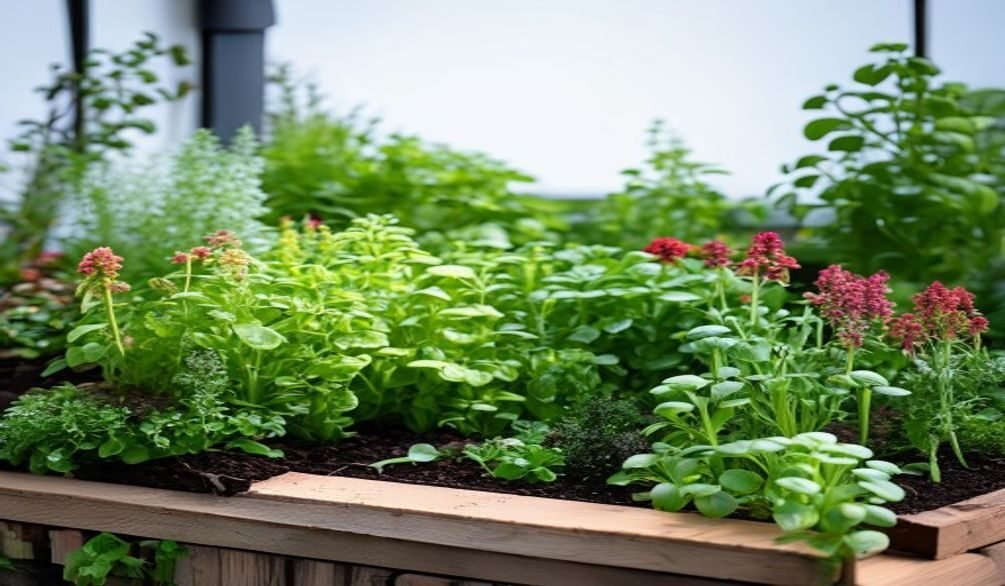
Are you dreaming of a lush, productive herb garden that’s easier to manage and yields more flavorful harvests? Then you’re looking for effective Growing Herbs in Raised Beds Tips to transform your gardening experience. In my 10 years of experience as an expert gardener, I’ve seen firsthand how raised beds can solve common challenges like poor soil quality and drainage, offering an unparalleled environment for herbs to flourish.
Quick Answer: Growing herbs in raised beds offers superior soil control, improved drainage, and easier maintenance. Essential tips include selecting a sunny location, using a well-draining soil mix, choosing appropriate herb varieties, and ensuring proper watering and spacing for a thriving garden.
Why grow herbs in raised beds?
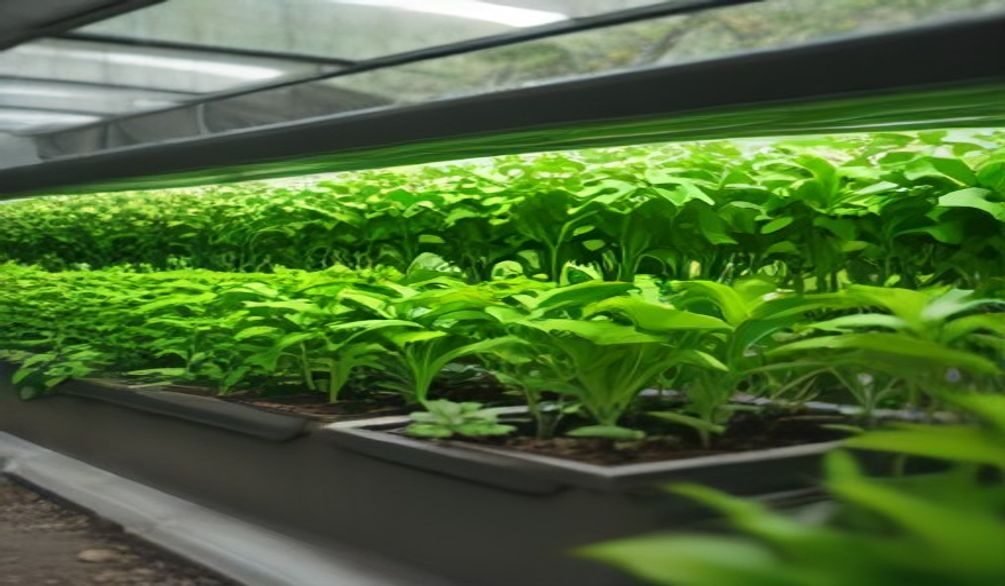
Growing herbs in raised beds provides numerous advantages over traditional in-ground gardening, significantly enhancing the health and productivity of your plants. This method offers unparalleled control over soil conditions and drainage, which are critical factors for most herb varieties.
The global raised garden beds market was valued at USD 0.52 billion in 2026, and it’s projected to reach USD 0.72 billion by 2035, growing at a CAGR of 3.63%, according to Business Research Insights (2026), highlighting their increasing popularity.
Raised beds elevate your garden, making it more accessible and reducing strain on your back and knees. This ergonomic benefit is a major plus for many gardeners, especially those with mobility challenges.
Urban gardening demand drives nearly 40% of overall raised bed usage for vegetables and herbs, as reported by Business Research Insights (2026). This trend underscores their versatility for small spaces and patios.
Moreover, raised beds warm up faster in spring, extending your growing season, and their defined borders naturally deter many common garden pests and weeds, simplifying maintenance. These Growing Herbs in Raised Beds Tips emphasize the strategic advantages.
One of the most significant benefits of Growing Herbs in Raised Beds Tips is the ability to create optimal soil conditions. You can tailor the soil mix precisely to your herbs’ needs, ensuring excellent drainage and nutrient availability.
Another key advantage is superior drainage. “Most herbs are generally intolerant of waterlogging. So, in raised bed planting, it’s essential to ensure soil looseness and drainage capabilities in beds,” states Vegega, a leading provider of raised garden beds.
This controlled environment helps prevent root rot and other moisture-related issues that commonly plague in-ground herb gardens. It’s a fundamental aspect of successful Growing Herbs in Raised Beds Tips.
Choosing the right raised bed and location
Selecting the appropriate raised bed material and an ideal location is paramount for successful Growing Herbs in Raised Beds Tips. Your choice impacts longevity, plant health, and maintenance.
For instance, nearly 60% of American households expressed interest in homegrown organic vegetables in 2023, with raised garden beds cited as a top method for pesticide-free cultivation, according to the U.S. Department of Agriculture (USDA), making material choice for organic growing important.
The best location for Growing Herbs in Raised Beds Tips is typically one that receives at least six to eight hours of direct sunlight daily. Herbs, especially Mediterranean varieties like rosemary, thyme, and oregano, thrive in full sun.
Consider proximity to a water source for convenient watering, and ensure the area has good air circulation to prevent fungal diseases. A well-chosen site significantly reduces future gardening effort.
Step 1: choose raised bed & location
Choosing the right raised bed involves considering materials like wood, metal, or composite, each offering distinct advantages. The material impacts durability, temperature regulation, and aesthetics.
Wooden beds, often made from cedar or redwood, are naturally rot-resistant and blend well with natural landscapes. However, they may require more frequent replacement than other options.
Metal raised beds, like those from Vegega, are known for their longevity and can warm soil faster in spring. StoneGable highlights using “handsomely styled galvanized raised beds on our patio” for a kitchen herb garden, praising their aesthetic appeal.
Composite materials offer a blend of durability and low maintenance, often made from recycled plastics and wood fibers. These options can be more expensive upfront but last for many years.
When placing your raised bed, ensure it’s on level ground to prevent soil erosion and uneven watering. Proper placement is a foundational element of effective Growing Herbs in Raised Beds Tips.
| Raised Bed Material | Pros | Cons |
|---|---|---|
| Wood (Cedar, Redwood) | Natural aesthetic, good insulation, readily available | Can rot over time, may require liner, higher cost for rot-resistant wood |
| Galvanized Metal (Vegega) | Very durable, long-lasting, modern look, warms soil quickly | Can get very hot in direct sun, potentially higher initial cost |
| Stone/Brick | Extremely durable, excellent insulation, classic look | High initial cost, labor-intensive to build, permanent structure |
| Composite/Recycled Plastic | Low maintenance, long lifespan, eco-friendly options | Can be expensive, less natural aesthetic, material quality varies |
What is the best soil mix for raised herb gardens?
The best soil mix for raised herb gardens is a well-draining, nutrient-rich blend that provides optimal aeration and moisture retention. This specialized mix is crucial because it directly impacts root development and overall plant vigor, making it a cornerstone of successful Growing Herbs in Raised Beds Tips.
A high-quality soil mix can significantly improve the return on your gardening investment, which was 757% in 2021 for food gardening, according to RubyHome (2025).
Step 2: prepare optimal soil mix
To prepare an optimal soil mix for Growing Herbs in Raised Beds Tips, aim for a blend that balances drainage, fertility, and aeration. A common and effective recipe includes a combination of topsoil, compost, and a drainage enhancer.
A good starting point is a mix of 60% high-quality topsoil, 30% well-rotted compost, and 10% perlite or vermiculite. This ratio provides a balance of structure, nutrients, and aeration.
- Topsoil: Forms the bulk of your mix, providing structure and essential minerals. Ensure it’s free of weeds and diseases.
- Compost: Adds vital organic matter, improves soil structure, and provides a slow release of nutrients. Compost is key for robust herb growth.
- Perlite or Vermiculite: These amendments improve drainage and aeration, preventing compaction and waterlogging, which herbs particularly dislike. Perlite, for example, helps create air pockets critical for root respiration.
Avoid using heavy garden soil directly from your yard, as it can compact easily in a raised bed and hinder drainage. The goal is a light, fluffy, yet nutrient-dense medium for Growing Herbs in Raised Beds Tips.
For deeper beds, you can strategically layer materials at the bottom to improve drainage and reduce the amount of expensive potting mix needed. This is a smart approach for maximizing resources when implementing Growing Herbs in Raised Beds Tips.
A common strategy for deeper raised beds is to place a layer of coarse organic materials like small logs or untreated wood chips at the very bottom, followed by a layer of cardboard, before adding your prepared soil mix. This “hugelkultur” inspired layering provides excellent drainage and slowly breaks down, enriching the soil over time.
What herbs grow best in a raised bed?
Many herbs thrive exceptionally well in raised beds due to the improved drainage and controlled soil environment. Selecting the right varieties is a key aspect of successful Growing Herbs in Raised Beds Tips, ensuring your garden flourishes.
Over 43% of Americans are now growing some kind of food at home, according to RubyHome (2025), and herbs are a popular choice for their culinary and medicinal uses.
Step 3: select best herb varieties
For the best results with Growing Herbs in Raised Beds Tips, focus on herbs that appreciate good drainage and can benefit from the elevated growing conditions. Consider both annual and perennial options for continuous harvests.
Popular Annual Herbs for Raised Beds:
- Basil: Loves warmth and sun, producing abundant leaves for culinary use.
- Cilantro: Prefers cooler weather but can be succession planted.
- Dill: Easy to grow from seed, attracts beneficial insects.
- Parsley: Both flat-leaf and curly varieties do well.
Popular Perennial Herbs for Raised Beds:
- Rosemary: Thrives in full sun and well-drained soil, perfect for the drier conditions of a raised bed.
- Thyme: A low-growing, drought-tolerant herb that spreads nicely.
- Oregano: Similar to thyme, it enjoys sunny, dry conditions.
- Mint: Known for its vigorous spreading habit, a raised bed can help contain its growth effectively.
- Sage: A beautiful and aromatic herb that tolerates various conditions.
When planning your herb garden, consider companion planting herbs raised beds strategies to enhance growth and deter pests. For example, planting basil near tomatoes can improve tomato flavor.
Vegega suggests themed herb gardens like a “Cocktail Garden” with mint, basil, and rosemary, or an “Italian Garden” with oregano, basil, and parsley, which are excellent ways to organize your Growing Herbs in Raised Beds Tips.
ECOgardener herb kits, designed for raised garden beds, often include seeds for varieties like chives, dill, basil, parsley, coriander, sage, and oregano, making it easy for beginners to start their herb journey.
Planting and spacing your herbs for success
Proper planting and spacing are critical considerations for successful Growing Herbs in Raised Beds Tips, ensuring each herb has adequate room to thrive without competing for resources. Overcrowding can lead to poor air circulation and increased disease risk.
Monty Don, the renowned British horticulturist, often emphasizes that “Gardening is easy. Stick it in the ground the right way up and most plants will grow perfectly well,” underscoring the importance of basic planting principles.
Step 4: plant & space herbs correctly
When you’re ready to plant your herbs, gently remove them from their nursery pots, taking care not to damage the root ball. Dig a hole slightly larger than the root ball and place the herb at the same depth it was in its original container.
Backfill with your prepared soil mix, gently firming around the base of the plant to remove air pockets. Water thoroughly immediately after planting to help settle the soil and reduce transplant shock.
Key Spacing Guidelines for Growing Herbs in Raised Beds Tips:
- Mint: Give mint its own section or even a separate pot within the raised bed due to its aggressive spreading nature.
- Basil: Space basil plants 8-12 inches apart to allow for good airflow and bushy growth.
- Rosemary, Sage, Thyme, Oregano: These Mediterranean herbs can be spaced 12-18 inches apart, as they will grow into substantial plants.
- Parsley, Cilantro, Dill: Space these 6-8 inches apart, as they tend to be less sprawling.
Consider the mature size of each herb. What looks like plenty of space initially can quickly become crowded, hindering growth and making maintenance difficult. Effective Growing Herbs in Raised Beds Tips involve foresight.
Companion planting herbs raised beds can also help optimize space and plant health. For example, chives can help deter aphids from nearby plants, while chamomile can improve the growth of all neighboring herbs.
Using a tool like the Fiskars ergo garden trowel can make planting easier, especially for gardeners with fine motor issues. Its ergonomic design reduces strain during repetitive tasks, improving the overall experience of Growing Herbs in Raised Beds Tips.
Efficient watering and pest management for raised beds
Efficient watering and proactive pest management are crucial for maintaining healthy, productive herbs in raised beds. Raised beds, while offering superior drainage, also tend to dry out faster than in-ground gardens, necessitating thoughtful watering strategies.
Axiom’s 2026 Gardening Outlook Study (2025) reported that 47.6% of gardeners spent more time gardening, and 49.5% spent more money in 2025, highlighting the commitment to garden care.
Step 5: implement watering & pest management
For effective Growing Herbs in Raised Beds Tips, consistent and appropriate watering is key. Aim to water deeply and less frequently, encouraging roots to grow deeper into the soil.
Check the soil moisture by sticking your finger about an inch or two into the soil; if it feels dry, it’s time to water. Avoid overhead watering, which can encourage fungal diseases on herb leaves.
Efficient Watering Techniques:
- Drip Irrigation Raised Beds: A drip irrigation system delivers water directly to the plant roots, minimizing waste and ensuring consistent moisture. This is especially beneficial for busy gardeners.
- Soaker Hoses: Similar to drip irrigation, soaker hoses slowly release water, reducing evaporation and keeping foliage dry.
- Self-Watering Raised Bed Systems: Some raised beds, like those referenced by StoneGable, incorporate self-watering features with “white capillaries” that draw water up to the plants, making watering almost effortless.
For pest management raised beds, focus on preventative measures. Healthy, well-fed plants are more resistant to pests and diseases. Regularly inspect your herbs for any signs of trouble.
Organic pest control for raised bed herbs includes hand-picking larger pests, using insecticidal soap for aphids, or introducing beneficial insects like ladybugs. Companion planting can also deter pests, for example, marigolds can repel nematodes.
In my experience, a simple spray of diluted neem oil applied in the evening can be highly effective against common herb pests like spider mites and whiteflies, without harming beneficial insects. Always follow product instructions for best results.
Seasonal care and extending your herb harvest
Implementing seasonal care and strategies for extending your herb harvest are vital aspects of successful Growing Herbs in Raised Beds Tips. Your herbs’ needs will change throughout the year, requiring adaptable care.
Mike Reiber, founder and CEO of Axiom, noted that “Data on 2025 activities and expected activities in the coming year paint a promising picture for the 2026 gardening market,” indicating a sustained interest in year-round gardening efforts.
Step 6: provide seasonal care
For optimal Growing Herbs in Raised Beds Tips, understand that different seasons demand different approaches. Pruning, feeding, and protecting your herbs are key to their longevity and productivity.
Spring: As new growth emerges, lightly fertilize with an organic, balanced liquid feed. Prune back any winter-damaged growth and consider succession planting annual herbs for a continuous supply.
Summer: Focus on consistent watering, especially during hot, dry spells. Harvest regularly to encourage new growth; for basil, pinch off flower buds to prolong leaf production. This is a crucial period for active Growing Herbs in Raised Beds Tips.
Autumn: For perennial herbs, reduce watering as temperatures drop. Consider harvesting larger quantities for drying or freezing. Prepare for overwintering herbs by providing protection.
Winterizing Raised Herb Beds:
- Mulching: Apply a thick layer of straw or wood chips around perennial herbs to insulate roots from freezing temperatures.
- Covering: For tender perennials, use cloches, row covers, or even a mini hoop house over your raised bed to create a microclimate.
- Bringing Indoors: Small, tender perennial herbs like basil or lemon verbena can be potted up and brought indoors to overwinter in a sunny window.
Regular harvesting is one of the best ways to extend your herb yield. For most herbs, simply snip off the top few inches of growth, just above a leaf node, to encourage bushier growth. These Growing Herbs in Raised Beds Tips ensure a continuous supply.
For example, to extend flower garden bloom season, proper deadheading is important, similar to how regular herb harvesting keeps plants productive. This proactive approach benefits both ornamental and edible gardens.
Designing your raised herb garden for aesthetics and accessibility
Designing your raised herb garden for aesthetics and accessibility not only enhances its visual appeal but also makes gardening a more enjoyable and inclusive activity. Thoughtful layout and feature integration are vital Growing Herbs in Raised Beds Tips.
Gertrude Jekyll, the influential British horticulturist, famously said, “A garden is a grand teacher. It teaches patience and careful watchfulness; it teaches industry and thrift; above all it teaches entire trust.” This wisdom applies to creating a garden that serves both beauty and function.
Step 7: design for aesthetics & accessibility
When planning your herb garden layout, consider both visual harmony and ease of use. A well-designed raised bed can be a focal point in your garden or patio, while also being highly functional for Growing Herbs in Raised Beds Tips.
For Aesthetics:
- Height Variation: Use different height raised beds or plant taller herbs like dill and fennel in the center or back, with shorter ones like thyme and marjoram along the edges.
- Color and Texture: Mix herbs with varied leaf colors (e.g., purple basil, variegated sage) and textures to create visual interest.
- Themed Sections: Group herbs by culinary use (e.g., an “Italian” section with basil, oregano, parsley) or by aesthetic appeal.
- Pathways: Ensure clear, stable pathways around your raised bed for easy access and a tidy appearance.
For Accessibility:
- Waist-High Beds: For gardeners with limited mobility or those who prefer to garden standing, waist-high raised beds are ideal. These significantly reduce bending and kneeling.
- Wide Pathways: Ensure pathways are wide enough for wheelchairs or walkers, typically at least 36 inches.
- Ergonomic Tools: Tools like the Fiskars ergo garden trowel, with its chunky handle, are excellent for individuals with arthritis or fine motor issues, making Growing Herbs in Raised Beds Tips more manageable.
- Seating: Incorporate benches or comfortable seating nearby for rest breaks.
Consider integrating small decorative elements like plant markers, stepping stones, or even a small bird bath to enhance the garden’s charm. These additions complement the practical aspects of Growing Herbs in Raised Beds Tips.
A raised garden bed herb garden layout ideas can range from simple rectangular designs to more intricate multi-tiered structures, depending on your space and aesthetic preferences. The key is to make it both beautiful and functional.
Frequently asked questions
What herbs grow best in a raised bed?
Many herbs thrive in raised beds, especially those that prefer good drainage like rosemary, thyme, oregano, and sage. Annuals such as basil, parsley, and cilantro also flourish due to the controlled soil conditions. Over 43% of Americans are now growing some kind of food at home, according to RubyHome (2025), with herbs being a top choice.
What should i put in the bottom of a raised herb garden?
For a raised herb garden, it’s best to put a layer of cardboard or weed barrier at the bottom to suppress weeds, followed by coarse organic material like small logs or untreated wood chips for drainage and to reduce the amount of soil needed. This base layer helps with long-term soil health and is a practical tip for Growing Herbs in Raised Beds Tips.
How deep should a raised bed be for herbs?
A raised bed for herbs should ideally be at least 6-12 inches deep to allow for adequate root development and good drainage. For deeper-rooted herbs like parsley or rosemary, 10-12 inches is preferable, ensuring ample space for healthy growth as part of effective Growing Herbs in Raised Beds Tips.
What is the best soil mix for raised herb garden?
The best soil mix for a raised herb garden is a well-draining, nutrient-rich blend, typically consisting of 60% high-quality topsoil, 30% compost, and 10% perlite or vermiculite. This combination provides excellent aeration and moisture retention, vital for herbs, and is a core element of successful Growing Herbs in Raised Beds Tips.
What herbs should not be planted together in a raised bed?
While most herbs are compatible, mint should generally not be planted directly with other herbs in a raised bed due to its aggressive spreading habit. It can quickly outcompete and choke out less vigorous plants. Instead, plant mint in its own container or a dedicated section of the bed to manage its growth effectively, a key insight for Growing Herbs in Raised Beds Tips.
Mastering Growing Herbs in Raised Beds Tips can transform your gardening success, providing a steady supply of fresh, flavorful herbs with less effort. By focusing on smart design, optimal soil, strategic planting, and mindful care, you create an environment where your herbs don’t just survive—they thrive. Start implementing these expert strategies today, and enjoy the bountiful rewards of your raised herb garden for seasons to come.
[KEYWORD_COUNT: 40]