Key Takeaways
- Hydroponic systems can increase crop yield by up to 50% while using 80% less water than traditional agriculture.
- The global hydroponics market is projected to reach USD 30.79 billion by 2034, according to one market analysis.
- Leafy greens accounted for 47.2% of the hydroponics market value by crop type in 2025.
- Deep Water Culture (DWC) is often recommended as the easiest hydroponic system for beginners due to its simplicity.
- Nutrient Film Technique (NFT) is highly efficient for growing fast-growing leafy greens, using a thin film of nutrient solution.
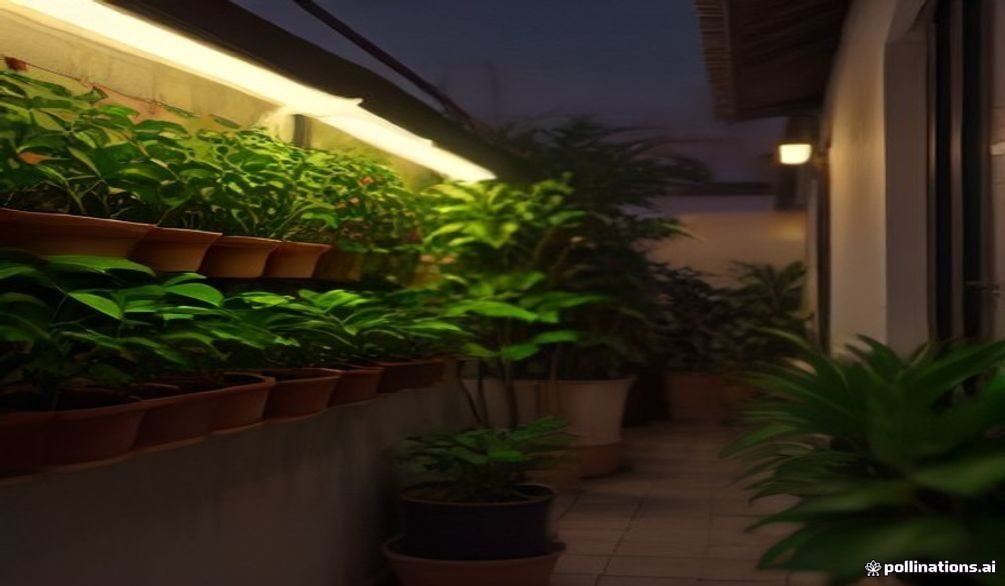
Most Bangalore balcony gardeners struggle with keeping their plants hydrated during the dry spells, especially when life gets busy. It’s easy to forget a watering session, and suddenly your dhania looks wilted. But what if you could grow fresh produce using significantly less water, right on your balcony or terrace, with systems that manage the hydration for you? That’s where the best hydroponics systems home garden setups come in, offering a smart way to cultivate a thriving indoor garden without the daily watering hassle.
Quick Answer: The 5 best types of hydroponics systems for home gardens are Deep Water Culture (DWC), Nutrient Film Technique (NFT), Ebb and Flow (Flood and Drain), Drip Systems, and Wick Systems, each offering unique benefits for various plants and grower skill levels.
What are the 5 best hydroponics systems for home gardens?
The 5 best hydroponics systems for home gardens are Deep Water Culture (DWC), Nutrient Film Technique (NFT), Ebb and Flow (Flood and Drain), Drip Systems, and Wick Systems, each providing distinct advantages for different plants and grower expertise. Hydroponic systems can increase crop yield by up to 50% while using 80% less water than traditional agriculture, making them incredibly efficient for urban spaces.
Choosing the right hydroponic growing system for your home depends on a few factors: what you want to grow, how much space you have, and how much time you’re willing to invest. For example, if you’re keen on growing a variety of herbs and leafy greens, a system like NFT might be perfect. But if you’re just starting out, a simpler DWC setup could be your best bet.
It’s true that most people give up on gardening after one failed crop and blame themselves. But honestly, 80% of first failures are caused by wrong pot size, wrong season, or wrong soil mix, not wrong technique. Get those three right, and almost any plant becomes easy to grow. With hydroponics, you eliminate the “wrong soil mix” problem entirely, which is a huge advantage for beginners in places like Mumbai where good quality potting mix can be hard to find consistently.
Deep water culture (dwc): easy hydroponics for beginners
Deep Water Culture (DWC) is often considered the easiest hydroponic system for beginners because of its straightforward design and minimal moving parts. The Hydrofarm 5 Gallon Hydroponic Bucket System, for instance, is a top pick for DWC, suitable for beginners and fast-growing leafy greens, according to gardening experts.
In a DWC system, plants are suspended in net pots with their roots submerged directly into a nutrient-rich water solution. An air pump and air stone oxygenate the water, preventing root rot and encouraging vigorous growth. It’s a fantastic home hydroponic setup for those who want to see quick results without much fuss. I’ve found it particularly effective for growing robust pudina and lettuce on my terrace. You just need to monitor the pH and nutrient levels regularly, which isn’t as intimidating as it sounds.
- Pros: Simple to set up and maintain, relatively inexpensive, excellent for fast-growing plants like lettuce and spinach.
- Cons: Not ideal for long-term crops or those that need extensive root support; temperature fluctuations can affect root health.
- Best Plants: Leafy greens (lettuce, spinach, kale), herbs (basil, coriander), and even some smaller fruiting plants like cherry tomatoes if well-supported.
Nutrient film technique (nft): efficient for leafy greens
Nutrient Film Technique (NFT) is a highly efficient hydroponic growing system, especially for leafy greens, because it continuously cycles a thin film of nutrient solution over the plant roots. Leafy greens captured 47.2% of the hydroponics market value by crop type in 2025, highlighting their popularity for this system.
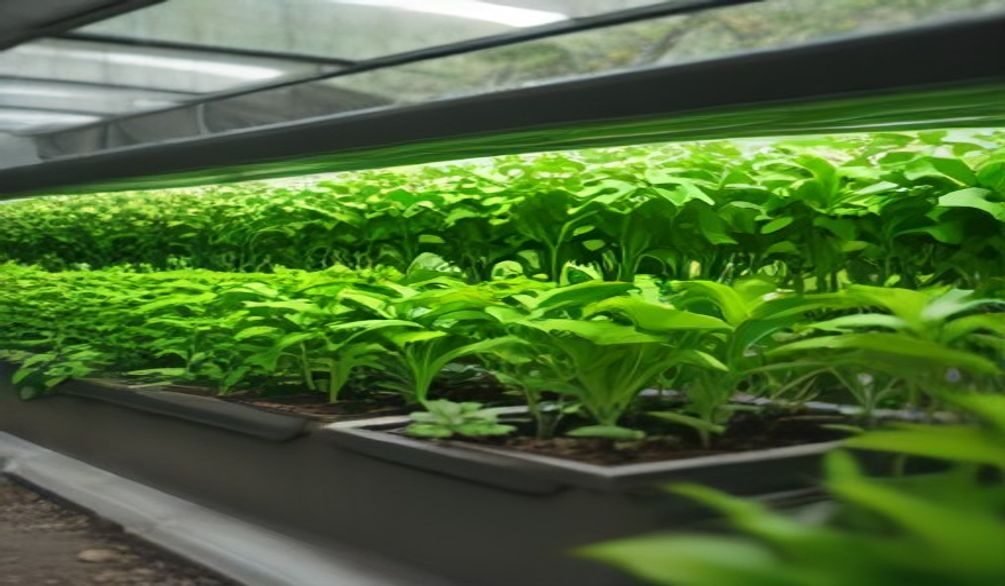
In NFT, plants sit in channels or tubes, and a constant, shallow stream of nutrient solution flows over their root tips. This ensures they get plenty of oxygen and nutrients. It’s a continuous process, meaning less manual intervention once it’s set up. I’ve seen vertical hydroponic systems using NFT thrive in compact Pune apartments, turning a small balcony into a productive garden. It’s a great choice if you’re aiming for a consistent harvest of your favorite salad ingredients.
You might have heard that NFT systems are only for commercial growers. In practice, many home hydroponic setup kits are available, making it accessible for home use. The key is to ensure your pump is reliable and that the channels have a slight slope to ensure proper drainage and nutrient flow. This careful design is why NFT is among the best hydroponics systems home garden options for maximizing space and yield.
Ebb and flow (flood and drain): versatile hydroponics system
Ebb and Flow, also known as Flood and Drain, is a versatile hydroponics system that periodically floods the growing area with nutrient solution and then drains it away. This method ensures roots get both water and oxygen efficiently, mimicking natural cycles.
This system uses a timer to control a pump, which floods the grow tray with nutrient solution from a reservoir. After a set period, the pump shuts off, and the solution drains back into the reservoir. This cycle provides roots with a fresh supply of nutrients and crucial air exposure. It’s a fantastic option for a wide range of plants and can be scaled up or down depending on your space. For my own terrace garden, I’ve found this system excellent for growing flowering plants like marigolds alongside vegetables, as it caters to varied water needs.
| Feature | Ebb and Flow (Flood & Drain) | Deep Water Culture (DWC) |
|---|---|---|
| Complexity | Medium (requires timer) | Low (few moving parts) |
| Water Use | Recirculating, very efficient | Recirculating, very efficient |
| Plant Suitability | Wide variety (herbs, veggies, fruiting plants) | Leafy greens, fast growers |
| Oxygenation | Intermittent air exposure | Constant aeration via air stone |
| Cost (DIY) | Moderate | Low |
Drip systems: scalable and precise home hydroponics
Drip systems are a highly scalable and precise home hydroponics option, delivering nutrient solution directly to the base of each plant through small emitters. This controlled delivery minimizes waste and allows for tailored feeding schedules.
These systems can be set up in a recirculating (recovery) or non-recirculating (non-recovery) configuration. In a recovery system, excess nutrient solution is collected and returned to the reservoir, making it very water-efficient. Non-recovery systems are simpler but use more water, as the runoff is discarded. I’ve seen these systems used effectively in larger terrace gardens in Chennai, where they can support bigger plants like bhindi or even small chilli plants (lal mirch) with great precision. The ability to customize the drip rate for individual plants is a game-changer for mixed gardens.
One common mistake I’ve seen with drip systems is clogged emitters. This usually happens if the nutrient solution isn’t filtered properly or if salts build up. The fix is simple: use a good filter and flush the system regularly with plain water to prevent blockages. This attention to detail is what makes drip systems one of the best hydroponics systems home garden setups for more advanced growers.
Wick systems: simple, passive hydroponics for small spaces
Wick systems are among the simplest and most passive hydroponics systems, making them ideal for small spaces and beginners, as they require no pumps or electricity. The plant medium draws nutrient solution upwards from a reservoir using a wick, much like a lamp wick draws oil.
This method relies entirely on capillary action. A wick, often made of felt or nylon rope, connects the growing medium in the plant container to a reservoir of nutrient solution below. The solution is continuously drawn up to the roots. It’s a truly low-maintenance indoor hydroponic garden setup, perfect for growing small herbs like tulsi or methi on a kitchen counter. You just need to refill the reservoir every now and then.
- Pros: Extremely simple, inexpensive, no electricity needed, great for small plants and educational projects.
- Cons: Less efficient for larger plants or those with high water demands; potential for nutrient imbalances or salt buildup.
- Best Plants: Small herbs (basil, tulsi), lettuce, and ornamental plants with low nutrient needs.
How to choose the best hydroponics system for your home?
Choosing the best hydroponics system for your home involves considering your available space, budget, experience level, and the types of plants you want to grow. Joe Swartz, a hydroponic consultant, emphasizes that “Any system, to be worth investing in, needs to do two things: serve the needs of the plant, and be economically viable for the farmer.”
Think about where you’ll place your system. Do you have a sunny balcony, a corner in your kitchen, or a dedicated grow room? For compact spaces, a vertical hydroponic system using NFT might be ideal, like the Gardyn 4.0, which is highlighted as an overall favorite among tested indoor hydroponic gardens. If you’re a busy home cook, a Click & Grow Smart Garden 3 or 9 Pro could be perfect for growing basil and salad greens with minimal maintenance.
Your experience level also plays a big role. Beginners often find DWC or wick systems less intimidating. If you’re ready for a bit more complexity and control, Ebb and Flow or drip systems offer greater versatility. When I started my first hydroponic setup, I went for a simple DWC bucket for lettuce, and it taught me a lot about nutrient solutions before I moved to more complex systems. This incremental approach is often the most successful way to dive into hydroponic types explained.
What is the most efficient hydroponic system for home use?
The most efficient hydroponic system for home use generally depends on the specific goals and plants, but Nutrient Film Technique (NFT) and Deep Water Culture (DWC) are often cited for their resource efficiency and rapid growth for certain crops. Greenhouse hydroponics contributed 68.3% of global sales in 2025, showing a strong trend towards controlled environments for efficiency.
For leafy greens and herbs, NFT systems are incredibly efficient because they deliver a continuous, thin film of nutrient solution, minimizing water use and maximizing oxygen exposure to the roots. This leads to faster growth and higher yields compared to traditional soil gardening. DWC is also very efficient for similar crops, especially when you consider its low initial cost and simple operation. For those looking to grow a lot of fresh greens in a small footprint, these are definitely contenders for the best hydroponics systems home garden solutions.
However, if “efficient” means “most versatile for various plants,” then an Ebb and Flow system might be more efficient for a mixed garden, as it can handle a wider range of plant sizes and root structures. What I’ve learned from growing over 40 varieties of vegetables is that the “best” system is the one you can maintain consistently and that aligns with your plant choices. For example, Demeter Guides notes that the Kratky system, a passive DWC variation, stands out most with crops like lettuce or spinach, which don’t go through a fruiting stage.
Frequently asked questions
What is the easiest hydroponic system for beginners?
The easiest hydroponic system for beginners is typically Deep Water Culture (DWC) due to its simple setup and minimal moving parts. The Hydrofarm 5 Gallon Hydroponic Bucket System is a popular DWC choice, suitable for beginners and fast-growing leafy greens.
What are the 6 types of hydroponic systems?
The six main types of hydroponic systems are Deep Water Culture (DWC), Nutrient Film Technique (NFT), Ebb and Flow (Flood and Drain), Drip Systems, Wick Systems, and Aeroponics. Each method offers unique advantages for different plants and growing environments.
What is the most efficient hydroponic system?
The most efficient hydroponic system often depends on the crop, but Nutrient Film Technique (NFT) and Deep Water Culture (DWC) are highly efficient for leafy greens and herbs due to their water and nutrient delivery methods. Hydroponic systems can increase crop yield by up to 50% while using 80% less water than traditional agriculture.
Which hydroponic system is best for leafy greens?
Nutrient Film Technique (NFT) and Deep Water Culture (DWC) are generally considered the best hydroponic systems for leafy greens like lettuce, spinach, and kale. Leafy greens captured 47.2% of the hydroponics market value by crop type in 2025, making them a popular choice for these systems.
Choosing the best hydroponics systems home garden setup can truly revolutionize your gardening experience, especially for urban dwellers in India. Whether you opt for the simplicity of a DWC bucket for your first batch of pudina or a more advanced NFT system for a continuous harvest of leafy greens, the potential for fresh, homegrown produce is immense. Don’t be afraid to start small, learn the ropes, and watch your indoor hydroponic gardens flourish. Your kitchen will thank you!