
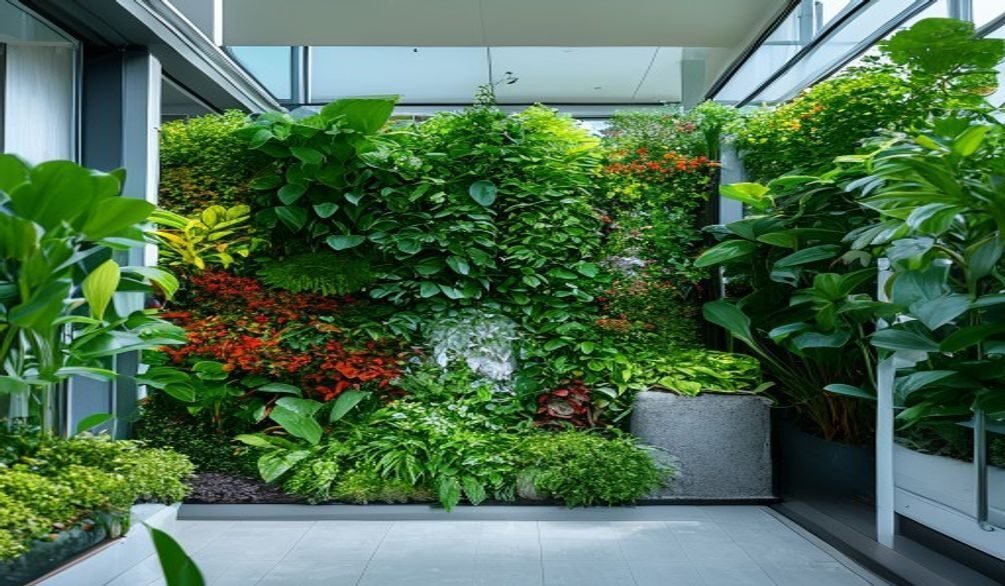
Key Takeaways
- The global vertical garden construction market is projected to reach USD 3.04 billion by 2034, growing at a CAGR of 8.87% from 2025.
- Indoor vertical garden walls accounted for 58.7% of the vertical garden construction market in 2025, driven by demand for indoor greenery.
- Vertical gardens can reduce urban temperatures by 37°C, significantly mitigating the urban heat island effect.
- Hydroponics is expected to represent 64.20% of vertical farming demand in the USA in 2025 due to its water efficiency.
- More than 63.6% of gardeners plan to expand their gardens and plant more in 2026, indicating a growing interest in gardening.
Are you struggling to find space for a thriving garden, especially in urban environments or smaller homes? Many aspiring gardeners face the challenge of limited horizontal space, but the good news is that **Creative Vertical Garden Ideas** offer a revolutionary solution to transform even the most compact areas into lush, green sanctuaries. This article will guide you through innovative designs, practical tips, and the immense benefits of vertical gardening, drawing on my decade of experience in horticulture.
Quick Answer: Vertical garden design ideas maximize space by growing plants vertically on walls and fences. They transform spaces, improve air quality, and enhance aesthetics, using various systems like hydroponics and modular planters for both indoor and outdoor environments.
What is a vertical garden and why choose one?
A vertical garden is a method of growing plants on a vertically suspended panel using hydroponics, aquaponics, or traditional soil-based systems. This innovative approach offers a fantastic way to utilize unused vertical spaces, making gardening accessible to everyone. Lee Anderson, Jefferson County Extension staff chair for the University of Arkansas System Division of Agriculture, notes that “Vertical gardening, which takes advantage of vacant up and down spaces such as walls or fences, is an affordable alternative to the conventional garden that offers several benefits.”
Choosing a vertical garden means embracing a modern, space-saving, and aesthetically pleasing way to cultivate plants. These gardens are more than just a trend; they are a practical solution for urban dwellers and anyone looking to maximize their green footprint. From my experience, the sheer joy of transforming a bare wall into a living tapestry is incredibly rewarding.
Vertical gardens rapidly optimize limited space, integrating nature into urban settings. This modern approach delivers a multitude of benefits that cater to contemporary living and environmental concerns. They truly redefine what a garden can be.
Types of vertical garden systems for every space
There are several primary types of vertical garden systems, each suited to different environments and gardening preferences. These systems range from simple DIY setups to sophisticated automated structures, ensuring there are **Creative Vertical Garden Ideas** for every gardener. Understanding the basic mechanics of each system is key to choosing the right one for your space.
The global vertical garden construction market is projected to increase from USD 1.41 billion in 2025 to USD 3.04 billion by 2034, growing at a CAGR of 8.87%, according to Vertex AI Search (2025). This growth reflects the increasing popularity and innovation in vertical gardening technologies. Indoor vertical garden walls, in particular, are anticipated to grow with the highest CAGR in the market during these years.
Here are the main types of vertical garden systems:
- Panel Systems: These involve attaching pre-planted panels or modules to a wall or freestanding structure. They often use a growing medium like felt, rockwool, or coco coir, providing a consistent environment for plants. Sempergreen offers innovative green façade systems like the SemperGreenwall, which are pre-grown in greenhouses and include a Smart Plant Care System for irrigation.
- Pocket Planters: Fabric or plastic pockets are hung vertically, allowing individual plants to be placed in each pocket. This is a popular and relatively inexpensive option for **DIY vertical garden ideas**, especially for herbs or small flowers.
- Stackable Planters: These systems consist of multiple tiers that stack on top of each other, creating a tower of plants. The Garden Tower Project is an excellent example, designed to grow up to 50 plants in just 4 square feet.
- Hydroponic Systems: Plants are grown without soil, using nutrient-rich water solutions circulated through the system. Hydroponics is expected to represent 64.20% of vertical farming demand in the USA in 2025, reflecting its critical role in water-efficient growing, according to Wikipedia (2025). Brands like Lettuce Grow and Rise Gardens specialize in these systems.
- Aeroponic Systems: Similar to hydroponics, but plant roots are suspended in the air and misted with nutrient solution. Gardyn utilizes a “hybroponic” system that combines both hydroponic and aeroponic growing, capable of growing up to 30 large plants in a small footprint.
Indoor vertical garden walls contributed a 58.7% share of the vertical garden construction market in 2025, largely due to the growing demand for indoor humidity and greenery, according to Vertex AI Search (2025). This highlights the appeal of bringing nature indoors with these systems. Each system presents unique opportunities for **Creative Vertical Garden Ideas**, allowing you to tailor your garden to your specific needs.
9 creative vertical garden design ideas for inspiration
Ready to transform your space with green ingenuity? These 9 **Creative Vertical Garden Ideas** will spark your imagination and provide practical blueprints for stunning living displays. Whether you have a tiny apartment balcony or a sprawling outdoor wall, there’s a vertical garden design waiting to flourish.
From my years in gardening, I’ve seen how a well-placed vertical garden can completely change the ambiance of a space. It’s not just about growing plants; it’s about creating an experience.
Here are some inspiring **Creative Vertical Garden Ideas**:
- Living Wall Art Piece: Design a vertical garden as a dynamic art installation, using a mix of foliage and flowering plants to create patterns and textures. Think beyond simple rows; consider varying plant heights and colors to mimic a painting. This is one of the most impactful living wall designs for homes.
- Balcony Herb Haven: Transform your balcony into a culinary delight with a vertical herb garden. Use pocket planters or modular kits to grow a variety of herbs like basil, mint, rosemary, and thyme. This is a perfect example of a vertical herb garden design for small spaces.
- Pallet Garden Planter: Repurpose old wooden pallets into a rustic and charming vertical garden. Simply attach fabric pockets or small pots to the pallet slats, making it an excellent option for **DIY vertical garden ideas** that are also budget-friendly.
- Hydroponic Indoor Farmstand: For those seeking efficiency and fresh produce year-round, a system like the Lettuce Grow Farmstand offers a sleek, self-watering hydroponic setup. It uses 95% less water than soil-based equivalents and can grow 18 to 36 plants, according to Lettuce Grow (2024).
- Rain Gutter Cascade: Install repurposed rain gutters in staggered tiers on a fence or wall. This creates a cascading effect, ideal for strawberries, succulents, or trailing flowers. This sustainable approach is one of the most imaginative **Creative Vertical Garden Ideas** for outdoor spaces.
- Modular Planter Wall: Utilize modular vertical garden kits that allow you to expand and reconfigure your garden as needed. Brands like VIVOSUN offer stackable planters that are affordable and durable, perfect for flowers, herbs, and produce.
- Vertical Succulent Tapestry: Succulents are low-maintenance and come in an incredible array of shapes and colors, making them perfect for a striking vertical display. Their shallow root systems make them ideal for framed vertical planters or even old picture frames.
- Freestanding Garden Tower: If wall space is limited, a freestanding tower such as the Garden Tower Project allows you to grow up to 50 plants in just 4 square feet. Made from durable, food-grade plastic, it even incorporates composting, offering a comprehensive solution for **small space vertical garden** enthusiasts.
- Automated Indoor Greenery: For tech-savvy gardeners, systems like Gardyn or Rise Gardens provide smart, app-controlled hydroponic solutions. Gardyn’s AI Assistant, Kelby, offers personalized care recommendations, simplifying the process of maintaining a lush **indoor vertical garden system**.
These **Creative Vertical Garden Ideas** demonstrate the versatility and potential of vertical gardening to enhance any environment, providing both beauty and functionality.
The benefits of vertical gardens: beyond aesthetics
Vertical gardens offer far more than just visual appeal; they provide a wealth of environmental, health, and practical benefits that enhance both indoor and outdoor living. These advantages make **Creative Vertical Garden Ideas** a smart investment for any space. The positive impact goes deep, touching everything from air quality to urban temperatures.
“Vertical gardening has rapidly emerged as a dynamic innovation in landscape design, revolutionizing how we integrate nature into urban settings,” according to an expert quote from the research. This modern approach not only optimizes limited space but also delivers a multitude of benefits that cater to contemporary living and environmental concerns. My 10 years in horticulture confirm that these benefits are truly transformative.
Here’s a look at the significant benefits:
- Space Optimization: Perhaps the most obvious benefit, vertical gardens allow you to cultivate a large number of plants in a minimal footprint. This is invaluable for **vertical garden for small spaces** like balconies, patios, and urban apartments.
- Improved Air Quality: Plants are natural air purifiers. They absorb toxins like formaldehyde and volatile organic compounds (VOCs) and release oxygen. Indoor vertical gardens, in particular, significantly improve indoor air quality.
- Reduced Urban Heat Island Effect: For outdoor installations, large vertical gardens can lead to a 37°C reduction in city temperatures, mitigating the urban heat island effect, according to Vertex AI Search (2025). This is a crucial environmental benefit for densely populated areas.
- Noise Reduction: Indoor vertical gardens can absorb up to 85% of ambient noise, creating a quieter and more pleasant indoor environment, according to Vertex AI Search (2025). This makes them ideal for offices or homes in noisy urban settings.
- Enhanced Well-being: Exposure to greenery has been shown to reduce stress, improve mood, and increase concentration. A living wall brings these psychological benefits directly into your living or working space.
- Increased Biodiversity: Outdoor vertical gardens can create new habitats for pollinators and other beneficial insects, supporting local ecosystems. Attracting bees and butterflies is a natural outcome, enhancing your garden’s ecological value.
- Food Production: Growing your own herbs, vegetables, and fruits vertically provides fresh, healthy produce, reducing your carbon footprint and offering food security. This is particularly appealing for **vertical herb garden designs** and compact vegetable patches.
These multifaceted benefits underscore why **Creative Vertical Garden Ideas** are becoming an essential component of sustainable living and urban design.
How to create a simple diy vertical garden
Creating your own vertical garden doesn’t have to be complicated or expensive; with a few basic materials and a little creativity, you can build a thriving green space. Many **DIY vertical garden ideas** are accessible to beginners and can be completed in a single weekend. The satisfaction of building your own garden is immense.
From my perspective, the key to a successful DIY project is careful planning and choosing the right materials for your desired outcome. Don’t be afraid to experiment with repurposed items.
Here’s a step-by-step guide to a simple DIY vertical garden:
- Choose Your Location: Select an area with adequate sunlight for the plants you intend to grow. Consider whether it’s an indoor vertical garden system or an outdoor setup, and assess accessibility for watering and maintenance.
- Select Your Structure/Materials:
- Pallets: Free and rustic. Secure fabric pockets or small pots to the slats.
- Plastic Bottles: Cut bottles in half lengthwise, punch drainage holes, and thread them onto a sturdy frame or wire. This is a great sustainable option.
- Pocket Planters: Purchase pre-made fabric pocket organizers that can be hung on a wall or fence.
- Repurposed Gutters: Attach sections of old rain gutters to a wall in staggered rows.
These options provide numerous **Creative Vertical Garden Ideas** for upcycling.
- Prepare Your Growing Medium: For soil-based systems, use a high-quality potting mix that drains well. If going hydroponic, research the appropriate inert media and nutrient solutions.
- Install Drainage: This is crucial. Ensure excess water can drain away from each plant pocket or tier to prevent root rot. For internal drainage, consider a waterproof backing or collection tray.
- Choose Your Plants: Select plants suitable for vertical growth and your chosen light conditions. Herbs, leafy greens, succulents, and small flowers are excellent choices for **best plants for vertical gardens**.
- Planting: Carefully place your chosen plants into their designated spots. For pocket systems, ensure roots have enough space. For pallet gardens, plant directly into the soil-filled sections.
- Set Up Irrigation: Hand-watering is fine for small DIY projects. For larger setups, consider a simple drip irrigation system or a soaker hose running along the top row to allow water to trickle down. Consistent watering is essential for healthy growth.
Remember, the goal is to create a functional and beautiful space. Don’t be afraid to personalize your **Creative Vertical Garden Ideas** with paint, decorative elements, or unique plant combinations. For more advanced DIY projects, consider exploring options for a DIY indoor plant wall.
Best plants for your vertical garden layouts
Choosing the right plants is paramount to the success and visual appeal of your vertical garden. Not all plants thrive in vertical environments, so selecting species that are well-suited to limited root space, consistent moisture, and vertical growth patterns is key to bringing your **Creative Vertical Garden Ideas** to life. From my experience, understanding plant needs is half the battle.
When considering the **best plants for vertical gardens**, think about their mature size, light requirements, water needs, and how they will cascade or grow upwards. This careful selection ensures a lush and healthy display.
Here’s a guide to excellent plant choices for various **Creative Vertical Garden Ideas**:
| Plant Category | Recommended Varieties | Ideal Vertical Garden Type | Key Considerations |
|---|---|---|---|
| Herbs | Basil, Mint, Thyme, Rosemary, Oregano, Chives | Pocket planters, stackable systems, hydroponic walls | Require good drainage; mint can be invasive so contain it. Perfect for a **vertical herb garden**. |
| Leafy Greens | Lettuce, Spinach, Kale, Swiss Chard, Arugula | Hydroponic systems (e.g., Lettuce Grow, Rise Gardens), modular planters | Fast-growing, harvest often. Prefer partial shade in hot climates. |
| Flowering Plants | Petunias, Impatiens, Lobelia, Alyssum, Pansies, Begonias | Pocket planters, tiered systems, living walls | Choose trailing varieties for a cascading effect. Attracts pollinators. |
| Succulents & Cacti | Sedum, Echeveria, Sempervivum, Kalanchoe | Framed planters, shallow pocket systems, DIY pallet gardens | Extremely low water needs, require excellent drainage and plenty of sun. |
| Small Vegetables | Strawberries, Cherry Tomatoes (dwarf varieties), Bush Beans, Radishes | Stackable planters (e.g., Garden Tower Project), sturdy pocket systems | Ensure adequate support for fruiting plants. Strawberries are ideal for cascading. |
| Ferns & Foliage | Boston Fern, Staghorn Fern, Pothos, Philodendron, Spider Plant | Indoor living walls, areas with indirect light, office spaces | Excellent for air purification and humidity. Many thrive in lower light. |
For outdoor **Creative Vertical Garden Ideas**, consider your local climate and seasonal changes. For indoor systems, ensure you have adequate lighting, especially during shorter daylight hours. Remember to rotate plants occasionally to ensure even light exposure and growth.
Common vertical garden challenges and smart solutions
While **Creative Vertical Garden Ideas** offer incredible benefits, they can present unique challenges that traditional gardening might not. Addressing these proactively with smart solutions ensures your vertical oasis remains vibrant and healthy. From my experience, many issues stem from incorrect watering or nutrient delivery.
Understanding these potential pitfalls and having a plan to overcome them is crucial for long-term success. Don’t let a small setback deter your vertical gardening journey.
Here are common challenges and their smart solutions:
- Uneven Watering: Water often flows straight down, leaving upper plants dry and lower plants waterlogged.
- Solution: Implement a drip irrigation system with emitters for each plant or pocket. For manual watering, water slowly from the top, ensuring even saturation. Consider systems like Sempergreenwall with Smart Plant Care for automated irrigation management.
- Nutrient Distribution: In soil-based systems, nutrients can leach downwards, leaving upper plants deficient. In hydroponics, imbalances can occur.
- Solution: For soil gardens, use a slow-release fertilizer or supplement with liquid feed. For hydroponic setups, regularly monitor and adjust your nutrient solution pH and EC levels. Brands like Rise Gardens provide subscription options for balanced nutrients.
- Pest and Disease Control: Pests can spread quickly in a dense vertical environment.
- Solution: Regularly inspect plants, especially the undersides of leaves. Introduce beneficial insects or use organic pest control methods. Proper air circulation (using small fans for indoor setups) can prevent fungal diseases. This aligns with preventing and treating garden pests effectively.
- Weight and Structural Integrity: A fully grown vertical garden can be surprisingly heavy.
- Solution: Ensure your chosen structure (wall, fence, freestanding unit) can support the weight of plants, soil/water, and the system itself. Use appropriate anchors and consider the structural integrity from the outset.
- Sunlight and Light Distribution: Plants on the bottom may receive less light than those at the top.
- Solution: Rotate plants periodically if possible. For indoor vertical garden systems, supplement with grow lights. Lettuce Grow offers optional glow rings for their Farmstands to ensure even light.
By anticipating these challenges and employing these smart solutions, your **Creative Vertical Garden Ideas** will flourish, providing beauty and bounty for years to come.
Embracing smart tech & sustainable vertical gardening
The future of **Creative Vertical Garden Ideas** is undoubtedly intertwined with smart technology and sustainable practices, making gardening more efficient, accessible, and environmentally friendly. Integrating smart systems can automate care, conserve resources, and provide optimal growing conditions, reflecting a modern approach to horticulture. My passion for gardening has always been about working smarter, not harder.
The global vertical farming market was valued at USD 8 billion in 2025 and is projected to reach USD 39.70 billion by 2032, growing at a CAGR of 25.7%, according to Wikipedia (2025). This exponential growth highlights the increasing adoption of technology in vertical gardening and farming. The U.S. vertical farming market alone was valued at USD 3.14 billion in 2025.
Here’s how smart tech and sustainability are shaping **Creative Vertical Garden Ideas**:
- Automated Irrigation Systems: Smart irrigation monitors soil moisture or system water levels and delivers water precisely when needed. This significantly reduces water waste, aligning with natural ways to conserve water in an organic garden. Systems like Sempergreen’s Smart Plant Care System exemplify this.
- App-Controlled Monitoring: Many modern vertical garden systems, such as Rise Gardens and Gardyn, come with companion apps. These apps allow you to monitor nutrient levels, pH, light cycles, and even receive personalized plant care recommendations from AI assistants like Gardyn’s Kelby.
- LED Grow Lights: Energy-efficient LED grow lights provide the specific light spectrum plants need for optimal growth, especially crucial for **indoor vertical garden systems**. Smart LEDs can be programmed to mimic natural daylight cycles, maximizing plant health and energy savings.
- Recycled and Upcycled Materials: Sustainable vertical gardening often involves using repurposed materials like plastic bottles, old pallets, or rain gutters. This reduces waste and offers unique **DIY vertical garden ideas**.
- Water Recycling (Hydroponics/Aeroponics): Hydroponic and aeroponic systems are inherently sustainable, using up to 95% less water than traditional soil gardening, according to Lettuce Grow (2024). The closed-loop systems recirculate water and nutrients efficiently.
- Composting Integration: Systems like the Garden Tower Project combine vertical gardening with composting, allowing you to turn kitchen scraps into nutrient-rich fertilizer directly within the unit. This creates a self-sustaining ecosystem.
By embracing these technological advancements and sustainable principles, you can create **Creative Vertical Garden Ideas** that are not only beautiful and productive but also mindful of our planet’s resources. For more detailed information, consider exploring resources on vertical farming.
Frequently asked questions
What are the 4 types of vertical garden?
The four main types of vertical garden systems are panel systems, pocket planters, stackable planters, and hydroponic/aeroponic systems. Each offers distinct methods for growing plants vertically, catering to various space and maintenance needs. Hydroponics is expected to represent 64.20% of vertical farming demand in the USA in 2025, according to Wikipedia (2025), highlighting its prevalence. Choosing the right system depends on your specific requirements and plant choices.
What are the disadvantages of a vertical garden?
Some disadvantages of vertical gardens include higher initial setup costs for advanced systems, potential for uneven watering and nutrient distribution, and the need for careful plant selection to ensure success. Additionally, outdoor vertical gardens can be susceptible to environmental factors like strong winds or extreme temperatures. However, many of these challenges can be overcome with smart planning and maintenance.
What plants are best for vertical gardens?
The best plants for vertical gardens are those with shallow root systems, compact growth habits, or trailing tendencies, such as herbs (basil, mint), leafy greens (lettuce, spinach), succulents (sedum, echeveria), small flowering plants (petunias, impatiens), and dwarf vegetables (strawberries, cherry tomatoes). These plants thrive in the unique conditions of vertical layouts, making them ideal for **Creative Vertical Garden Ideas**. Always match plant needs to your garden’s light and moisture conditions.
How do you make a simple vertical garden?
To make a simple vertical garden, choose a structure like a repurposed pallet, plastic bottles, or fabric pocket planters, then select a sunny location. Prepare a well-draining potting mix, install drainage, and plant suitable species like herbs or succulents. For example, you can attach fabric pockets to a pallet, fill them with soil, and plant your chosen greens. This approach makes **DIY vertical garden ideas** accessible and rewarding.
What is vertical gardening called?
Vertical gardening is also commonly referred to as living walls, green walls, or vertical farms, depending on its scale and purpose. This method of cultivating plants on a vertically suspended panel is a dynamic innovation in landscape design, according to expert insights. The global vertical garden construction market is projected to reach USD 3.04 billion by 2034, according to Vertex AI Search (2025), indicating its growing recognition.
Embracing **Creative Vertical Garden Ideas** truly revolutionizes how we approach gardening, especially in an increasingly urbanized world. From maximizing tiny balconies to enhancing indoor air quality, these innovative designs offer solutions that are both beautiful and beneficial. With the right planning and a touch of creativity, you can transform any vertical space into a thriving green oasis. I encourage you to explore these ideas and start your own vertical gardening journey today, making your space greener and more vibrant.







