Key Takeaways
- A record 64% of gardeners plan to expand their gardens in 2026, according to Axiom (2025).
- Fennel is an excellent host plant for black swallowtail butterflies, providing essential food for caterpillars.
- Lavender, especially varieties like “Grosso,” is highly attractive to butterflies due to its fragrant, continuous blooms.
- Sustainable gardening, focusing on biodiversity and ecological value, is a standout movement in 2026.
- Over 80% of households engage in some type of gardening, highlighting its widespread appeal.
Are you struggling to bring more vibrant life and fluttering beauty to your garden? Incorporating essential herbs for butterfly garden design is a simple yet incredibly effective way to attract these pollinators, transforming your outdoor space into a dynamic ecosystem. I’ve spent over 10 years cultivating gardens, and I’ve seen firsthand how the right selection of herbs can make all the difference, providing both nourishment for adult butterflies and crucial host plants for their developing caterpillars.
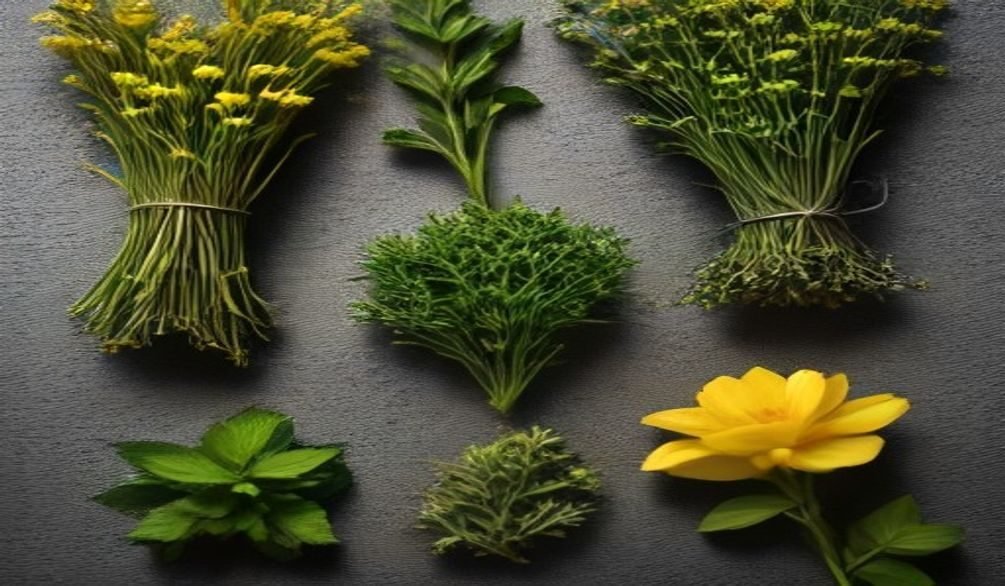
Quick Answer: Seven essential herbs for a thriving butterfly garden include Fennel, Dill, Parsley, Lavender, Catmint, Chives, and Yarrow. These provide vital nectar for adult butterflies and serve as crucial host plants for their caterpillars, supporting the entire butterfly life cycle.
Why are essential herbs crucial for a thriving butterfly garden?
Essential herbs are crucial for a thriving butterfly garden because they provide a dual benefit: offering nutrient-rich nectar for adult butterflies and serving as indispensable host plants for their caterpillars. This comprehensive support for the butterfly life cycle is why I always recommend them. Butterflies and bees thrive in organic environments free from toxins, making them excellent indicators of a healthy garden ecosystem, according to Ken Lain, The Mountain Gardener at Watters Garden Center (2025).
What most people miss is that a butterfly garden isn’t just about pretty flowers; it’s about creating a complete habitat. These essential herbs for butterfly garden designs ensure that butterflies have what they need at every stage, from egg to adult. Real talk: if you only plant nectar sources, you’ll attract adult butterflies for a visit, but they won’t lay eggs, and you won’t foster a sustainable population.
Here’s why these herbs are so important:
- Nectar Sources: Many herbs produce flowers rich in nectar, which is the primary food source for adult butterflies, providing the energy they need to fly and reproduce.
- Host Plants: Crucially, some herbs are host plants, meaning specific butterfly species lay their eggs on them. The caterpillars then feed exclusively on these plants. Without host plants, the butterfly life cycle cannot continue in your garden.
- Organic Environment: Herbs often thrive with minimal intervention, aligning perfectly with the sustainable gardening practices that butterflies prefer. Over 80% of households engage in some type of gardening, and a significant portion is moving towards organic methods, according to Axiom (2025).
- Continuous Blooms: Many essential herbs for butterfly garden designs offer extended blooming periods, ensuring a consistent food supply throughout the growing season.
The short answer: a garden without these fundamental herbs is missing a key component for true butterfly biodiversity.
What herbs attract butterflies and hummingbirds?
Many essential herbs for butterfly garden designs are also magnets for hummingbirds, thanks to their tubular flowers and abundant nectar. Lemon Beebalm (Monarda citriodora) was named the 2025 Pollinator Plant of the Year by the Texas Butterfly Ranch specifically for its irresistible tubular flowers that attract bees, butterflies, and hummingbirds. This overlap makes your garden even more vibrant.
When selecting essential herbs for butterfly garden use, consider those known for their strong appeal:
- Lavender (Lavandula angustifolia): Varieties like “Grosso” and “Goodwin Creek Grey” are exceptionally attractive to butterflies and other beneficial insects, offering fragrant, continuous blooms. My personal experience shows these are always buzzing with activity.
- Catmint (Nepeta cataria): This vigorous perennial herb is a strong attractant for butterflies, providing a cloud of purple blooms that they adore. It’s also incredibly low-maintenance, which is a huge bonus.
- Chives (Allium schoenoprasum): With their cheerful, fluffy purple blossoms, chives are a valuable addition to any pollinator garden. They attract both bees and butterflies, and you get to enjoy them in your cooking too!
- Yarrow (Achillea millefolium): A robust herb with enduring flowers, yarrow sustains butterflies throughout the growing season. It’s a tough plant, so it’s a great choice for various climates.
- Lemon Beebalm (Monarda citriodora): Beyond its 2025 award, its unique flowers are a visual treat and a nectar feast for multiple pollinators.
These herbs not only add beauty and fragrance to your garden but also serve as vital refueling stations for these flying jewels.
What herbs are host plants for butterflies?
Certain essential herbs for butterfly garden projects are indispensable because they act as host plants, meaning specific butterfly species lay their eggs on them, providing the sole food source for their caterpillars. Without these, the next generation of butterflies simply won’t emerge in your garden. This is where the magic of a sustainable butterfly habitat truly begins.
Here are some of the most effective host plant herbs:
- Fennel (Foeniculum vulgare): This is an excellent host plant for several butterfly species, most notably the black swallowtail. Gardeners are often advised to plant extra fennel to share with caterpillars, as they can be quite voracious eaters. In my garden, I always dedicate a patch just for them.
- Dill (Anethum graveolens): Another easy-to-grow herb, dill also serves as a host plant for black swallowtail butterfly eggs. It’s a quick grower, so you can plant successive crops to ensure a continuous supply for your butterfly visitors.
- Parsley (Petroselinum crispum): Like fennel and dill, parsley is a common kitchen herb that doubles as a crucial host plant for black swallowtail caterpillars. It’s readily available and generally robust, making it a great choice for beginners creating an essential herbs for butterfly garden.
The key insight here is that a truly successful butterfly garden supports the entire life cycle. When you see caterpillars munching on your herbs, celebrate! That’s a sign your essential herbs for butterfly garden efforts are working.
How do you choose the best essential herbs for your butterfly garden?
Choosing the best essential herbs for your butterfly garden involves considering your local climate, soil conditions, and the specific butterfly species you wish to attract. It’s not just about what looks pretty, but what truly thrives and provides for your local ecosystem. In practice, selecting native or well-adapted plants often yields the best results.
Here are the factors I always advise clients to consider:
- Local Climate and Hardiness Zone: Research which herbs are perennial in your zone or can be grown as annuals. UF/IFAS Gardening Solutions offers excellent regional guides for plant selection.
- Sunlight Requirements: Most essential herbs for butterfly garden use prefer full sun (at least 6 hours daily). Make sure your chosen spot provides adequate light.
- Soil Drainage: Herbs generally need well-draining soil. If your soil is heavy clay, consider amending it with compost or planting in raised beds.
- Water Needs: Group plants with similar water requirements to simplify irrigation. Many herbs are drought-tolerant once established.
- Nectar vs. Host Plant: Aim for a balance of both nectar-rich flowers for adult butterflies and specific host plants for caterpillars. This is a common mistake I see: focusing only on nectar.
- Organic Growing Practices: To protect butterflies, commit to organic gardening. “Clients are moving away from overly rigid, manicured designs and instead want spaces that feel relaxed, layered, and connected to nature,” says Tyler Bigham, principal lead designer for Alterra Landscape Design, reflecting a trend that benefits pollinators (2026).
Worth knowing: The Growers Exchange is a good resource for finding a wide variety of herb starts suited for pollinator gardens, often with specific growing information.
| Herb | Primary Benefit | Sunlight | Water Needs |
|---|---|---|---|
| Fennel | Host Plant (Black Swallowtail) | Full Sun | Moderate |
| Dill | Host Plant (Black Swallowtail) | Full Sun | Moderate |
| Parsley | Host Plant (Black Swallowtail) | Full Sun/Partial Shade | Moderate |
| Lavender | Nectar Source | Full Sun | Low |
| Catmint | Nectar Source | Full Sun/Partial Shade | Low |
| Chives | Nectar Source | Full Sun | Moderate |
| Yarrow | Nectar Source | Full Sun | Low |
Do butterflies like lavender plants and other fragrant herbs?
Yes, butterflies absolutely love lavender plants and many other fragrant herbs, as their strong scents often indicate a rich source of nectar. Lavender, especially, is a well-known butterfly magnet, attracting a wide array of species with its abundant, nectar-filled blooms and pleasing aroma. This is not just anecdotal; my garden is always bustling around the lavender bushes.
Here’s a breakdown of why fragrant essential herbs for butterfly garden use are so effective:
- Scent as an Attractant: Butterflies use their antennae to detect floral scents, which guide them to nectar sources. Highly fragrant herbs act like beacons.
- Nectar Quantity: Many fragrant herbs, such as lavender, are prolific bloomers, providing a continuous supply of nectar over a long season. This steady food source is key for sustaining butterfly populations.
- Easy Access: The structure of many herb flowers allows butterflies easy access to the nectar. For instance, the small, densely packed florets of lavender are perfect for a butterfly’s proboscis.
Beyond lavender, other fragrant essential herbs for butterfly garden appeal include:
- Mint Varieties: While some mints can be aggressive spreaders, their flowers are very attractive to pollinators. Plant them in containers to keep them in check.
- Thyme: Especially creeping thymes, which produce masses of tiny flowers that butterflies adore.
- Oregano: Once it flowers, oregano becomes a favorite spot for bees and small butterflies.
A quick note before we move on: when you’re growing these essential herbs for butterfly garden purposes, remember that strong fragrances often come from essential oils within the plant. These can sometimes deter pests, making them even more valuable in an organic setup.
Beyond essential herbs: creating an ideal butterfly habitat
Creating an ideal butterfly habitat extends beyond simply planting essential herbs for butterfly garden projects; it involves a holistic approach to garden design that provides for all their needs. This means considering shelter, water, and a pesticide-free environment to ensure a truly thriving ecosystem. Sustainable gardening is a standout movement in 2026, with gardeners focusing on supporting biodiversity and creating ecological value, according to Axiom (2025).
To build a truly inviting space for butterflies, consider these elements:
- Water Source: Butterflies need shallow puddles or damp sand to drink from, known as “puddling” sites, where they can extract minerals. A shallow dish with wet sand or pebbles is perfect.
- Shelter and Sunning Spots: Butterflies need places to warm themselves in the sun and shelter from wind and rain. Flat stones, open patches of bare soil, or dense shrubs can serve these purposes.
- Diversity of Plants: While essential herbs for butterfly garden designs are fundamental, incorporating a variety of native flowering plants will attract an even wider range of butterfly species and other pollinators. Native plants aren’t just a fading trend; they’re becoming the baseline for healthy gardens, according to sustainable landscape designers (2026).
- Avoid Pesticides: This is non-negotiable. Even organic pesticides can harm caterpillars and adult butterflies. Embrace a slightly wilder look and understand that some munching is a sign of success. Check out our guide on organic vegetable gardening for more tips on chemical-free pest control.
- Succession Planting: Plan your garden so there are always flowers blooming from spring through fall, ensuring a continuous food supply for butterflies.
In my 10 years of experience, a garden that embraces natural processes and a little bit of wildness is always the most rewarding for both the gardener and the wildlife it supports.
Troubleshooting common issues with essential herbs for butterflies
Even with the best intentions, you might encounter some common issues when growing essential herbs for butterfly garden use, but most problems have straightforward solutions. From pests to poor growth, understanding the root cause can help you maintain a healthy, butterfly-friendly environment. One common mistake I see is overwatering, which can be detrimental to many herbs.
Here are some typical challenges and how to address them:
- Lack of Butterfly Activity:
- Issue: You’ve planted essential herbs for butterfly garden appeal, but still no butterflies.
- Solution: Ensure you have both nectar sources and host plants. Check for pesticide use in your area (even drift from neighbors can be an issue). Consider adding a puddling station or flat rocks for sunning. Sometimes, it just takes time for them to discover your new habitat.
- Pest Damage to Herbs:
- Issue: Your herbs are being eaten, but you want to avoid pesticides.
- Solution: If caterpillars are eating your host plants (like fennel or dill), that’s a good thing! Plant extra to share. For other pests, try hand-picking, introducing beneficial insects, or using organic deterrents like neem oil (sparingly and carefully, avoiding direct contact with butterflies). Remember, a record 64% of respondents plan to plant more and expand their gardens in 2026, according to Axiom (2025), showing a growing commitment to sustainable practices.
- Herbs Not Thriving:
- Issue: Your essential herbs for butterfly garden aren’t growing well.
- Solution: Check sunlight, soil drainage, and water. Most herbs prefer full sun and well-drained soil. Overwatering is a frequent culprit. If you’re unsure about your soil, a simple soil test can provide valuable insights.
- Weed Competition:
- Issue: Weeds are crowding out your herbs.
- Solution: Mulch around your herbs to suppress weeds and retain soil moisture. Hand-pulling is the best organic method. This surprised me the first time I tried it, but a good layer of straw or wood chips makes a huge difference.
Real talk: Gardening is a continuous learning process. Don’t get discouraged if something doesn’t work perfectly the first time.
Frequently asked questions
What herbs attract butterflies and hummingbirds?
Herbs like Lavender, Catmint, Chives, Yarrow, and Lemon Beebalm are excellent for attracting both butterflies and hummingbirds due to their nectar-rich, often tubular flowers. Lemon Beebalm was named the 2025 Pollinator Plant of the Year by the Texas Butterfly Ranch for its strong appeal. Plant a variety to ensure continuous blooms and diverse food sources.
What herbs are host plants for butterflies?
Fennel, Dill, and Parsley are key host plants for butterflies, specifically the black swallowtail. These herbs provide the necessary foliage for caterpillars to feed on after hatching. Always plant enough of these essential herbs for butterfly garden use so you can share with the caterpillars.
What do butterflies like to land on?
Butterflies like to land on flat surfaces to bask in the sun, such as warm rocks or bare patches of soil, and on a variety of vibrant, nectar-rich flowers. They are also attracted to puddling sites, which are shallow areas of damp soil or sand where they can extract essential minerals.
Do butterflies like lavender plants?
Yes, butterflies absolutely love lavender plants, particularly varieties like “Grosso” and “Goodwin Creek Grey,” which offer abundant, fragrant, and long-lasting blooms. Lavender provides a consistent and rich source of nectar, making it a highly effective choice among essential herbs for butterfly garden designs.
How do you attract butterflies to your garden naturally?
You can attract butterflies naturally by planting a diverse range of essential herbs for butterfly garden use that provide both nectar for adults and host plants for caterpillars, avoiding all pesticides, and offering water sources and sunning spots. Creating a habitat that supports their entire life cycle is key, aligning with the 2026 trend of sustainable gardening, according to Axiom (2025).
Creating a vibrant haven for butterflies is a deeply rewarding experience, and incorporating essential herbs for butterfly garden designs is the most impactful step you can take. By choosing herbs that serve as both nectar sources and host plants, you’re not just planting flowers—you’re cultivating life and fostering a thriving ecosystem right in your backyard. So, gather your seeds or starts from The Growers Exchange, get your hands dirty, and watch as your garden becomes a favorite destination for these delicate pollinators. Your efforts will contribute to biodiversity and bring endless joy to your outdoor space.