Key Takeaways
- Low-light tolerant species accounted for 46.05% of the indoor plants market share in 2025.
- The global indoor plant market is projected to reach USD 35 billion by 2035, growing at a CAGR of 6% from 2026 to 2035.
- Traditional garden centers and nurseries held 50.10% of the indoor plant market share in 2025.
- Pothos is on NASA’s list of top 10 air-cleaning houseplants.
- Peace Lilies are known for their ability to provide elegant white blooms even with limited light.
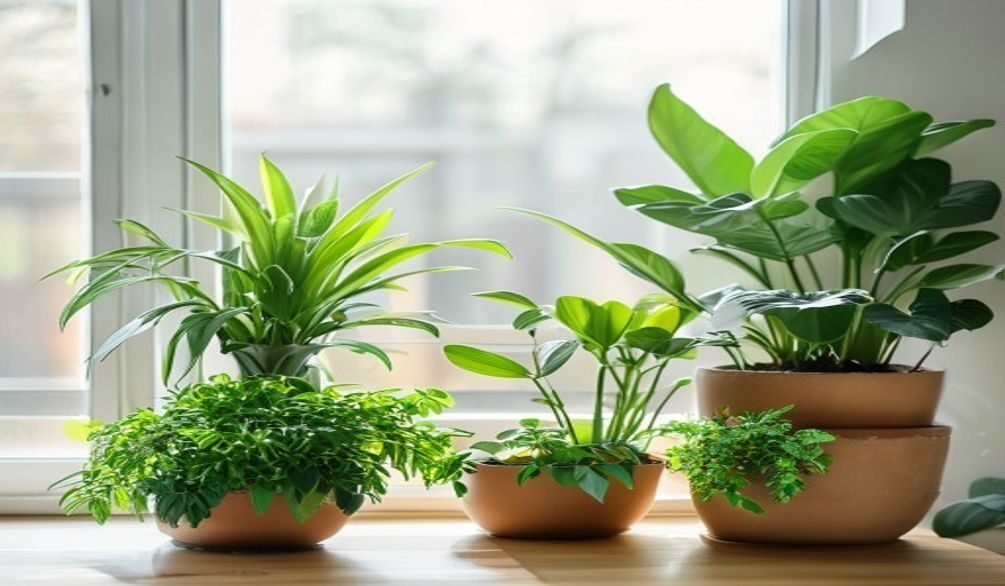
Are you struggling to find the best indoor plants for north-facing windows that will actually thrive, not just survive, in those dimmer conditions? Many gardeners assume north-facing rooms are plant deserts, but with the right choices, you can create a lush, vibrant indoor oasis. This guide will walk you through seven essential plant picks and expert care tips, ensuring your low-light spaces flourish.
Quick Answer: The best indoor plants for north-facing windows are those that thrive in low, indirect light, such as Snake Plants, ZZ Plants, Pothos, Cast Iron Plants, and Peace Lilies. These species tolerate dim conditions and often purify the air.
What makes a north-facing window a low-light environment?
A north-facing window creates a low-light environment because it receives no direct sunlight throughout the day. Instead, it offers consistent, indirect ambient light, which is ideal for many shade-loving indoor plants. This consistent, gentle illumination is quite different from the intense, direct sun found in south or west-facing windows.
What most people miss is that while north-facing light is dim, it’s also remarkably stable. You won’t get harsh sun scorch, but you also won’t get the energy boost that sun-loving plants crave. In my 10 years of experience, understanding this distinction is the first step to successfully choosing the best indoor plants for north-facing windows. Many plants actually prefer this gentle environment.
Do plants grow well in north-facing windows?
Yes, many plants grow exceptionally well in north-facing windows, especially species adapted to lower light levels. Low-light tolerant species comprised 46.05% of the indoor plants market share in 2025, according to market data, highlighting their popularity and availability. This demonstrates that a significant portion of the plant market caters specifically to these conditions.
David Domoney, a chartered horticulturalist, notes that “North-facing windows might seem like daunting conditions at first glance, because they don’t get as much sun. But they are a great opportunity to grow beautiful, vibrant plants that will flourish in lower light.” This is where many gardeners get it wrong—they assume low light means no plants, when it simply means choosing the right ones. The key is selecting the best indoor plants for north-facing windows that are naturally suited to indirect light.
7 essential indoor plants that thrive in north-facing windows
Finding the perfect greenery for your dimmer spaces is easier than you think, and these seven plants are consistently among the best indoor plants for north-facing windows. They are known for their resilience and ability to flourish without direct sun.
Here’s a breakdown of some top contenders:
- Snake Plant (Sansevieria trifasciata): Often called “near-indestructible,” this plant is a champion of low-light conditions and an efficient air filter. Its striking, upright leaves add architectural interest to any room.
- ZZ Plant (Zamioculcas zamiifolia): These plants feature waxy, deep green leaves that reflect available light, making them appear even brighter in dim spots. They require very little water, making them ideal for forgetful gardeners. Laura from House Plant House advises positioning them “close to the window (+ not at the other side in a dark corner just because it looks nice!)” even for these adaptable plants.
- Pothos (Epipremnum aureum): A versatile trailing vine, Pothos is perfect for hanging planters or shelves near north-facing windows. It’s also on NASA’s list of top 10 air-cleaning houseplants, according to their Clean Air Study.
- Cast Iron Plant (Aspidistra elatior): True to its name, this plant is known for being nearly indestructible and is specifically adapted for low-light durability. It’s one of the best indoor plants for north-facing windows if you need something truly robust.
- Peace Lily (Spathiphyllum): This elegant plant provides beautiful white blooms even with limited window exposure and is renowned for its air-cleaning abilities. “Peace Lilies thrive in consistent moisture and indirect light, making them a staple for northern exposures,” notes an expert.
- Monstera Deliciosa: While often pictured in bright rooms, Monstera deliciosa is surprisingly adaptable to lower light, making it a good option for a large, stately plant in north-facing spaces. Its iconic split leaves develop even in indirect light.
- Moth Orchid (Phalaenopsis): Many believe orchids need bright light, but Moth Orchids can survive in low light and thrive in medium or bright indirect light, often blooming year-round. This makes them a surprisingly good choice among the best indoor plants for north-facing windows for adding color.
What is the best flowering plant for a north-facing window?
The Peace Lily (Spathiphyllum) is widely considered the best flowering plant for a north-facing window, consistently producing elegant white blooms even with limited direct sunlight. Its ability to flower in these conditions sets it apart from many other ornamental plants. Peace Lilies are also celebrated for their air-purifying qualities, adding both beauty and function to your home.
Another excellent option is the Moth Orchid (Phalaenopsis). While it prefers medium indirect light, it can certainly tolerate the lower light of a north-facing window and still produce stunning, long-lasting blooms. Many people find their first orchid daunting, but I’ve found that with consistent watering and avoiding direct sun, these can be surprisingly low-maintenance. These are truly some of the best indoor plants for north-facing windows that offer vibrant color.
How to care for your low-light plants: watering and common issues
Caring for your low-light plants, especially the best indoor plants for north-facing windows, requires a slightly different approach to watering and a keen eye for common issues. The most frequent mistake I see is overwatering, which is exacerbated by lower light levels where plants use less water.
Here are some key care tips:
| Care Aspect | Low-Light Plant Specifics | Common Mistake to Avoid |
|---|---|---|
| Watering | Allow soil to dry out more between waterings. Check the top 1-2 inches of soil. | Watering on a schedule; plants in low light use water more slowly. |
| Light | Rotate plants regularly to ensure even growth towards the window. | Assuming “low light” means “no light” and placing plants in dark corners. |
| Fertilization | Fertilize less frequently; perhaps once every 2-3 months during growing season. | Over-fertilizing, which can burn roots when growth is slower. |
| Pests | Watch for common pests like spider mites and mealybugs, which can thrive in stable, indoor conditions. | Ignoring early signs of pests, as they can spread quickly. |
Because plants in north-facing windows receive less energy from the sun, their metabolic rate slows down. This means they need less water and nutrients than plants in brighter spots. Sounds simple. It’s not always. Many people skip this step and regret it, leading to root rot. Always feel the soil before watering.
Are there pet-friendly options for north-facing windows?
Yes, there are several excellent pet-friendly options among the best indoor plants for north-facing windows, allowing you to enjoy greenery without worrying about your furry friends. This is a critical consideration for many plant owners, as several popular low-light plants can be toxic if ingested.
Here are some safe choices for your home:
* Prayer Plant (Maranta leuconeura): Known for its beautiful patterned leaves that “pray” at night, this plant thrives in indirect light and is non-toxic to pets.
* Polka Dot Plant (Hypoestes phyllostachya): With its distinctive spotted leaves, this plant adds a pop of color and is considered safe for cats and dogs. It enjoys consistent moisture and indirect light.
* African Violet (Saintpaulia): These charming flowering plants are pet-safe and can bloom beautifully in the gentle light of a north-facing window, provided they get enough consistent light.
* Boston Fern (Nephrolepis exaltata ‘Bostoniensis’): A classic choice for humid, indirect light environments, the Boston Fern is non-toxic and helps purify the air.
Choosing pet-safe varieties means you can still enjoy the benefits of indoor plants—like improved air quality and a calming aesthetic—without any concerns.
Maximizing light in north-facing rooms: tips and tools
Maximizing the available light in north-facing rooms is key to helping even the best indoor plants for north-facing windows truly flourish. While you can’t change the direction of your window, you can certainly enhance the light your plants receive. This is where it gets interesting, as small adjustments can make a big difference.
Consider these tips and tools:
* Clean Windows: It sounds obvious, but dust and grime on your windows can significantly reduce the amount of light entering your room. A quick clean can brighten things up surprisingly well.
* Reflective Surfaces: Strategically place mirrors or use light-colored paint on walls opposite the window. These surfaces will bounce available light back into the room, effectively increasing overall brightness.
* Grow Lights: For plants that need a bit more oomph, a supplemental grow light can be a game-changer. Brands like Soltech offer specialized lighting designed to mimic natural sunlight, perfect for rooms with insufficient natural light. You don’t need a huge, industrial setup; even a small LED grow light can provide the extra photons your plants crave.
* Sheer Curtains: While north-facing windows don’t get direct sun, sheer curtains can still help diffuse and spread the light more evenly throughout the day, preventing any potential hot spots or uneven growth.
In practice, combining a few of these strategies often yields the best results. I’ve found that even a simple light-colored rug can make a noticeable difference in reflecting light for the best indoor plants for north-facing windows.
Frequently asked questions
What plants thrive in north-facing windows?
Plants that thrive in north-facing windows are typically low-light tolerant species such as Snake Plants, ZZ Plants, Pothos, and Peace Lilies, which prefer indirect, consistent light. Low-light tolerant species held 46.05% of the indoor plants market share in 2025, according to market data, highlighting their suitability for these conditions. These plants often require less frequent watering than those in brighter spots.
Is a north-facing window low light?
Yes, a north-facing window is considered a low-light environment because it receives no direct sunlight throughout the day, only consistent, indirect ambient light. This type of light is gentle and stable, making it ideal for plants that are sensitive to direct sun. Chartered horticulturalist David Domoney states that north-facing windows “don’t get as much sun” but are “a great opportunity to grow beautiful, vibrant plants.”
What is the best flowering plant for a north-facing window?
The Peace Lily (Spathiphyllum) is considered the best flowering plant for a north-facing window, as it produces elegant white blooms even with limited direct sunlight. These plants are also known for their air-purifying qualities and thrive in consistent moisture. Moth Orchids (Phalaenopsis) are another good option, tolerating lower light and blooming year-round.
How do i know if my plant is getting enough light in a north-facing window?
You can tell if your plant is getting enough light in a north-facing window by observing its growth: leggy stems, smaller leaves, or a lack of flowering indicate insufficient light. Google search interest in houseplants recorded a single-month spike in January 2026, showing many people are seeking advice on plant care. Consider using a light meter app or observing if the plant is leaning significantly towards the window.
Are there any large plants that do well in north-facing windows?
Yes, large plants such as the Cast Iron Plant (Aspidistra elatior) and certain varieties of Monstera deliciosa do well in north-facing windows. The Cast Iron Plant is particularly robust and known for its ability to thrive in very low light. While Monstera prefers brighter indirect light, it is adaptable enough for a north-facing exposure, making it one of the best indoor plants for north-facing windows if you desire a statement piece.
Choosing the best indoor plants for north-facing windows doesn’t have to be a challenge. With the right selection of low-light tolerant species like Snake Plants, ZZ Plants, and Peace Lilies, you can transform even the dimmest corners of your home into thriving green spaces. Remember, the global indoor plant market is projected to reach USD 35 billion by 2035, according to market analysis (2025), showing a clear trend towards integrating more greenery into our lives. By understanding the unique light conditions of north-facing windows and applying these expert care tips, you’ll be well on your way to a flourishing indoor garden. Don’t be afraid to experiment and find what works best for your specific environment—your home, and your plants, will thank you for it!