Key Takeaways
- Proper balcony garden winter care can increase gardener satisfaction, with 50.2% expecting to spend more time gardening in the upcoming year.
- Insulating containers can protect plant roots from freezing, as container plants are more vulnerable to cold than in-ground plants.
- Bringing tender plants indoors when temperatures drop below 12 degrees Celsius can prevent cold damage, according to Paul Takchi from Exotic Nurseries.
- Watering sparingly and only when soil is dry and temperatures are above freezing is crucial for winter plant survival.
- Choosing winter-hardy plants like kale or certain Heuchera varieties ensures year-round color and harvests, even in colder conditions.
As the Delhi winter chills begin to set in, many Indian balcony gardeners worry about their beloved plants, wondering how to provide adequate balcony garden winter care. You’re not alone in finding this hard; most people feel exactly this way when the temperature drops. But don’t fret – with a few proven tips, you can protect your potted green friends and ensure they thrive through the colder months.
Quick Answer: To care for a balcony garden in winter, protect plants from cold and wind by grouping pots, insulating containers, and using covers. Water sparingly when the soil is dry and temperatures are above freezing, and avoid fertilizing dormant plants.
How do you protect balcony plants in winter?
Protecting balcony plants in winter involves a multi-pronged approach, focusing on shielding them from cold, wind, and frost. Paul Takchi from Exotic Nurseries advises that plants can weather the cold if they are undercover and protected from strong winds, according to his expert insights. The truth is, a little planning goes a long way here.
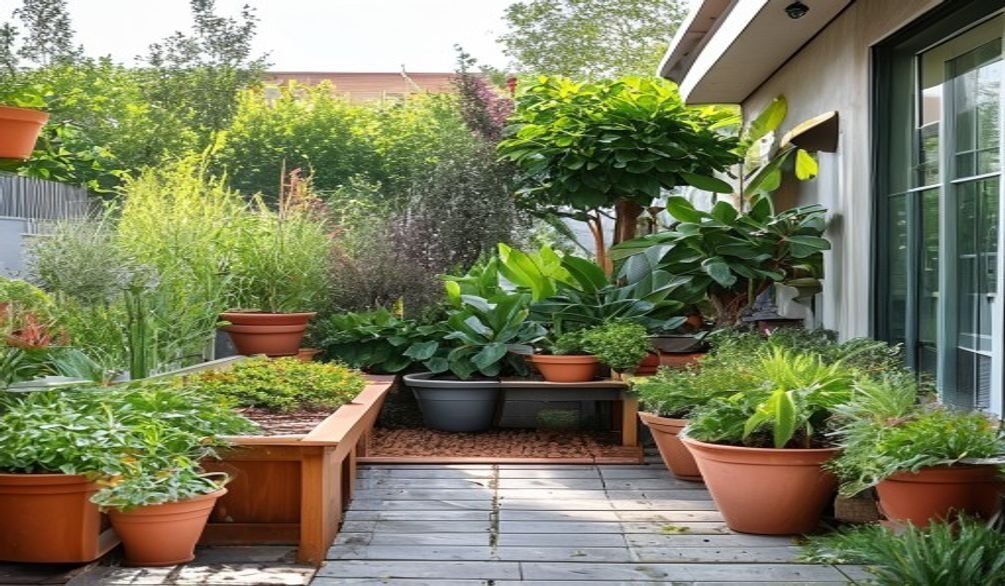
One of the easiest ways to protect your plants is by grouping them together. This creates a microclimate, where the plants huddle for warmth, much like we do on a chilly evening. I’ve found that moving pots closer to the building wall also offers significant protection from biting winds, especially in cities like Pune where balconies can be quite exposed. You’re essentially using your home as a windbreak, which is smart, right?
- Move pots closer to the wall: This shields them from strong, cold winds that can desiccate foliage.
- Group plants tightly: This creates a shared warmth, elevating the ambient temperature around the plants.
- Use covers: For unexpected frost, a simple old cotton bedsheet or a specific frost blanket can make all the difference for delicate plants like citrus.
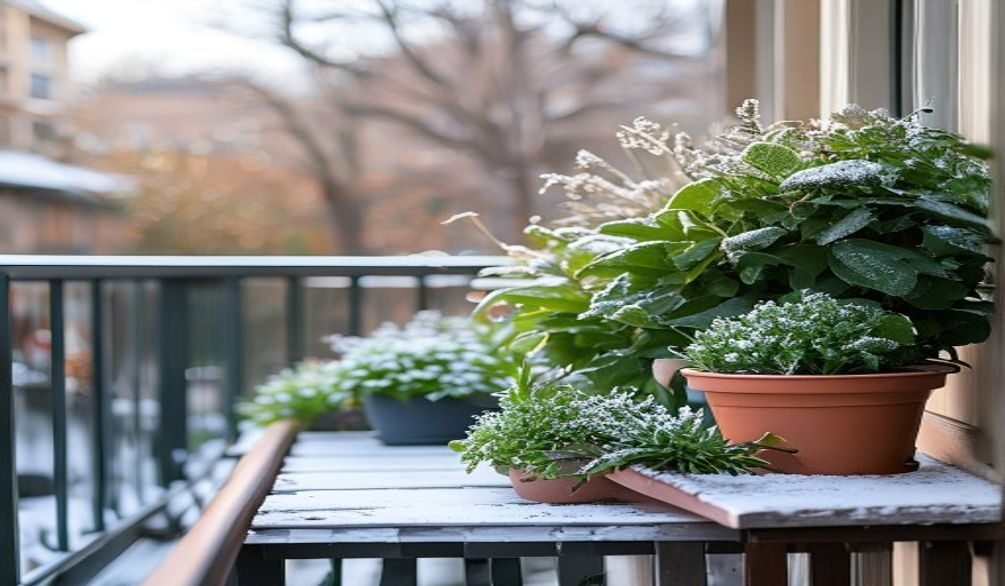
- Consider temporary shelters: A makeshift mini-greenhouse using transparent plastic sheeting can offer an extra layer of protection for your balcony garden winter care efforts.
What temperature is too cold for balcony plants?
The temperature that’s “too cold” for balcony plants varies significantly by species, but generally, anything consistently below 7-10°C can be problematic for tender varieties. Paul Takchi from Exotic Nurseries suggests bringing tender plants inside when night temperatures drop below approximately 12 degrees Celsius, especially if your patio lacks adequate protection. This is crucial for successful balcony garden winter care.
Most tropical or subtropical plants, like your beloved pudina or even some varieties of lal mirch, won’t tolerate freezing temperatures. Their cell structures can burst when water freezes inside them, leading to irreversible damage. Even plants that are considered “winter-hardy” might struggle if exposed to prolonged periods of extreme cold or sudden temperature drops without proper protection. You’ll notice yellowing leaves or a general droopiness — that’s your plant telling you it’s unhappy.
Here’s a quick guide to common plant tolerances:
| Plant Type | Tolerance Zone (Approx.) | Notes for Balcony Garden Winter Care |
|---|---|---|
| Tropical/Subtropical (e.g., Hibiscus, Citrus) | Above 12°C | Highly sensitive to frost; bring indoors or provide heavy protection. |
| Tender Perennials (e.g., Geraniums, Basil) | Above 7°C | Will die back or struggle below this; may need indoor overwintering. |
| Cool-Season Annuals (e.g., Pansies, Kale) | Down to 0°C or slightly below | Can tolerate light frost; may droop but recover. Thompson & Morgan breeds winter pansies specifically for this resilience. |
| Hardy Perennials/Shrubs (e.g., Heuchera, Coralberry) | Below 0°C (depending on variety) | Can withstand freezing temperatures, especially with root insulation. Heuchera ‘Marmalade’ provides year-round color. |
I once tried growing capsicum from seeds in December in Delhi, thinking a sunny spot was enough. Germination was 90%, but the plants stalled at 4 inches for 6 weeks because the soil temperature was too low for any significant root activity. It was a classic “learn the hard way” moment. Adding a seedling heat mat changed everything; they hit 12 inches in the next 3 weeks! This shows just how critical soil temperature is, not just air temperature, for effective balcony garden winter care.
How do you prepare a small balcony garden for winter?
Preparing a small balcony garden for winter involves a few key steps: cleaning up, pruning, assessing your plants, and getting your containers ready for the cold. You’re essentially tucking your garden in for a long nap, making sure it’s cozy and protected.
Start by cleaning up your space. Remove any dead or diseased plant material from pots and the balcony floor. This isn’t just for aesthetics; it helps prevent pests and diseases from overwintering and causing problems in the spring. You don’t want any unwanted guests waking up hungry when your garden starts to bloom again, do you?
- Prune judiciously: Trim back any leggy growth or spent flowers, but avoid heavy pruning in late autumn, as new growth can be vulnerable to frost. Focus on removing dead or weak branches.
- Repot if necessary: If plants are severely root-bound, a quick repot into a slightly larger container with fresh potting mix can give them a boost. Use a good quality mix, maybe with some coco peat from Cocogreen for better aeration.
- Top-dress with compost: Add a layer of well-rotted compost, like Richgro’s Black Marvel Garden Compost, or pine bark mulch to the top of your pots. This acts as an insulating layer for the roots and slowly releases nutrients.
- Check drainage: Ensure all your pots have clear drainage holes. Waterlogging in winter is a death sentence for most plants, especially when temperatures fluctuate. 72% of container plants fail due to poor drainage, according to Penn State Extension (2023).
Honestly, this preparation is the backbone of good balcony garden winter care. It makes everything else easier.
Choosing the right winter-hardy plants for your balcony
Selecting plants that naturally tolerate colder temperatures is a smart strategy for effortless balcony garden winter care. The 2023 USDA Plant Hardiness Zone Map, created by Oregon State University, is a great resource for understanding which plants can survive in your local climate, even if you’re adapting it for India’s diverse zones. You might have heard that only specific “winter plants” work, but in practice, many common plants have surprising resilience.
For Indian balconies, especially in regions with milder winters like Bangalore or coastal areas, you have more options. Even in colder northern cities, choosing the right varieties can mean fresh produce through winter. Kale, for instance, is a perfect crop to grow for food during winter because it can withstand cold temperatures, allowing for multiple harvests of its green leaves over months. I’ve had great success with “Red Russian” kale on my Delhi balcony.
Consider these options for your winter balcony:
- Winter Pansies & Violas: These cheerful flowers, like those bred by Thompson & Morgan, are specifically noted for surviving frosty temperatures and bouncing back when it warms up.
- Heuchera (Coral Bells): Varieties like Heuchera ‘Marmalade’ offer stunning foliage that provides year-round color, even in dark winter conditions, making them perfect for containers.
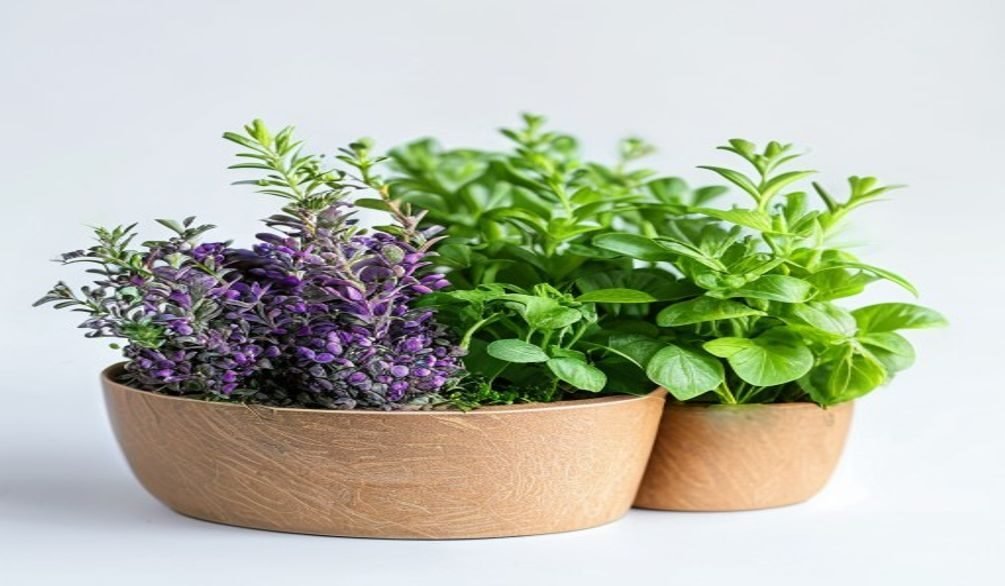
- Herbs: Many herbs like rosemary, thyme, and even some hardy dhania varieties can tolerate cooler weather. For more on growing herbs in cold climates, check out Growing Herbs Cold Climates.
- Leafy Greens: Besides kale, consider spinach, mustard greens (sarson), and lettuce. They thrive in cooler temperatures and provide fresh harvests.
- Coralberry (Symphoricarpos orbiculatus): The Toronto Master Gardeners discuss overwintering this shrub in a semi-enclosed balcony, highlighting its winter interest with colorful berries.
The key insight here is to match the plant’s natural hardiness with your local winter conditions. This proactive approach significantly reduces the amount of intense balcony garden winter care you’ll need to provide later.
Insulating your containers for winter protection
Insulating your containers is a critical step in effective balcony garden winter care, as potted plants are far more vulnerable to cold than those in the ground. The soil in containers freezes much faster and more thoroughly because it’s exposed on all sides to the cold air, unlike garden beds where the earth provides a natural buffer.
You might have heard that wrapping pots in bubble wrap is enough. In practice, while bubble wrap helps, a multi-layered approach works better — especially for terracotta pots. My opinion is that terracotta pots outperform plastic for most Indian balcony plants. Yes, they dry faster and cost more (around ₹80-₹150 for a 10-inch pot), but the breathability prevents root rot, which is the number one killer of container plants in India’s humid monsoon months. That said, their porous nature also makes them more susceptible to freezing and cracking in winter, so insulation is vital.
Here are some ways to insulate your containers:
- Bubble wrap: Wrap multiple layers around the sides of the pot. Secure it with twine or tape.
- Burlap sacks: Old gunny sacks or burlap can be wrapped around pots, providing a rustic and effective insulating layer. Stuff straw or dry leaves between the burlap and the pot for extra warmth.
- Cardboard: Use thick cardboard sheets cut to size and taped around the containers. This is a cheap and readily available option.
- Styrofoam sheets: For serious cold, line the inside of larger planters with Styrofoam before adding soil, or place smaller pots inside a larger, insulated container.
- Elevate pots: Don’t let pots sit directly on cold concrete or metal. Use pot feet or wooden blocks to lift them slightly, reducing direct contact with freezing surfaces.
Remember, the goal is to keep the root ball from freezing solid. Proper balcony plant insulation is about protecting that vital underground network, not just the visible foliage.
Watering and fertilizing balcony plants in winter
Watering and fertilizing practices change dramatically for effective balcony garden winter care; less is definitely more during the colder months. Paul Takchi from Exotic Nurseries emphasizes keeping watering to a minimum, allowing plants to dry out completely between moderate waterings. This goes against our natural instinct to nurture, but it’s crucial.
During winter, most plants enter a period of dormancy or significantly slow their growth. Their metabolic rate drops, meaning they need far less water and absolutely no fertilizer. Overwatering is a common mistake and can lead to root rot, especially when evaporation is low and soil stays soggy. You’ll want to check the soil moisture by sticking your finger about an inch or two deep. If it feels dry, then water. If it’s still damp, wait.
Here’s how to manage your winter watering and feeding:
- Water sparingly: Only water when the top 1-2 inches of soil are dry to the touch.
- Water on warmer days: Choose a day when temperatures are above freezing, ideally in the morning, so the water has a chance to soak in and drain before evening frosts.
- Avoid cold water: Use room-temperature water if possible, as icy cold water can shock plant roots.
- No fertilizer: Stop fertilizing completely. Dormant plants can’t utilize the nutrients, and it can actually burn their roots. Resume feeding only when new growth appears in spring.
- Ensure drainage: Always make sure pots drain well to prevent waterlogging, which is deadly in cold conditions.
For instance, if you’re growing winter-ripening citrus in pots, cover them on sub-freezing nights with a frost blanket or old cotton bedsheet to protect the fruit, but still adhere to minimal watering. This balanced approach is key to successful balcony garden winter care.
Bringing delicate balcony plants indoors
Bringing delicate balcony plants indoors is often the safest and most effective strategy for their survival during harsh winters, especially for tropical and subtropical varieties. As Paul Takchi from Exotic Nurseries suggests, if your patio lacks protection, tender plants should be brought inside when night temperatures drop below approximately 12 degrees Celsius. This simple act can save them from irreversible cold damage.
Think about plants like your potted lemon or orange trees, hibiscus, or even some of your more sensitive herbs like basil. They simply aren’t built for the chill of a North Indian winter. Before you move them indoors, give them a good inspection. You don’t want to bring any hitchhiking pests inside, do you? A quick spray with neem oil can help prevent this. Also, be prepared for a bit of leaf drop; it’s normal for plants to adjust to the lower light and drier air indoors.
When you move them, find a spot that offers:
- Bright, indirect light: A south-facing window is often ideal, but protect them from direct, intense sunlight that can scorch leaves.
- Consistent temperatures: Avoid drafts from doors or windows, and keep them away from direct heat sources like radiators, which can dry them out too quickly.
- Increased humidity: Indoor heating can make the air very dry. Misting plants regularly, placing them on pebble trays with water, or using a small humidifier can help.
- Reduced watering: Even indoors, plants will need less water than during their active growing season. Check soil moisture regularly and water only when the top inch is dry.
This careful transition is a vital part of comprehensive balcony garden winter care. It’s an investment in their future health, ensuring they’ll be ready to flourish again come spring.
Long-term benefits of proper winter care
Investing time in proper balcony garden winter care isn’t just about getting your plants through the current cold snap; it offers significant long-term benefits for your garden’s health and your gardening satisfaction. It primes your plants for robust growth in the spring, leading to healthier foliage, more abundant blooms, and better harvests.
One major benefit is the prevention of plant loss. Losing plants to winter cold means you have to buy new ones, which can be expensive and time-consuming. By protecting your existing plants, you save money and maintain the continuity of your garden. This aligns with the trend of gardeners planning to plant more and expand their gardens, with 63.6% of gardeners expecting to do so in 2026. Moreover, a well-cared-for plant often bounces back stronger, developing a more resilient root system and overall structure.
Consider these long-term advantages:
- Healthier Spring Growth: Plants that don’t struggle through winter emerge stronger and are quicker to put on new growth.
- Increased Yields: For edible plants, proper overwintering can mean earlier and more prolific harvests in the following season.
- Reduced Pest and Disease Issues: Cleaning up and pruning in winter helps break pest cycles and removes disease vectors, leading to a healthier garden overall.
- Sustainability: Reusing existing plants reduces the need for new purchases, making your gardening more eco-friendly.
- Gardener Satisfaction: Successfully overwintering plants brings a huge sense of accomplishment, encouraging continued gardening. 47.6% of gardeners spent more time gardening in 2025, marking the highest level since 2022.
It’s about nurturing your garden through its resting phase so it can explode with life when the warmth returns. This thoughtful approach to balcony garden winter care truly pays dividends.
Frequently asked questions
How do i protect my outdoor plants on a balcony in winter?
Protect outdoor balcony plants in winter by grouping pots together, moving them closer to a protective wall, and insulating containers with materials like bubble wrap or burlap. Ensure good drainage to prevent waterlogging, which can be fatal in cold weather.
How do you keep potted plants alive on a balcony in winter?
To keep potted plants alive on a balcony in winter, prioritize root protection through container insulation and reduce watering significantly. Only water when the soil is dry and temperatures are above freezing, according to Paul Takchi from Exotic Nurseries. Bringing tender plants indoors is also crucial for their survival.
How do you prepare a small balcony garden for winter?
Prepare a small balcony garden for winter by cleaning up dead foliage, pruning selectively, and top-dressing pots with compost or mulch for insulation. Check drainage holes to prevent water accumulation, as 72% of container plants fail due to poor drainage, according to Penn State Extension (2023). This sets the stage for healthy overwintering.
What temperature is too cold for balcony plants?
Temperatures consistently below 7-10°C are generally too cold for most tender balcony plants, while tropical varieties may struggle below 12°C. Frost (0°C and below) is lethal for many plants, necessitating protection or indoor relocation. Always consider your specific plant’s hardiness zone for precise guidance.
What are some good winter plants for a balcony?
Good winter plants for a balcony include cool-season vegetables like kale and spinach, hardy herbs such as rosemary and thyme, and colorful flowers like winter pansies and violas. Heuchera varieties, like ‘Marmalade’, also provide year-round foliage color and are excellent for winter container gardening.
Mastering balcony garden winter care ensures your urban green space remains vibrant and healthy, even when temperatures drop. By focusing on protection from cold, smart watering, and choosing the right plants, you’re not just surviving winter; you’re setting your garden up for an incredible spring. Remember, a little effort now means a flourishing balcony later, giving you fresh produce and beautiful blooms. So go ahead, give your balcony plants the cozy winter they deserve!