Key Takeaways
- Root rot can destroy 50% to 70% of jade plants when grown in waterlogged soil, according to research.
- Healthy roots require adequate oxygen, as poor aeration is a primary cause of root rot, states Urbane Eight (2025).
- Perlite, pumice, and orchid bark are crucial for aeration in potting mixes, mimicking natural tropical plant habitats.
- The global indoor plant market was valued at approximately $21 billion in 2025.
- Terracotta pots are often recommended for promoting healthy roots due to their porosity, which aids soil breathability.
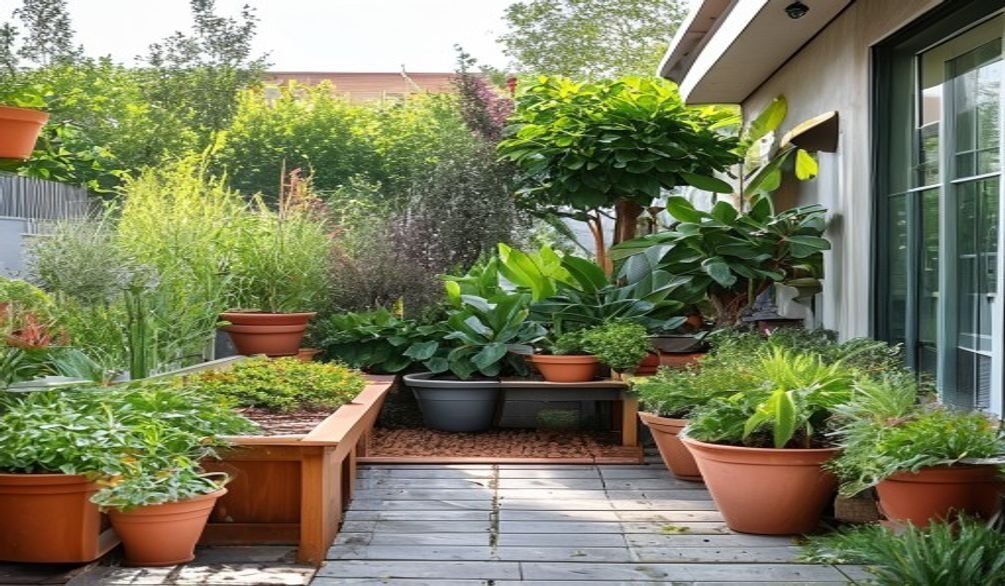
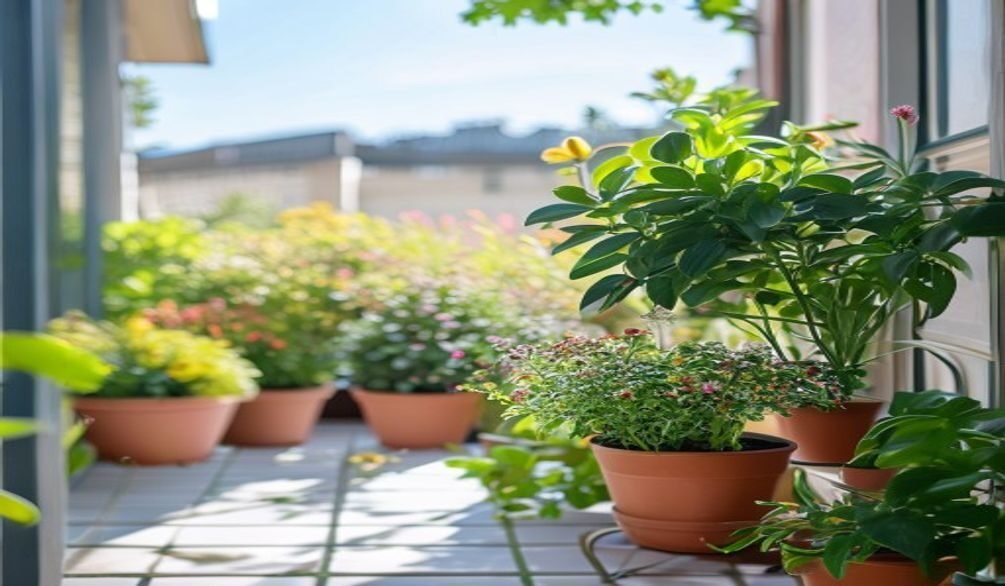
Most Pune terrace gardeners have faced the heartbreak of a once-lush tulsi plant suddenly wilting, despite regular watering. It’s often not about what you see above ground, but the hidden world beneath – the roots. Cultivating healthy indoor plant roots is the secret to thriving houseplants, preventing common issues like yellowing leaves or stunted growth that plague many Indian urban gardeners.
Quick Answer: To keep indoor plant roots healthy, ensure proper watering by checking soil dryness, use well-draining potting mixes, provide adequate pot drainage, consider organic fertilizers, and avoid over-fertilizing during dormancy.
How do you keep plant roots healthy?
To keep indoor plant roots healthy, focus on providing consistent, appropriate care that mimics their natural environment, as good soil conditions are key for roots to flourish, according to Bruce Spangenberg, Horticulture Outreach Specialist with UW-Madison Division of Extension. This means paying close attention to watering, drainage, and the overall soil environment. You’ll want to avoid extremes – too much water is just as bad as too little, and poor aeration can be a silent killer.
- Proper Watering: Water only when the top 1-2 inches of soil are dry. Overwatering is the number one cause of root rot in container plants, especially during the humid Indian monsoon months.
- Excellent Drainage: Always use pots with drainage holes. A good potting mix designed for houseplants will also ensure water doesn’t sit around the roots.
- Right Potting Mix: Opt for a well-aerated mix that allows for good airflow and drainage. This helps ensure your healthy indoor plant roots get the oxygen they need.
- Appropriate Pot Size: Don’t pot a small plant into a massive pot. Too much soil holds excess moisture, leading to issues.
- Gentle Fertilization: Feed sparingly, especially during dormant periods. Over-fertilizing can burn delicate roots.
What stimulates root growth in plants?
Several factors stimulate robust root growth in plants, primarily through creating an optimal environment that encourages their natural development. One of the keys to success with both indoor and outdoor plants is providing good soil conditions for roots to flourish, which in turn translates to healthy plants, as emphasized by Bruce Spangenberg of UW-Madison Division of Extension.
For your healthy indoor plant roots, consider these stimulants:
- Proper Aeration: Roots need oxygen to respire and grow. Potting mixes with components like perlite, pumice, or orchid bark ensure good airflow around the roots.
- Consistent Moisture (not saturation): Roots grow towards water and nutrients. Keeping the soil consistently moist but never waterlogged encourages roots to spread out in search of moisture.
- Balanced Nutrients: While over-fertilizing is bad, a balanced organic fertilizer provides the necessary building blocks. I’ve found that a light feed with Arber’s organic plant food works wonders for my balcony pudina plants.
- Warmth: Many tropical indoor plants thrive in warmer soil temperatures. I remember trying to grow capsicum from seeds in December in Delhi; germination was 90% but the plants stalled at 4 inches for six weeks. The soil temperature was just too low for any significant root activity. Once I added a seedling heat mat, they shot up to 12 inches in the next three weeks. This shows how crucial warmth is for root development.
- Rooting Hormones: For propagation, rooting hormones can significantly boost the development of new roots, especially for cuttings.
How do you know if your plant roots are healthy?
You can tell if your plant roots are healthy by observing their appearance, smell, and the overall vigor of the plant above ground. Healthy roots are typically firm, light-colored (often white or tan), and have an earthy, fresh smell.
When you gently remove a plant from its pot for inspection (perhaps during repotting), look for these signs of healthy indoor plant roots:
- Color: They should be white, off-white, or light tan. Dark brown or black roots are a sign of decay.
- Texture: Healthy roots are firm and pliable. They won’t be mushy or brittle.
- Smell: A fresh, earthy smell indicates a healthy root system and active microbial life. A foul or rotten odor points to root rot.
- Growth Pattern: Roots should be spreading out, not circling excessively (though some circling is normal in pot-bound plants). You’ll see fine feeder roots branching off the main ones.
- Plant Vigor: Above-ground signs like strong, vibrant leaves, new growth, and good flowering (if applicable) often reflect a healthy root system below.
What are the signs of unhealthy roots?
The signs of unhealthy roots often manifest both below and above the soil line, giving clear indicators that something is amiss with your plant’s foundation. Root rot, a common issue, can wipe out 50% to 70% of jade plants in waterlogged soil.
Here’s what to look out for:
| Sign | Description | Common Cause |
|---|---|---|
| Mushy, Black Roots | Roots feel soft, slimy, or crumble easily; often black or dark brown. | Overwatering, poor drainage, root rot |
| Foul Odor | A distinct smell of decay or rotten eggs from the soil. | Anaerobic conditions, bacterial growth |
| Wilting Leaves | Leaves droop despite the soil being moist; plant looks thirsty but isn’t. | Root damage preventing water uptake |
| Yellowing Leaves | Leaves turn yellow, sometimes with brown tips or edges. | Nutrient deficiency (due to damaged roots) or overwatering |
| Stunted Growth | Plant growth slows down significantly or stops entirely. | Compromised roots can’t absorb nutrients |
| Mold on Soil Surface | White or grey fuzzy growth on top of the soil. | Excessive moisture, lack of airflow |
If you notice these signs, it’s crucial to act quickly to save your plant and restore its healthy indoor plant roots.
How can i make my plant roots stronger?
You can make your plant roots stronger by providing a stable, nutrient-rich, and well-aerated environment that encourages robust growth. Bruce Spangenberg emphasizes that good soil conditions are foundational for root success.
For truly strong roots, consider these strategies:
- Use a Quality Potting Mix: This is non-negotiable. A mix with good drainage and aeration, often containing perlite or horticultural charcoal, provides the perfect home for roots.
- Avoid Overwatering: Let the soil dry out slightly between waterings. This encourages roots to grow deeper in search of moisture, making them more resilient.
- Repot When Necessary: When a plant becomes root-bound, its roots can’t spread efficiently. Repotting into a slightly larger pot allows for continued expansion and stronger development.
- Introduce Beneficial Microbes: Organic amendments like worm castings enrich the soil with beneficial microbes, enzymes, and essential nutrients, which fortify soil structure and foster robust root development. I often add a handful of vermicompost to my established tomato plants on the balcony, and I’ve seen a noticeable difference in their vigor. Just remember, don’t mix vermicompost directly into a seed-starting tray at a high ratio; I once tried a 30% ratio and burned every seedling within five days because the nutrients were too concentrated for young roots. Use it for established plants only, not for germination.
- Consider Root Stimulants: Some products are designed to promote root growth, especially for young plants or those recovering from stress.
Building strong, healthy indoor plant roots is a long-term investment that pays off with vibrant, resilient plants.
Choosing the right potting mix for root health
Choosing the right potting mix is paramount for fostering healthy indoor plant roots, as it directly impacts drainage, aeration, and nutrient availability. A good mix will provide the structural support and environmental conditions roots need to thrive.
Here’s what to look for:
- Drainage and Aeration: This is crucial. Most indoor plants, especially tropical varieties, hate soggy feet. Your mix should allow water to pass through freely, preventing it from sitting around the roots. Components like perlite, pumice, orchid bark, and even horticultural charcoal are excellent for improving drainage and ensuring adequate oxygen reaches the roots.
- Nutrient Content: While not the primary source of nutrients long-term, a good potting mix should have some initial nutrients. Organic mixes often include compost or worm castings, which provide a slow release of food.
- Moisture Retention (Balanced): The mix needs to hold *some* moisture, but not too much. Ingredients like coconut coir or sphagnum moss can help retain water without becoming waterlogged.
- pH Level: Most houseplants prefer a slightly acidic to neutral pH (around 6.0-7.0). Good quality commercial potting mixes are usually formulated to this range.
You might have heard that regular garden soil is fine for pots. In practice, this is a common mistake for indoor plants. Garden soil is too dense for containers; it compacts easily, restricts air and water flow, and harbors pests and diseases not suited for indoors. Always use a dedicated potting mix for healthy indoor plant roots.
For my balcony garden, I often create my own mix using cocopeat from local nurseries, perlite, and a bit of vermicompost. This blend ensures my chilli plants and dhania have the perfect balance of drainage and nutrients, especially important during the Mumbai humidity.
Watering techniques to prevent root rot
Mastering watering techniques is essential to prevent root rot, which is arguably the biggest killer of indoor plants, especially in India’s often humid climates. Root rot occurs when roots are deprived of oxygen due to prolonged exposure to waterlogged soil.
Follow these watering tips for healthy indoor plant roots:
- Feel the Soil: Don’t water on a schedule. Instead, stick your finger about 1-2 inches into the soil. If it feels dry, it’s time to water. If it’s still moist, wait. This is the simplest yet most effective method.
- Water Thoroughly: When you do water, water until it drains out of the bottom of the pot. This ensures the entire root ball gets hydrated and flushes out any salt buildup.
- Empty Saucers: Always empty the saucer beneath your pot after watering. Letting the pot sit in standing water is a direct invitation for root rot.
- Adjust for Seasons: Your plants will need less water in cooler, darker winter months or during their dormant period. They’ll likely need more during the hot Indian summer heat (40°C+) and active growth periods. For example, my alocasia needs watering every 2 days in Delhi summer, but only once every 5-7 days in winter.
- Terracotta vs. Plastic: Terracotta pots outperform plastic for most Indian balcony plants. Yes, they dry faster and often cost more (around ₹80-150 for a 6-inch pot at local nurseries), but their porosity allows the soil to breathe, preventing root rot which is the number one killer of container plants in India’s humid monsoon months. This breathability is crucial for maintaining aeration around the roots.
The role of oxygen for healthy roots
Oxygen plays an absolutely critical role in maintaining healthy indoor plant roots, as roots, just like us, need to breathe to survive and function properly. “Healthy roots need oxygen as much as water — poor aeration is a leading cause of root rot,” states Urbane Eight (2025).
Here’s why oxygen is so vital:
Roots perform cellular respiration, a process that converts sugars into energy for growth and nutrient uptake. This process requires oxygen. When soil becomes waterlogged, the air pockets are filled with water, cutting off the oxygen supply. This creates anaerobic conditions where beneficial microbes die off, and harmful anaerobic bacteria thrive, leading to root decay and eventually, root rot.
To ensure your healthy indoor plant roots get enough oxygen:
- Use well-draining potting mixes: As discussed, mixes with perlite, pumice, or orchid bark create air pockets.
- Avoid overwatering: Let the soil dry out to allow air to return to the root zone.
- Choose porous pots: Terracotta pots, for instance, allow air to pass through their walls, aiding in soil aeration.
- Don’t compact the soil: When repotting, gently tap the pot to settle the soil rather than pressing it down firmly.
Frequently asked questions
How do i know if my roots are rotting?
You can identify root rot by mushy, dark brown or black roots that often emit a foul, sulfuric smell. Above ground, affected plants typically show wilting, yellowing leaves, and stunted growth despite moist soil, according to Penn State Extension (2023). Gently unpotting the plant for inspection is the most reliable way to confirm.
What is the best fertilizer for roots?
The best fertilizer for roots is a balanced, slow-release organic option that supports overall plant health without causing nutrient burn. Products rich in humic acids or kelp extract can also stimulate root development, as recommended by the Royal Horticultural Society (2017). Worm castings are an excellent natural choice, providing beneficial microbes and nutrients.
Can roots recover from root rot?
Yes, roots can recover from root rot if the damage isn’t too severe and you act quickly to address the cause. It involves carefully trimming away all affected, mushy roots with sterilized scissors and repotting into fresh, well-draining soil, according to The Sill. Ensure proper watering practices moving forward to prevent recurrence.
What does a healthy root system look like?
A healthy root system is typically characterized by firm, white or light tan roots that spread throughout the potting mix. These roots should have a fresh, earthy smell and be free from any mushiness or dark discoloration, indicating robust nutrient and water uptake. Strong root development is crucial for plant stability and vitality.
Do healthy roots grow fast?
Healthy roots grow at a steady, consistent pace, rather than necessarily “fast,” as their growth is directly tied to the plant’s overall health and environmental conditions. Optimal conditions like proper moisture, aeration, and nutrients encourage continuous development, supporting vigorous above-ground growth. For instance, plants with strong roots are better equipped to handle mild environmental stresses.
Keeping healthy indoor plant roots isn’t a mystery; it’s about understanding and meeting their basic needs. By focusing on well-draining soil, precise watering, adequate oxygen, and thoughtful fertilization, you’re building a strong foundation for your plants to flourish. Remember, a thriving plant above ground always starts with happy, healthy indoor plant roots below. So, take the time to inspect, adjust, and nurture that hidden system – your indoor garden will thank you for it, with lush growth and vibrant foliage that makes all your efforts worthwhile.