Key Takeaways
- Peonies saw a 175% increase in global online searches, making them the top trending flower for 2025.
- Exposure to flowering plants can reduce stress levels by up to 15%, according to studies.
- “Faded Petal,” an ash-kissed pink, is an anticipated on-trend color for garden design in 2026, according to Katie Dubow Garden Media Group.
- Osmocote Plus Smart Release Plant Food is recommended for extended blooms due to its controlled nutrient release.
- Deadheading spent flowers can increase overall bloom production by up to 20% in many annuals.
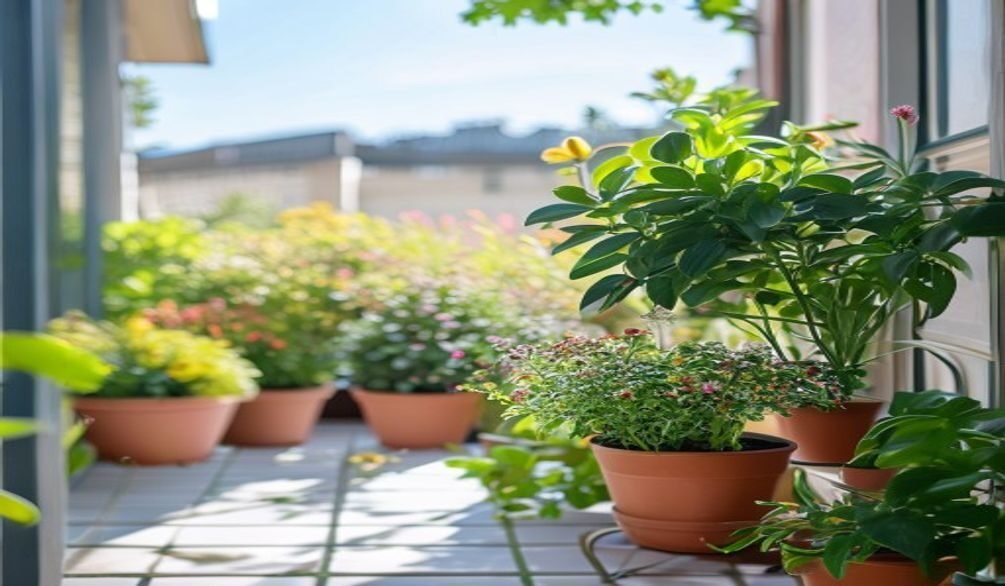
When you’re tending your balcony garden in the scorching Indian summer or the heavy monsoon, seeing your flowering plants produce just a few sparse blooms can be incredibly disheartening. You want that burst of color and fragrance, right? Well, you’re not alone in wanting to **boost flower blooms fast** for a vibrant garden, and thankfully, there are plenty of proven ways to make it happen. This guide will walk you through 10 effective strategies that I’ve personally used in my 10+ years of Indian urban gardening.
Quick Answer: To boost flower blooms, consistently deadhead spent flowers, use phosphorus-rich fertilizers, ensure adequate sunlight and water, and enrich soil with organic matter. Proper care encourages continuous flowering and larger, more vibrant blooms.
How can i make my flowers bloom more consistently?
To make your flowers bloom more consistently, you’ll need to focus on a few key care practices that encourage continuous flower production. Studies indicate that exposure to flowering plants can reduce stress levels and boost overall mood by up to 15%, so keeping those blooms coming is great for you too. It’s all about tricking the plant into thinking it still needs to make more seeds!
One of the best flower garden tips I can give you is to understand your plant’s needs. Are you growing an annual like marigolds or a perennial like hibiscus? Their requirements for continuous blooms will differ. For instance, my hibiscus plants in Bangalore thrive with consistent watering and a weekly dose of liquid fertilizer, but they’d sulk in Mumbai’s pre-monsoon heat without extra attention.
Here are some quick ways to ensure consistent flowering:
- Regular Deadheading: Removing spent flowers prevents the plant from putting energy into seed production.
- Adequate Sunlight: Most flowering plants need at least 6-8 hours of direct sun daily.
- Proper Nutrition: Use a balanced fertilizer, but one with a slightly higher phosphorus content to encourage flowering.
- Consistent Watering: Don’t let plants dry out completely, especially in Indian summer heat (40°C+).
- Pest and Disease Management: Healthy plants have more energy to produce blooms.
What is the best flower booster for abundant blooms?
The best flower booster for abundant blooms often comes down to a phosphorus-rich fertilizer, as phosphorus is critical for flower and fruit development. For example, Osmocote Plus Smart Release Plant Food is an excellent option because its controlled-release formula ensures a steady supply of nutrients over several months. This means you won’t have to fertilize as often, which is a big plus for busy terrace gardeners.
Another fantastic choice is Miracle-Gro Bloom-Booster Flower Food. I’ve seen it work wonders on petunias and even my lal mirch plants, pushing them to produce more flowers and then more fruit. The truth is, while many people reach for any fertilizer, choosing one specifically designed to **boost flower blooms fast** with a higher “P” (phosphorus) number in the NPK ratio (like 10-30-10) is key. However, be careful not to overdo it. Too much of a good thing, especially nitrogen, can lead to lots of leaves but no flowers. I once tried liquid seaweed fertilizer on my hibiscus expecting faster flowering – got 3 new leaves and no flowers for 8 weeks! The seaweed was pushing vegetative growth because the plant was already in nitrogen-rich soil. Lesson learned: understand what your plant needs before adding any fertilizer.
| Booster Type | Key Nutrient | Benefit for Blooms | Typical NPK Ratio |
|---|---|---|---|
| Phosphorus-rich fertilizer | Phosphorus (P) | Promotes strong flower development, more blooms | Low N, High P, Med K (e.g., 10-30-10) |
| Bone Meal | Phosphorus, Calcium | Slow-release phosphorus for sustained flowering | Low N, Med P, Low K |
| Epsom Salts | Magnesium | Enhances chlorophyll production, deeper color | Not NPK, provides micronutrients |
How do you make a flower bloom everyday?
To make a flower bloom every day, you need to select long-blooming varieties and provide optimal growing conditions that support continuous bud formation. Julie, an enthusiastic gardener with 25+ years of experience, emphasizes that “Blooming plants are wired to form flowers—that’s their ticket to setting seed and perpetuating their presence in the landscape.” Your goal is to keep them in this “flowering mode.”
This means consistent care is non-negotiable. For instance, Knockout Roses are famous for their continuous flowering, even in varied Indian climates. In my Pune terrace garden, they’d bloom almost year-round with regular watering and feeding. You’ll want to:
- Choose the Right Plants: Opt for continuous bloomers like Salvia, Daylilies, or specific rose varieties.
- Provide Full Sun: Most daily bloomers are sun-loving plants.
- Water Deeply: Ensure the root zone gets thoroughly wet, but avoid waterlogging.
- Feed Regularly: Small, frequent doses of a bloom-boosting fertilizer work better than one large application.
- Deadhead Daily: This is crucial. Removing spent flowers tricks the plant into producing more.
Watering on a fixed schedule is one of the worst habits an Indian balcony gardener can have — soil dries at completely different rates in summer versus monsoon, morning versus afternoon sun, terracotta versus plastic pots. Always check the soil with your finger, never follow a calendar. This approach helps you avoid both underwatering in intense heat and overwatering during humid monsoon days, both of which can stress plants and reduce blooms.
What makes flowers bloom bigger and brighter?
What truly makes flowers bloom bigger and brighter is a combination of ideal growing conditions, proper nutrition, and consistent care, all working together to help your plants reach their full genetic potential. Epsom salts, for example, can provide magnesium to plants, helping with greener leaves and bigger blooms when mixed at about a tablespoon per gallon of water and sprayed every few weeks. This magnesium is vital for chlorophyll production, which means more efficient photosynthesis and more energy for larger, more vibrant blooms.
Beyond magnesium, here’s what helps:
- Phosphorus Power: As we discussed, phosphorus is the primary nutrient for flower development. Ensure your fertilizer has a higher middle number in its NPK ratio.
- Potassium for Color: Potassium (the “K” in NPK) helps with overall plant health and vibrant color intensity. Wood ash or rock phosphate are natural powders that can boost potassium and phosphorus, leading to deeper color, bigger blooms, and longer-lasting flowers.
- Adequate Sunlight: More light generally means more energy for the plant to produce larger, more colorful blooms.
- Consistent Moisture: Stress from inconsistent watering can lead to smaller, less vibrant flowers.
- Soil Health: Rich, well-draining soil provides the perfect foundation. You can check out our guide on organic garden soil enrichment for more tips.
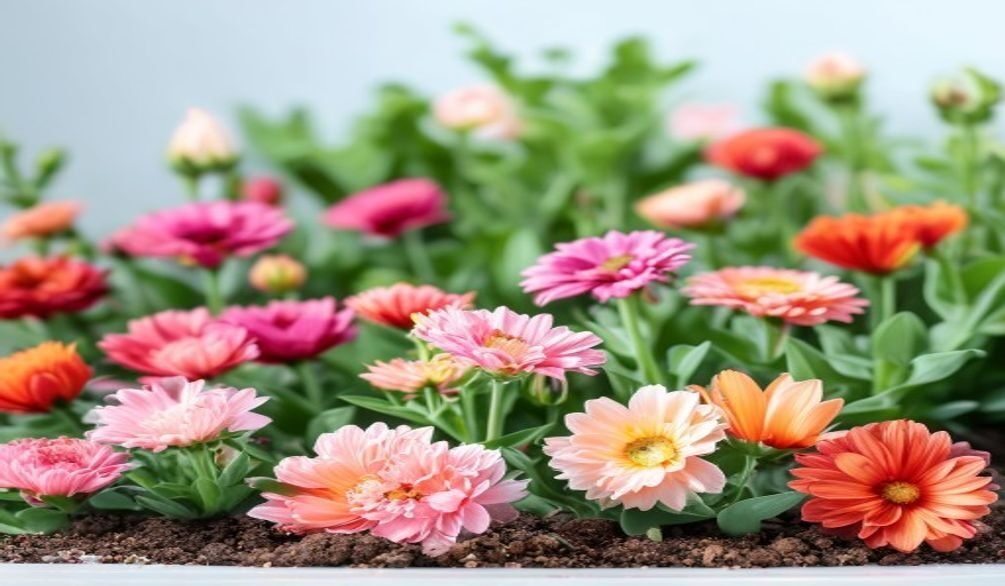
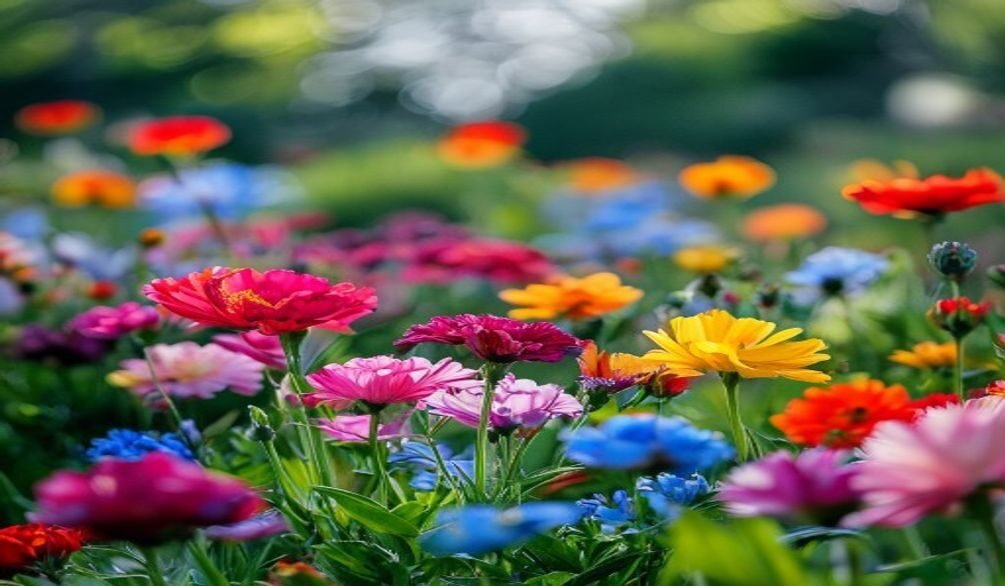
Katie Dubow, president of Garden Media Group, anticipates “faded petal” – a soft, weathered pink with a vintage, timeworn quality – to be an on-trend shade for 2026. This shows that even the most beautiful, subtle colors still benefit from healthy, robust blooms.
How does deadheading impact flower production?
Deadheading, the simple act of removing spent or faded flowers, significantly impacts flower production by redirecting the plant’s energy from seed development back into creating new blooms. It’s a key technique to **boost flower blooms fast**. When a flower fades, the plant’s natural instinct is to form seeds to reproduce. By cutting off that spent flower, you prevent seed formation, signaling to the plant that it needs to produce more flowers to complete its reproductive cycle.
This practice can increase overall bloom production by up to 20% in many annuals and re-blooming perennials. Think about it: if your Gulmohar tree or your marigold plant doesn’t have to put energy into making seeds, it has more resources to create new flower buds. This is especially effective for plants like zinnias, petunias, and even many varieties of David Austin Roses, which are bred for abundant flowering. A common mistake I see in Delhi balcony gardens is letting marigolds go to seed too early; gardeners miss out on weeks of beautiful blooms because they skip deadheading.
Here’s how to deadhead effectively:
- Locate the Spent Bloom: Find the flower that has faded, started to turn brown, or dropped petals.
- Follow the Stem: Trace the stem down to the first set of healthy leaves or a lateral bud.
- Make a Clean Cut: Use sharp pruners or scissors to snip just above the leaves or bud. This encourages new growth from that point.
What role does soil health play in boosting blooms?
Soil health plays an absolutely fundamental role in boosting blooms because healthy soil provides the optimal environment for roots to absorb water and nutrients, which are essential for vigorous flowering. Without good soil, even the best fertilizers won’t be fully effective. For instance, well-draining soil prevents root rot, a common issue in Mumbai’s high humidity, ensuring roots can breathe and function correctly.
A rich, loamy soil that retains moisture but drains well is ideal. This is where adding organic matter really shines. Compost, well-rotted cow dung manure (easily available from local nurseries for ₹80–150 per bag), or vermicompost improves soil structure, aeration, and nutrient retention. However, be cautious with vermicompost: I once mixed it directly into a seed-starting tray at a 30% ratio. It burned every seedling within 5 days because the nutrients were too concentrated for young roots. Vermicompost should be used for established plants only, not for germination. This personal failure taught me the importance of understanding nutrient concentration.
Key components of healthy soil for flowers:
- Organic Matter: Improves soil structure, water retention, and provides slow-release nutrients.
- Proper Drainage: Prevents waterlogging and root diseases.
- Balanced pH: Most flowering plants prefer a slightly acidic to neutral pH (6.0-7.0) for optimal nutrient uptake.
- Beneficial Microbes: These microscopic helpers make nutrients available to plants.
Which long-blooming plants are best for continuous color?
Choosing long-blooming plants is a smart strategy to ensure continuous color in your garden, providing a consistent display that can truly **boost flower blooms fast** and keep your space vibrant for months. Some plants are simply wired to produce flowers over an extended period, making your job much easier. For example, Mintee Kalra, founder of landscape design studio Peruse, notes that 2026 trends are “leaning toward softness with depth – muted rose, violet, and smoky blue-green tones that feel ‘almost archival’,” and many continuous bloomers fit this aesthetic beautifully.
Here are some excellent choices for Indian gardens:
- Knockout Roses: These hardy roses are known for their disease resistance and prolific, season-long blooms. They’re much easier to care for than traditional hybrid teas.
- Salvia: Many varieties, like ‘Victoria Blue’ or ‘Hot Lips’, offer continuous spikes of color and attract pollinators.
- Daylilies (Hemerocallis): With countless cultivars, you can find daylilies that rebloom throughout the summer.
- Marigolds (Genda): Especially the French varieties, these are robust bloomers that handle Indian heat well and provide continuous cheer. They also act as great companion plants, attracting pollinators and beneficial insects.
- Pentas: Often called Egyptian Starcluster, these produce clusters of star-shaped flowers that bloom almost non-stop in warm climates.
Peonies, which saw a 175% increase in global online searches, making them the top trending flower for 2025, according to Ginny Henry, creative lead at Arena Flowers, are also a beautiful choice, though their bloom period is shorter. If you’re looking for that trending flower, a little extra care is worth it!
Are there natural ways to enhance flower blooms?
Absolutely, there are several effective and natural ways to enhance flower blooms, focusing on improving soil health and providing gentle, organic nourishment. These methods are perfect for gardeners who prefer to avoid synthetic chemicals and still want to **boost flower blooms fast**. Using organic amendments not only feeds your plants but also nurtures the soil’s ecosystem, creating a healthier environment overall.
One fantastic natural booster is compost tea. You can make it by steeping finished compost in water for a day or two, then diluting and using it to water your plants. This provides a gentle dose of nutrients and beneficial microbes. Another simple trick is to bury banana peels around your flowering plants; as they decompose, they release potassium, which is excellent for flower development and overall plant vigor.
Consider these natural bloom enhancers:
- Epsom Salts: As mentioned, a tablespoon per gallon of water every few weeks can boost magnesium.
- Banana Peels: Rich in potassium, bury them near the root zone.
- Wood Ash: If you have a fireplace, wood ash (from untreated wood only!) provides potassium and some phosphorus. Sprinkle sparingly around plants.
- Alfalfa Meal: A slow-release nitrogen source that also contains growth stimulants.
- Coffee Grounds: Can slightly acidify the soil and provide a small amount of nitrogen. Good for acid-loving plants like hibiscus or jasmine.
Remember, natural methods often work slower than synthetic ones, but the long-term benefits for your soil and plants are immense.
Frequently asked questions
How can i make my flowers bloom more?
You can make your flowers bloom more by consistently deadheading spent flowers, ensuring they receive adequate sunlight and water, and feeding them with a phosphorus-rich fertilizer. Regular pruning also encourages bushier growth and more flowering sites.
What is the best flower booster?
The best flower booster is typically a phosphorus-heavy fertilizer, such as Osmocote Plus Smart Release Plant Food or Miracle-Gro Bloom-Booster Flower Food. These products provide the specific nutrients needed to stimulate abundant flower production.
How do you make a flower bloom everyday?
To make a flower bloom everyday, choose long-blooming varieties like Knockout Roses or Salvia, provide them with 6-8 hours of direct sunlight, consistent moisture, and deadhead spent blooms daily. This continuous care encourages daily bud formation.
What makes flowers bloom bigger?
Flowers bloom bigger when they have sufficient phosphorus and potassium, consistent moisture, and ample sunlight, which allows the plant to produce more energy. Proper soil health with good organic matter also supports robust root systems for larger blooms.
Are there natural ways to make flowers bigger?
Yes, natural ways to make flowers bigger include incorporating organic matter like compost into the soil, using banana peels for potassium, and applying Epsom salts for magnesium. These natural amendments support overall plant health, leading to larger, more vibrant blooms.
Getting your garden to truly **boost flower blooms fast** isn’t a mystery; it’s a combination of understanding your plants, giving them what they need, and a little consistent effort. From choosing the right fertilizers like Osmocote Plus Smart Release Plant Food, to the simple yet effective act of deadheading, every step contributes to a more vibrant and rewarding garden. Don’t be afraid to experiment with natural boosters like wood ash or banana peels, and always remember to check your soil moisture with your finger, not a calendar. With these tips, you’re well on your way to enjoying a garden bursting with color and life, just like the beautiful displays I’ve seen in countless Pune terrace gardens!