Key Takeaways
- The global hydroponics market was valued at USD 12.24 billion in 2025, according to market data.
- Hydroponic systems can achieve 30-50% faster plant growth compared to conventional farming, according to industry experts.
- Hydroponic systems use up to 90% less water than traditional soil gardening, according to multiple studies.
- Deep Water Culture (DWC) and Kratky methods are considered the easiest hydroponic starter systems for beginners.
- The home hydroponics market size was USD 1.9 billion in 2025, projected to reach USD 5.1 billion by 2032.
When you’re squeezed for space in your Mumbai flat or trying to beat the Delhi summer heat that wilts everything in soil, traditional gardening can feel like an uphill battle. That’s why diving into hydroponic starter systems for beginners makes so much sense for urban Indian gardeners looking for a simpler, more efficient way to grow. This guide will walk you through the best options, making it easy to pick a system that fits your home and helps you succeed.
Quick Answer: The easiest hydroponic systems for beginners are typically Deep Water Culture (DWC) and Kratky methods due to their straightforward setup, minimal equipment requirements, and ease of maintenance, making them ideal for new growers.
What is the easiest hydroponic system for beginners?
The easiest hydroponic system for beginners is widely considered to be the Kratky method, followed closely by Deep Water Culture (DWC). The Kratky method has no moving parts and requires no electricity, making it the most inexpensive system to build and run, according to Demeter Guides, author of “Hydroponics: The Kratky Method.” It’s incredibly simple: plants sit in net pots with their roots dangling into a nutrient-rich water reservoir. As the plant consumes water, the nutrient level drops, creating an air gap for the roots.
My first foray into hydroponics was with a simple Kratky setup for growing pudina on my Pune balcony. It was a revelation! No pumps, no timers — just a bucket, some nutrients, and a plant. You just top up the water occasionally. This method is fantastic for learning the basics of nutrient management without the complexity of pumps or aeration. For anyone looking for truly simple hydroponic starter systems for beginners, Kratky is a top pick.
Which hydroponic system is best for home use?
For most home gardeners in India, especially those with limited space like on a balcony or kitchen counter, Deep Water Culture (DWC) or compact all-in-one kits like AeroGarden and Click & Grow are typically the best hydroponic starter systems for beginners. The home hydroponics market size was USD 1.9 billion in 2025 and is projected to grow by 15.2% during 2026–2032, reaching USD 5.1 billion by 2032, showing just how popular home systems are becoming. DWC is basically a Kratky system with an air pump and air stone, which oxygenates the water, leading to faster growth and healthier roots. It’s still very straightforward for a beginner friendly hydroponics experience.
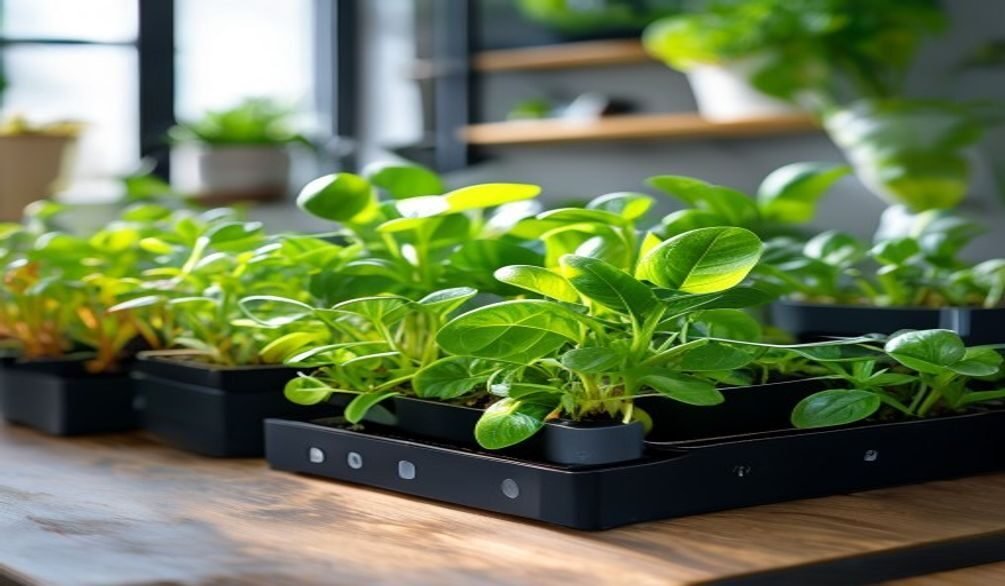
For those who want an even more plug-and-play approach, pre-built hydroponic kits for beginners like the AeroGarden Harvest 2.0 or the Click & Grow Smart Garden 3 are excellent. These systems come with everything you need: lights, pumps, and even pre-seeded pods. Honestly, they take out a lot of the guesswork, which is a huge plus when you’re just starting. I’ve seen friends in Bangalore use these kits to grow lal mirch and even small tomatoes with surprising success indoors.
What are the 6 types of hydroponic systems?
There are generally six main types of hydroponic systems, each with its own approach to delivering water and nutrients to plants: Deep Water Culture (DWC), Wick Systems, Drip Systems, Nutrient Film Technique (NFT), Ebb and Flow (Flood and Drain), and Aeroponics. These systems vary in complexity and are important to understand when looking at various hydroponic starter systems for beginners.
Let’s break them down:
* **Deep Water Culture (DWC):** Plants are suspended in net pots with their roots submerged in an oxygenated nutrient solution. It’s one of the simplest and most effective best hydroponic system for beginners, especially for leafy greens.
* **Wick Systems:** This is the most passive system, using wicks to draw nutrient solution from a reservoir up to the growing medium around the plant roots. It’s super simple but often too slow for larger, thirstier plants.
* **Drip Systems:** A pump delivers nutrient solution directly to the base of each plant through small drip emitters. Excess solution can be recirculated (recirculating drip) or discarded (recovery drip). This offers good control but requires more components.
* **Nutrient Film Technique (NFT):** Plants sit in channels with their roots touching a very thin film of continuously flowing nutrient solution. This system is efficient but requires precise pump control and channel slopes.
* **Ebb and Flow (Flood and Drain):** The growing tray is periodically flooded with nutrient solution, then drained back into the reservoir. This provides roots with both nutrients and oxygen, mimicking natural cycles.
* **Aeroponics:** Plants are suspended in the air, and their roots are misted with a nutrient solution. This is highly efficient and offers rapid growth but is also the most technologically advanced and expensive system to set up, definitely not ideal for a first-time user exploring hydroponic starter systems for beginners.
What vegetables can be grown in a small hydroponic system?
Many common vegetables and herbs thrive in small hydroponic systems, making it easy for beginners to see quick results. Leafy greens like lettuce (e.g., romaine, butterhead), spinach, and kale are fantastic choices, as are herbs such as pudina, dhania/coriander, tulsi, and basil. These plants grow quickly and don’t require extensive root systems or large support structures, which is perfect for small hydroponic garden setups.
I’ve personally had great success growing Cherry tomatoes like Pusa Ruby in a compact DWC system on my balcony; they ripened much faster than my soil-grown ones. Bhindi (okra) can also do well, though it needs a slightly larger reservoir. The key is to pick plants that don’t get too big or heavy, or ones that can be easily pruned to stay compact. If you’re looking at hydroponic starter systems for beginners, starting with these easy-to-grow options helps build confidence.
| Plant Type | Best Hydroponic System for Beginners | Why it’s good for small systems |
|---|---|---|
| Leafy Greens (Lettuce, Spinach) | Kratky, DWC, AeroGarden | Fast growth, compact size, shallow roots |
| Herbs (Pudina, Dhania, Basil) | Kratky, DWC, Click & Grow | Quick to harvest, small footprint, aromatic |
| Small Fruiting Plants (Cherry Tomatoes, Strawberries) | DWC, Ebb and Flow (small scale) | Requires more light but manageable size, good yield |
| Bhindi (Okra) | DWC (larger reservoir) | Can grow vertically, needs good support |
Is hydroponic gardening good for beginners?
Absolutely, hydroponic gardening can be incredibly good for beginners, especially if you choose the right hydroponic starter systems for beginners. Most beginners succeed fastest with stable, aerated systems that prioritize reliability over maximum yield, according to many experts. The controlled environment means you don’t have to worry about soil-borne pests or diseases, and the precise nutrient delivery often leads to faster growth and higher yields compared to traditional gardening. Hydroponic systems can achieve 30-50% faster plant growth and higher yields compared to conventional farming, making it a rewarding experience for new growers.
You might have heard that watering on a fixed schedule is important for plants. In practice, I’ve found that watering on a fixed schedule is one of the worst habits an Indian balcony gardener can have — soil dries at completely different rates in summer versus monsoon, morning versus afternoon sun, terracotta versus plastic pots. Always check the soil with your finger, never follow a calendar. With hydroponics, though, the watering schedule is largely handled by the system itself, reducing one major variable for new gardeners. This prevention of inconsistent watering and poor soil oxygenation is a real advantage, not just automation.
One common mistake I’ve seen with new hydroponic growers is trying to grow methi from seeds bought at a local kirana store instead of a proper seed shop. A friend once tried this, and their germination rate was a dismal 15%. After switching to quality Sarpan or Indo-American seeds, they got an 80%+ germination rate. Cooking seeds and garden seeds are not the same thing — even if they look identical. Quality components, including seeds and nutrients, make a huge difference, especially when you’re just getting into easy hydroponic setup.
How to choose the ultimate hydroponic starter system
Choosing the ultimate hydroponic starter system involves considering your budget, the space you have available, and what you want to grow. It’s not about finding the “best” system overall, but the best fit for *you* and your specific situation, ensuring a successful beginner friendly hydroponics journey.
Here are a few factors to weigh:
* **Simplicity of Setup:** For true beginners, look for systems that require minimal assembly and have clear instructions. Kratky and basic DWC setups are excellent in this regard, or pre-made kits like AeroGarden.
* **Cost:** Hydroponic starter systems for beginners can range from a few hundred rupees for a DIY Kratky setup to ₹5,000–₹15,000 for a quality AeroGarden. VIVOSUN offers budget-friendly options, while something like a Lettuce Grow Farmstand Hydroponic System will be a bigger investment.
* **Space:** If you’re gardening on a small balcony or kitchen counter, compact systems like the Click & Grow Smart Garden 3 are ideal. Vertical systems like the ALTO Garden GX Hydroponic Tower or Harvest Today’s ZipGrow tower systems are great for maximizing plant count in a tight area.
* **Maintenance:** Consider how much time you’re willing to dedicate. Passive systems (Kratky, Wick) need less daily attention but might require more frequent nutrient top-ups. Active systems (DWC, NFT) need power and occasional pump checks.
* **Plant Type:** As we discussed, some plants are better suited for specific systems. If you want leafy greens, almost any beginner system will work. For larger fruiting plants, a DWC or small Ebb and Flow system might be better.
Don’t forget about nutrients! Once you have your system, understanding hydroponic nutrient solutions is key. You can even find simple recipes for home growers to get started.
Frequently asked questions
What is the cheapest hydroponic system to build?
The cheapest hydroponic system to build is typically the Kratky method because it requires minimal materials like a container, lid, net pot, growing medium, and nutrient solution, with no need for pumps or electricity. The Kratky method is the most inexpensive system to build and run, according to Demeter Guides. You can often repurpose household items for the reservoir, keeping costs very low.
Which hydroponic system uses the least amount of water?
Hydroponic systems generally use significantly less water than traditional soil gardening, with aeroponics and Nutrient Film Technique (NFT) often being the most water-efficient. Hydroponic systems use up to 90% less water than traditional soil gardening. This makes them an excellent choice for regions where water conservation is crucial.
Can you start seeds in a hydroponic system?
Yes, you can absolutely start seeds directly in a hydroponic system, often with higher germination rates due to consistent moisture and temperature control. Many hydroponic starter systems for beginners, like AeroGarden kits, come with seed pods specifically designed for this purpose. Just ensure your seeds have adequate light and warmth to sprout successfully.
What are the disadvantages of hydroponics for beginners?
For beginners, the initial setup cost can be higher than traditional gardening, and understanding nutrient solutions and pH levels can seem daunting at first. However, the global hydroponics market was valued at USD 12.24 billion in 2025, indicating widespread adoption despite these initial hurdles. With good guidance, these challenges are easily overcome.
How often do you change water in hydroponics?
For most hydroponic starter systems for beginners, especially DWC or Kratky, you typically change the nutrient solution every 1-2 weeks to ensure plants receive fresh nutrients and to prevent pathogen buildup. Consistent nutrient management is crucial for healthy growth, and regular changes help maintain optimal conditions.
Getting started with hydroponic gardening doesn’t have to be intimidating, especially with the right hydroponic starter systems for beginners. By choosing a simple method like Kratky or DWC, or investing in an all-in-one kit, you’re well on your way to enjoying fresh greens and herbs right from your Indian home. Remember, the goal is to start small, learn the ropes, and watch your plants flourish. So, pick your system, get those seeds, and let’s grow something amazing!