Key Takeaways
- 47.6% of people spent more time gardening in 2025, the highest level since 2022.
- 63.6% of respondents plan to expand their gardens in 2026, according to a survey.
- The global garden seeds market is projected to reach nearly $5.4 billion by 2035.
- Most herbs thrive with at least 6 hours of direct sunlight daily for robust growth.
- Terracotta pots prevent root rot in humid climates due to their breathability, despite drying faster.
Most Mumbai balcony gardeners struggle to keep their pudina alive through the harsh pre-monsoon heat, often seeing it wilt away before they even get a good harvest. If you’re looking to start an herb garden and avoid these common frustrations, you’re in the right place. We’ll walk you through 10 simple, practical ways to get your herb patch thriving, whether it’s on a small balcony or a sunny windowsill.
Quick Answer: To start an herb garden, choose a sunny spot with at least 6 hours of sunlight, select favorite herbs, and decide on containers or raised beds. Use well-draining soil, plant seeds or seedlings, and water regularly for success.
What is the easiest way to start an herb garden?
The easiest way to start an herb garden is by using established seedlings or small plants from a local nursery, rather than starting from scratch with seeds. This bypasses the tricky germination phase and gives you a head start, which is a huge confidence booster for beginners. In fact, 47.6% of people spent more time gardening in 2025, the highest level since 2022, according to a recent survey, showing a growing interest in accessible gardening methods. You’ll find a wide variety of healthy herb seedlings at most Indian nurseries, ready to be transplanted.
Honestly, while starting from seeds can be rewarding, it also comes with more variables—soil temperature, moisture, and seed viability all play a role. For a quick win, grab some healthy tulsi or pudina plants from Bonnie Plants or your local garden center. They’re usually robust and forgiving, perfect for getting your hands dirty without too much fuss.
What do i need to start an herb garden?
To start an herb garden, you’ll need a few basic supplies: containers with drainage holes, quality potting mix, your chosen herbs (seeds or seedlings), a small trowel, and a watering can. About 55% of U.S. households engage in gardening activities, which translates to 71.5 million gardening households, highlighting the widespread appeal of home gardening. You don’t need fancy equipment to begin; simple tools will do the job perfectly.
Here’s a quick checklist to get you going:
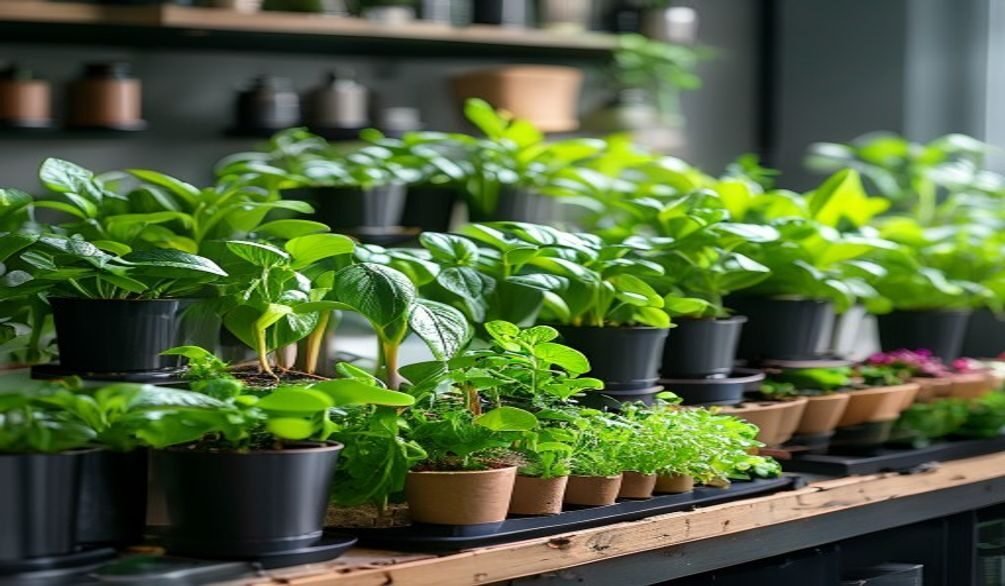
- Containers: Terracotta pots, plastic planters, or even recycled food containers (with drilled holes!) work. In my experience, for Indian balcony plants, terracotta pots genuinely outperform plastic. Yes, they dry faster and often cost a bit more (around ₹80-₹150 for a 6-inch pot), but that breathability is key. It prevents root rot, which is the number one killer of container plants during our humid monsoon months, especially in places like Mumbai or Chennai.
- Potting Mix: Look for a well-draining, slightly acidic mix. Bootstrap Farmer recommends “Most plants, including herbs, thrive in slightly acidic, well-draining, loamy soil.” You can find good quality cocopeat-based mixes at local nurseries or online on platforms like Ugaoo.
- Herbs: Decide if you’re going for seeds (like those from High Mowing Organic Seeds for organic options) or young plants.
- Small Trowel: For digging and scooping.
- Watering Can: Or even a plastic bottle with holes poked in the cap for gentle watering.
Can i grow herbs indoors?
Yes, you absolutely can grow herbs indoors, especially if you have a sunny windowsill or are willing to provide supplemental light. Indoor herb gardens are a fantastic option for urban dwellers or anyone with limited outdoor space, and they let you enjoy fresh herbs year-round. The global garden seeds market is projected to increase from approximately $3.7 billion in 2025 to nearly $5.4 billion by 2035, indicating a strong trend towards home cultivation, including indoors.
For success with growing herbs indoors, consider these points:
- Light: A south-facing window is ideal, offering the most sunlight. If natural light is scarce, consider an LED grow light. Brands like AeroGarden and Click & Grow offer smart indoor gardens that come with integrated LED lights and self-watering systems, making indoor herb gardening incredibly simple for beginners.
- Airflow: Good air circulation helps prevent fungal issues. Just opening a window occasionally can make a difference.
- Watering: Indoor plants might need less frequent watering than outdoor ones, but consistency is still key. Check the soil moisture before watering.
- Humidity: Some herbs, like basil, appreciate a bit more humidity. A pebble tray with water can help.
I’ve seen many Pune terrace gardeners successfully grow dhania and pudina indoors during the peak summer to protect them from the intense Indian summer heat of 40°C+.
How much sun do herbs need?
Most herbs are sun-lovers and thrive with at least 6 hours of direct sunlight per day to produce robust growth and strong flavors. Without enough sun, herbs can become leggy and produce weaker leaves, which isn’t what you want when you’re trying to start an herb garden for culinary use. “Herbs are the perfect starter plants for new and would-be gardeners. They don’t require much space, much sunlight, or even much tending,” states Gardenary, but they do need that consistent light.
For best results, place your herb garden in the brightest spot available. If you’re growing indoors, a south-facing window is usually your best bet. If you only have partial sun, don’t despair; some herbs like mint and parsley can tolerate a bit more shade, but they’ll still perform better with more light. Just keep an eye on how they’re growing and adjust their position if they seem to be stretching for the sun.
What are the best herbs to start with for beginners?
For beginners looking to start an herb garden, the best herbs are those that are forgiving, relatively low-maintenance, and widely used in cooking. Eric Preston Stout, an expert gardener with TeachMe.To, affirms that “When it comes to edible plants, herbs are the easiest to grow because they require the least amount of time, maintenance and room.” You want quick successes to build your confidence.
Here are some excellent choices for your first herb garden:
- Pudina (Mint): Extremely vigorous, often best grown in its own pot to prevent it from taking over. It’s fantastic for chutneys and drinks.
- Dhania (Coriander): Grows quickly from seed, though it tends to bolt (go to seed) in very hot weather. Plant successive batches for a continuous supply.
- Tulsi (Holy Basil): A sacred plant in India, it’s also quite easy to grow and has a distinct aroma.
- Basil: Loves warmth and sun. Great for Italian and Indian dishes. Varieties like Genovese or even the Indian Kapoor Tulsi work well.
- Rosemary: A woody herb that prefers drier conditions. It’s a slow grower but very rewarding.
- Ajwain (Carom): Another easy-to-grow herb, often found in Indian kitchens.
You might have heard that starting with cuttings is always easier. In practice, while some herbs like pudina root easily from cuttings, others are more finicky. For guaranteed success, especially with herbs like dhania, starting with good quality seeds or small plants from a reliable nursery like Bonnie Plants is often the most straightforward path.
10 simple ways to start your herb garden
Getting an herb garden up and running doesn’t have to be complicated; there are many straightforward methods suitable for every space and skill level. Whether you’re a complete novice or just want to try a new technique, these 10 ways will help you successfully start an herb garden.
Step 1: choose your herbs wisely
Before you even think about soil, decide which herbs you actually want to grow. Think about what you cook with most often. Do you use a lot of dhania for curries, or perhaps pudina for refreshing drinks? Picking herbs you’ll use makes the effort feel worthwhile. Also, consider their growing habits; some, like mint, are notorious spreaders and need their own space.
Step 2: select your growing method
Your space dictates your method. Are you working with a small balcony, a sunny windowsill, or a patch of ground? Container gardening is incredibly versatile for urban spaces. Raised beds offer good drainage and control over soil quality. For indoor options, smart garden kits like AeroGarden or Click & Grow automate much of the process, making it super easy to start an herb garden.
Step 3: prepare your soil or medium
Good soil is the foundation of any successful garden. Use a high-quality potting mix that drains well. For container plants, a mix of cocopeat, compost, and perlite (or sand) works wonders. This mix prevents waterlogging, which is a common issue in India during the monsoon. If you’re using an indoor system, it might come with its own pre-seeded pods, simplifying this step.
Step 4: plant your seeds or seedlings
This is where the magic begins! If you’re planting seeds, follow the packet instructions for depth and spacing. For seedlings, gently remove them from their nursery pots, loosen any circling roots, and plant them at the same depth they were previously growing. I once saw a friend try to grow methi from seeds bought at a local kirana store; the germination rate was a dismal 15%. They switched to quality Sarpan or Indo-American seeds and got an 80%+ germination rate. Cooking seeds and garden seeds are not the same thing, even if they look identical.
Step 5: provide adequate sunlight
Herbs need sun, lots of it. Aim for at least 6 hours of direct sunlight daily. If you’re indoors, place pots on your sunniest windowsill. If that’s not enough, a simple grow light can make a huge difference. Rotate your pots regularly to ensure all sides of the plant get light exposure.
Step 6: water consistently
Watering is crucial but often misunderstood. Don’t let the soil dry out completely, but don’t drown your plants either. Stick your finger an inch or two into the soil; if it feels dry, it’s time to water. Water every 2 days in the peak Indian summer heat, but only once in 5 days during the monsoon. Overwatering is a common killer.
Step 7: monitor and harvest your herbs
Keep an eye on your herbs for any signs of pests or diseases. Early detection makes treatment much easier. Once your herbs are established, you can start harvesting! Pinch off leaves from the top to encourage bushier growth. Use Fiskars micro-tip pruning snips for clean cuts that help the plant recover quickly. Regular harvesting actually promotes more growth, giving you a continuous supply.
Step 8: consider container groupings
Some herbs play well together, while others prefer solitude. Rosemary and sage, for instance, are good “box mates” because they both like drier conditions. Basil and oregano, however, enjoy more water and can be grouped. Mint, as I mentioned, is best kept isolated. This strategy helps optimize watering and nutrient needs.
Step 9: feed your herbs
Herbs don’t need heavy feeding, but a little boost can go a long way. Use a balanced organic liquid fertilizer once a month during the growing season. Too much fertilizer can reduce the potency of their essential oils, so less is often more. Compost tea is also a fantastic, gentle option for balcony gardens.
Step 10: succession planting for continuous harvest
For herbs like dhania (coriander) that tend to bolt quickly in heat, succession planting is key. Plant a small batch of seeds every 2-3 weeks. This ensures you always have young, tender plants available for harvest, rather than waiting for one large crop that quickly goes to seed. It’s a smart way to manage your herb garden’s output.
| Herb | Sun Needs | Water Needs | Beginner Friendliness |
|---|---|---|---|
| Pudina (Mint) | Partial to Full Sun | Moderate | Very High (can be invasive) |
| Dhania (Coriander) | Full Sun | Moderate | High (bolts in heat) |
| Tulsi (Holy Basil) | Full Sun | Moderate | High |
| Rosemary | Full Sun | Low to Moderate | Moderate (slow starter) |
| Basil | Full Sun | Moderate to High | High (loves warmth) |

Tips for a thriving herb garden
Beyond the basics, a few expert tips can really help your herb garden flourish and provide you with a bountiful harvest. These insights come from years of hands-on experience, often learned through trial and error in varying Indian climates.
* Prune Regularly: Don’t be afraid to snip. Regular pruning encourages bushier growth and prevents your herbs from becoming leggy. Use clean, sharp shears like those from Fiskars. This also helps delay bolting in herbs like basil and dhania.
* Provide Good Drainage: I can’t stress this enough, especially for Indian conditions. Root rot is a silent killer. Ensure your pots have drainage holes, and use a well-draining potting mix. The breathability of terracotta pots, as I’ve found over 10 years, is a huge advantage for preventing this, particularly when the monsoon arrives.
* Rotate Pots: If your herbs are in containers, rotate them every few days to ensure all sides get equal sun exposure. This prevents uneven growth and keeps plants healthier.
* Protect from Extreme Weather: Indian summers can be brutal. During peak heat (40°C+), move sensitive herbs to a shadier spot during the hottest part of the day or use shade netting. During heavy monsoons, ensure pots aren’t sitting in standing water.
* Fertilize Sparingly: Herbs generally don’t need a lot of fertilizer. A light feeding with organic compost or a balanced liquid feed once a month during the growing season is usually sufficient. Over-fertilizing can actually reduce their flavor.
Common mistakes to avoid when starting an herb garden
Even experienced gardeners make mistakes, and when you’re trying to start an herb garden, it’s easy to fall into a few common traps. Knowing these pitfalls beforehand can save you a lot of frustration and help ensure your herbs thrive.
* Overwatering: This is probably the most common mistake. Many beginners think more water is always better. However, constantly wet soil suffocates roots, leading to root rot. Always check the soil moisture before watering. A reader once planted seedlings two weeks too early for Delhi’s winter—lost the whole tray because the soil temperature was still too low. They replanted after waiting for the soil to warm to 18°C+ and got over 80% germination.
* Insufficient Sunlight: Herbs need sun. Planting them in a shady corner will result in weak, leggy plants with little flavor. Remember, at least 6 hours of direct sun is the goal.
* Using Garden Soil in Pots: Garden soil is often too dense for containers. It compacts easily, preventing proper drainage and aeration, which is vital for root health. Always use a good quality potting mix for container gardening.
* Planting Mint Directly in the Ground (or with other plants): Mint is an aggressive spreader. If you plant it directly in a garden bed, it will quickly take over. Always grow mint in its own container to keep it contained.
* Not Harvesting: It might seem counterintuitive, but not harvesting your herbs can actually make them less productive. Regular trimming encourages new growth and prevents bolting. Don’t be shy with your Fiskars snips!
* Ignoring Pot Size: I once planted a bougainvillea in a 6-inch pot thinking I would repot it later. It became severely root-bound in just 6 weeks, started dropping leaves, and took four months to recover after I finally moved it to a 12-inch container. Bougainvillea needs at least a 12-inch pot from day one, or it will stall. The same principle applies to many herbs; give them adequate space to grow.
Frequently asked questions
What is the easiest herb to grow for beginners?
Pudina (mint) is often considered the easiest herb for beginners to grow due to its vigorous nature and adaptability. It roots readily from cuttings and tolerates various conditions, making it very forgiving. Monty Don suggests, “Gardening is easy. Stick it in the ground the right way up and most plants will grow perfectly well.”
Do herbs need special soil?
Herbs don’t need special soil, but they do thrive in a well-draining, slightly acidic potting mix, especially when grown in containers. “Most plants, including herbs, thrive in slightly acidic, well-draining, loamy soil,” according to Bootstrap Farmer. Avoid heavy garden soil in pots, as it can compact and cause root rot.
How often should i water my herb garden?
You should water your herb garden when the top inch or two of soil feels dry to the touch, which typically means every 1-3 days depending on climate and pot size. In 2025, 49.5% of individuals spent more money on gardening, an 11.5% increase from 2024, indicating investment in proper care. Always check soil moisture before watering to prevent overwatering, which is a common cause of failure.
Can i grow herbs from kitchen scraps?
Yes, some herbs like pudina, spring onions, and even dhania can be regrown from kitchen scraps by placing their stems in water until roots form. This is a fun and economical way to propagate herbs, though it might not yield as robust plants as starting from seeds or seedlings.
What is the best type of pot for herbs?
Terracotta pots are excellent for herbs, especially in humid climates like India’s, because their porous nature allows for better air circulation and prevents root rot. While plastic pots retain moisture longer, terracotta’s breathability is crucial for preventing fungal issues.